



Mehr zum Buch
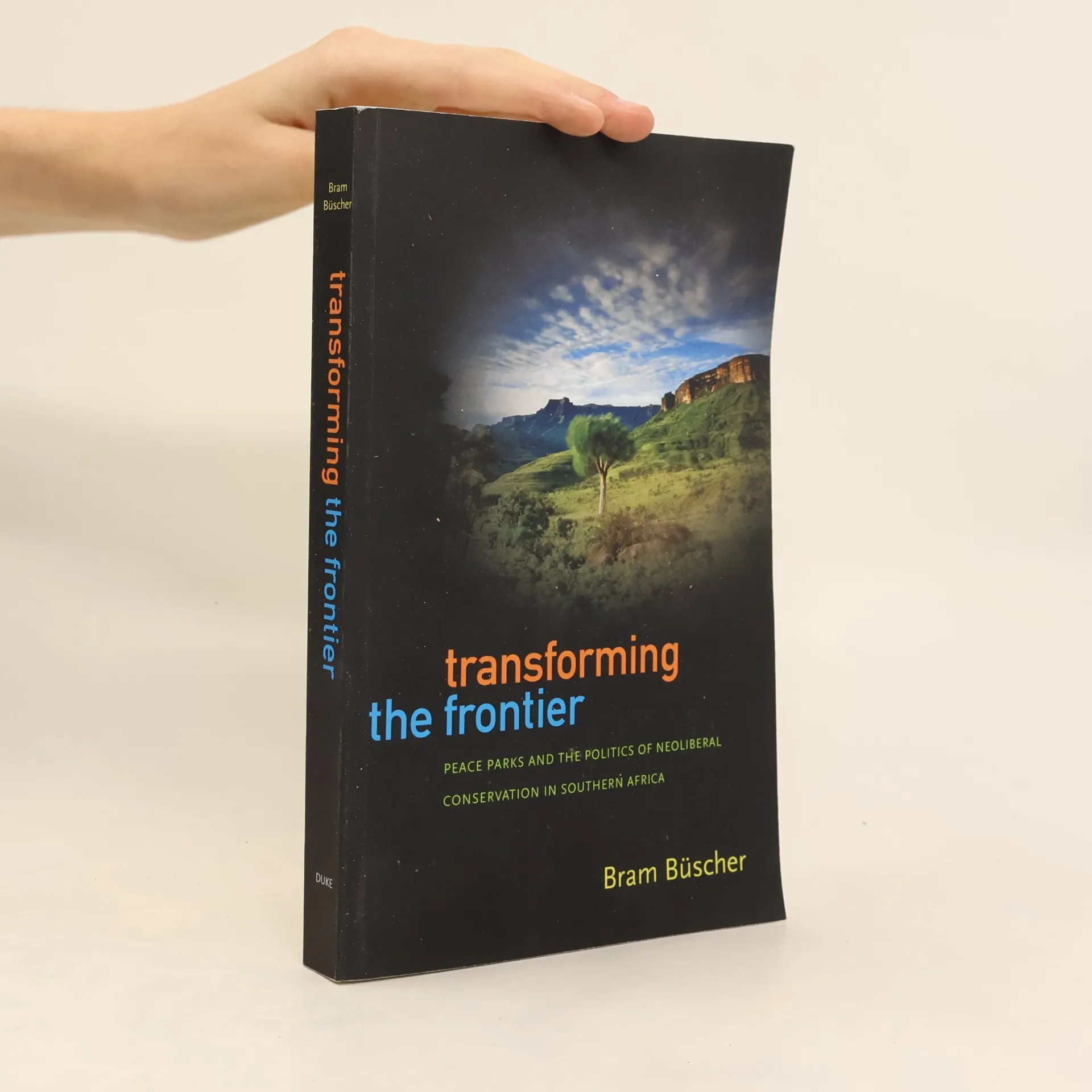
International peace parks—transnational conservation areas established and managed by two or more countries—have become a popular way of protecting biodiversity while promoting international cooperation and regional development. In Transforming the Frontier , Bram Büscher shows how cross-border conservation neatly reflects the neoliberal political economy in which it developed.Based on extensive research in southern Africa with the Maloti-Drakensberg Transfrontier Conservation and Development Project, Büscher explains how the successful promotion of transfrontier conservation as a "win-win" solution happens not only in spite of troubling contradictions and problems, but indeed because of them. This is what he refers to as the "politics of neoliberal conservation," which receives its strength from effectively combining strategies of consensus, antipolitics, and marketing. Drawing on long-term, multilevel ethnographic research, Büscher argues that transfrontier conservation projects are not as concerned with on-the-ground development as they are purported to be. Instead, they are reframing environmental protection and sustainable development to fit an increasingly contradictory world order.
Buchkauf
Transforming the Frontier, Bram Buscher
- Sprache

- Erscheinungsdatum
- 2013
- Einband
- (Paperback),
- Buchzustand
- Gebraucht - Sehr gut
- Preis
- € 17,39
Keiner hat bisher bewertet.
- Titel
- Transforming the Frontier
- Untertitel
- Peace Parks and the Politics of Neoliberal Conservation in Southern Africa
- Sprache
- Englisch
- Autor*innen
- Bram Buscher
- Verlag
- Duke University Press
- Erscheinungsdatum
- 2013
- Einband
- Paperback
- Seitenzahl
- 312
- ISBN10
- 0822354209
- ISBN13
- 9780822354208
- Reihe
- Schlagwörter
- Historisches Thema, Natur, Politische Theorien, Südliches Afrika
- Beschreibung
- International peace parks—transnational conservation areas established and managed by two or more countries—have become a popular way of protecting biodiversity while promoting international cooperation and regional development. In Transforming the Frontier , Bram Büscher shows how cross-border conservation neatly reflects the neoliberal political economy in which it developed.Based on extensive research in southern Africa with the Maloti-Drakensberg Transfrontier Conservation and Development Project, Büscher explains how the successful promotion of transfrontier conservation as a "win-win" solution happens not only in spite of troubling contradictions and problems, but indeed because of them. This is what he refers to as the "politics of neoliberal conservation," which receives its strength from effectively combining strategies of consensus, antipolitics, and marketing. Drawing on long-term, multilevel ethnographic research, Büscher argues that transfrontier conservation projects are not as concerned with on-the-ground development as they are purported to be. Instead, they are reframing environmental protection and sustainable development to fit an increasingly contradictory world order.