

Mehr zum Buch
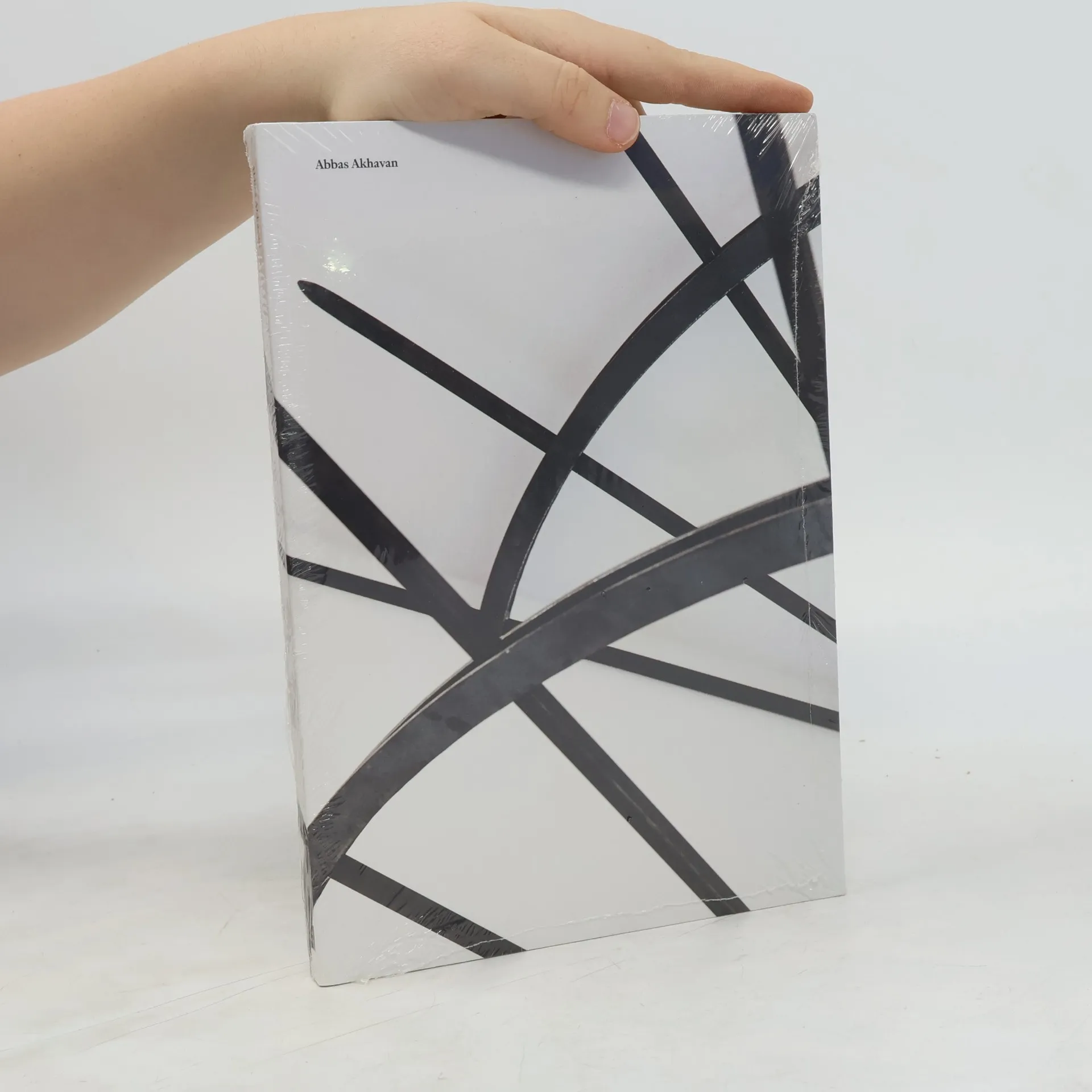
Spatial Experience versus Perception Abbas Akhavan (b. Tehran, Iran, 1977; lives and works in Toronto) can be counted among a generation of emerging Canadian artists reflecting on social issues through ephemeral, site-specific works. Akhavan’s works – sculptures, installations, drawings, videos, and performances – deal with destruction and exclusion, but also with acts of preservation and restoration. His conceptual objects show a creative process that is not yet complete. In his works, Akhavan refers to nature and the four elements – fire, water, earth, and air. Plants or animals become elementary design components. In the exhibition at Villa Stuck, visitors first encounter a barrier in the form of a thuja hedge, bringing the outdoors inside. Here, the artist has left conspicuous traces of preceding exhibitions: the walls are unrenovated, the air-conditioning is switched off, and previously covered windows have been uncovered. Thus, Akhavan questions the responsibilities of a museum and whether or not common strategies of preservation are actually contemporary. With a preface by Michael Buhrs and Verena Hein and contributions from Burcu Dogramaci, Vassilis Oikonomopoulos, Amy Zion, as well as a discussion between Abbas Akhavan and Verena Hein.
Buchkauf
Abbas Akhavan, Seyed Abbas Akhavan, Michael Buhrs
- Sprache
- Erscheinungsdatum
- 2017
- Einband
- (Paperback),
- Buchzustand
- Gebraucht - Sehr gut
- Preis
- € 6,49
Keiner hat bisher bewertet.
- Titel
- Abbas Akhavan
- Untertitel
- Villa Stuck
- Autor*innen
- Seyed Abbas Akhavan, Michael Buhrs
- Verlag
- DISTANZ Verlag GmbH
- Erscheinungsdatum
- 2017
- Einband
- Paperback
- Seitenzahl
- 128
- ISBN10
- 3954762064
- ISBN13
- 9783954762064
- Reihe
- Schlagwörter
- Bildende Kunst, Kunst, Ausstellungskataloge, Bildhauerkunst, Studien, Elemente
- Beschreibung
- Spatial Experience versus Perception Abbas Akhavan (b. Tehran, Iran, 1977; lives and works in Toronto) can be counted among a generation of emerging Canadian artists reflecting on social issues through ephemeral, site-specific works. Akhavan’s works – sculptures, installations, drawings, videos, and performances – deal with destruction and exclusion, but also with acts of preservation and restoration. His conceptual objects show a creative process that is not yet complete. In his works, Akhavan refers to nature and the four elements – fire, water, earth, and air. Plants or animals become elementary design components. In the exhibition at Villa Stuck, visitors first encounter a barrier in the form of a thuja hedge, bringing the outdoors inside. Here, the artist has left conspicuous traces of preceding exhibitions: the walls are unrenovated, the air-conditioning is switched off, and previously covered windows have been uncovered. Thus, Akhavan questions the responsibilities of a museum and whether or not common strategies of preservation are actually contemporary. With a preface by Michael Buhrs and Verena Hein and contributions from Burcu Dogramaci, Vassilis Oikonomopoulos, Amy Zion, as well as a discussion between Abbas Akhavan and Verena Hein.