

Parameter
- 1096 Seiten
- 39 Lesestunden
Mehr zum Buch
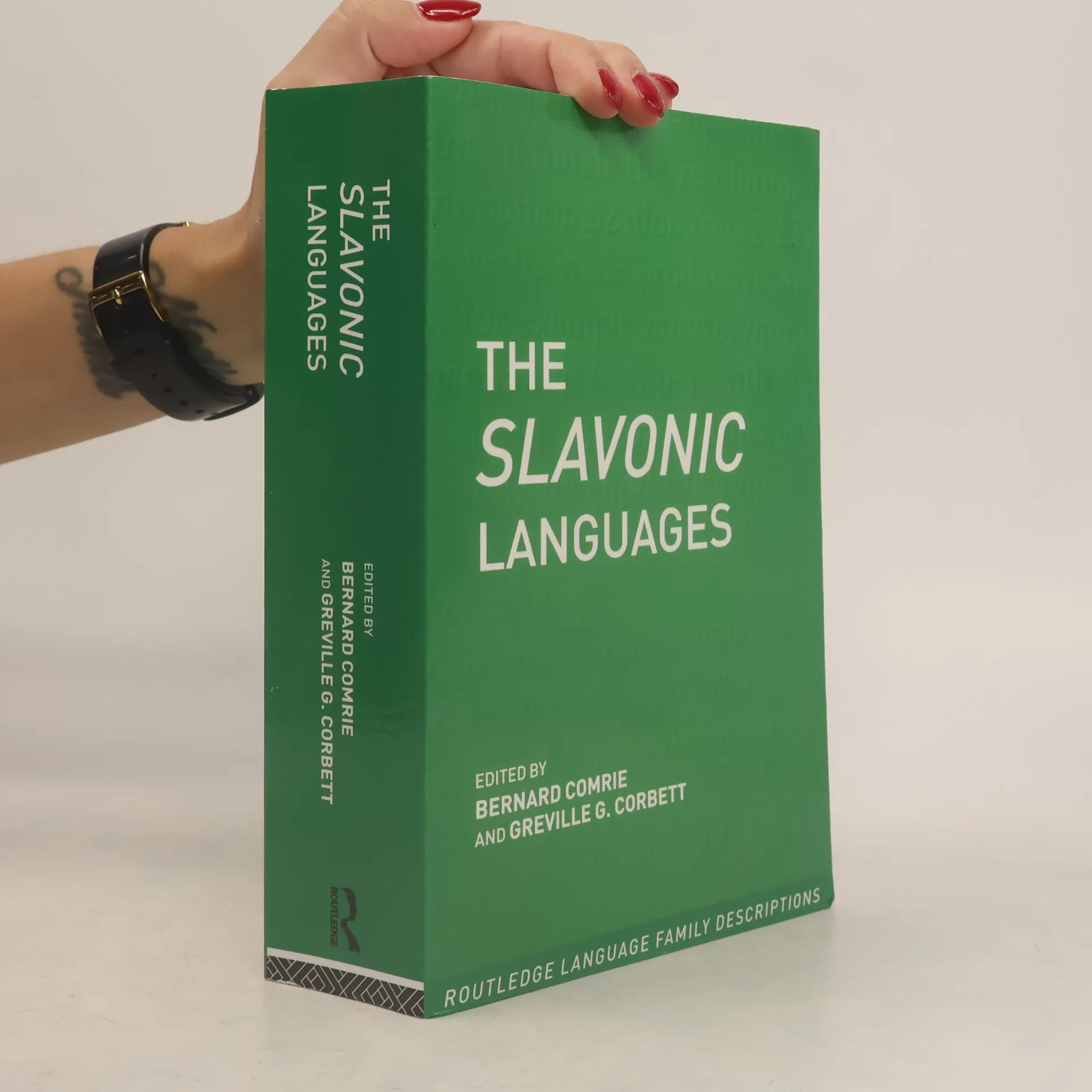
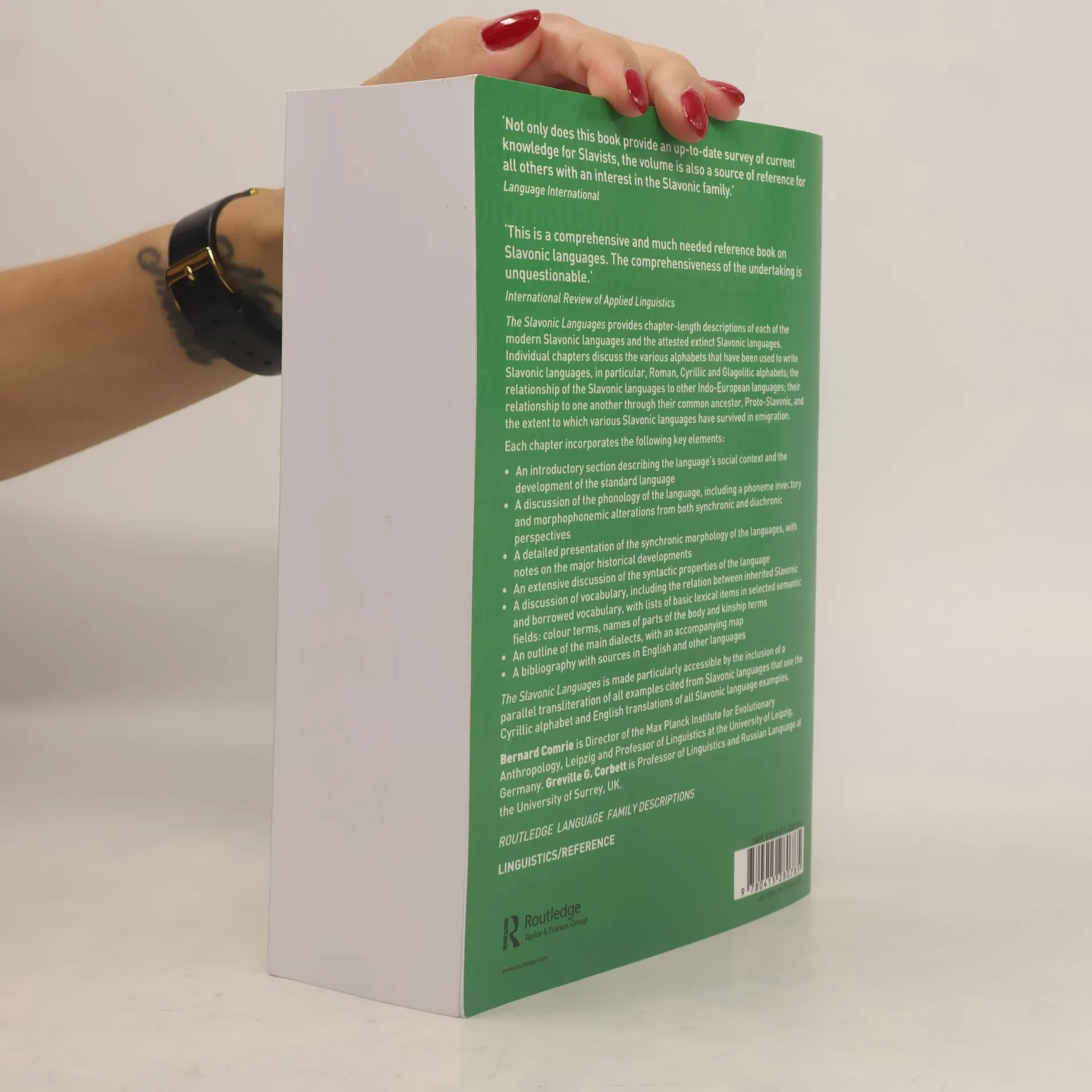
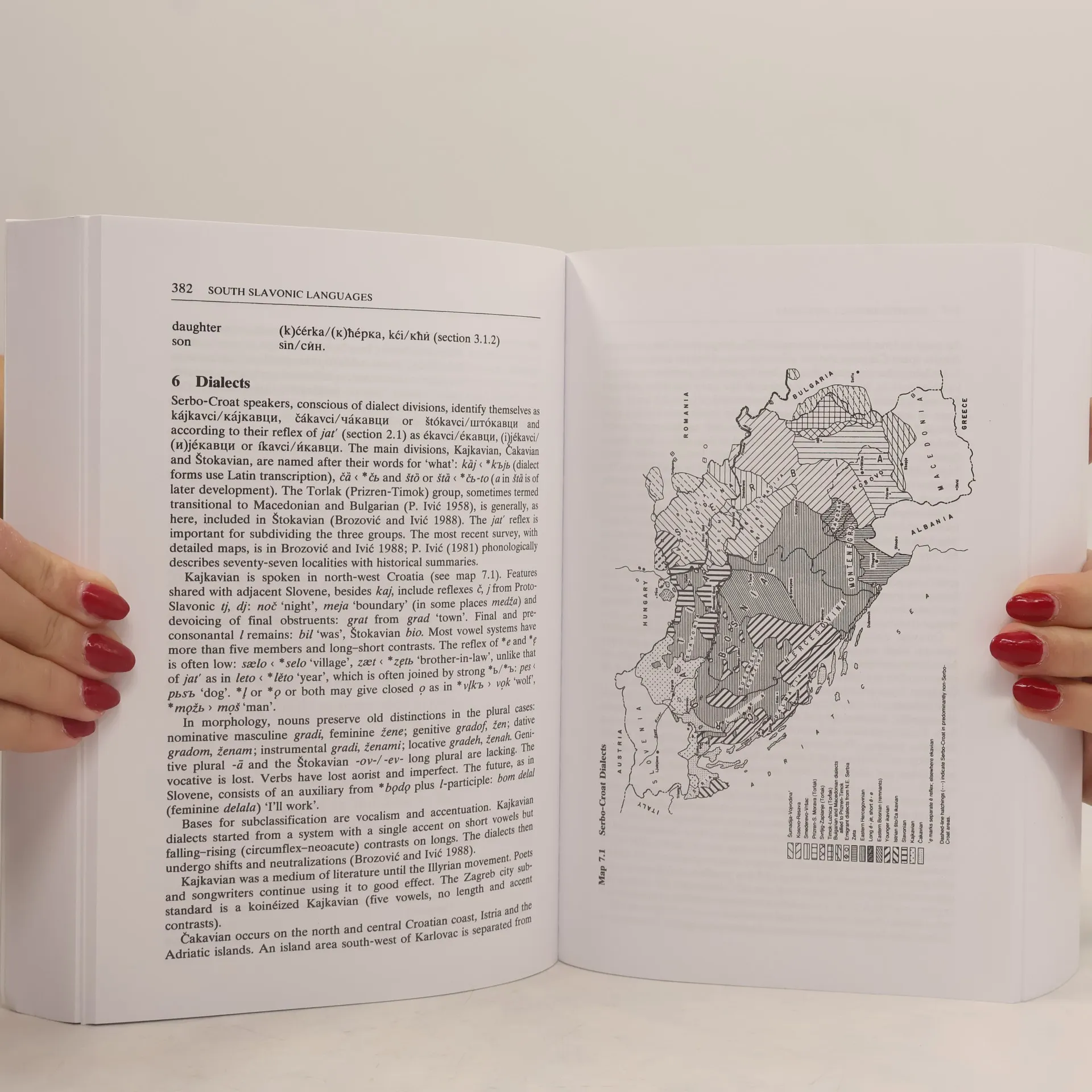
In this scholarly volume, each of the living Slavonic languages are analysed and described in depth, together with the two extinct languages - Old Church Slavonic and Polabian. In addition, the various alphabets of the Slavonic languages - particularly Roman, Cyrillic and Glagolitic - are discussed, and the relationships of the Slavonic languages to other Indo-European languages and to one another, are explored. The last chapter provides an account of those Slavonic languages in exile , for example, Russian, Ukrainian, Polish, Czech and Slovak in the USA.Each language-chapter is written by an expert in the field, in a format designed for comparative study. Information on each language an introductory description of social context and development (where appropriate); a discussion of phonology; a detailed presentation of synchronic morphology, noting major historical developments; comprehensive treatment of syntactic properties; a discussion of vocabulary; an outline of main dialects; and an extensive bibliography, listing English and other sources.
Buchkauf
Routledge Language Family Descriptions: The Slavonic Languages, Bernard Comrie, Greville G. Corbett
- Sprache

- Erscheinungsdatum
- 2002
- Einband
- (Paperback)
Keiner hat bisher bewertet.
- Titel
- Routledge Language Family Descriptions: The Slavonic Languages
- Sprache
- Englisch
- Autor*innen
- Bernard Comrie, Greville G. Corbett
- Verlag
- Routledge
- Erscheinungsdatum
- 2002
- Einband
- Paperback
- Seitenzahl
- 1096
- ISBN10
- 0415280788
- ISBN13
- 9780415280785
- Reihe
- Schlagwörter
- Handbücher und Anleitungen, Enzyklopädien, Sprachlehrbücher, Fachliteratur, Linguistik, Russland, Journalismus, Geisteswissenschaften, Soziolinguistik, Syntax, Satzbau, Wortstellung, Phonetik, Phonologie, Slawische Sprachen, Kirchenslawisch
- Beschreibung
- In this scholarly volume, each of the living Slavonic languages are analysed and described in depth, together with the two extinct languages - Old Church Slavonic and Polabian. In addition, the various alphabets of the Slavonic languages - particularly Roman, Cyrillic and Glagolitic - are discussed, and the relationships of the Slavonic languages to other Indo-European languages and to one another, are explored. The last chapter provides an account of those Slavonic languages in exile , for example, Russian, Ukrainian, Polish, Czech and Slovak in the USA.Each language-chapter is written by an expert in the field, in a format designed for comparative study. Information on each language an introductory description of social context and development (where appropriate); a discussion of phonology; a detailed presentation of synchronic morphology, noting major historical developments; comprehensive treatment of syntactic properties; a discussion of vocabulary; an outline of main dialects; and an extensive bibliography, listing English and other sources.