

Mehr zum Buch
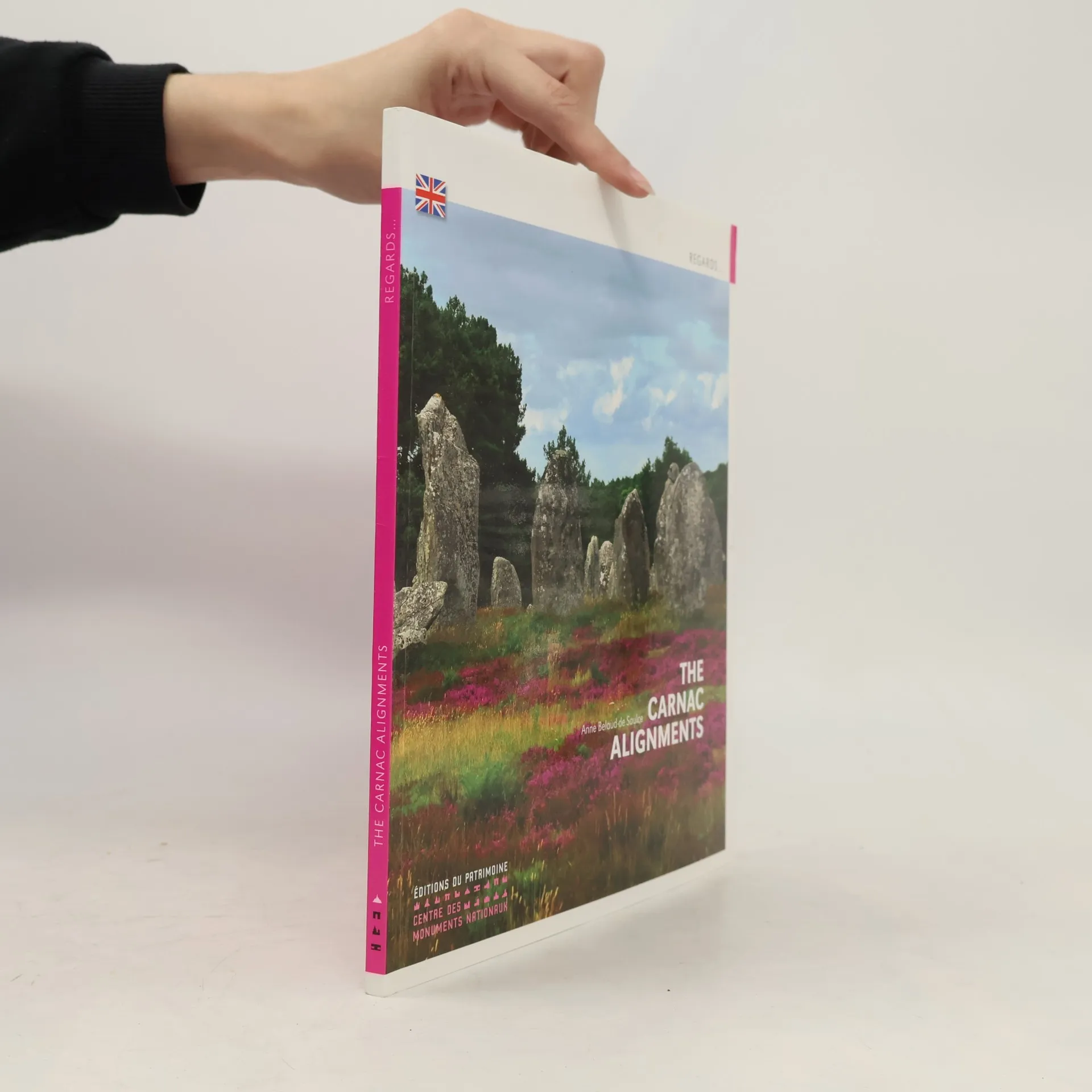
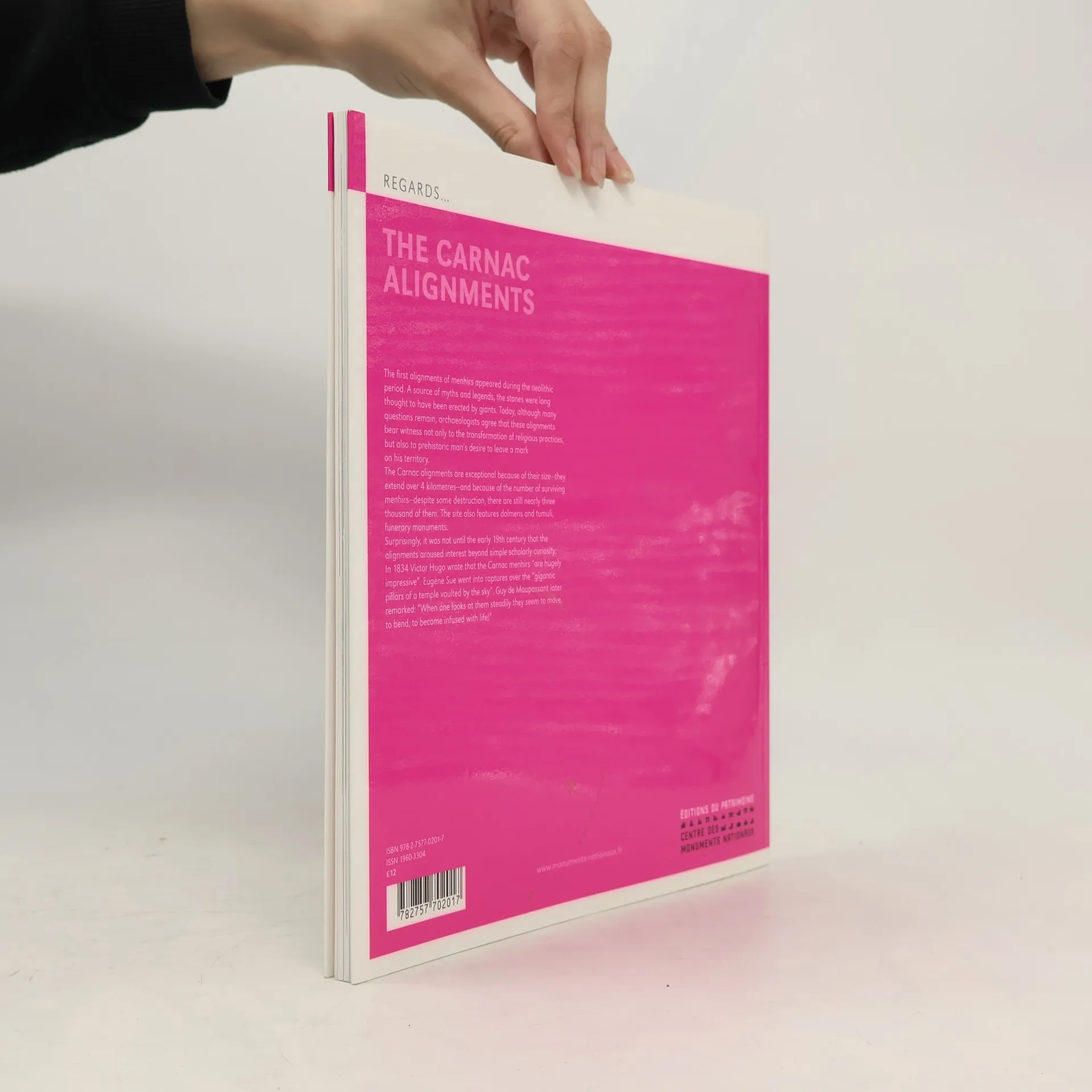
The first alignments of menhirs appeared during the neolithic period. A source of myths and legends, the stones were long thought to have been erected by giants. Today, although many questions remain, archaeologists agree that these alignments bear witness not only to the transformation of religious practices, but also to prehistoric man's desire to leave a mark on his history. The Carnac alignments are exceptional because of their size-they extend over 4 kilometres-and because of the number of surviving menhirs-desipite some destruction, there are still nearly three thousand of them. The site also features dolmens and tumuli, funerary monuments. Surprisingly, it was not until the early 19th century that the alignments aroused interest beyond simple scholarly curiosity. --taken from the back cover
Buchkauf
The Carnac Alignments, Anne Belaud-de Saulce
- Sprache

- Erscheinungsdatum
- 2012
- Einband
- (Paperback),
- Buchzustand
- Gebraucht - Sehr gut
- Preis
- € 11,39
Keiner hat bisher bewertet.
- Titel
- The Carnac Alignments
- Sprache
- Englisch
- Autor*innen
- Anne Belaud-de Saulce
- Erscheinungsdatum
- 2012
- Einband
- Paperback
- Seitenzahl
- 63
- ISBN10
- 2757702017
- ISBN13
- 9782757702017
- Reihe
- Kategorien
- Schlagwörter
- Reisen, Frankreich, Europa
- Beschreibung
- The first alignments of menhirs appeared during the neolithic period. A source of myths and legends, the stones were long thought to have been erected by giants. Today, although many questions remain, archaeologists agree that these alignments bear witness not only to the transformation of religious practices, but also to prehistoric man's desire to leave a mark on his history. The Carnac alignments are exceptional because of their size-they extend over 4 kilometres-and because of the number of surviving menhirs-desipite some destruction, there are still nearly three thousand of them. The site also features dolmens and tumuli, funerary monuments. Surprisingly, it was not until the early 19th century that the alignments aroused interest beyond simple scholarly curiosity. --taken from the back cover