

Parameter
- 344 Seiten
- 13 Lesestunden
Mehr zum Buch
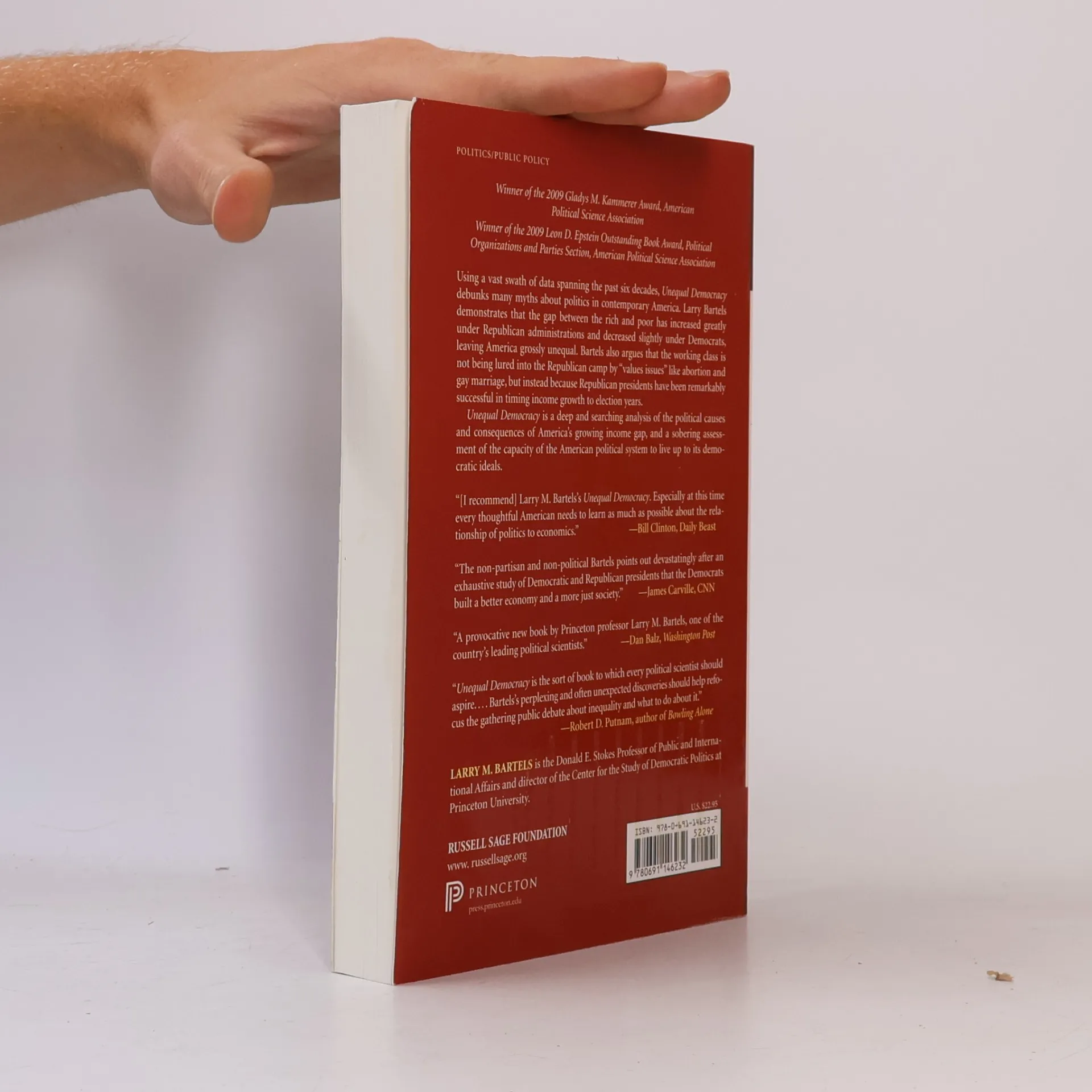
Using extensive data from the past six decades, this work debunks myths about contemporary American politics, highlighting the widening gap between the rich and poor as a lens to examine American democracy. The author reveals that income inequality has significantly increased under Republican administrations while slightly decreasing under Democrats, resulting in a grossly unequal society. This disparity is attributed not only to economic forces but also to policy choices influenced by partisan ideologies and the interests of the wealthy. Elected officials tend to prioritize the views of affluent constituents, neglecting those of poorer citizens. Notably, Republican presidents have generated less income growth for middle-class and working-poor families compared to affluent families, exacerbating inequality. The text includes case studies of pivotal policy shifts, such as the Bush tax cuts and the decline of the minimum wage, that have contributed to this inequality. It also challenges conventional beliefs about voter behavior, arguing that working-class voters are not swayed by values issues like abortion and gay marriage, but rather that Republican leaders have effectively timed income growth to appeal to short-sighted voters. This analysis provides a profound examination of the political causes and consequences of America's growing income gap, questioning the ability of the political system to uphold its democratic ideals.
Buchkauf
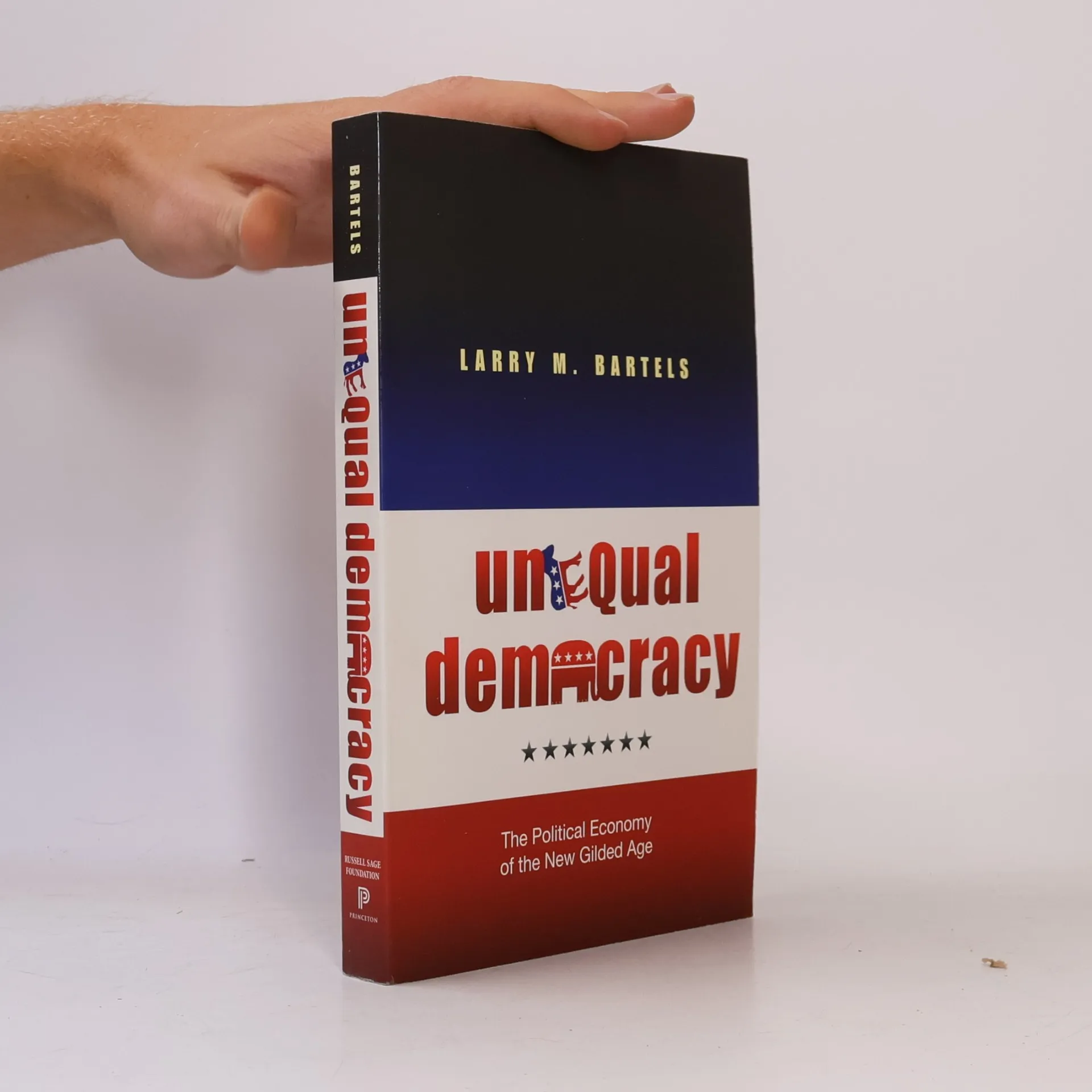
Unequal Democracy, Larry M. Bartels
- Sprache

- Erscheinungsdatum
- 2010
- Einband
- (Paperback),
- Buchzustand
- Gebraucht - Gut
- Preis
- € 5,69
Keiner hat bisher bewertet.
- Titel
- Unequal Democracy
- Untertitel
- The Political Economy of the New Gilded Age
- Sprache
- Englisch
- Autor*innen
- Larry M. Bartels
- Erscheinungsdatum
- 2010
- Einband
- Paperback
- Seitenzahl
- 344
- ISBN10
- 0691146233
- ISBN13
- 9780691146232
- Reihe
- Kategorien
- Schlagwörter
- Historisches Thema, Handel, Politik, USA, Politische Theorien, Demokratie, Politische Ökonomie, Gesellschaftsklassen, Politische Aspekte
- Beschreibung
- Using extensive data from the past six decades, this work debunks myths about contemporary American politics, highlighting the widening gap between the rich and poor as a lens to examine American democracy. The author reveals that income inequality has significantly increased under Republican administrations while slightly decreasing under Democrats, resulting in a grossly unequal society. This disparity is attributed not only to economic forces but also to policy choices influenced by partisan ideologies and the interests of the wealthy. Elected officials tend to prioritize the views of affluent constituents, neglecting those of poorer citizens. Notably, Republican presidents have generated less income growth for middle-class and working-poor families compared to affluent families, exacerbating inequality. The text includes case studies of pivotal policy shifts, such as the Bush tax cuts and the decline of the minimum wage, that have contributed to this inequality. It also challenges conventional beliefs about voter behavior, arguing that working-class voters are not swayed by values issues like abortion and gay marriage, but rather that Republican leaders have effectively timed income growth to appeal to short-sighted voters. This analysis provides a profound examination of the political causes and consequences of America's growing income gap, questioning the ability of the political system to uphold its democratic ideals.