

Parameter
- 360 Seiten
- 13 Lesestunden
Mehr zum Buch
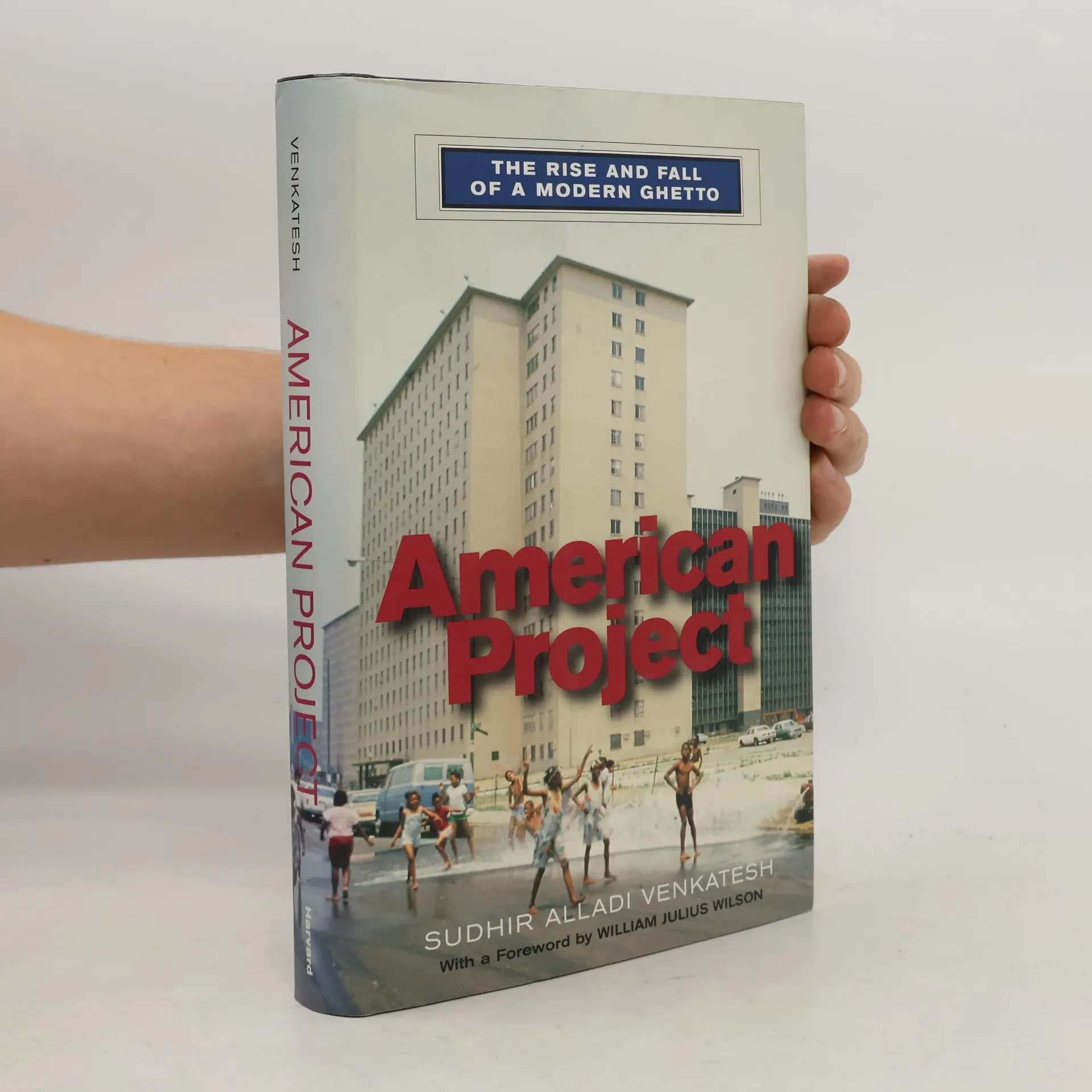
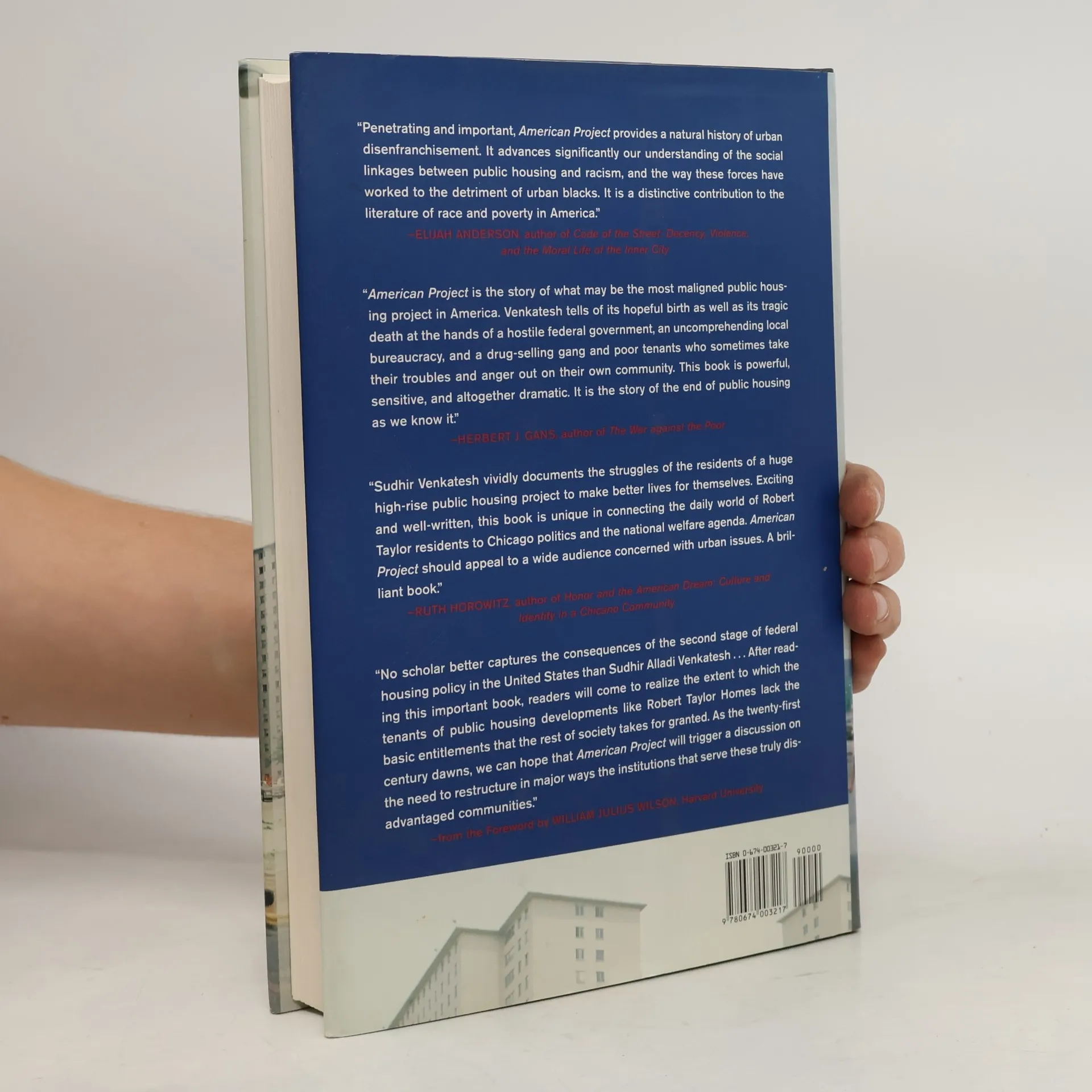
High-rise public housing developments emerged as hopeful solutions for post-World War II urban living but soon became associated with the struggles of the black urban poor, marked by isolation, overcrowding, and violence. As some of these structures are demolished, Sudhir Venkatesh reexamines public housing from within, aiming to salvage its complex legacy. Drawing on nearly a decade of fieldwork at Chicago's Robert Taylor Homes, he provides the first comprehensive account of life in a public housing complex. Through his connections with tenants, gang members, police, and local organizations, Venkatesh offers an intimate portrait of a community often viewed from afar. He challenges the prevailing narrative of public housing as a failure, highlighting the tenants' thirty-year fight to create a safe neighborhood. This includes their political struggles for services from an indifferent city, their daily battles against entrenched poverty, and their difficult choices regarding collaboration with street gangs that both supported and threatened their lives. The work delves into what makes a community viable, showcasing the tenants' efforts to secure a decent living environment and revealing the heart of their experiences.
Buchkauf
American Project, Sudhir Venkatesh, William Julius Wilson
- Sprache

- Erscheinungsdatum
- 2000
- Einband
- (Hardcover)
Keiner hat bisher bewertet.
- Titel
- American Project
- Untertitel
- The Rise and Fall of a Modern Ghetto
- Sprache
- Englisch
- Autor*innen
- Sudhir Venkatesh, William Julius Wilson
- Verlag
- Harvard University Press
- Erscheinungsdatum
- 2000
- Einband
- Hardcover
- Seitenzahl
- 360
- ISBN10
- 0674003217
- ISBN13
- 9780674003217
- Reihe
- Kategorien
- Schlagwörter
- Politik, USA, Gesellschaft, Rasse, Rassismus, Afroamerikanische Literatur, Urbanismus, Urbanisierung, Wohnen, Chicago, Gemeinden
- Beschreibung
- High-rise public housing developments emerged as hopeful solutions for post-World War II urban living but soon became associated with the struggles of the black urban poor, marked by isolation, overcrowding, and violence. As some of these structures are demolished, Sudhir Venkatesh reexamines public housing from within, aiming to salvage its complex legacy. Drawing on nearly a decade of fieldwork at Chicago's Robert Taylor Homes, he provides the first comprehensive account of life in a public housing complex. Through his connections with tenants, gang members, police, and local organizations, Venkatesh offers an intimate portrait of a community often viewed from afar. He challenges the prevailing narrative of public housing as a failure, highlighting the tenants' thirty-year fight to create a safe neighborhood. This includes their political struggles for services from an indifferent city, their daily battles against entrenched poverty, and their difficult choices regarding collaboration with street gangs that both supported and threatened their lives. The work delves into what makes a community viable, showcasing the tenants' efforts to secure a decent living environment and revealing the heart of their experiences.