


Mehr zum Buch
Over the past fifty years, western democracies have worked to embed the values of liberal democracy within European and international public order, with the media-state relationship at its core. This relationship, often framed by constitutional principles, celebrates the freedom to publish while imposing limits on harmful expression, reflecting the state's need for security and legitimacy alongside liberalism's advocacy for freedom. In Europe, this effort has created a market-based, liberal democratic order that significantly impacts media law and policy across member states. The book explores the economic and human rights dimensions of European media law, which is increasingly coherent yet restrictive, dismissing alternatives rooted in liberal traditions. In contrast, international media law has seen less success, with a persistent divide between trade and human rights, where liberal democratic notions of free speech hold influence but lack decisiveness. States assert their autonomy in this realm, complicating the landscape. However, the current communications revolution challenges traditional views of media and state, blurring lines between domestic and foreign media and personal communication. The book contextualizes legal and policy developments within this rapidly evolving, globalized media and communications environment.
Buchkauf
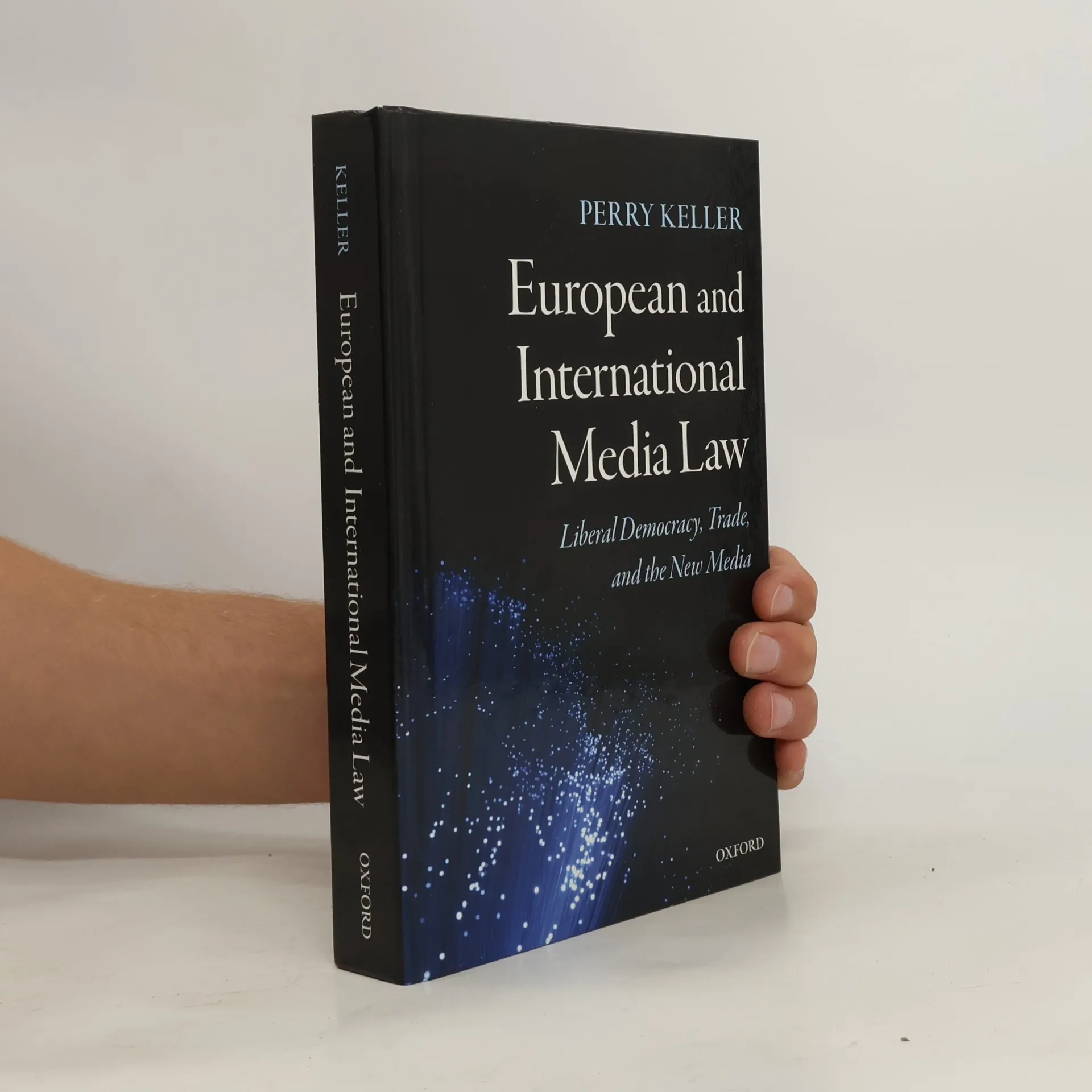
European and International Media Law, Perry Keller
- Sprache

- Erscheinungsdatum
- 2011
- Einband
- (Hardcover),
- Buchzustand
- Gebraucht - Sehr gut
- Preis
- € 8,59
Keiner hat bisher bewertet.
- Titel
- European and International Media Law
- Untertitel
- Liberal Democracy, Trade and the New Media
- Sprache
- Englisch
- Autor*innen
- Perry Keller
- Verlag
- Oxford University Press
- Erscheinungsdatum
- 2011
- Einband
- Hardcover
- Seitenzahl
- 532
- ISBN10
- 0198268556
- ISBN13
- 9780198268550
- Reihe
- Schlagwörter
- Rechtsthematik, Politische Theorien, Menschenrechte, Unterhaltsam, Internationales Recht, Massenmedien
- Beschreibung
- Over the past fifty years, western democracies have worked to embed the values of liberal democracy within European and international public order, with the media-state relationship at its core. This relationship, often framed by constitutional principles, celebrates the freedom to publish while imposing limits on harmful expression, reflecting the state's need for security and legitimacy alongside liberalism's advocacy for freedom. In Europe, this effort has created a market-based, liberal democratic order that significantly impacts media law and policy across member states. The book explores the economic and human rights dimensions of European media law, which is increasingly coherent yet restrictive, dismissing alternatives rooted in liberal traditions. In contrast, international media law has seen less success, with a persistent divide between trade and human rights, where liberal democratic notions of free speech hold influence but lack decisiveness. States assert their autonomy in this realm, complicating the landscape. However, the current communications revolution challenges traditional views of media and state, blurring lines between domestic and foreign media and personal communication. The book contextualizes legal and policy developments within this rapidly evolving, globalized media and communications environment.