

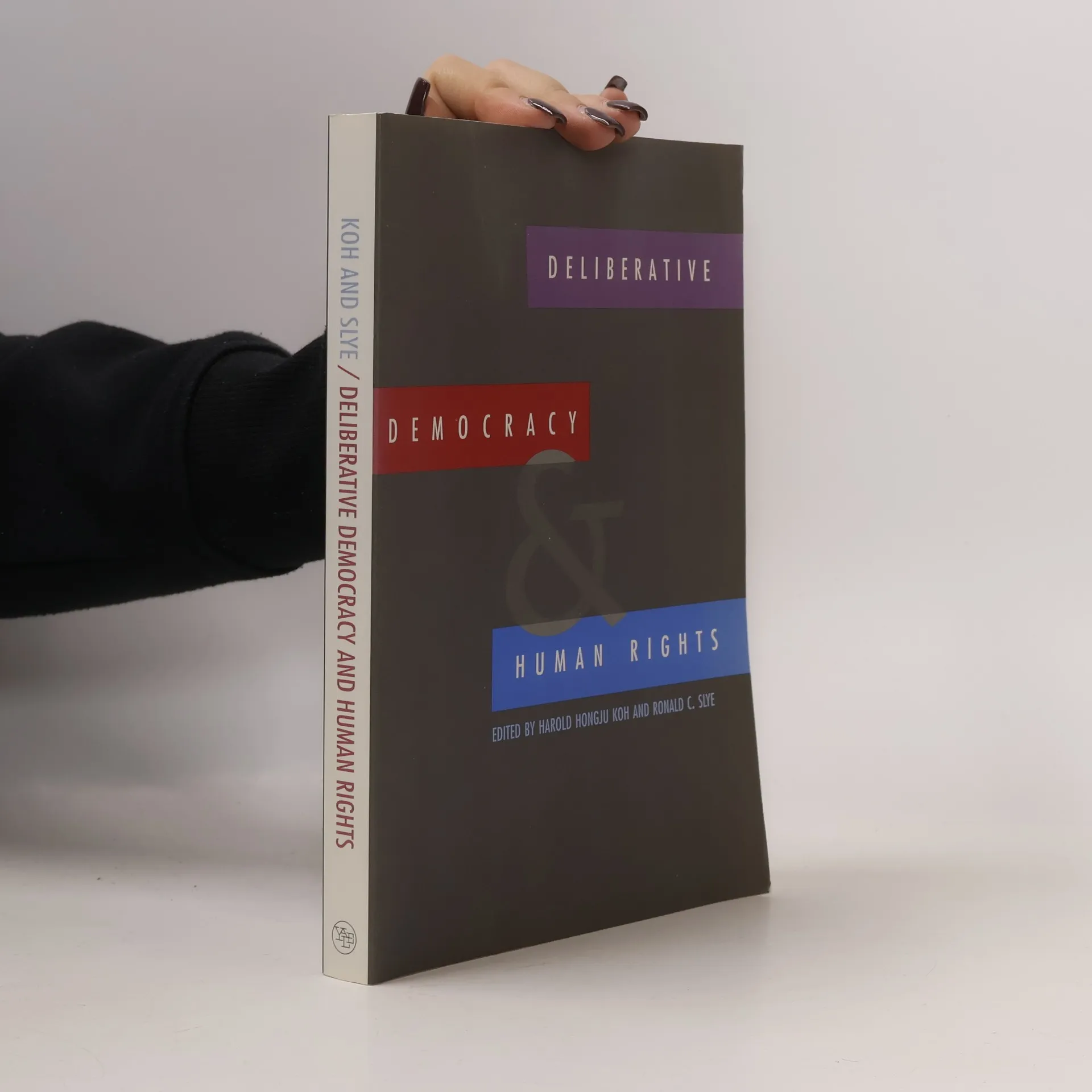

Deliberative Democracy and Human Rights
Autor*innen
Parameter
- 328 Seiten
- 12 Lesestunden
Mehr zum Buch
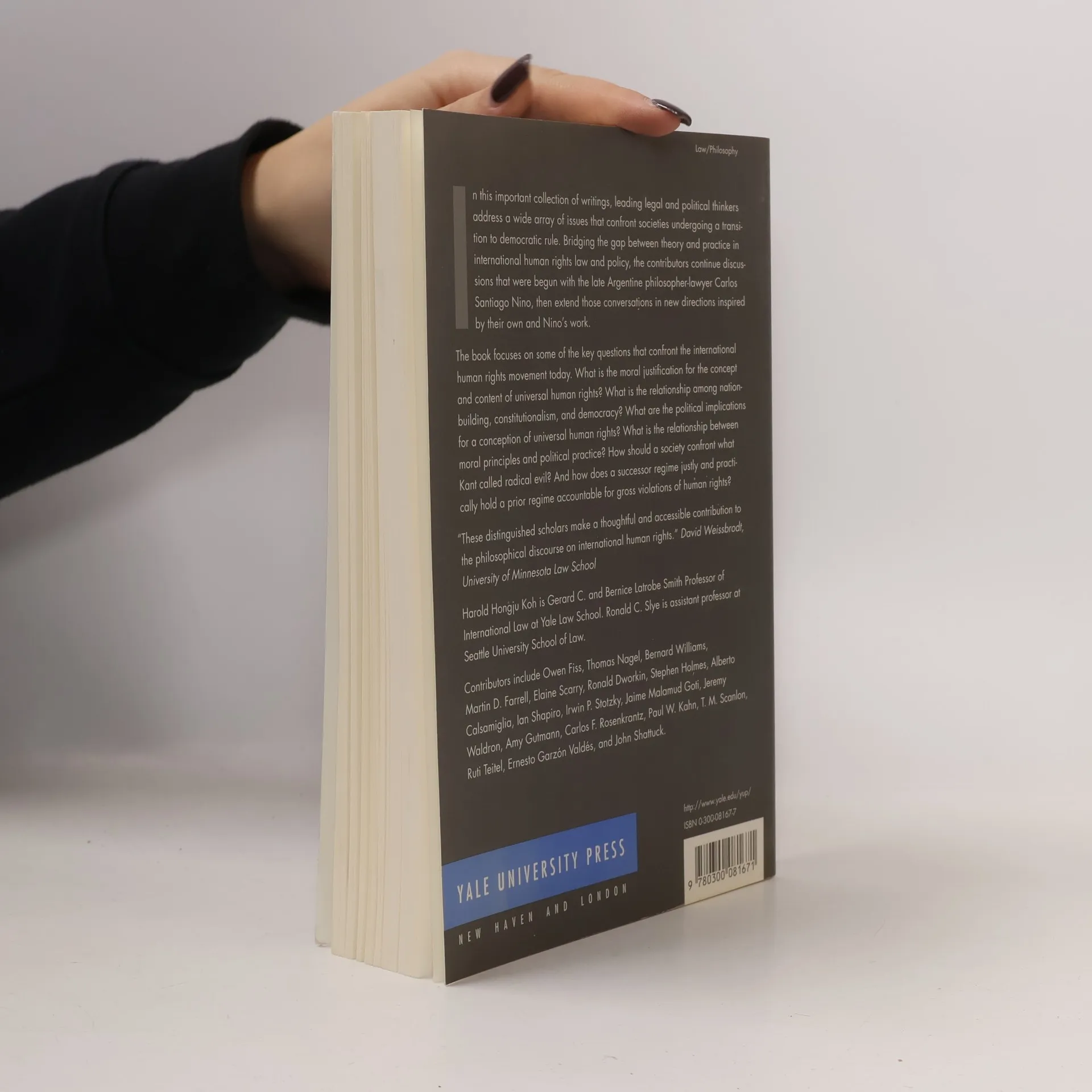
In this important collection of writings, leading legal and political thinkers address a wide array of issues that confront societies undergoing a transition to democratic rule. Bridging the gap between theory and practice in international human rights law and policy, the contributors continue discussions that were begun with the late Argentine philosopher-lawyer Carlos Santiago Nino, then extend those conversations in new directions inspired by their own and Nino’s work.The book focuses on some of the key questions that confront the international human rights movement today. What is the moral justification for the concept and content of universal human rights? What is the relationship among nation-building, constitutionalism, and democracy? What are the political implications for a conception of universal human rights? What is the relationship between moral principles and political practice? How should a society confront what Kant called radical evil? And how does a successor regime justly and practically hold a prior regime accountable for gross violations of human rights?
Buchkauf
Deliberative Democracy and Human Rights, Ronald C. Slye, Harold Hongju Koh
- Sprache

- Erscheinungsdatum
- 1999
- Einband
- (Paperback),
- Buchzustand
- Gebraucht - Gut
- Preis
- € 5,69
Keiner hat bisher bewertet.
- Titel
- Deliberative Democracy and Human Rights
- Sprache
- Englisch
- Autor*innen
- Ronald C. Slye, Harold Hongju Koh
- Verlag
- Yale University Press
- Erscheinungsdatum
- 1999
- Einband
- Paperback
- Seitenzahl
- 328
- ISBN10
- 0300081677
- ISBN13
- 9780300081671
- Reihe
- Kategorien
- Schlagwörter
- Rechtsthematik, USA, Fachliteratur, Demokratie, Menschenrechte
- Beschreibung
- In this important collection of writings, leading legal and political thinkers address a wide array of issues that confront societies undergoing a transition to democratic rule. Bridging the gap between theory and practice in international human rights law and policy, the contributors continue discussions that were begun with the late Argentine philosopher-lawyer Carlos Santiago Nino, then extend those conversations in new directions inspired by their own and Nino’s work.The book focuses on some of the key questions that confront the international human rights movement today. What is the moral justification for the concept and content of universal human rights? What is the relationship among nation-building, constitutionalism, and democracy? What are the political implications for a conception of universal human rights? What is the relationship between moral principles and political practice? How should a society confront what Kant called radical evil? And how does a successor regime justly and practically hold a prior regime accountable for gross violations of human rights?