

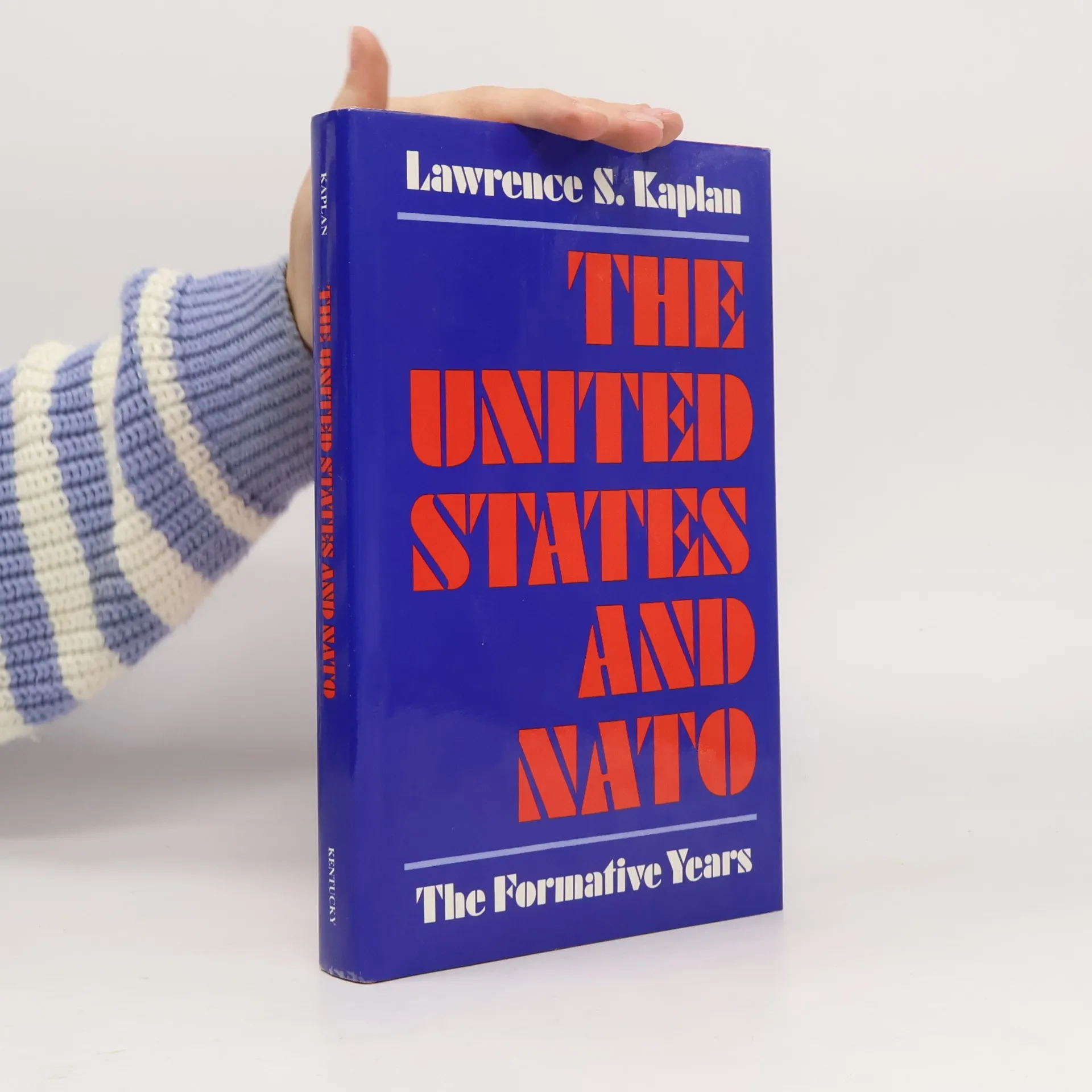


The United States and NATO
The Formative Years
Autor*innen
Mehr zum Buch
The creation of NATO marked a significant achievement in American diplomacy against the Soviet threat during the early Cold War. This work explores the shift from a 150-year nonalignment policy by the U.S. and how the treaty's goals were realized. Restoring Europe’s strength and stability post-World War II was crucial for both America and its allies, yet the methods to achieve this were unclear. European leaders faced the challenge of securing vital American economic and military support while maintaining political independence. Conversely, U.S. policymakers viewed a degree of American control as essential. The negotiations of 1947 and 1948 focused on reconciling these conflicting perspectives. The Truman administration grappled with the complexities of crafting a treaty acceptable to allies and gaining approval from Congress and the public, many of whom viewed such an "entangling alliance" as a threat to American security and the United Nations' viability. The debate surrounding the treaty was intricate, with the communist invasion of South Korea playing a crucial role in its eventual approval. This study offers a timely reevaluation of the origins of an alliance that remains vital to global power dynamics and prospects for peace.
Buchkauf
The United States and NATO, Lawrence S. Kaplan
- Sprache

- Erscheinungsdatum
- 1984
- Einband
- (Hardcover),
- Buchzustand
- Gebraucht - Gut
- Preis
- € 18,49
Keiner hat bisher bewertet.
- Titel
- The United States and NATO
- Untertitel
- The Formative Years
- Sprache
- Englisch
- Autor*innen
- Lawrence S. Kaplan
- Erscheinungsdatum
- 1984
- Einband
- Hardcover
- Seitenzahl
- 276
- ISBN10
- 0813115116
- ISBN13
- 9780813115115
- Reihe
- Schlagwörter
- Technologie
- Beschreibung
- The creation of NATO marked a significant achievement in American diplomacy against the Soviet threat during the early Cold War. This work explores the shift from a 150-year nonalignment policy by the U.S. and how the treaty's goals were realized. Restoring Europe’s strength and stability post-World War II was crucial for both America and its allies, yet the methods to achieve this were unclear. European leaders faced the challenge of securing vital American economic and military support while maintaining political independence. Conversely, U.S. policymakers viewed a degree of American control as essential. The negotiations of 1947 and 1948 focused on reconciling these conflicting perspectives. The Truman administration grappled with the complexities of crafting a treaty acceptable to allies and gaining approval from Congress and the public, many of whom viewed such an "entangling alliance" as a threat to American security and the United Nations' viability. The debate surrounding the treaty was intricate, with the communist invasion of South Korea playing a crucial role in its eventual approval. This study offers a timely reevaluation of the origins of an alliance that remains vital to global power dynamics and prospects for peace.