



Mehr zum Buch
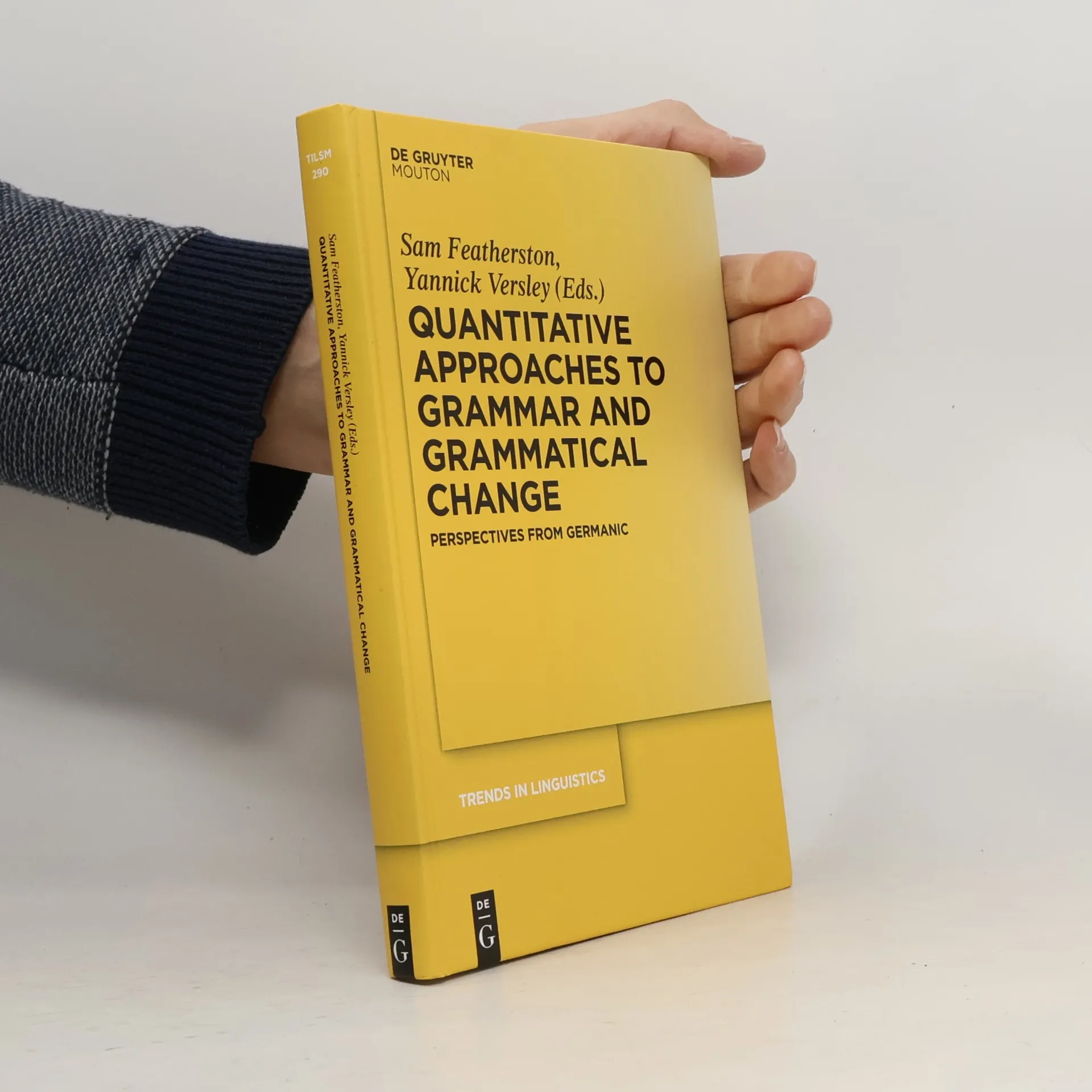
The newly-emerging field of theoretically informed but simultaneously empirically based syntax is dynamic but little-represented in the literature. This volume addresses this need. While there has previously been something of a gulf between theoretical linguists in the generative tradition and those linguists who work with quantitative data types, this gap is narrowing. In the light of the empirical revolution in the study of syntax, even people whose primary concern is grammatical theory take note of processing effects and attribute certain effects to them. Correspondingly, workers focusing on the surface evidence can relate more to the concepts of the theoreticians, because the two layers of explanation have been brought into contact. And these workers too must account for the data gathered by the theoreticians. An additional innovation is the generative analysis of historical data – this is now seen as psycholinguistic theory-relevant data like any other. These papers are thus a snapshot of some of the work currently being done in evidence-based grammar, using both experimental and historical data.
Buchkauf
Quantitative Approaches to Grammar and Grammatical Change, Sam Featherston, Yannick Versley
- Sprache

- Erscheinungsdatum
- 2016
- Einband
- (Hardcover),
- Buchzustand
- Gebraucht - Sehr gut
- Preis
- € 94,39
Keiner hat bisher bewertet.
- Titel
- Quantitative Approaches to Grammar and Grammatical Change
- Sprache
- Englisch
- Autor*innen
- Sam Featherston, Yannick Versley
- Verlag
- De Gruyter Mouton
- Erscheinungsdatum
- 2016
- Einband
- Hardcover
- Seitenzahl
- 240
- ISBN10
- 3110401754
- ISBN13
- 9783110401752
- Reihe
- Kategorien
- Schlagwörter
- Sprachbücher & -lexika, Sammelwerke, Anthologien, Linguistik, Gesammelte Werke, Grammatik, Semantik
- Beschreibung
- The newly-emerging field of theoretically informed but simultaneously empirically based syntax is dynamic but little-represented in the literature. This volume addresses this need. While there has previously been something of a gulf between theoretical linguists in the generative tradition and those linguists who work with quantitative data types, this gap is narrowing. In the light of the empirical revolution in the study of syntax, even people whose primary concern is grammatical theory take note of processing effects and attribute certain effects to them. Correspondingly, workers focusing on the surface evidence can relate more to the concepts of the theoreticians, because the two layers of explanation have been brought into contact. And these workers too must account for the data gathered by the theoreticians. An additional innovation is the generative analysis of historical data – this is now seen as psycholinguistic theory-relevant data like any other. These papers are thus a snapshot of some of the work currently being done in evidence-based grammar, using both experimental and historical data.