

Mehr zum Buch
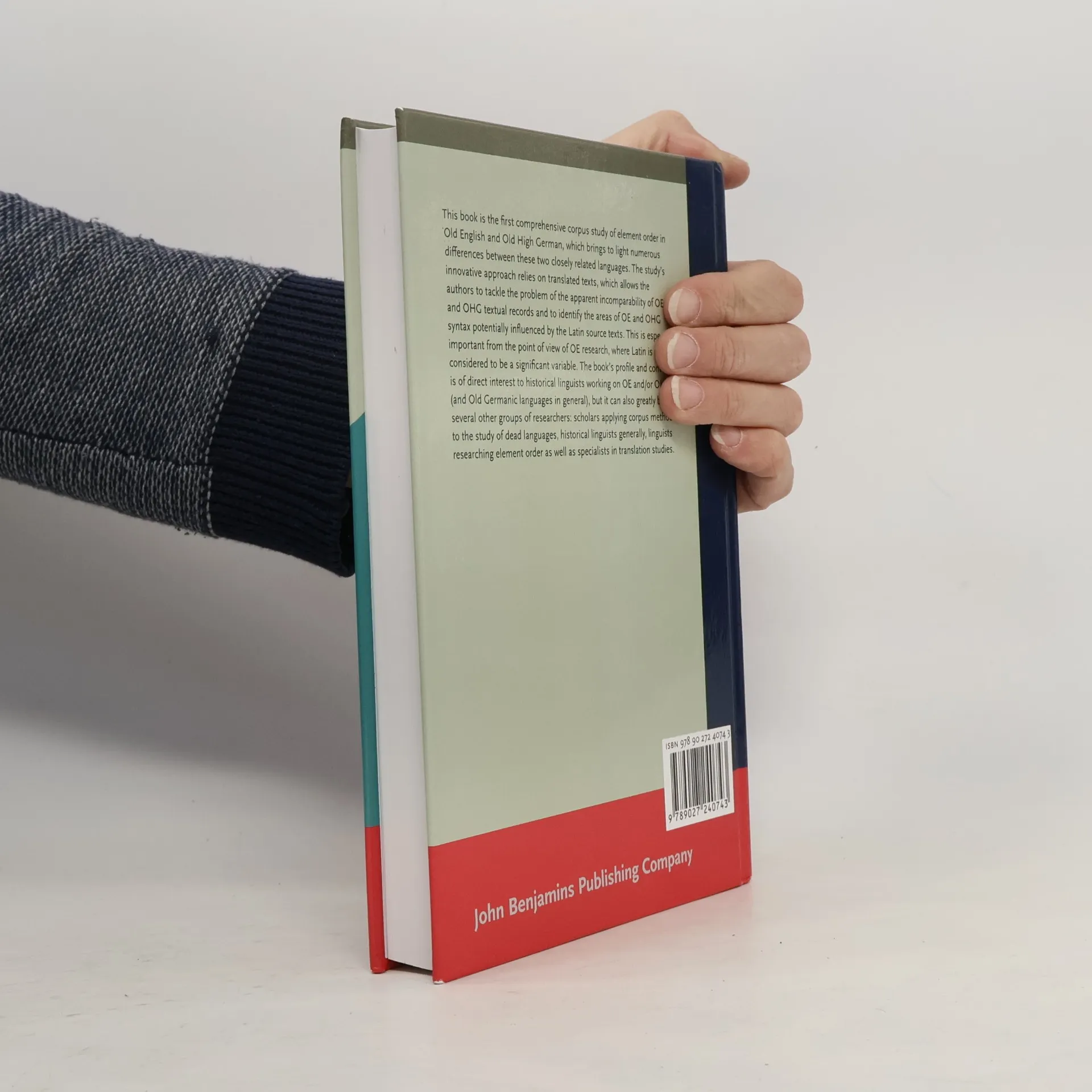
This book is the first comprehensive corpus study of element order in Old English and Old High German, which brings to light numerous differences between these two closely related languages. The study’s innovative approach relies on translated texts, which allows the authors to tackle the problem of the apparent incomparability of OE and OHG textual records and to identify the areas of OE and OHG syntax potentially influenced by the Latin source texts. This is especially important from the point of view of OE research, where Latin is rarely considered to be a significant variable. The book’s profile and content is of direct interest to historical linguists working on OE and/or OHG (and Old Germanic languages in general), but it can also greatly benefit several other groups of scholars applying corpus methods to the study of dead languages, historical linguists generally, linguists researching element order as well as specialists in translation studies.
Buchkauf
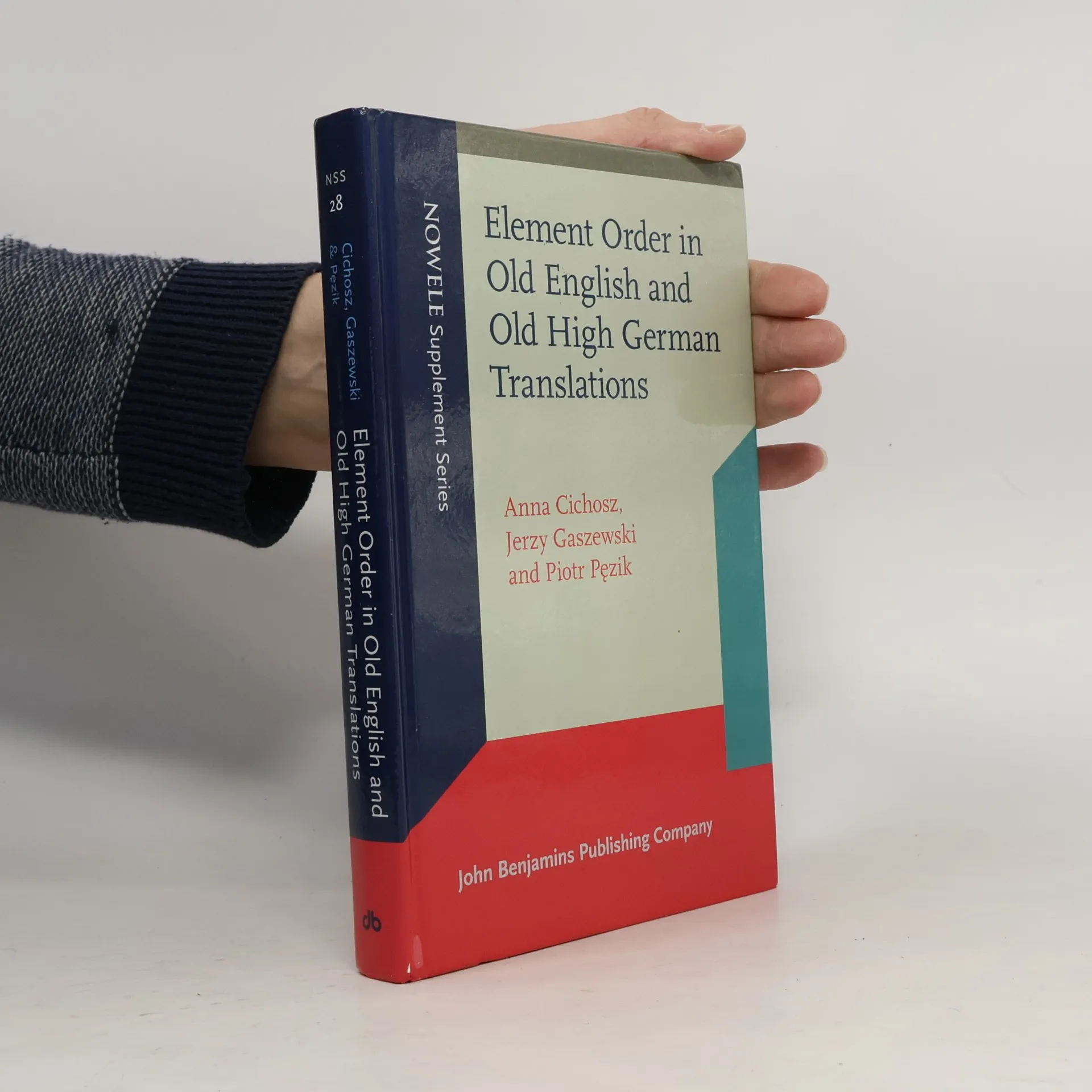
NOWELE Supplement Series - 28: Element Order in Old English and Old High German Translations, Anna Cichosz, Jerzy Gaszewski, Piotr Pęzik
- Sprache

- Erscheinungsdatum
- 2016
- Einband
- (Hardcover),
- Buchzustand
- Beschädigt
- Preis
- € 77,99
Keiner hat bisher bewertet.
- Titel
- NOWELE Supplement Series - 28: Element Order in Old English and Old High German Translations
- Sprache
- Englisch
- Autor*innen
- Anna Cichosz, Jerzy Gaszewski, Piotr Pęzik
- Erscheinungsdatum
- 2016
- Einband
- Hardcover
- Seitenzahl
- 442
- ISBN10
- 9027240744
- ISBN13
- 9789027240743
- Reihe
- Schlagwörter
- Historisches Thema, Linguistik, Syntax, Satzbau, Wortstellung
- Beschreibung
- This book is the first comprehensive corpus study of element order in Old English and Old High German, which brings to light numerous differences between these two closely related languages. The study’s innovative approach relies on translated texts, which allows the authors to tackle the problem of the apparent incomparability of OE and OHG textual records and to identify the areas of OE and OHG syntax potentially influenced by the Latin source texts. This is especially important from the point of view of OE research, where Latin is rarely considered to be a significant variable. The book’s profile and content is of direct interest to historical linguists working on OE and/or OHG (and Old Germanic languages in general), but it can also greatly benefit several other groups of scholars applying corpus methods to the study of dead languages, historical linguists generally, linguists researching element order as well as specialists in translation studies.