



Mehr zum Buch
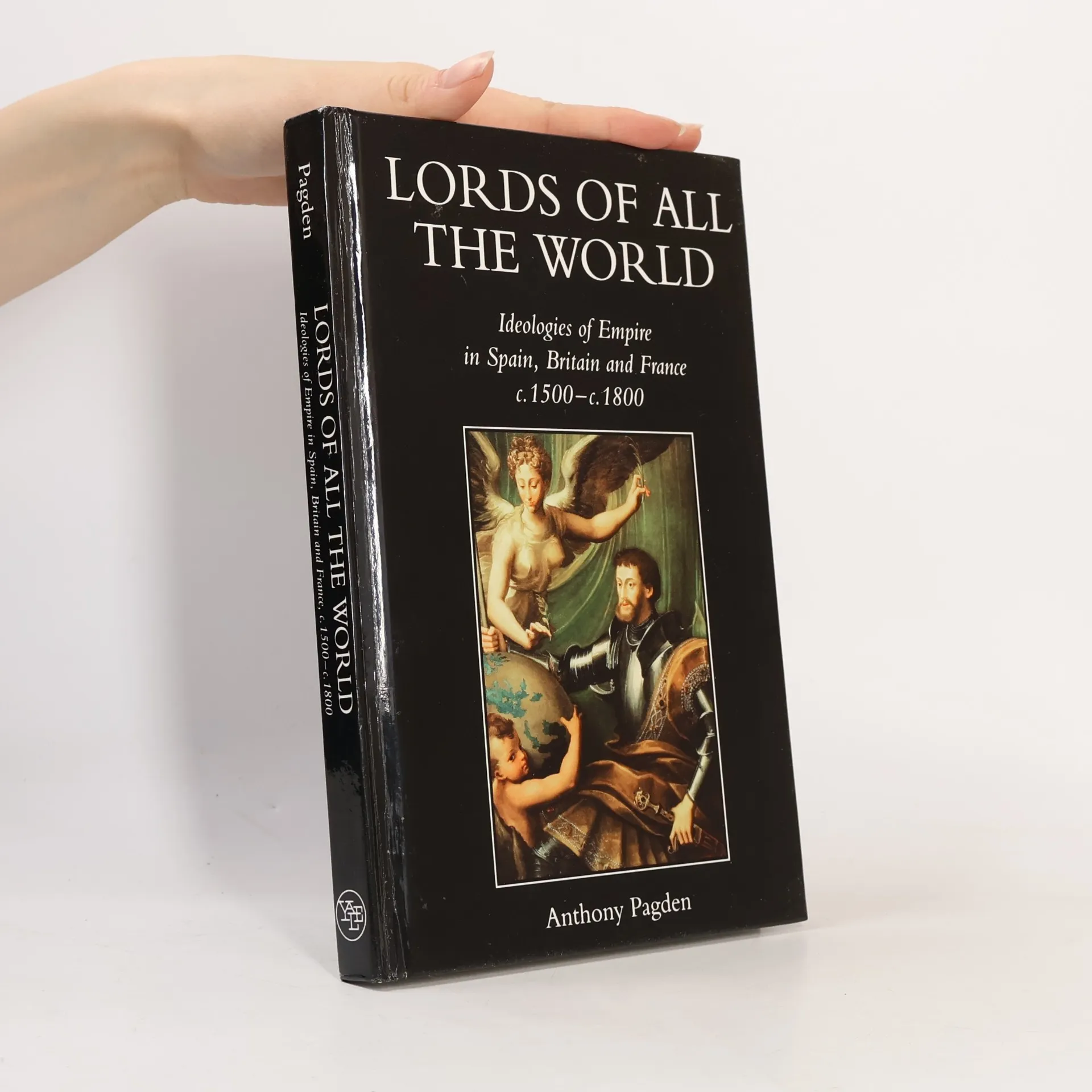
The rise and fall of modern colonial empires significantly influenced European political theory and national identity. This work uniquely compares the theories of empire that developed within the major colonial powers of Spain, Britain, and France. Anthony Pagden explores how rulers from these nations adopted the Roman Emperor Antoninus's claim of being "Lord of all the World." He examines the justifications for seizing aboriginal lands and subjugating indigenous peoples, revealing that each country cultivated distinct identities and political languages. Until the early eighteenth century, Spanish theories emphasized evangelization and military glory, while French and British perspectives increasingly focused on the economic benefits of trade and agriculture. By the late eighteenth century, influential thinkers in all three nations, along with voices from the colonies, began to view their empires as costly and morally problematic experiments in human expansion, characterized by brutality and servitude. Pagden concludes by discussing how this growing hostility toward empire evolved into a cosmopolitan ideal aimed at replacing world empires with federations of equal and independent states.
Buchkauf
Lords of All the World, Anthony Pagden
- Sprache

- Erscheinungsdatum
- 1995,
- Buchzustand
- Gebraucht - Sehr gut
- Preis
- € 12,89
Keiner hat bisher bewertet.
- Titel
- Lords of All the World
- Untertitel
- Ideologies of Empire in Spain, Britain and France c.1500-c.1800
- Sprache
- Englisch
- Autor*innen
- Anthony Pagden
- Verlag
- Yale University Press
- Erscheinungsdatum
- 1995
- Seitenzahl
- 244
- ISBN10
- 0300074492
- ISBN13
- 9780300074499
- Reihe
- Schlagwörter
- Historisches Thema, Europa, Großbritannien, Geschichte Europas, Politische Theorien, Spanien
- Beschreibung
- The rise and fall of modern colonial empires significantly influenced European political theory and national identity. This work uniquely compares the theories of empire that developed within the major colonial powers of Spain, Britain, and France. Anthony Pagden explores how rulers from these nations adopted the Roman Emperor Antoninus's claim of being "Lord of all the World." He examines the justifications for seizing aboriginal lands and subjugating indigenous peoples, revealing that each country cultivated distinct identities and political languages. Until the early eighteenth century, Spanish theories emphasized evangelization and military glory, while French and British perspectives increasingly focused on the economic benefits of trade and agriculture. By the late eighteenth century, influential thinkers in all three nations, along with voices from the colonies, began to view their empires as costly and morally problematic experiments in human expansion, characterized by brutality and servitude. Pagden concludes by discussing how this growing hostility toward empire evolved into a cosmopolitan ideal aimed at replacing world empires with federations of equal and independent states.