



Mehr zum Buch
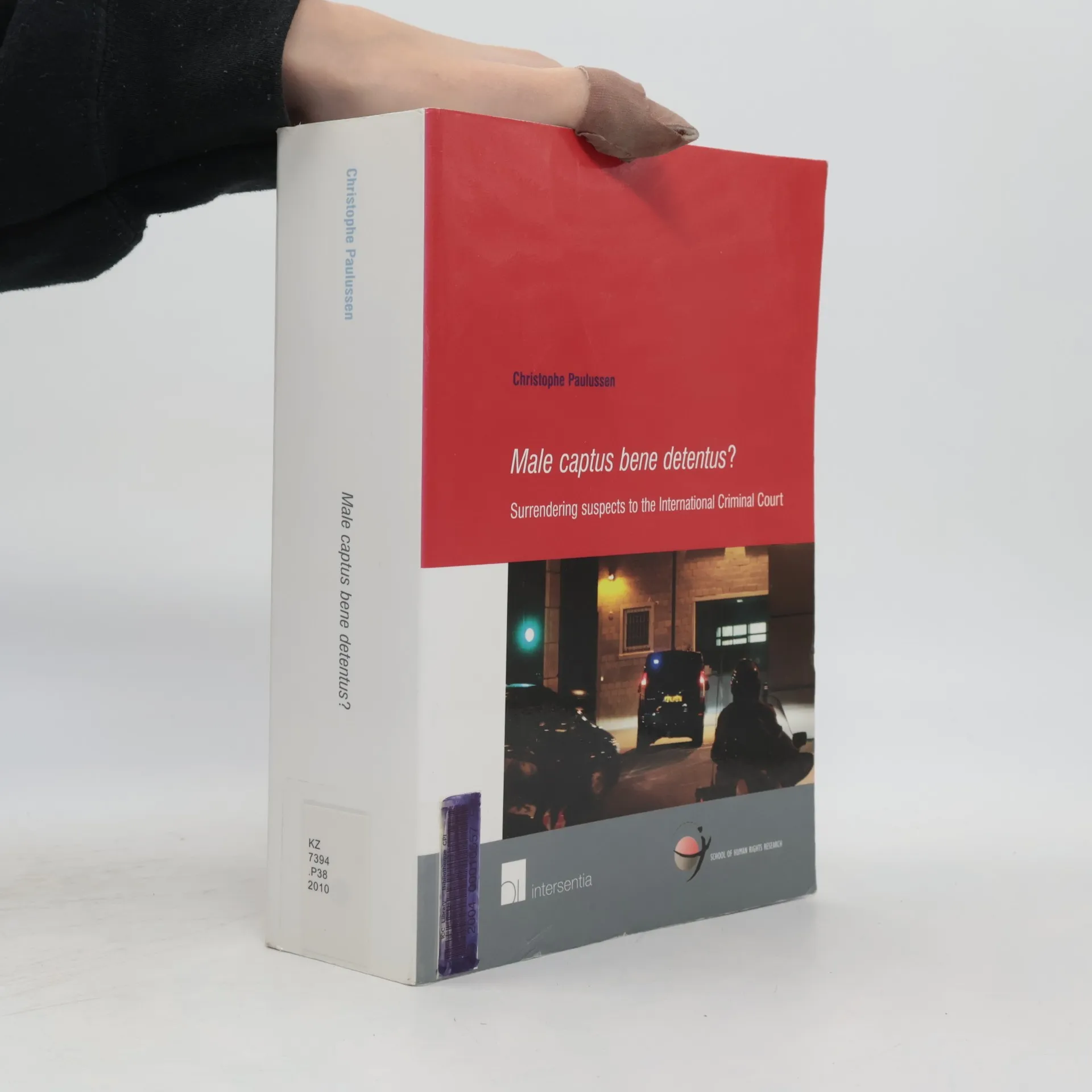
The infamous abduction of Adolf Eichmann in Argentina on May 11, 1960, as well as the recent kidnapping of suspected terrorist Abu Omar in Italy on June 17, 2003, show that the use of irregular means was and is still considered an option in apprehending suspects, especially when the interests are considered to be strong. Since the International Criminal Court (ICC) also has to deal with suspects of serious crimes, one wonders what the position of the ICC - arguably the most important institution in the field of international criminal justice - is towards suspects who claim that the way they were brought into the ICC's jurisdiction was irregular (male captus). Basically, does the ICC opt - taking into account, of course, that much will depend on the exact circumstances of the case - for effectiveness, in the sense of achieving prosecutions and convictions, and will it continue to exercise its jurisdiction, notwithstanding the male captus (male captus bene detentus)? Or is it of the opinion that values such as fairness, human rights, and the integrity of its proceedings demand that, in the case of a male captus, the exercise of jurisdiction must be refused (male captus male detentus/ex iniuria ius non oritur)? This study's central question is how the ICC currently copes with the dilemmas that a male captus case can give rise to and how this approach is to be assessed. For this purpose, the author creates two evaluative an external one to find out how similar or different the ICC's male captus position is to the position of other courts that have dealt with this problem before, and an internal one to find out how the ICC's position is to be assessed in relation to its own law. Besides answering this specific central question, the book combines two fascinating subjects which have not previously been put together in one the ICC and the much-debated male captus bene detentus maxim. Moreover, it contributes to the male captus discussion itself, to the discussion as to how ICC judges (and judges in general) can best deal with alleged irregularities in the pre-trial phase of their case, and to the discussion on how proceedings can be achieved which are considered both effective and fair.
Buchkauf
School of Human Rights Research - 41: Male captus bene detentus?, Christophe Paulussen
- Sprache

- Erscheinungsdatum
- 2010
- Einband
- (Paperback),
- Buchzustand
- Beschädigt
- Preis
- € 149,99
Keiner hat bisher bewertet.
- Titel
- School of Human Rights Research - 41: Male captus bene detentus?
- Untertitel
- Surrendering Suspects to the International Criminal Court
- Sprache
- Englisch
- Autor*innen
- Christophe Paulussen
- Verlag
- Intersentia
- Erscheinungsdatum
- 2010
- Einband
- Paperback
- Seitenzahl
- 1195
- ISBN10
- 9400001002
- ISBN13
- 9789400001008
- Reihe
- Schlagwörter
- Rechtsthematik, Strafrecht
- Beschreibung
- The infamous abduction of Adolf Eichmann in Argentina on May 11, 1960, as well as the recent kidnapping of suspected terrorist Abu Omar in Italy on June 17, 2003, show that the use of irregular means was and is still considered an option in apprehending suspects, especially when the interests are considered to be strong. Since the International Criminal Court (ICC) also has to deal with suspects of serious crimes, one wonders what the position of the ICC - arguably the most important institution in the field of international criminal justice - is towards suspects who claim that the way they were brought into the ICC's jurisdiction was irregular (male captus). Basically, does the ICC opt - taking into account, of course, that much will depend on the exact circumstances of the case - for effectiveness, in the sense of achieving prosecutions and convictions, and will it continue to exercise its jurisdiction, notwithstanding the male captus (male captus bene detentus)? Or is it of the opinion that values such as fairness, human rights, and the integrity of its proceedings demand that, in the case of a male captus, the exercise of jurisdiction must be refused (male captus male detentus/ex iniuria ius non oritur)? This study's central question is how the ICC currently copes with the dilemmas that a male captus case can give rise to and how this approach is to be assessed. For this purpose, the author creates two evaluative an external one to find out how similar or different the ICC's male captus position is to the position of other courts that have dealt with this problem before, and an internal one to find out how the ICC's position is to be assessed in relation to its own law. Besides answering this specific central question, the book combines two fascinating subjects which have not previously been put together in one the ICC and the much-debated male captus bene detentus maxim. Moreover, it contributes to the male captus discussion itself, to the discussion as to how ICC judges (and judges in general) can best deal with alleged irregularities in the pre-trial phase of their case, and to the discussion on how proceedings can be achieved which are considered both effective and fair.