

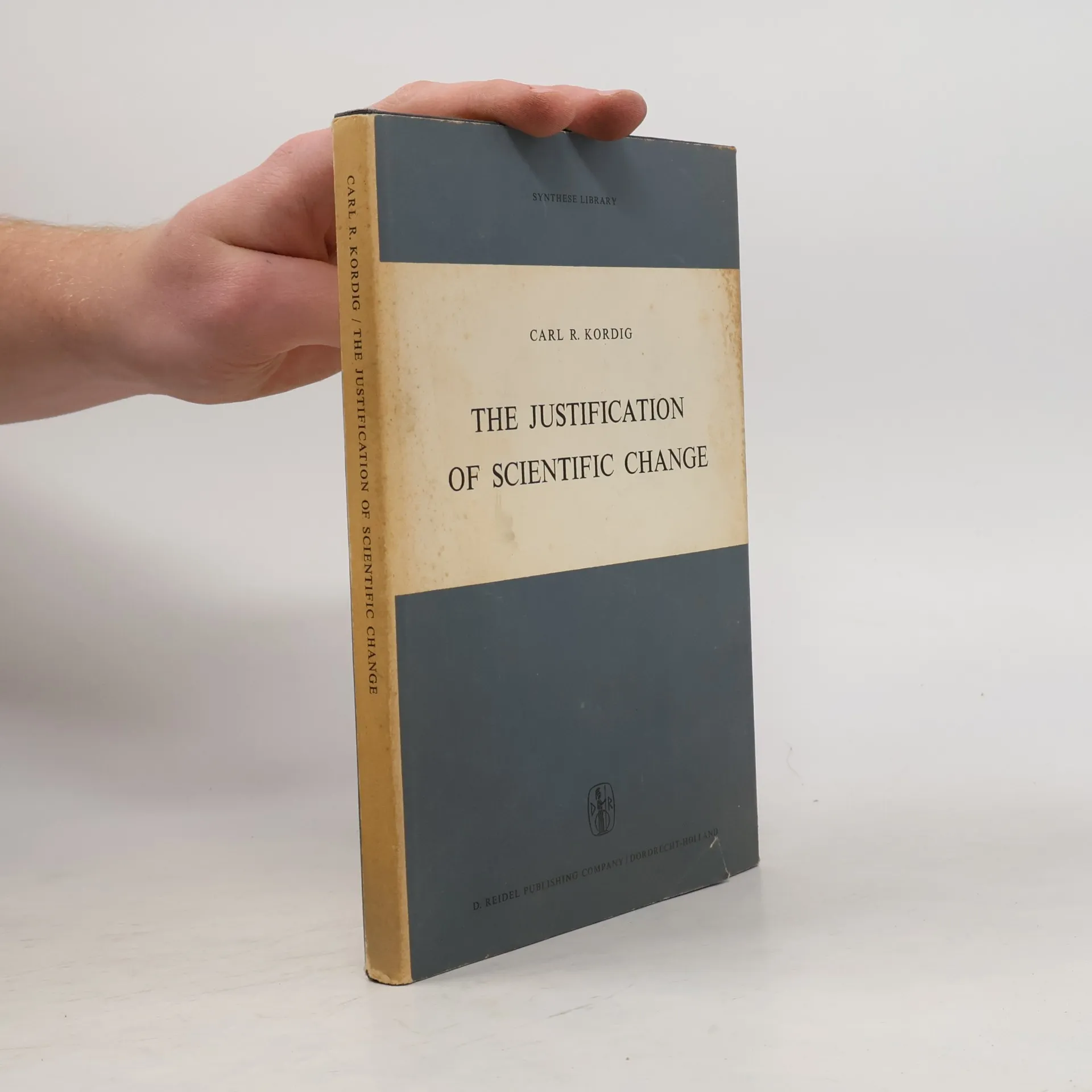
Synthese Library: The Justification of Scientific Change
Autor*innen
Mehr zum Buch
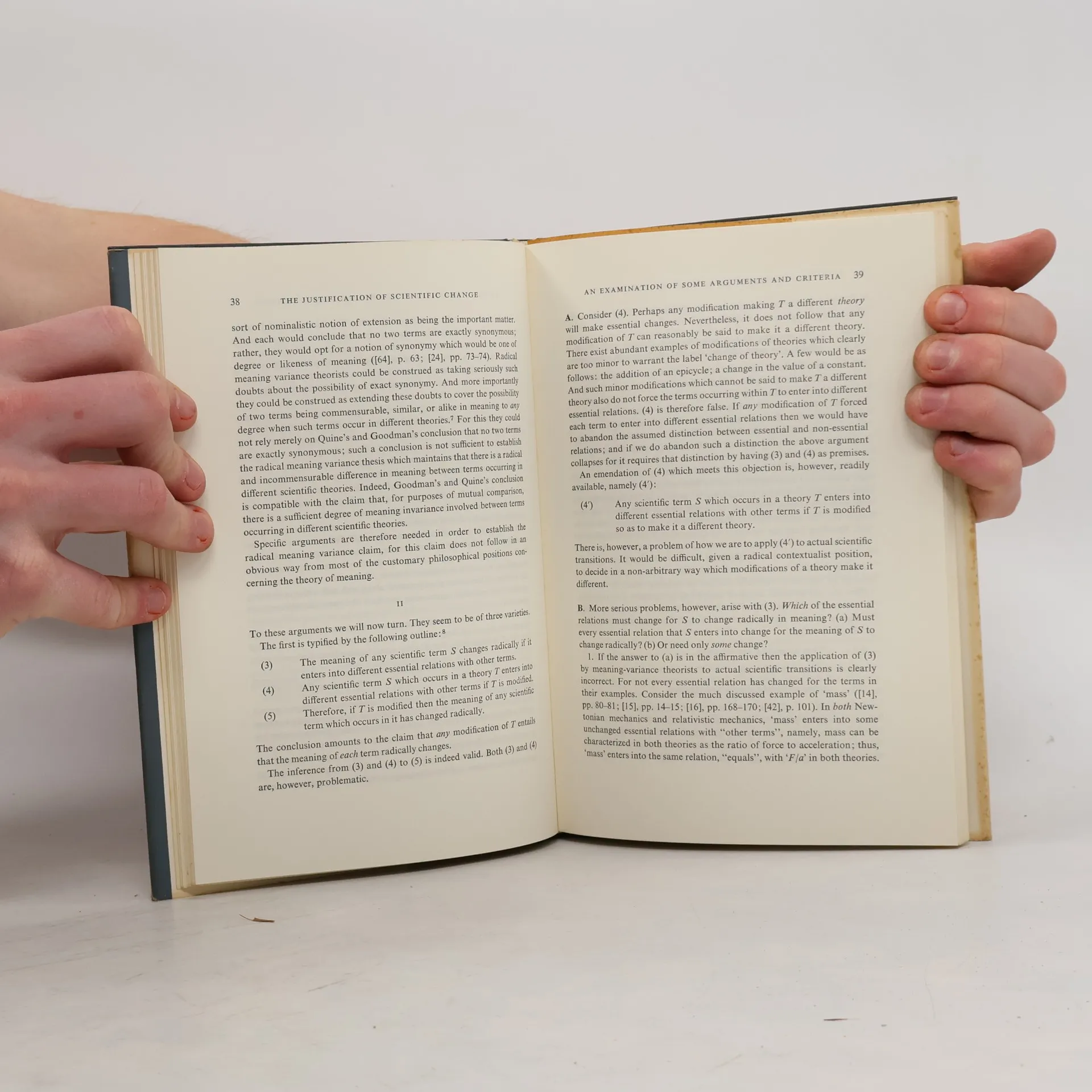
This book explores the justification of scientific change, focusing on various forms of invariance. It examines concepts of observation, meaning, and regulative standards, positioning itself against several influential contemporary views. Recent revolutionary ideas in the philosophy of science have emerged from thinkers like Feyerabend, Hanson, Kuhn, and Toulmin. While their perspectives differ, I emphasize their shared belief in pervasive presuppositions fundamental to scientific inquiry. Each argues that shifts between scientific traditions necessitate radical changes in observation, term meanings, and metastandards, advocating for total replacement rather than reduction during scientific revolutions. I contend that their arguments for radical variance in observation, meaning, and standards fail, and I find these positions both implausible and methodologically problematic. Instead, I propose an account of scientific change that retains the strengths of radical meaning variance theorists while addressing their shortcomings.
Buchkauf
Synthese Library: The Justification of Scientific Change, Carl R. Kordig
- Sprache

- Erscheinungsdatum
- 1975
- Einband
- (Hardcover),
- Buchzustand
- Beschädigt
- Preis
- € 6,89
Keiner hat bisher bewertet.
- Titel
- Synthese Library: The Justification of Scientific Change
- Sprache
- Englisch
- Autor*innen
- Carl R. Kordig
- Verlag
- Springer
- Erscheinungsdatum
- 1975
- Einband
- Hardcover
- Seitenzahl
- 136
- ISBN10
- 9027701814
- ISBN13
- 9789027701817
- Reihe
- Schlagwörter
- Wissenschaft, Technologie, Wissenschaftsphilosophie
- Beschreibung
- This book explores the justification of scientific change, focusing on various forms of invariance. It examines concepts of observation, meaning, and regulative standards, positioning itself against several influential contemporary views. Recent revolutionary ideas in the philosophy of science have emerged from thinkers like Feyerabend, Hanson, Kuhn, and Toulmin. While their perspectives differ, I emphasize their shared belief in pervasive presuppositions fundamental to scientific inquiry. Each argues that shifts between scientific traditions necessitate radical changes in observation, term meanings, and metastandards, advocating for total replacement rather than reduction during scientific revolutions. I contend that their arguments for radical variance in observation, meaning, and standards fail, and I find these positions both implausible and methodologically problematic. Instead, I propose an account of scientific change that retains the strengths of radical meaning variance theorists while addressing their shortcomings.