

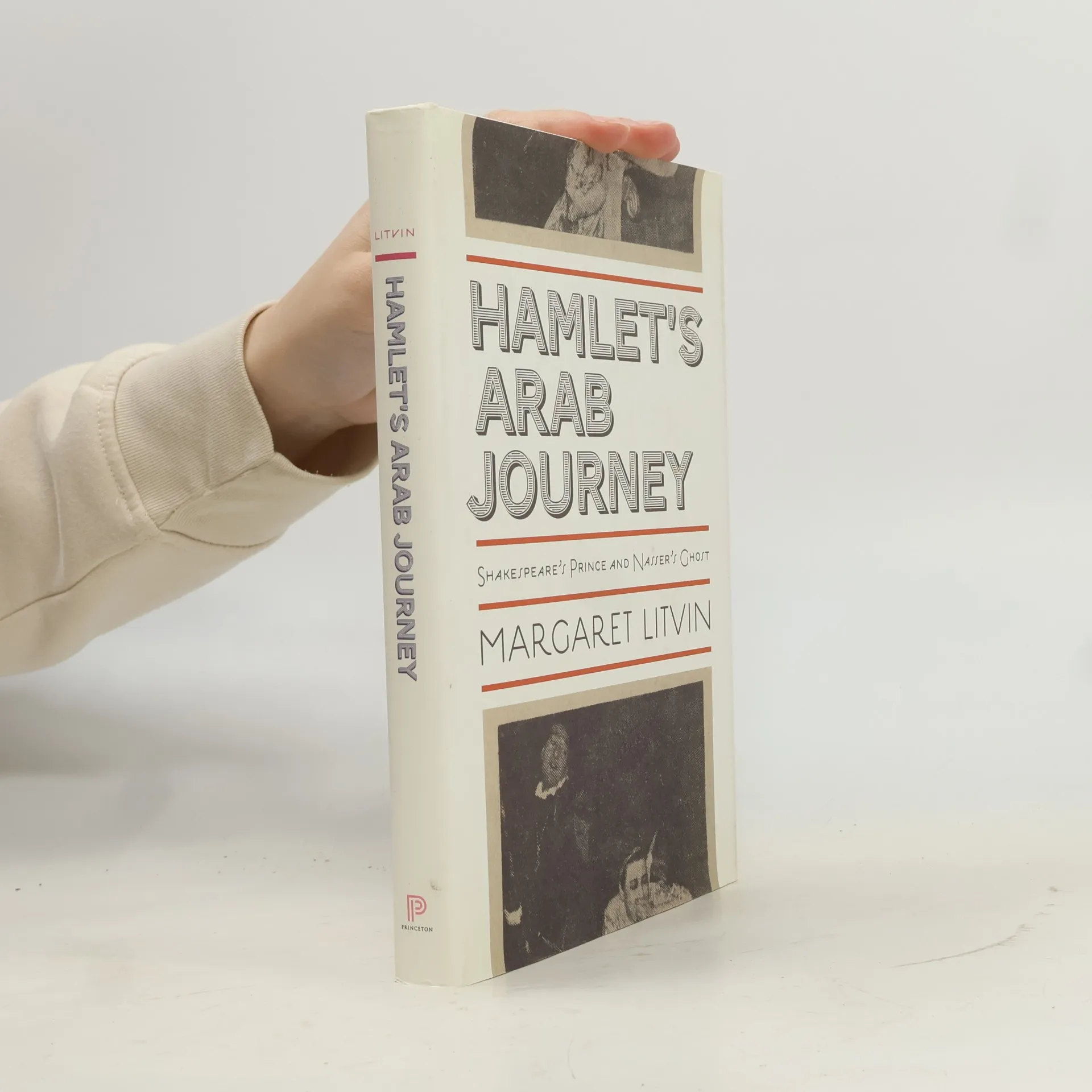

Hamlet's Arab Journey
Shakespeare's Prince and Nasser's Ghost
Autor*innen
Mehr zum Buch
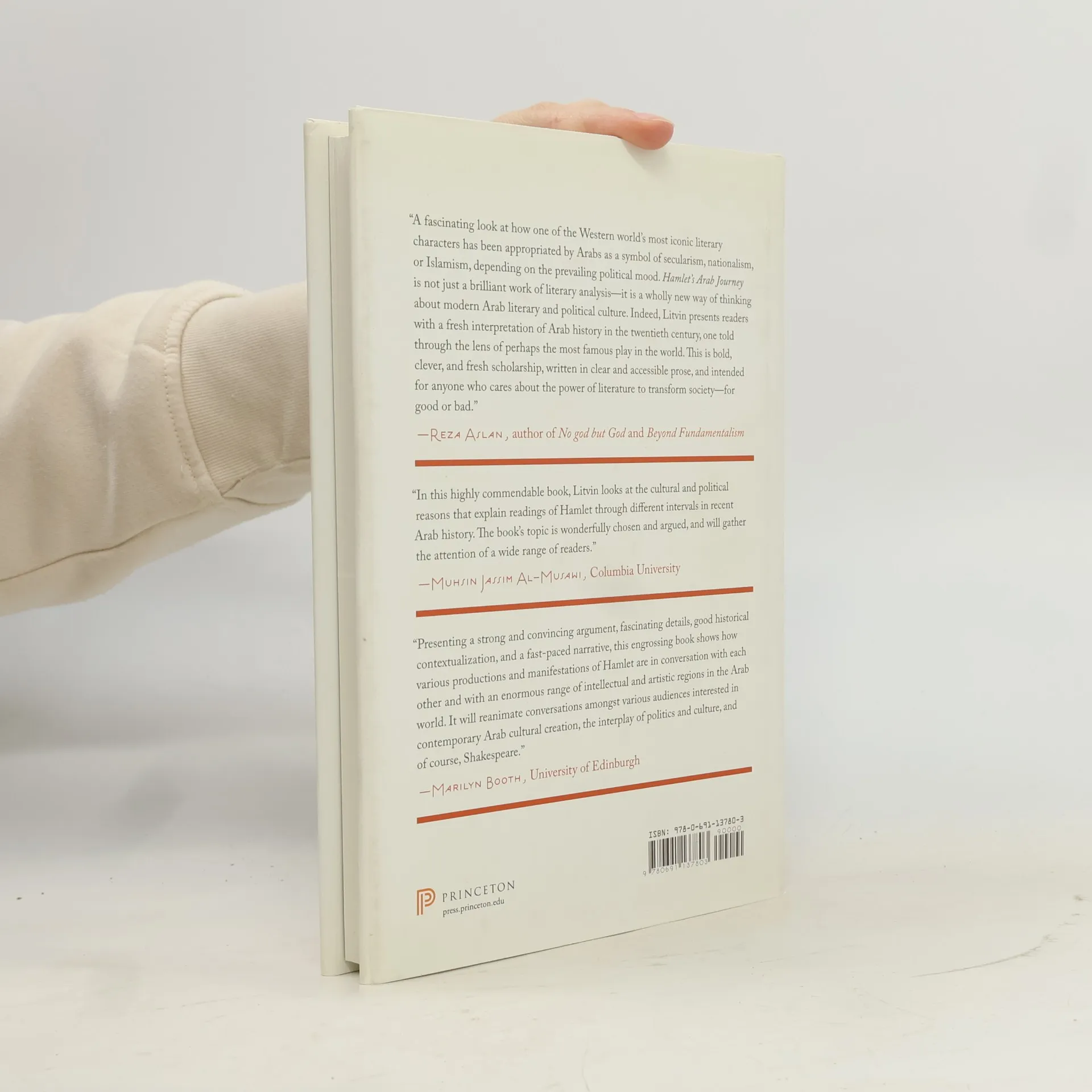
For the past five decades, Arab intellectuals have identified with Shakespeare's Hamlet, viewing their political hopes as thwarted by a corrupt older generation. This exploration traces the evolution of Hamlet in Arabic theatre and political discourse, revealing how the play transformed into a musical with a happy ending in 1901 and became a central text in Arab politics. Margaret Litvin elucidates the Arab Hamlet tradition and the "to be or not to be" politics that have made Shakespeare's tragedy a vital reference for Arab liberals, nationalists, and Islamists. On stage, Hamlet has taken on various roles, from operetta hero to revolutionary and silenced dissident. Analyzing productions across Egypt, Syria, Iraq, Jordan, and Kuwait, Litvin charts Hamlet's adaptation as an Arab figure. Her detailed theatre history incorporates personal interviews, scripts, videos, reviews, and comparisons with French and Russian interpretations. The study reveals the French origins of the earliest Arabic Hamlet, the significant impact of Soviet and Eastern European adaptations, and the cultural ties between Egypt's Gamal Abdel Nasser and Hamlet's ghost. By documenting the global influences that shaped a unique Arab Hamlet tradition, this work offers a fresh perspective on international Shakespeare appropriation.
Buchkauf
Hamlet's Arab Journey, Margaret Litvin
- Sprache

- Erscheinungsdatum
- 2011
- Einband
- (Hardcover),
- Buchzustand
- Gebraucht - Sehr gut
- Preis
- € 23,89
Keiner hat bisher bewertet.
- Titel
- Hamlet's Arab Journey
- Untertitel
- Shakespeare's Prince and Nasser's Ghost
- Sprache
- Englisch
- Autor*innen
- Margaret Litvin
- Erscheinungsdatum
- 2011
- Einband
- Hardcover
- Seitenzahl
- 269
- ISBN10
- 0691137803
- ISBN13
- 9780691137803
- Reihe
- Schlagwörter
- Beschreibung
- For the past five decades, Arab intellectuals have identified with Shakespeare's Hamlet, viewing their political hopes as thwarted by a corrupt older generation. This exploration traces the evolution of Hamlet in Arabic theatre and political discourse, revealing how the play transformed into a musical with a happy ending in 1901 and became a central text in Arab politics. Margaret Litvin elucidates the Arab Hamlet tradition and the "to be or not to be" politics that have made Shakespeare's tragedy a vital reference for Arab liberals, nationalists, and Islamists. On stage, Hamlet has taken on various roles, from operetta hero to revolutionary and silenced dissident. Analyzing productions across Egypt, Syria, Iraq, Jordan, and Kuwait, Litvin charts Hamlet's adaptation as an Arab figure. Her detailed theatre history incorporates personal interviews, scripts, videos, reviews, and comparisons with French and Russian interpretations. The study reveals the French origins of the earliest Arabic Hamlet, the significant impact of Soviet and Eastern European adaptations, and the cultural ties between Egypt's Gamal Abdel Nasser and Hamlet's ghost. By documenting the global influences that shaped a unique Arab Hamlet tradition, this work offers a fresh perspective on international Shakespeare appropriation.