

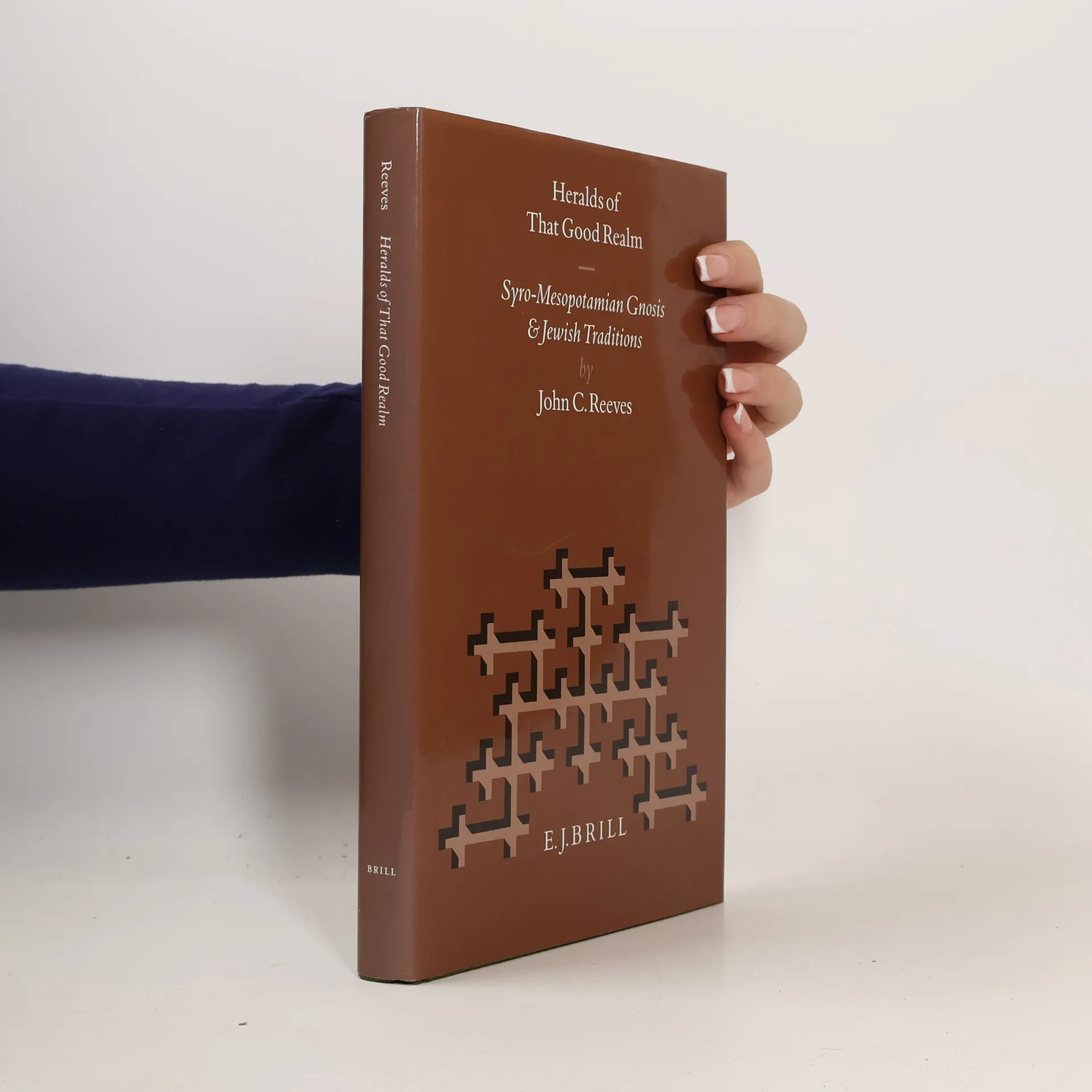


Heralds of That Good Realm
Syro-Mesopotamian Gnosis and Jewish Traditions
Autor*innen
Mehr zum Buch
This volume examines the transmission of biblical pseudepigraphic literature and motifs from their largely Jewish cultural contexts in Palestine to developing gnostic milieux of Syria and Mesopotamia, particularly that one lying behind the birth and growth of Manichaeism. It surveys biblical pseudepigraphic literary activity in the late antique Near East, devoting special attention to revelatory works attributed to the five biblical forefathers who are cited in the Cologne Mani Adam, Seth, Enosh, Shem, and Enoch.The author provides a philological, literary, and religio-historical analysis of each of the five pseudepigraphic citations contained in the Codex, and offers hypotheses regarding the original provenance of each citation and the means by which these traditions have been adapted to their present context. This study is an important contribution to the scholarly reassessment of the roles played by Second Temple Judaism, Jewish Christian sectarianism, and classical gnosis in the formulation and development of Syro-Mesopotamian religious currents.
Buchkauf
Heralds of That Good Realm, John C. Reeves
- Sprache

- Erscheinungsdatum
- 1996
- Einband
- (Hardcover),
- Buchzustand
- Gebraucht - Sehr gut
- Preis
- € 70,39
Keiner hat bisher bewertet.
- Titel
- Heralds of That Good Realm
- Untertitel
- Syro-Mesopotamian Gnosis and Jewish Traditions
- Sprache
- Englisch
- Autor*innen
- John C. Reeves
- Verlag
- Brill Academic Pub
- Erscheinungsdatum
- 1996
- Einband
- Hardcover
- Seitenzahl
- 251
- ISBN10
- 9004104593
- ISBN13
- 9789004104594
- Reihe
- Kategorien
- Schlagwörter
- Architektur, USA, Fachliteratur, Inspiration, Ethik, Geschichte der Religion, Geisteswissenschaften, Religionswissenschaft, Irak, Syrien, Gnostizismus, Manichäismus
- Beschreibung
- This volume examines the transmission of biblical pseudepigraphic literature and motifs from their largely Jewish cultural contexts in Palestine to developing gnostic milieux of Syria and Mesopotamia, particularly that one lying behind the birth and growth of Manichaeism. It surveys biblical pseudepigraphic literary activity in the late antique Near East, devoting special attention to revelatory works attributed to the five biblical forefathers who are cited in the Cologne Mani Adam, Seth, Enosh, Shem, and Enoch.The author provides a philological, literary, and religio-historical analysis of each of the five pseudepigraphic citations contained in the Codex, and offers hypotheses regarding the original provenance of each citation and the means by which these traditions have been adapted to their present context. This study is an important contribution to the scholarly reassessment of the roles played by Second Temple Judaism, Jewish Christian sectarianism, and classical gnosis in the formulation and development of Syro-Mesopotamian religious currents.