

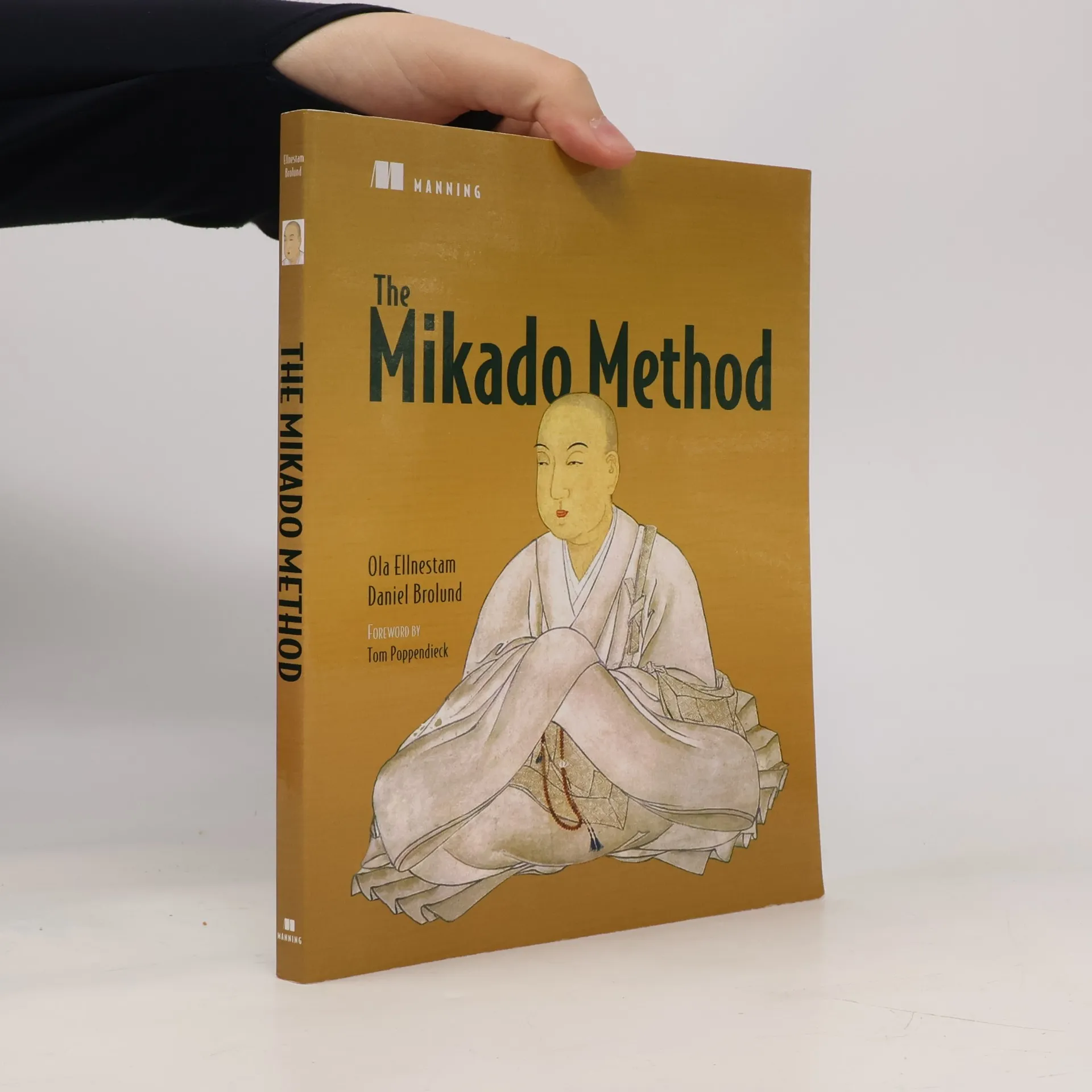
The Mikado Method
Autor*innen
Mehr zum Buch
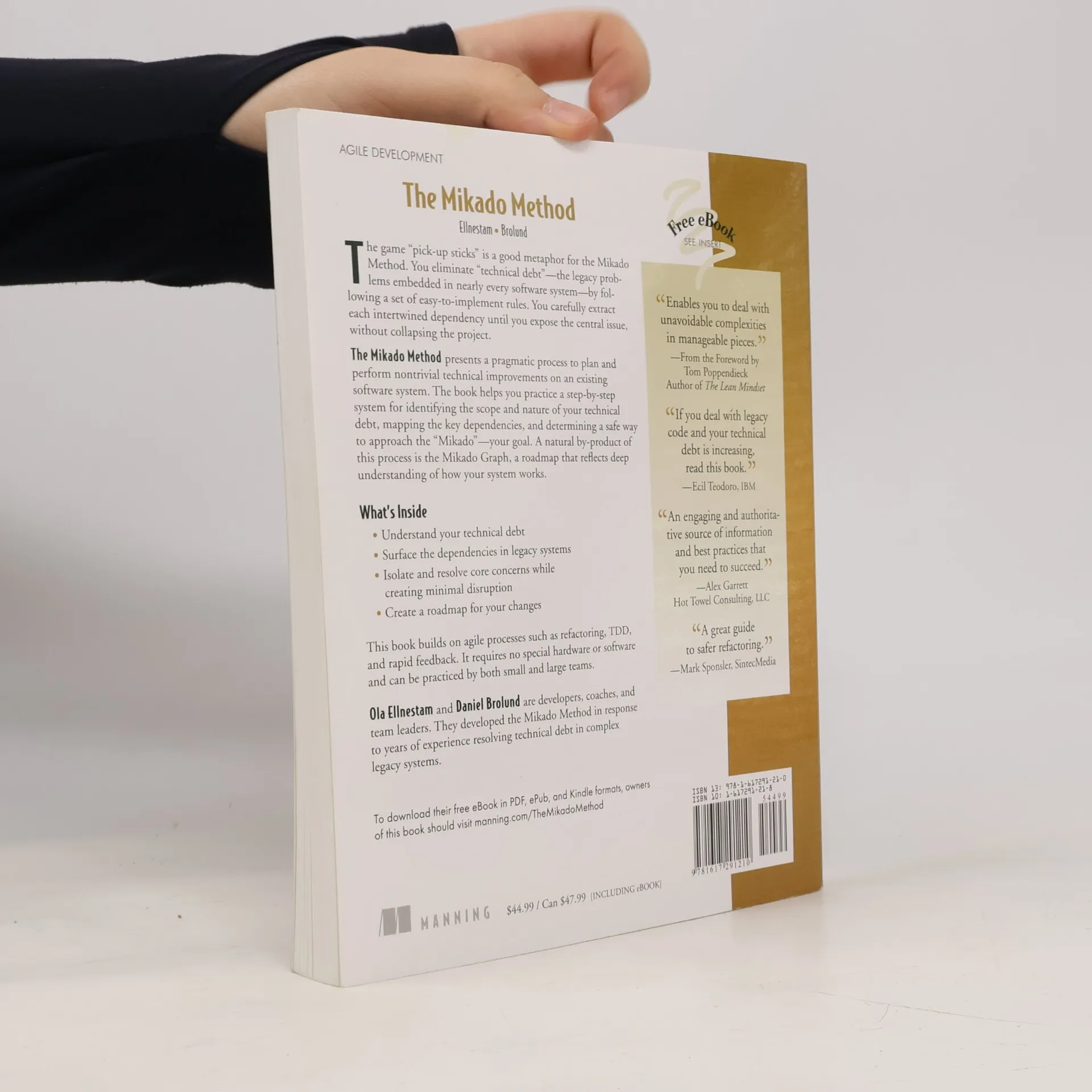
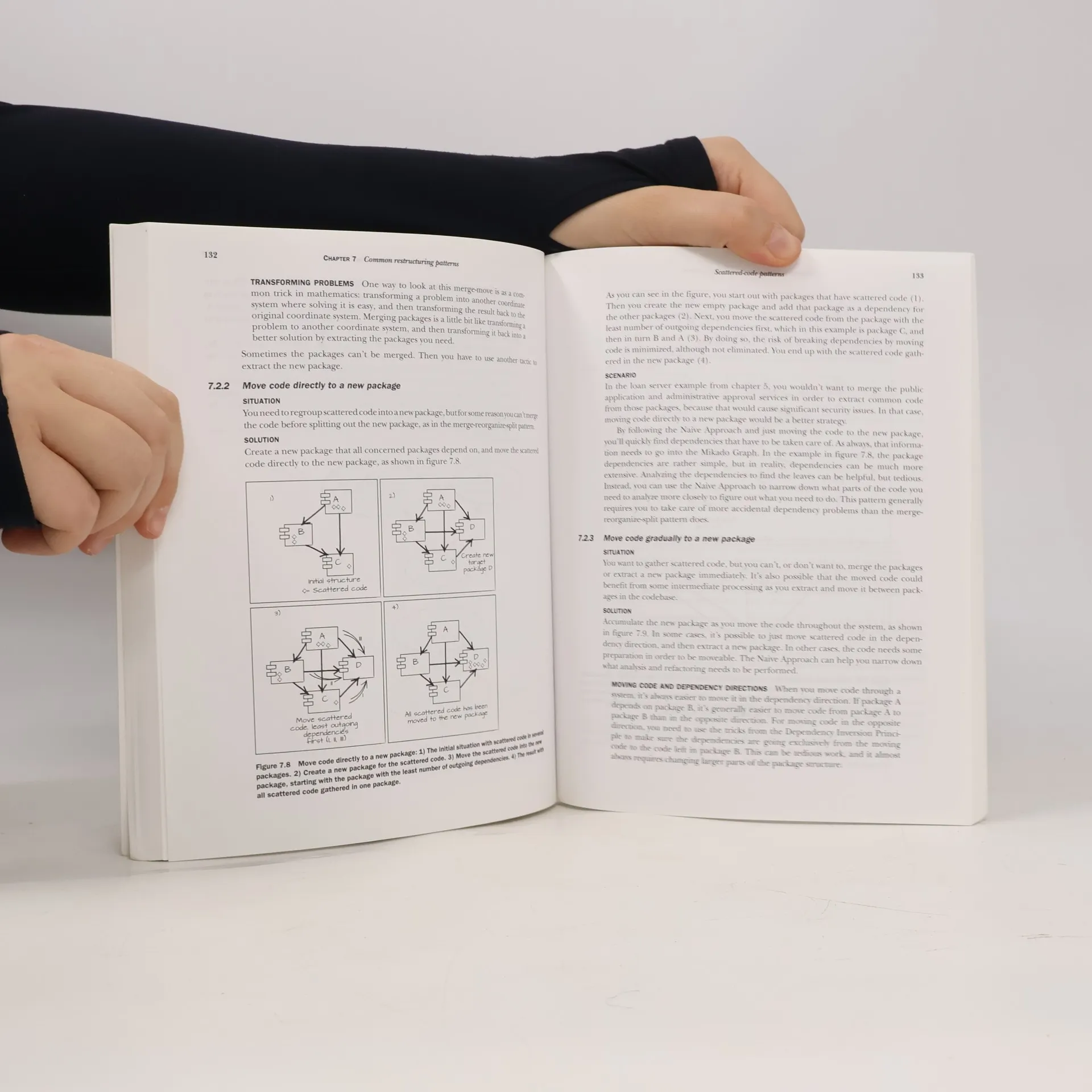
Technical debt is best understood as the work remaining before job can be considered complete or, put more colorfully, the cost of kicking the can down the road. The Mikado Method is a process for surfacing the dependencies in a codebase, so that you can systematically eliminate technical debt and get things done. It gets its name from a simple game commonly known as "pick-up sticks." You start with a jumbled pile of sticks. The goal is to remove the Mikado, or Emperor, stick without disturbing the others. Players carefully remove sticks one at a time, leaving the rest of the heap intact, slowly exposing the Mikado. The game is a great metaphor for eliminating technical debt—carefully extracting each intertwined dependency until you're able to successfully resolve the central issue and move on. The Mikado Method is a book by the creators of this process. It describes a pragmatic, straightforward, and empirical method to plan and perform non-trivial technical improvements on an existing software system. The method has simple rules, but the applicability is vast. As you read, you'll practice a step-by-step system for identifying the scope and nature of your technical debt, mapping the key dependencies, and determining the safest way to approach the "Mikado"-your goal. A natural byproduct of this process is the Mikado Graph, a minimalistic, relevant, just-in-time roadmap and information radiator that reflects deep understanding of how your system works.
Buchkauf
The Mikado Method, Tom Poppendieck, Ola Ellnestam, Daniel Brolund
- Sprache

- Erscheinungsdatum
- 2014
- Einband
- (Paperback),
- Buchzustand
- Gebraucht - Gut
- Preis
- € 10,49
Keiner hat bisher bewertet.
- Titel
- The Mikado Method
- Sprache
- Englisch
- Autor*innen
- Tom Poppendieck, Ola Ellnestam, Daniel Brolund
- Verlag
- Manning Publications
- Erscheinungsdatum
- 2014
- Einband
- Paperback
- Seitenzahl
- 240
- ISBN10
- 1617291218
- ISBN13
- 9781617291210
- Reihe
- Kategorien
- Schlagwörter
- USA, Software, Datenbanken, Java
- Beschreibung
- Technical debt is best understood as the work remaining before job can be considered complete or, put more colorfully, the cost of kicking the can down the road. The Mikado Method is a process for surfacing the dependencies in a codebase, so that you can systematically eliminate technical debt and get things done. It gets its name from a simple game commonly known as "pick-up sticks." You start with a jumbled pile of sticks. The goal is to remove the Mikado, or Emperor, stick without disturbing the others. Players carefully remove sticks one at a time, leaving the rest of the heap intact, slowly exposing the Mikado. The game is a great metaphor for eliminating technical debt—carefully extracting each intertwined dependency until you're able to successfully resolve the central issue and move on. The Mikado Method is a book by the creators of this process. It describes a pragmatic, straightforward, and empirical method to plan and perform non-trivial technical improvements on an existing software system. The method has simple rules, but the applicability is vast. As you read, you'll practice a step-by-step system for identifying the scope and nature of your technical debt, mapping the key dependencies, and determining the safest way to approach the "Mikado"-your goal. A natural byproduct of this process is the Mikado Graph, a minimalistic, relevant, just-in-time roadmap and information radiator that reflects deep understanding of how your system works.