

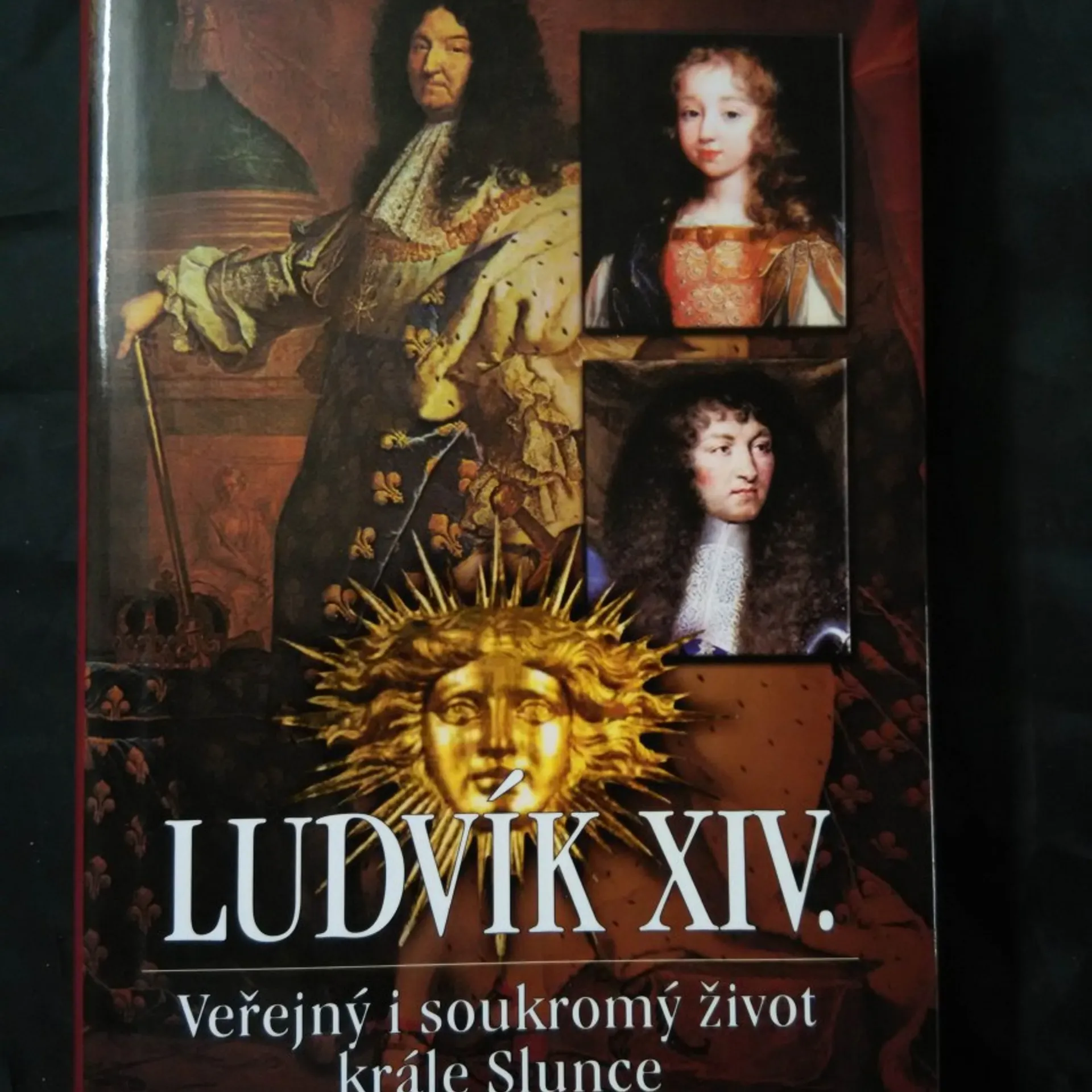
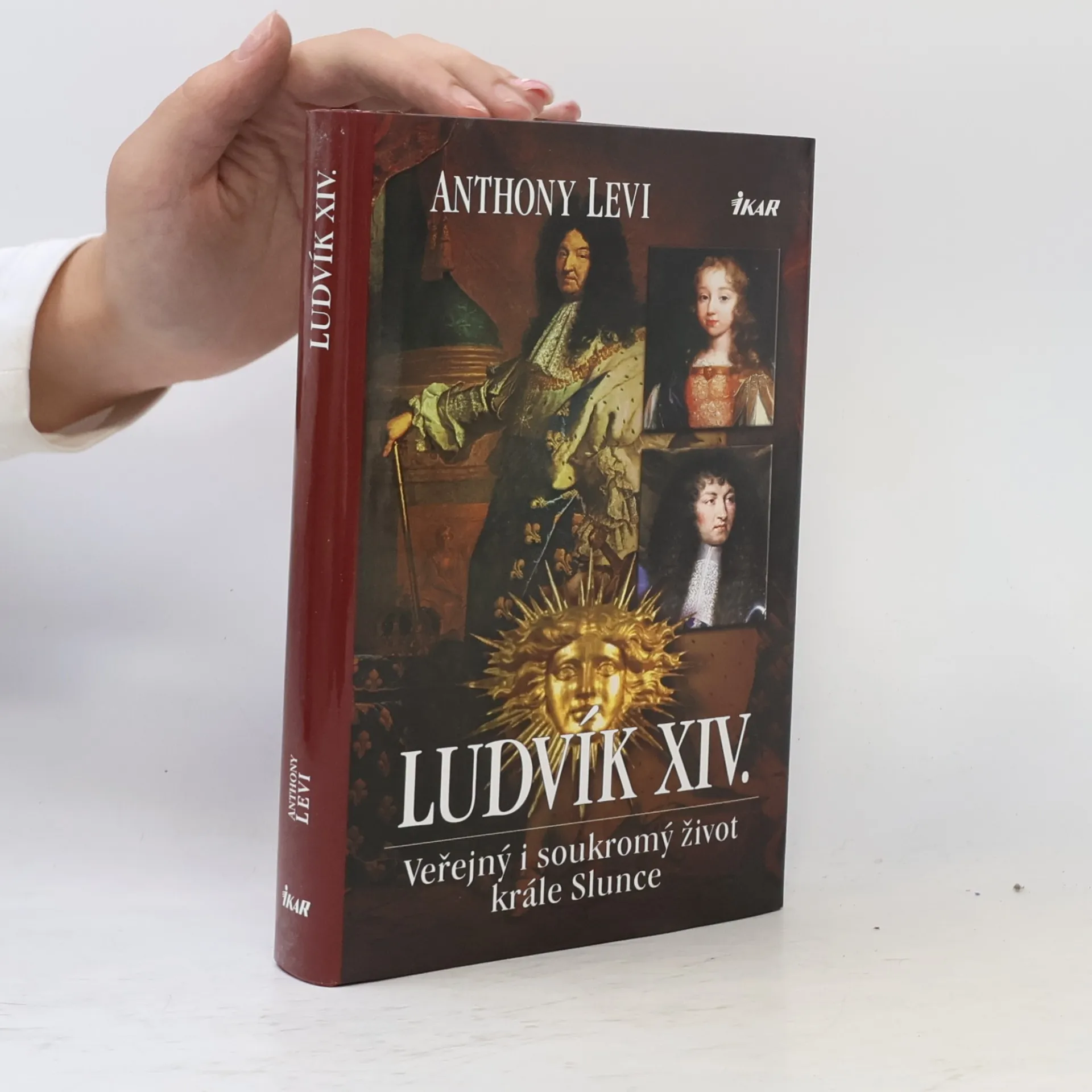
A nation exceedingly rich and extraordinarily powerful, its arts unparalleled in elegance and excellence, France in the seventeenth century mirrored the monarch who ruled it: Louis XIV, heritor not only to the throne of his country but also, supposedly, to the powers of the mythological sun god Apollo. Known as le roi soleil-the sun king-and vested with unprecedented power and privilege, for fifty years Louis epitomized the glory that was France. On the dark underside of the monarchy's grand, gilded looking glass, however, lurked peasant starvation, financial bankruptcy, military defeat, and the deaths of thousands-all of which would plague the conscience of the king. It is in the struggle of the lofty sun king, who at least half-believed in his quasi divinity, to reconcile his extravagant persona with the shortcomings, flaws, miscalculations, and failures of an ordinary mortal that the fascination of this new, intricate, and controversial illustrated biography lies. Indeed, at the heart of Anthony Levi's probing study brews the conflict between Louis XIV's regal infallibility and his human, often tragic and far-reaching errors. Out of it emerges a complex personal portrait of one of the most politically effective monarchs ever to reign in Europe.
Levi Anthony Bücher
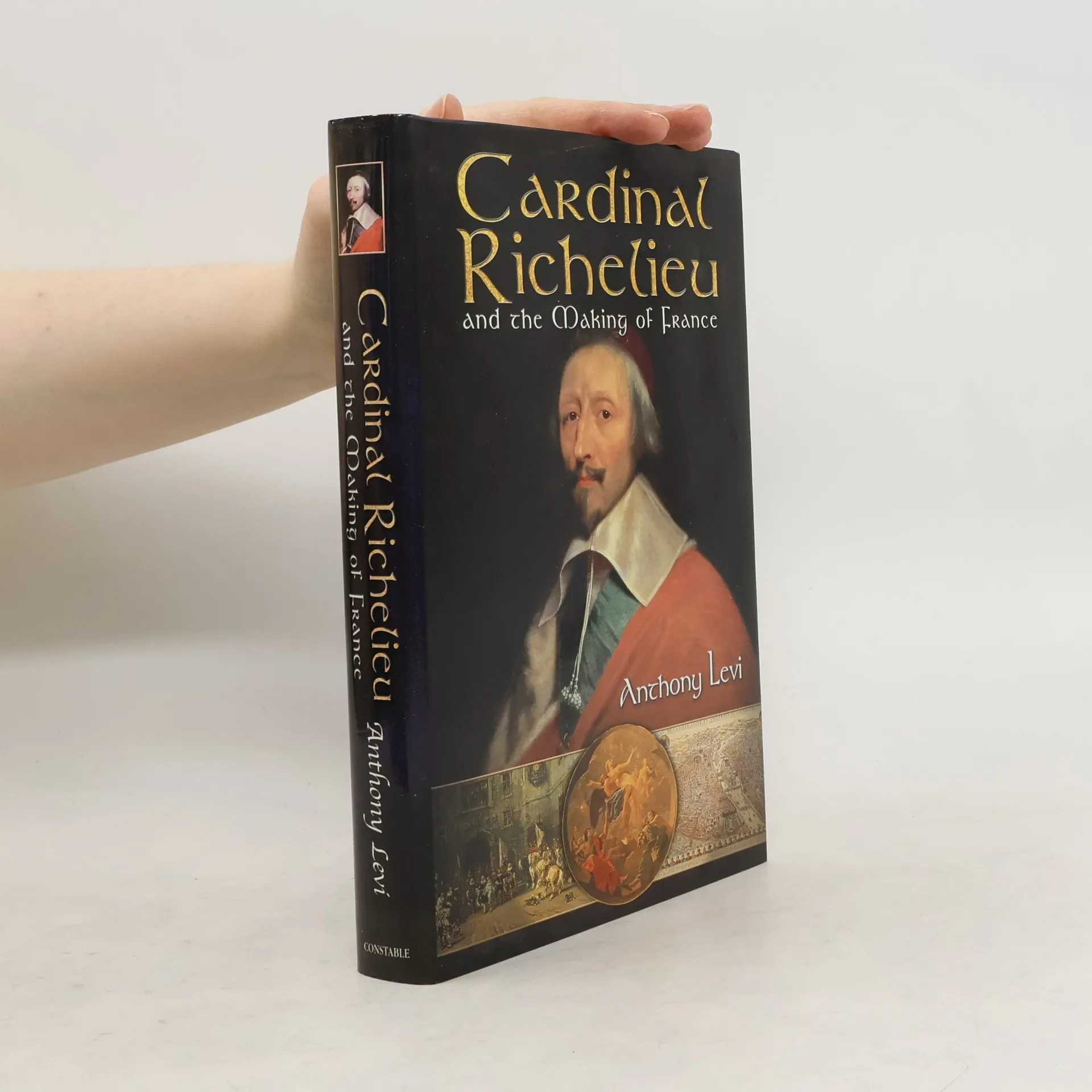

Cardinal Richelieu and the Making of France
- 256 Seiten
- 9 Lesestunden
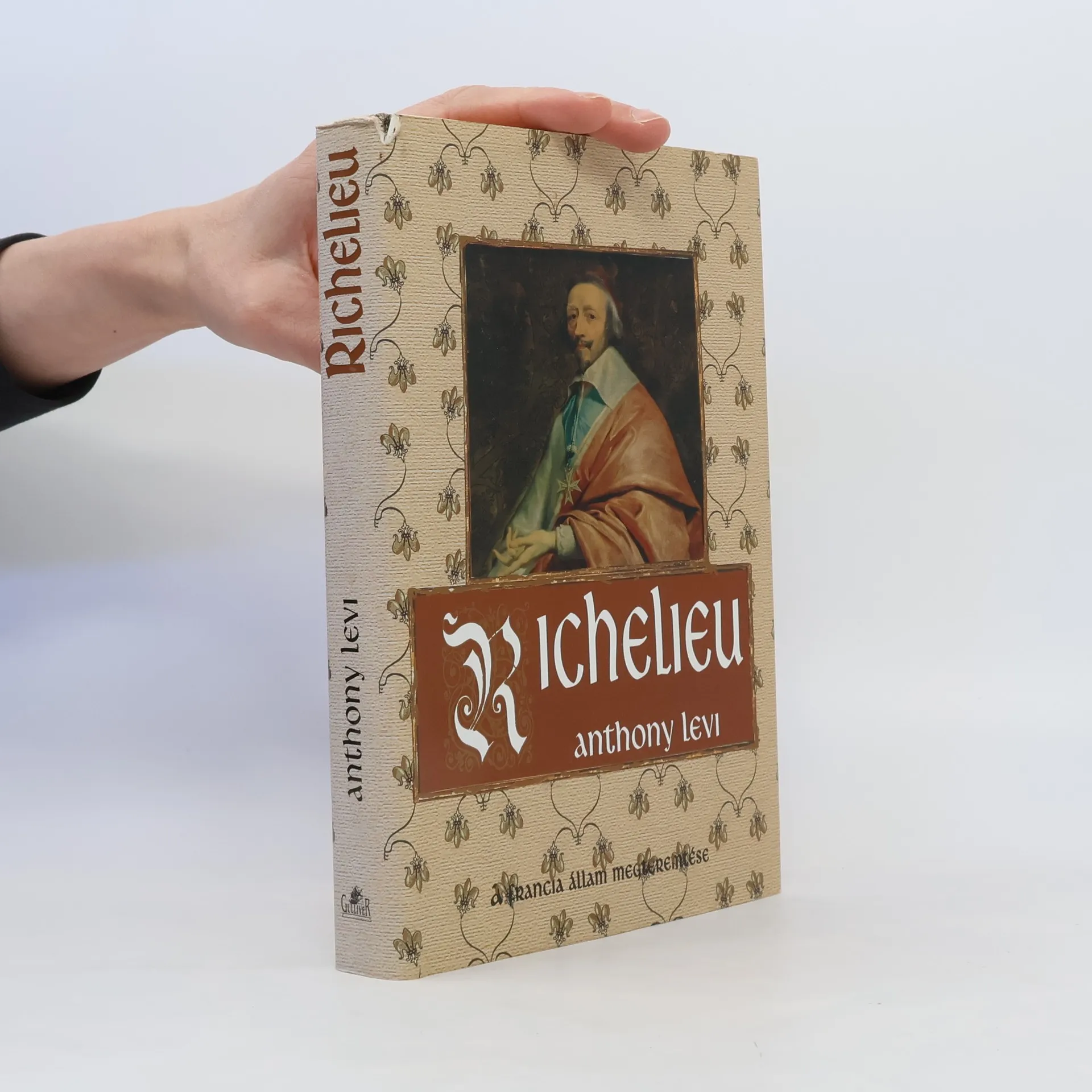
In an extraordinary drama sweeping across seventeenth-century France, this probing biography of Cardinal Richelieu explores how a man of steely intelligence and ruthless ambition not only fulfilled his dreams of social prestige, personal wealth, and political power but at the same time realized his vision of a France unified as much by its culture as by its king.
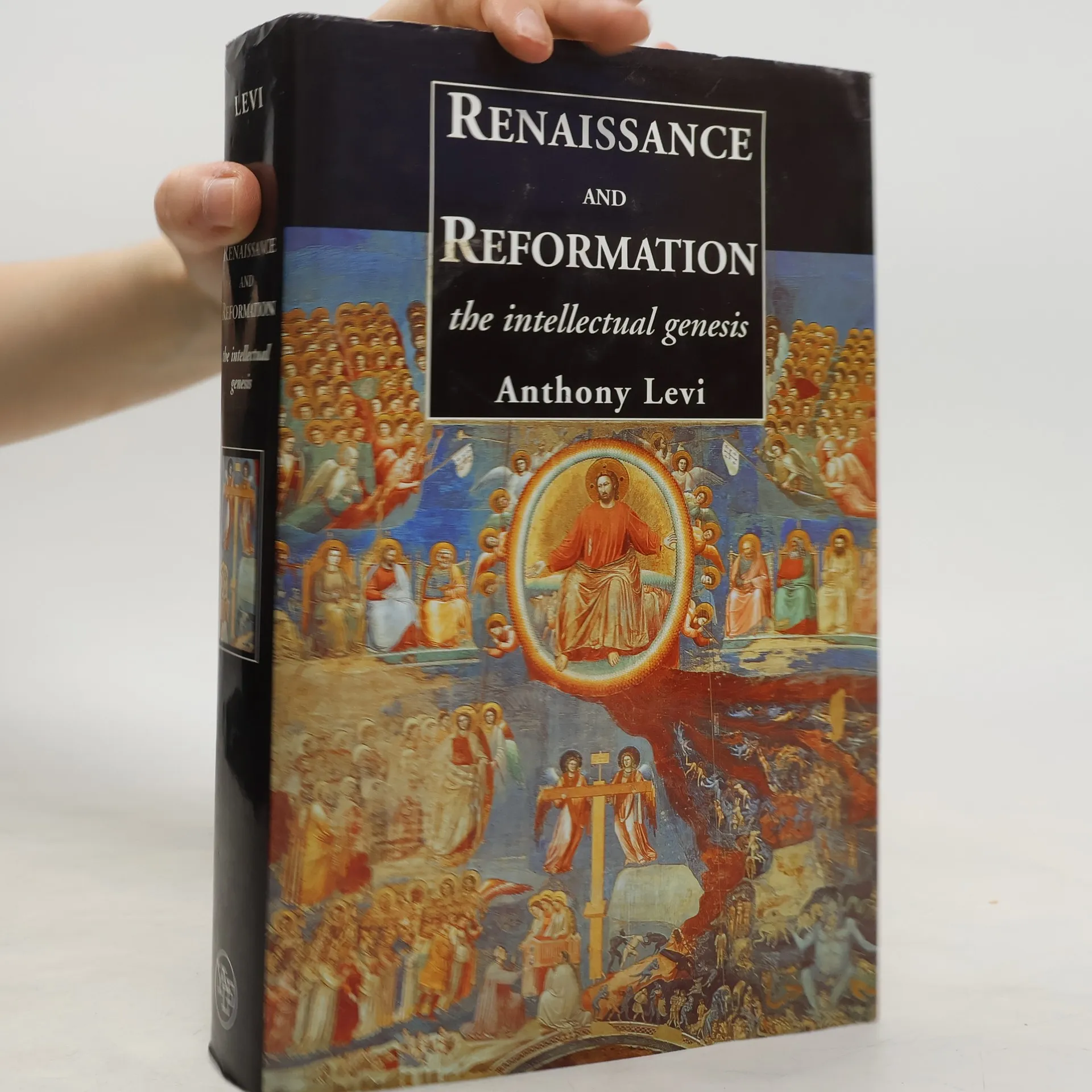
A survey of the development of European intellectual culture between about 1350 and 1550. Anthony Levi seeks to offer a fresh view of the Renaissance and the Reformation, calling for a reassessment of the nature of both. Through a detailed examination of the significant intellectual, spiritual and ideological developments across Europe during this period, Levi disputes the discontinuities commonly understood to explain and defend the events we term the Renaissance and the Reformation. He argues that the renewed cult of the literary, visual and educational norms of classical antiquity were a consequence - not the essence or cause - of the Renaissance. Further, the Reformation emerged from a cultural movement that neither constituted a historical discontinuity nor led to the catastrophic religious clashes of the 16th century.
Ludvík XIV. - král Slunce, velkolepý vládce, obávaný i obdivovaný panovník - je ztělesněním vrcholného období francouzské monarchie a její slávy. Jeho osudy, válečné výboje, milostná dobrodružství i nádhera královského dvora dosud fascinují nejen historiky, ale i filmové a literární tvůrce. Přesto nelze zastřít, že v jeho době panoval na venkově hlad, stát utrpěl finanční bankrot i vojenskou porážku a z jeho pojetí vládnutí vyklíčil zárodek pozdější revoluce, která smetla království a jednou provždy změnila historický běh světa. Jaký vlastně byl Ludvík jako člověk? Hluboce zbožný až pověrčivý, odvážný, tělesně zdatný, poživačný i rozmařilý, se slabostí pro něžné pohlaví a megalomanskými sklony. Právě pocit důležitosti a důraz na nedotknutelnost vlastní osoby ho vedly k agresivní politice jak na domácí, tak na mezinárodní scéně a existují svědectví, že nacházel potěšení v ponižování svých protivníků. Doba, kterou strávil na francouzském trůně, trvala neuvěřitelných sedmdesát dva let - od roku 1643 do 1715, kdy čtyři dny před dovršením svých sedmasedmdesátých narozenin zemřel.
Richelieu
- 256 Seiten
- 9 Lesestunden