

Traces the epochal shifts in the relationship between capital accumulation and
state formation over a 700-year period. This book concludes with an
examination of the forces which have shaped and are poised to undermine
America's world power.
Wie ist Chinas Aufstieg zur politischen und wirtschaftlichen Weltmacht zu bewerten? Giovanni Arrighi bietet eine spannende Analyse und interpretiert Adam Smith als Theoretiker einer nichtkapitalistischen Marktwirtschaft. Er fragt, ob Smiths Vision einer zivilisierten und gleichheitlichen Weltgesellschaft nach zweieinhalb Jahrhunderten realistischer wird. War das US-amerikanische Projekt eines „globalen Imperiums“ ein Versuch, Chinas wirtschaftlichen Erfolg der 1990er Jahre zu kontern? Hat das Versagen der USA im Irak China zum Gewinner des „Krieges gegen den Terror“ gemacht? Arrighi ist überzeugt, dass das 21. Jahrhundert von einem „Neuen Asiatischen Zeitalter“ geprägt sein wird, mit China im Zentrum. Er sieht in China die Möglichkeit einer nichtkapitalistischen Marktwirtschaft, die Smith in einem anderen historischen Kontext beschrieben hat. Durch eine frische Neulektüre von Smith und Marx, eine Neubetrachtung der Kluft zwischen Ost und West und eine kritische Analyse des Projekts für ein Neues Amerikanisches Jahrhundert, lehnt Arrighi neoliberale Interpretationen von Chinas Wirtschafts' wunder' ab und würdigt stattdessen seine marktwirtschaftliche Tradition. Er führt uns durch 300 Jahre Weltkapitalismus und zeigt, was uns in der Zukunft erwarten könnte.
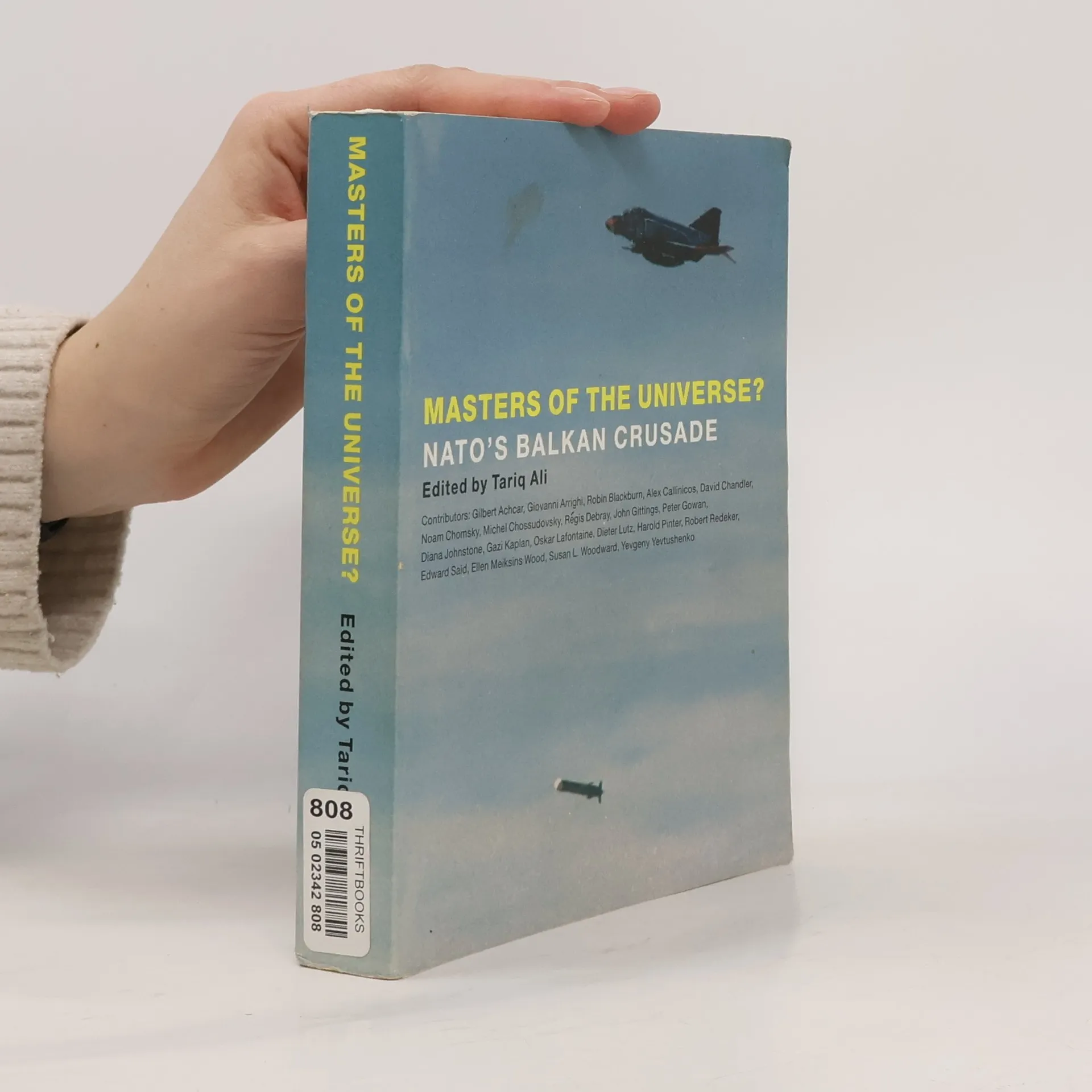
NATO’s war on Yugoslavia in the spring of 1999 was unleashed in the name of democracy and human rights. This view was challenged by the world’s three largest countries, India, China and Russia, who saw the bombing of Serbia and Kosovo as a naked attempt to assert US dominance in an unstable world.In the West, media networks were joined by substantial sectors of left/liberal opinion in supporting the war. Nonetheless, a wide variety of figures emerged to challenge the prevailing consensus. Their work, gathered here for the first time, forms a collection of key statements and anti-war writings from some of democracy’s most eloquent dissidents—Noam Chomsky, Harold Pinter, Edward Said and many others—who provide carefully researched examinations of the real motives for the US action, dissections and critiques of the ideology of ‘humanitarian warfare’, and chartings of the unnecessary tragedy of a region laid to waste in the pursuance of Great Power politics.This reader presents some of the most important texts on NATO’s Balkan crusade and forms a major intervention in the debate on global geo-political strategy after the Cold War.
Análisis de la crisis actual del modelo de acumulación del capitalismo desde la perspectiva de su funcionamiento sistémico plurisecular como sistema de acumulación de capital a escala mundial.