


A dark yet compassionate comedy of art aspirations and friendships come to naught. First published in 2003, Gary Indiana’s turn-of-the-millennium novel traces the lives of a loosely connected group of New York artists and the dissolution of their scene. During the summer of 2001, the narrator of Do Everything in the Dark, a gallery curator, receives intermittent dispatches from his far-flung friends—many of whom resemble well-known figures in the art and intellectual worlds—who are spread out across the globe, from Istanbul to Provincetown to Santa Fe. Seeking various reprieves from a changed New York, the long-festering, glossed-over incompatibilities of these aging bohemians blossom into exotic and unbearable relief. Beneath the contemporary excesses Indiana chronicles, we can see the outlines of the earlier New York bohemia captured by Dawn Powell. Arguably Indiana’s most intimate, internal, and compassionate work to date, Do Everything in the Dark is a chilling chronicle of madness and failure, success and disappointment, and the many ways love dies in a world people find increasingly unlivable.
Gary Indiana Bücher
Gary Indiana ist ein Kritiker und Romanautor, dessen Werk eine scharfe, schneidende Perspektive auf die zeitgenössische Kultur und die menschliche Psyche bietet. Sein Schreiben befasst sich mit komplexen Beziehungen und mehrdeutigen Motivationen mit einem unverwechselbaren stilistischen Gespür. Durch seine Texte erforscht Indiana oft Themen wie Identität, Verlangen und die Suche nach Sinn in der modernen Welt. Seine Essays und Belletristik präsentieren eine originelle und provokative Reflexion unserer Zeit.


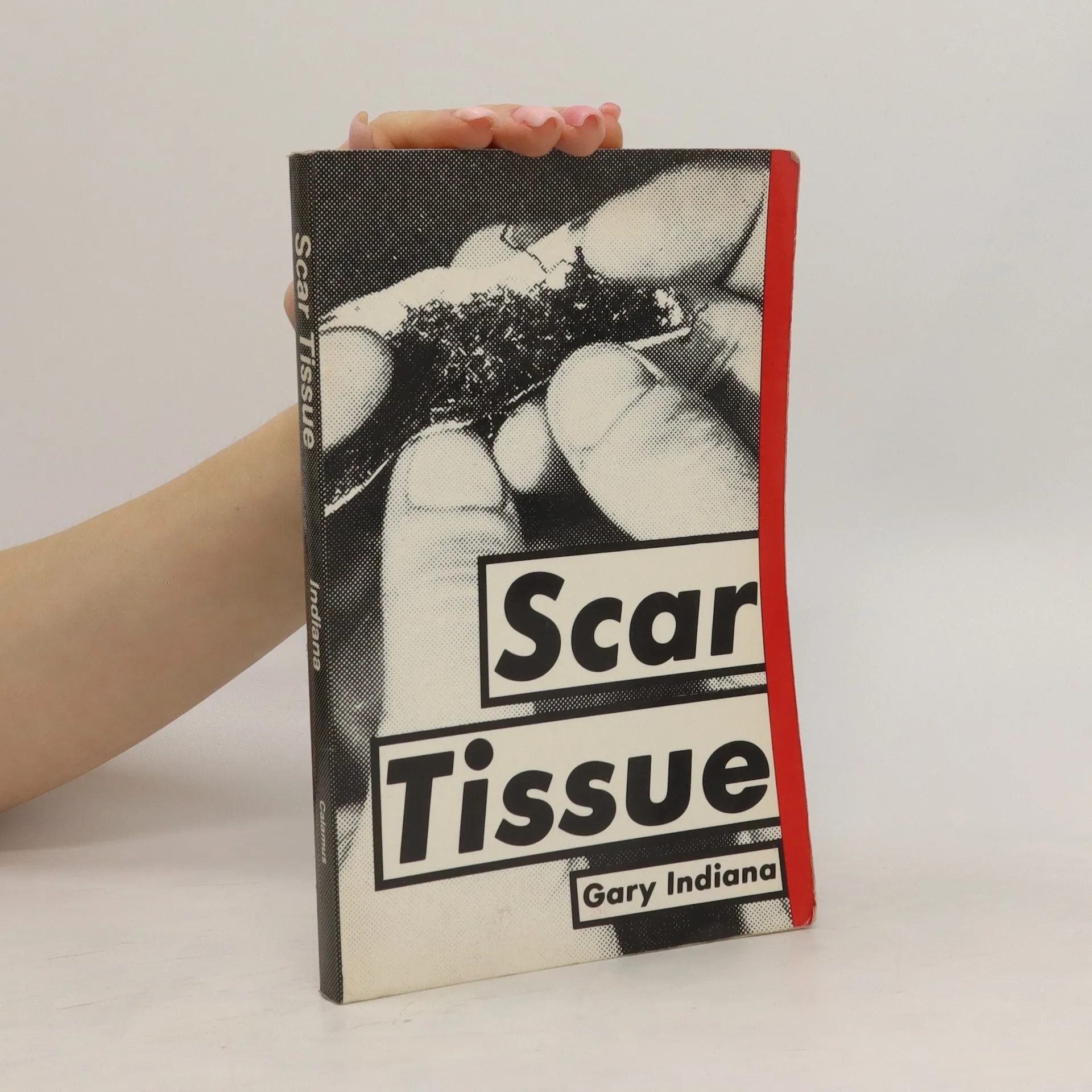
Scar Tissue
- 150 Seiten
- 6 Lesestunden
Whether he's describing Tracy Emin or Warhol, the films of Barbet Schroeder ('Schroeder is well aware that life is not a narrative; that we impose form on the movements of chance, contingency, and impulse....') or the installations of Barbara Kruger ('Kruger compresses the telling exchanges of lived experience that betray how skewed our lives are...'), Indiana is never just describing. Few writers could get away with saying the things Gary Indiana does. And when the writing is this good, it's also political, plus it's a riot of fun on the page.
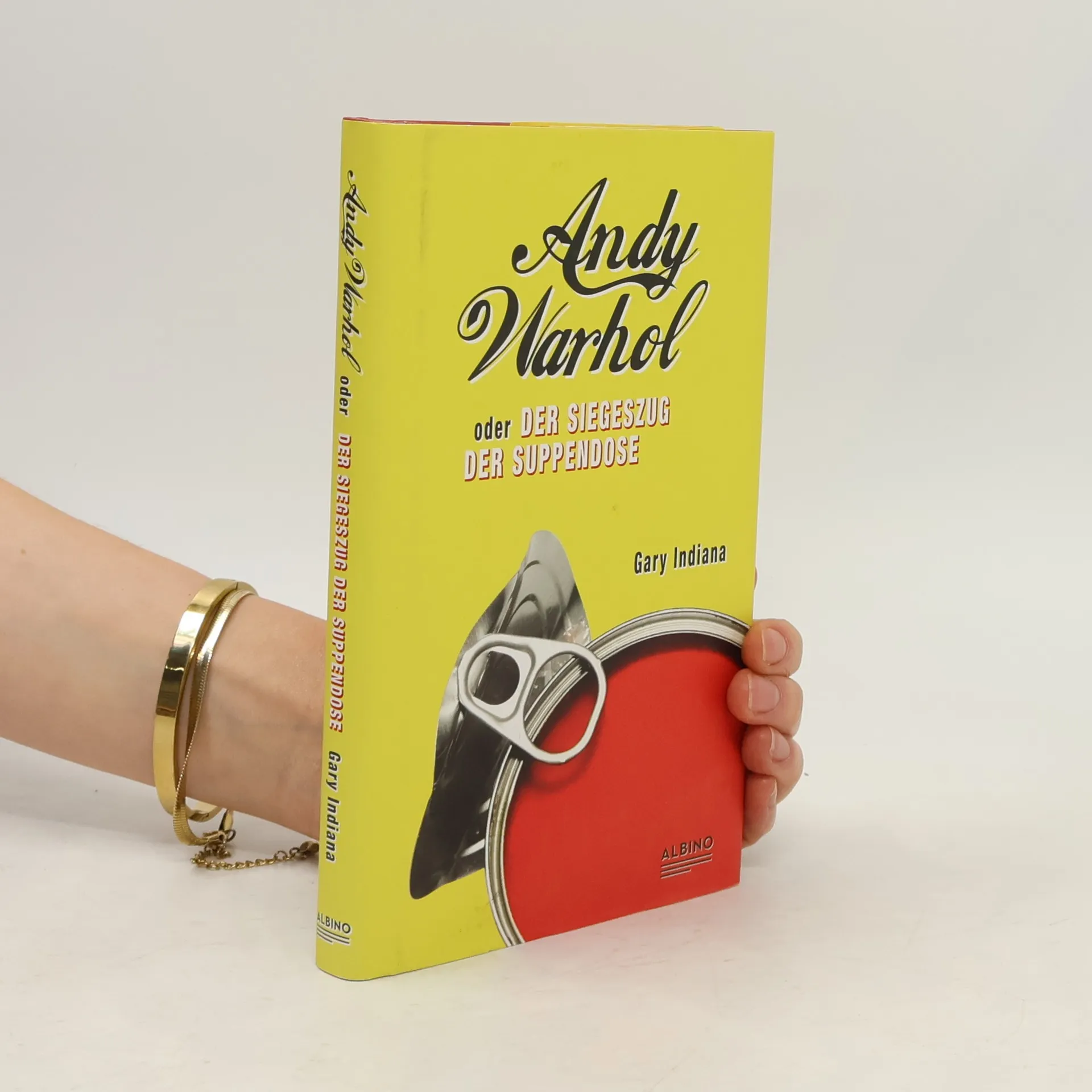
From the Publisher: In the summer of 1962, Andy Warhol unveiled 32 Soup Cans in his first solo exhibition at the Ferus Gallery in Los Angeles-and sent the art world reeling. The responses ran from incredulity to outrage; the poet Taylor Mead described the exhibition as "a brilliant slap in the face to America." The exhibition put Warhol on the map-and transformed American culture forever. Almost single-handedly, Warhol collapsed the centuries-old distinction between "high" and "low" culture, and created a new and radically modern aesthetic. In Andy Warhol and the Can that Sold the World, the dazzlingly versatile critic Gary Indiana tells the story of the genesis and impact of this iconic work of art. With energy, wit, and tremendous perspicacity, Indiana recovers the exhilaration and controversy of the Pop Art Revolution and the brilliant, tormented, and profoundly narcissistic figure at its vanguard.