V této knize dostáváme skutečně pokoncilní učebnici morální teologie. Autor, který svůj obor přednáší v Trevíru po tři desetiletí, prožil s osobní účastí toto období důkladné revize, intenzivního zkoumání základů a pokusů o novou koncepci. Bádání morálních teologů bude pokračovat dále a trvale v užší spolupráci s biblistikou a jinými teologickými disciplínami, ale i s trvalým zřetelem k práci nekatolických teologů, filozofických etiků a jiných odbomíků. Přesto však už je v podstatě možné syntetizovat ve formě učebnice současný stav vývoje nastartovaného Druhým vatikánským koncilem.
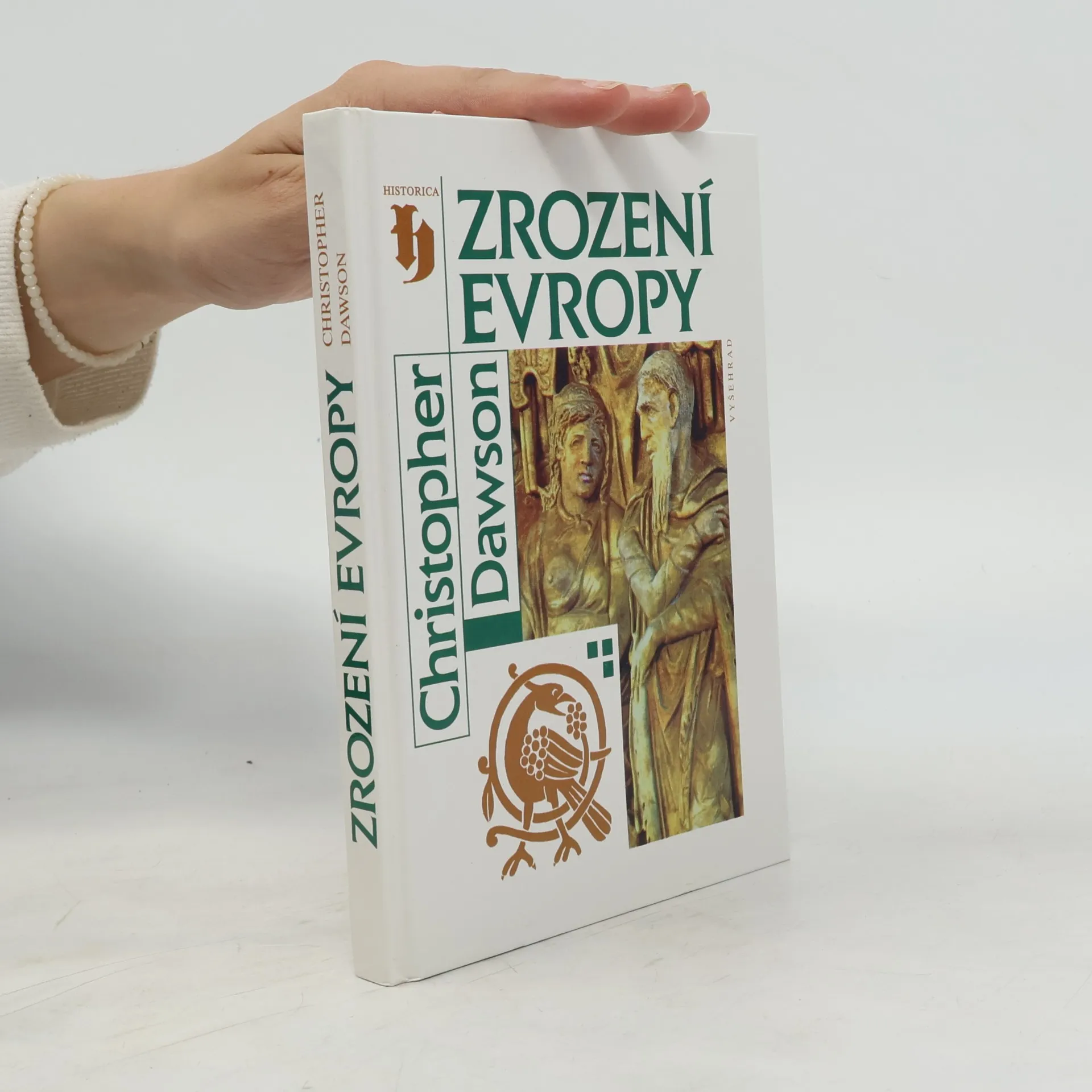
Kniha Zrození Evropy s podtitulem Úvod do dějin evropské jednoty se zabývá obdobím od pádu západořímské říše v 5. st. př. n.l. až k počátkům nových, již středověkých států v 10. století, kdy se utvářely základy evropské kultury. Vedle tohoto autor stranou zájmu na formování Evropy neponechává ani rozbor vlivu "barbarských" kmenů či zrod křesťanství či islámu.
The Crisis of Western Education, originally published in 1961, encapsulates Christopher Dawson's insights on the Western educational system. Now updated with a new introduction by Glenn W. Olsen, this work is part of the ongoing Works of Christopher Dawson series. Dawson argues that Western culture has increasingly become dominated by economic and political concerns that are at odds with its spiritual essence. Consequently, educational systems have shifted towards technological and pragmatic approaches, undermining the traditional emphasis on liberal learning and spiritual reflection central to Christian humanism. He traces the historical developments leading to this crisis and contends that the salvation of Western civilization hinges on a fundamental reorientation of its educational system away from vocationalism and specialization. Central to this reform is the Christian college, which Dawson believes must be rooted in a comprehensive understanding of the living Christian tradition. He expresses skepticism about emerging educational initiatives, such as great books programs, fearing they may oversimplify the rich tapestry of culture. Instead, he emphasizes the importance of understanding how spiritual forces shape culture. Dawson offers a diagnosis of modern education and advocates for the revival of an organic culture capable of renewing Western society.