Patrick de Rynck Bücher

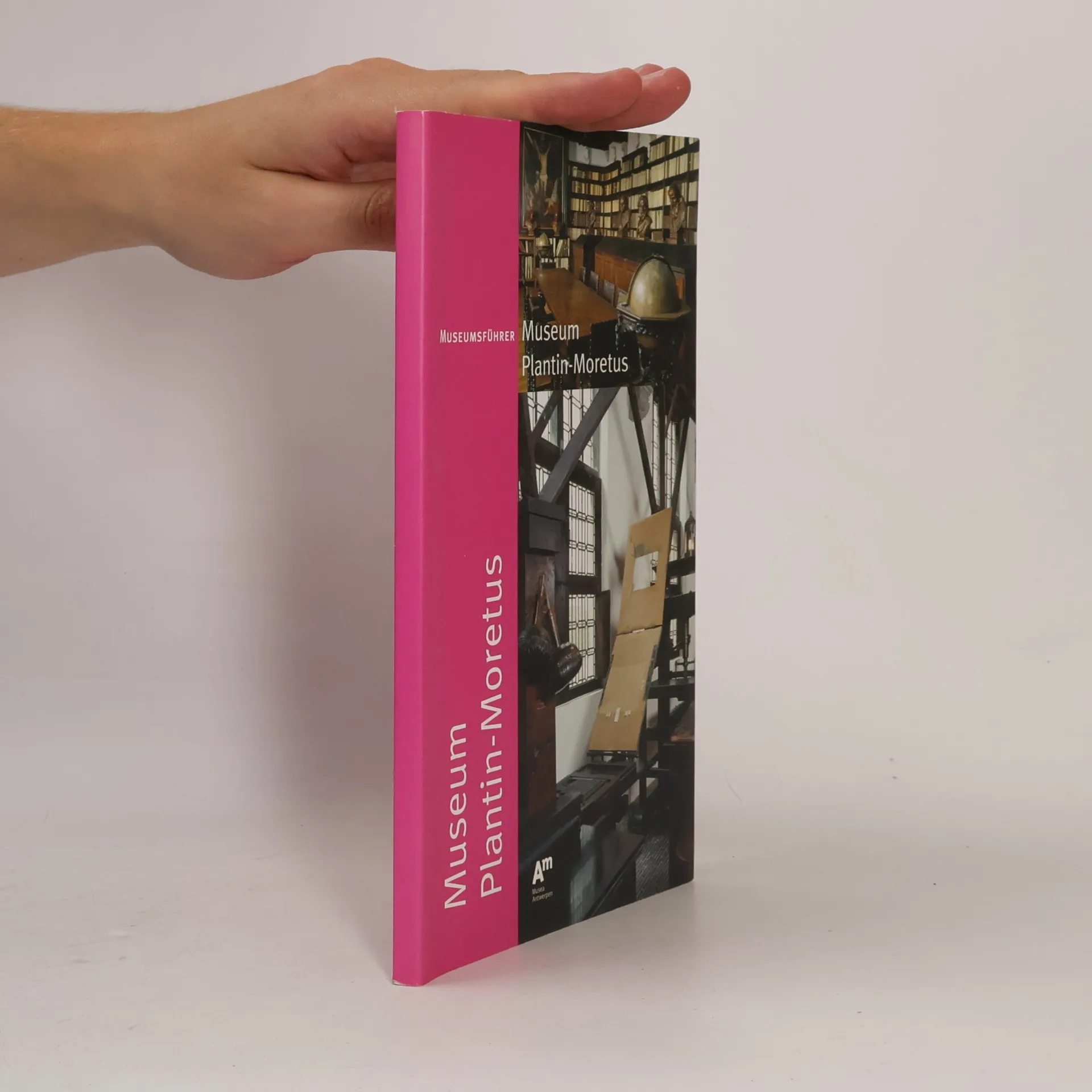
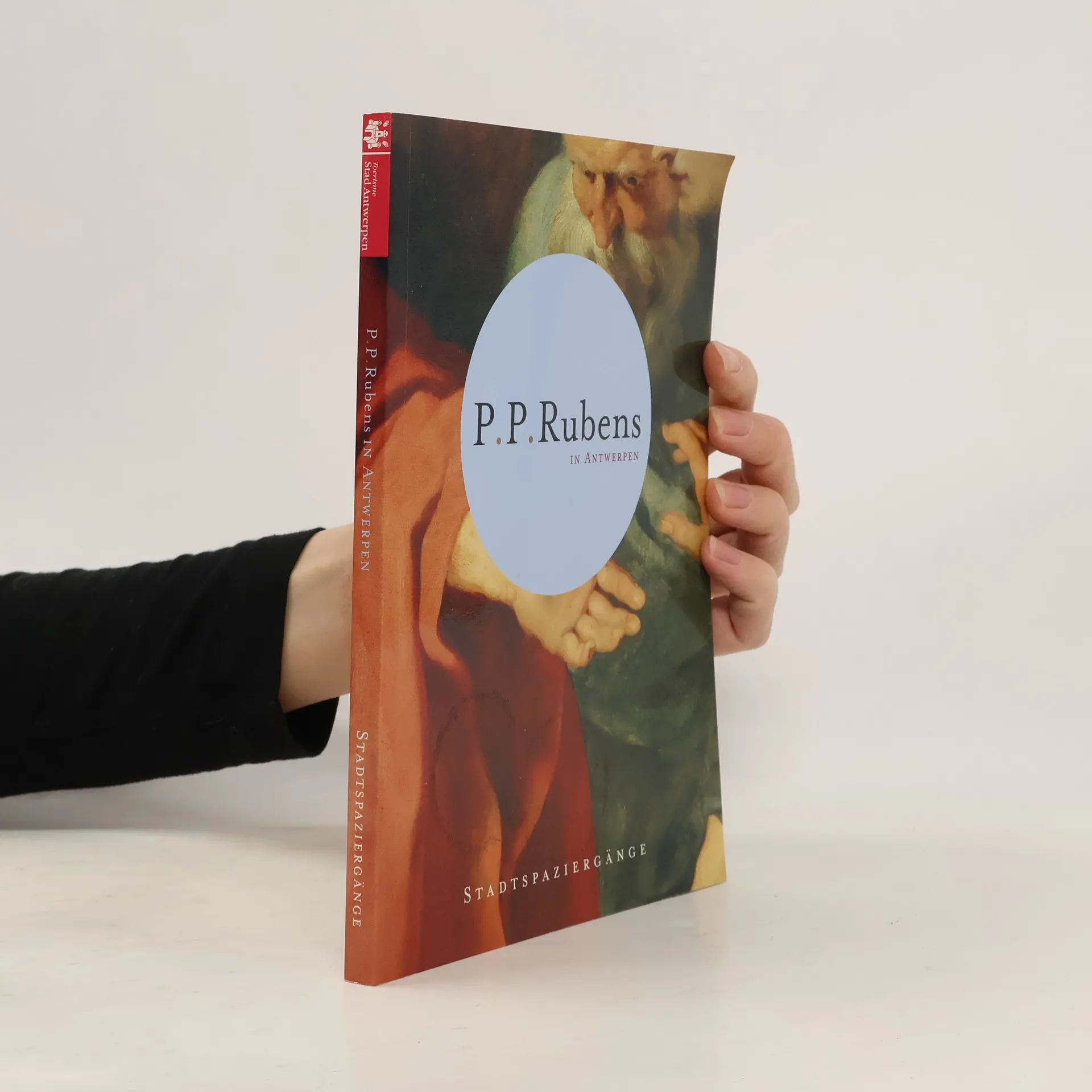
Museum Plantin-Moretus
Museumsführer
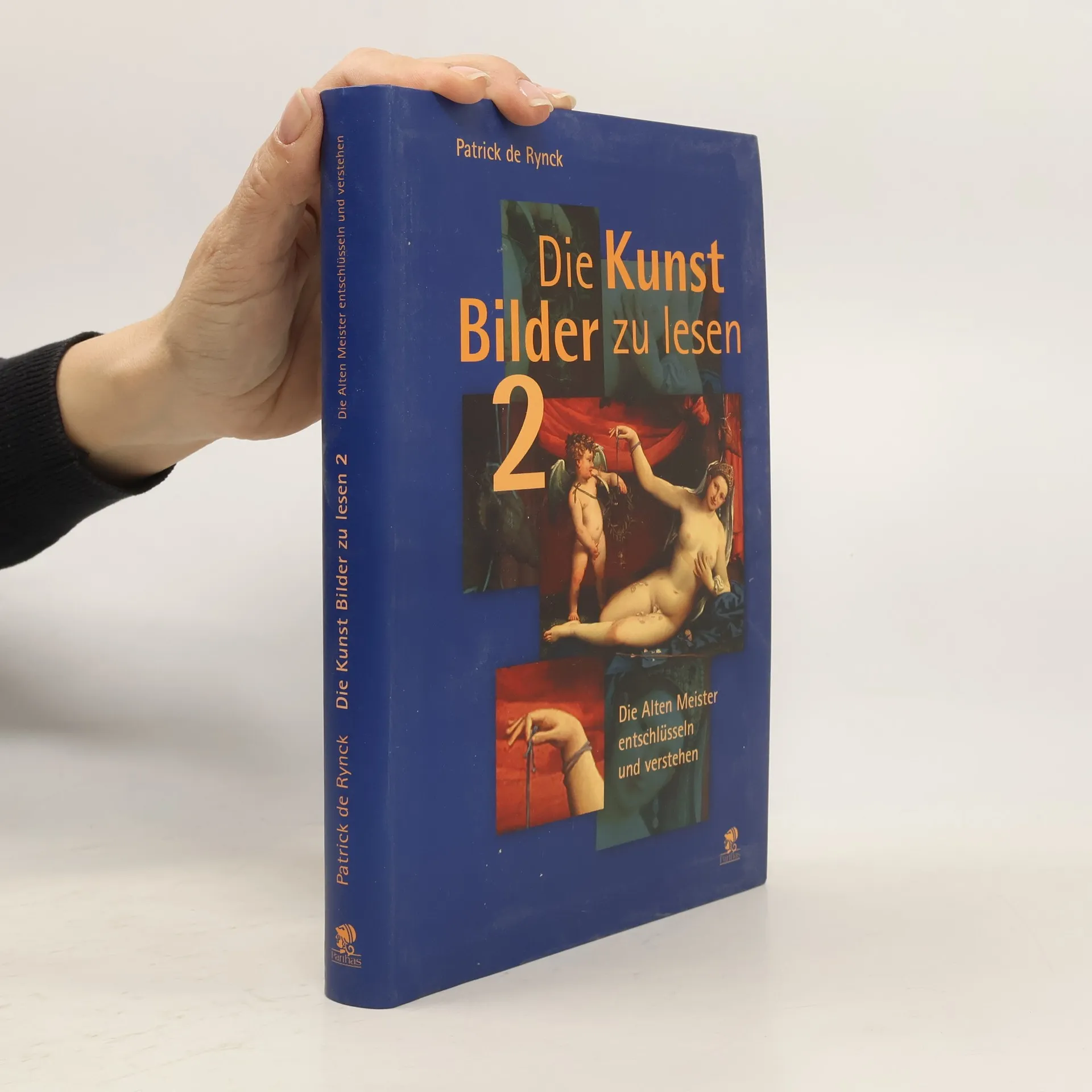
Die alten Meister entschlüsseln und verstehen - 2: Die Kunst, Bilder zu lesen
- 360 Seiten
- 13 Lesestunden
Ob antike Mythen, klassische Heldensagen oder die biblischen Geschichten des Alten Testaments, zu Lebzeiten der Alten Meister waren die Helden der Bibel und der klassischen Antike höchst populär und jedermann bekannt. Doch wer kann heute beispielsweise noch aus dem Stegreif die zwölf Arbeiten des Herkules aufzählen, von der abenteuerlichen Fahrt der Argonauten berichten oder die Geschichte von Joseph und seinen Brüdern nacherzählen? Motive wie „Susanna und die Alten“, „Bathseba im Bade“ oder „Lot und seine Töchter“ werden von den meisten Betrachtern heute lediglich als erotische Gemälde mit fülligen Damen wahrgenommen. Dass sie Geschichten aus der Bibel wiedergeben und deshalb Malern die seltene Gelegenheit boten, im sittenstrengen und vom Klerus dominierten 15. und 16. Jahrhundert ihre anatomischen Kenntnisse und Darstellungskünste zu vertiefen, ist weit weniger bekannt. Patrick de Ryncks Fortsetzungsband „Die Kunst Bilder zu lesen 2“ stellt uns weitere 180 herausragende Gemälde der Alten Meister vor - unter anderem von Cranach, Jan van Eyck, Giovanni Bellini, El Greco, Leonardo, Francisco de Zurbaran, Velasquez, Nicolas Poussin und Rubens. Er erzählt die Geschichte hinter den Gemälden und schlüsselt ihre Details ikonografisch auf.
Die Kunst, Bilder zu lesen
- 382 Seiten
- 14 Lesestunden
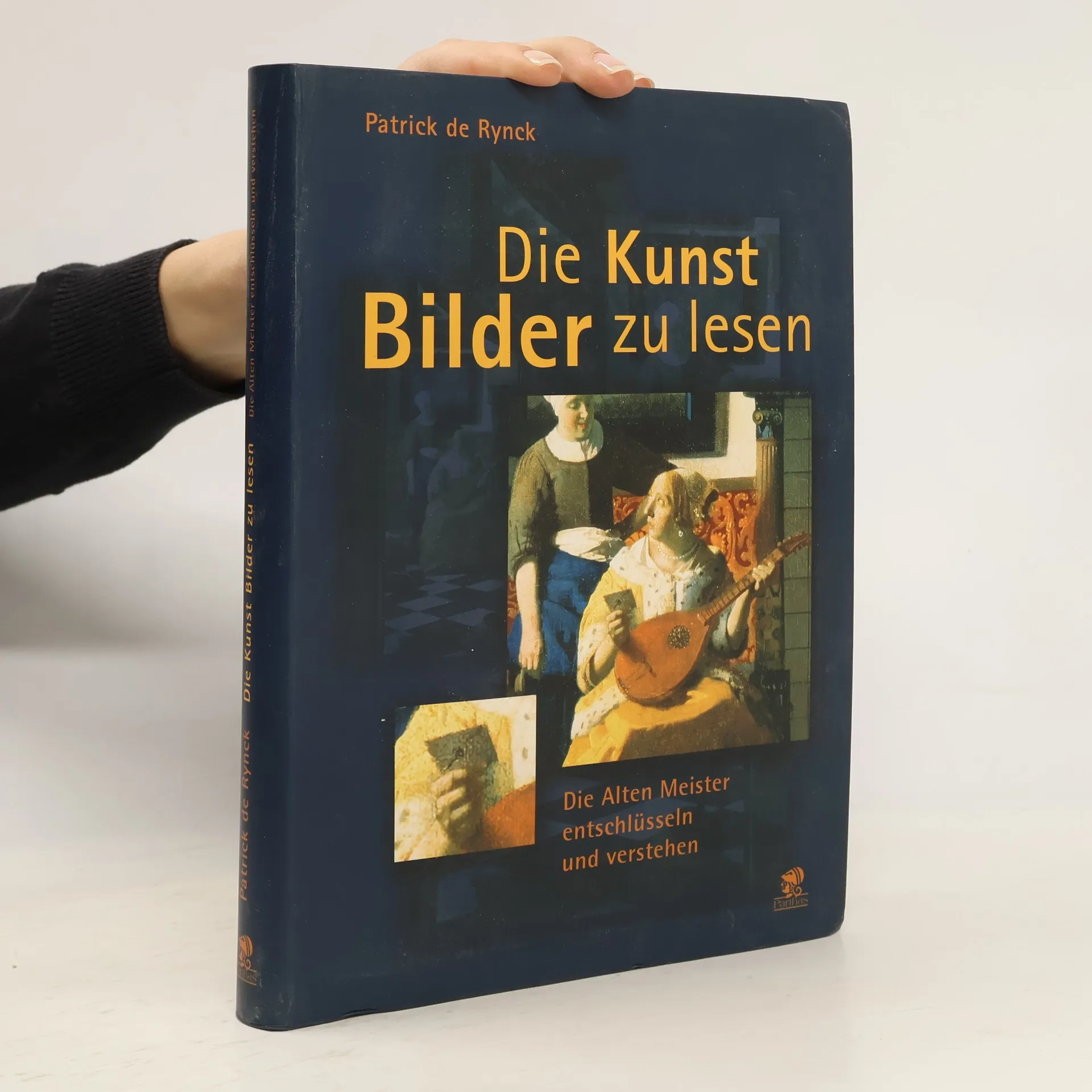
Sinn und Bedeutung vieler Meisterwerke der Kunstgeschichte erschließen sich dem Betrachter von heute nicht mehr spontan. Symbole, Themen und Motive wurzeln in antiken Mythologiein, Volkslegenden, Sagen und einem tiefen christlichen Glauben. Die verschiedenen Metaphern in den Bildern sind für den Betrachter nicht mehr selbstverständlichen. Das vorliegende Buch hilft bei der Entschlüsselung.
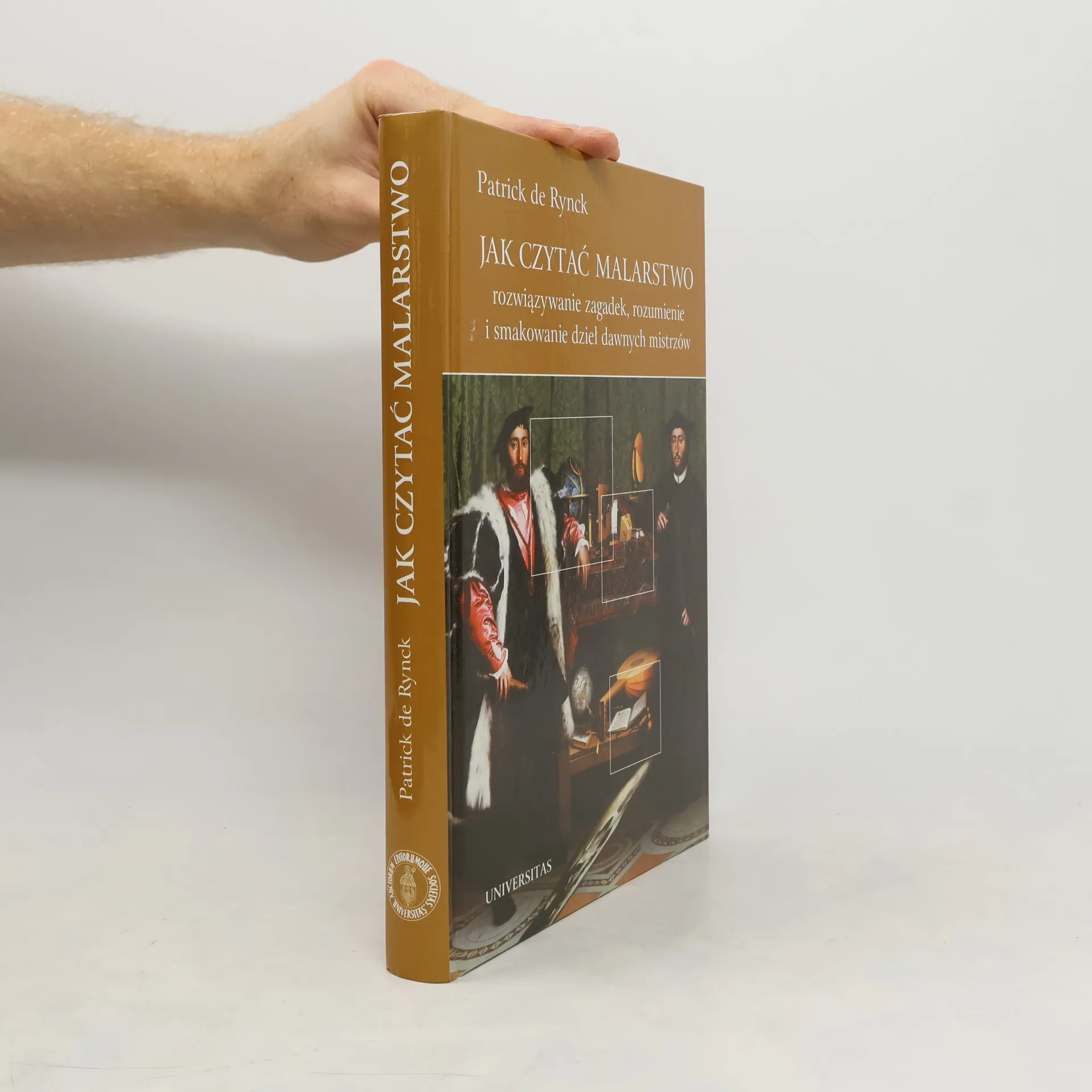
How to Read a Painting
- 416 Seiten
- 15 Lesestunden
Clues to the meaning of many of the masterpieces of art history lie in a rich system of symbols, themes and motifs that often elude modern museum-goers.
For centuries, Bible stories and ancient Greek and Roman mythology were the main subjects of Western art. Patrick de Rynck examines over 200 of these works.
This is the guide to Western art that every art lover has always wanted. Great paintings, filled with complex themes and symbols, can be intimidating. Here, Patrick De Rynck and Jon Thompson explore more than 300 famous works spanning the Middle Ages to the late 20th century, unlocking each work’s meaning. Today's art lovers lack the intimate knowledge of Greek and Roman mythology, folklore, and Christian theology that was so well-known to medieval and Renaissance artists and their public. Likewise, modern and contemporary art can baffle even sophisticated viewers. With brief yet illuminating explanations and more than 1,000 color reproductions—including many close-up details—of works by artists from Giotto, Botticelli, El Greco, Rubens, and Vermeer to Bonnard, Degas, Whistler, Van Gogh, Picasso, Hopper, Warhol, and Basquiat, this book provides the means to interpret and better enjoy these and many other works of art.
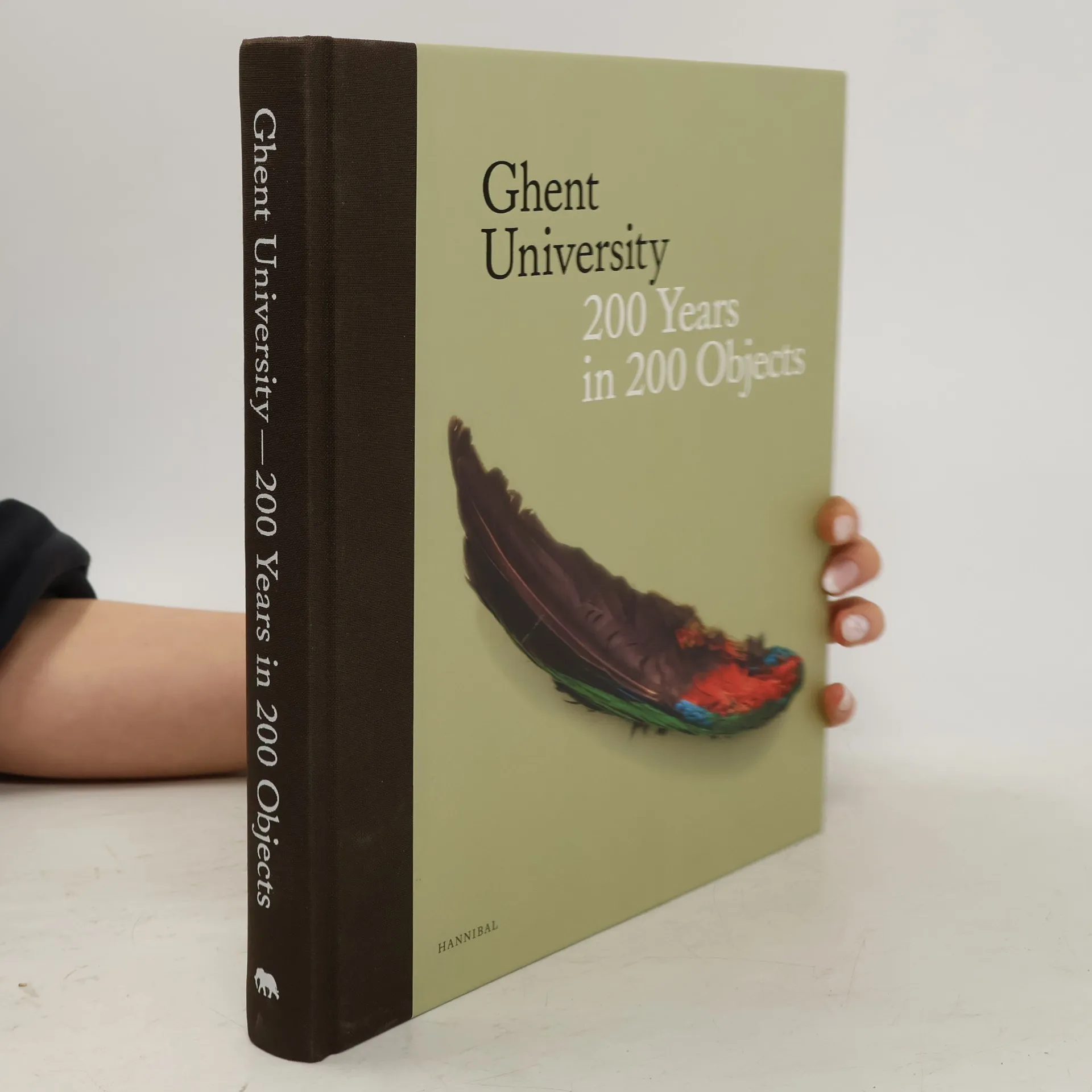
Ghent University
200 Years in 200 Objects
- Discover the hidden stories behind the historical treasures of the University of Ghent - A must-buy not only for those affiliated with the university, but also for anyone fascinated by what objects reveal through their historical context On 9 October 1817 Ghent University welcomed its first students. Two hundred years later this moment is celebrated with a beautiful publication in which the history of the university is told in words and images, by means of two hundred objects that each carry a piece of the story: from the student card of Vuile Mong (Dirty Mong), via the forceps of Jan Palfijn, to the ermine on the rector's gown. The book reveals why the cover of Gorki's last record would have looked completely different without the university's Morphology Museum and how the ECOCar Energy 5 can take you from Stockholm to Barcelona on the equivalent of just one litre of petrol. It also tells you what the acclaimed Armenian poet Varoujean has to do with Ghent University. This book is an absolute must for all students of Ghent University, past and present - but also for those who enjoy discovering the hidden stories behind objects.
Het oude Rome voor vijf denarii per dag
- 200 Seiten
- 7 Lesestunden
Reisgids voor het oude Rome van 200 na Chr.
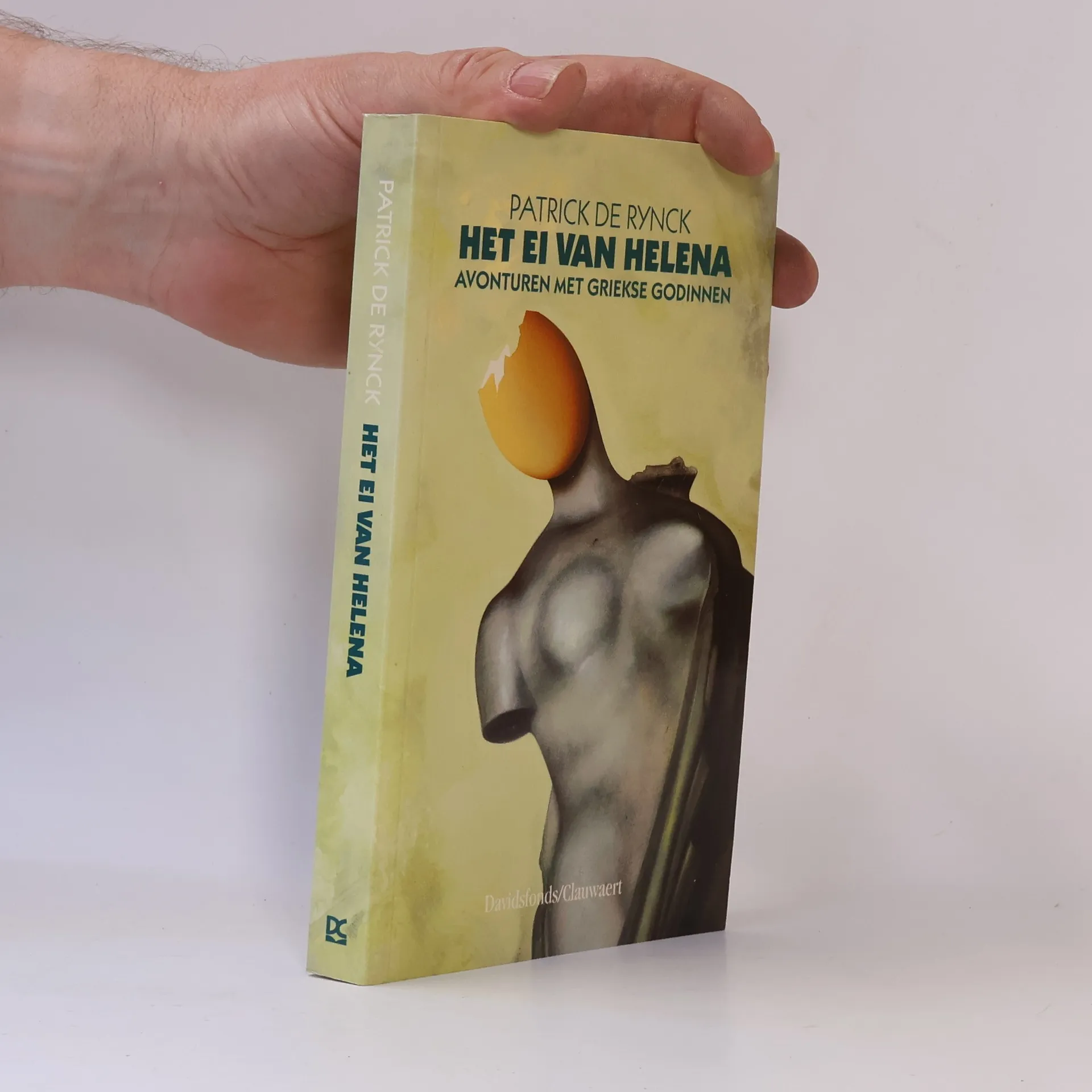
Speelse navertellingen van Oudgriekse mythen over Helena en andere heldinnen.
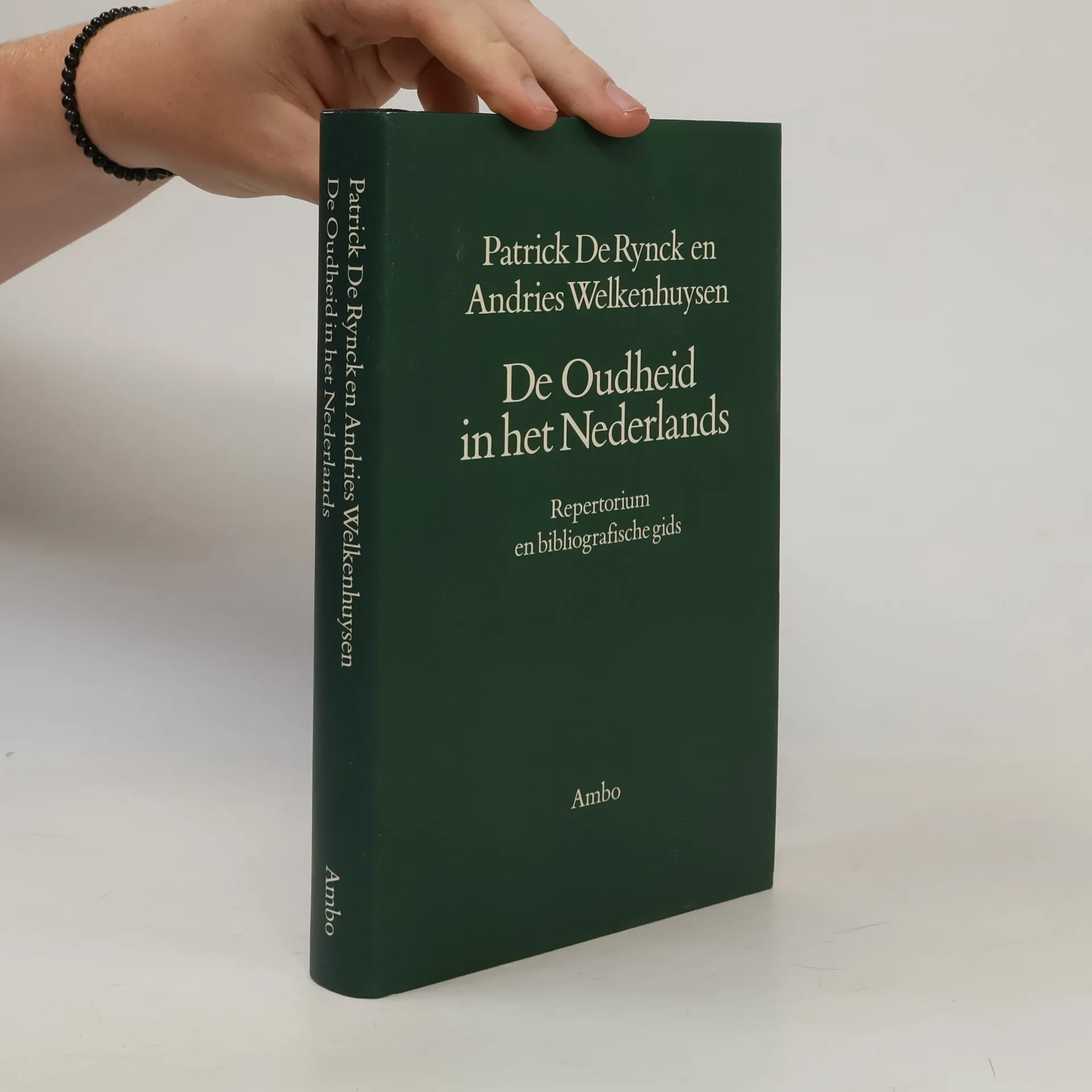
De oudheid in het Nederlands
Repertorium en bibliografische gids voor vertalingen van Griekse en Latijnse auteurs en geschriften
- 432 Seiten
- 16 Lesestunden
Dutch
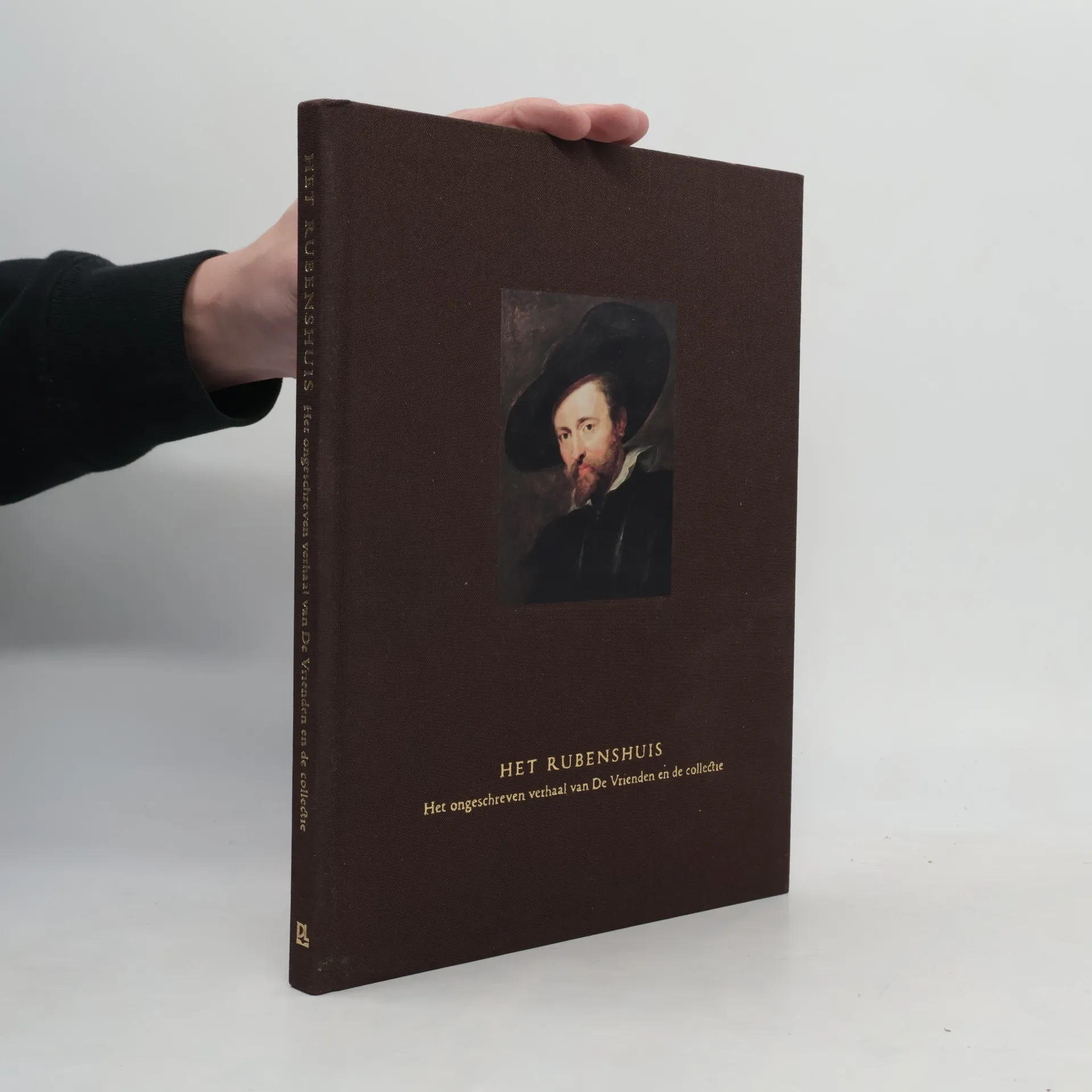
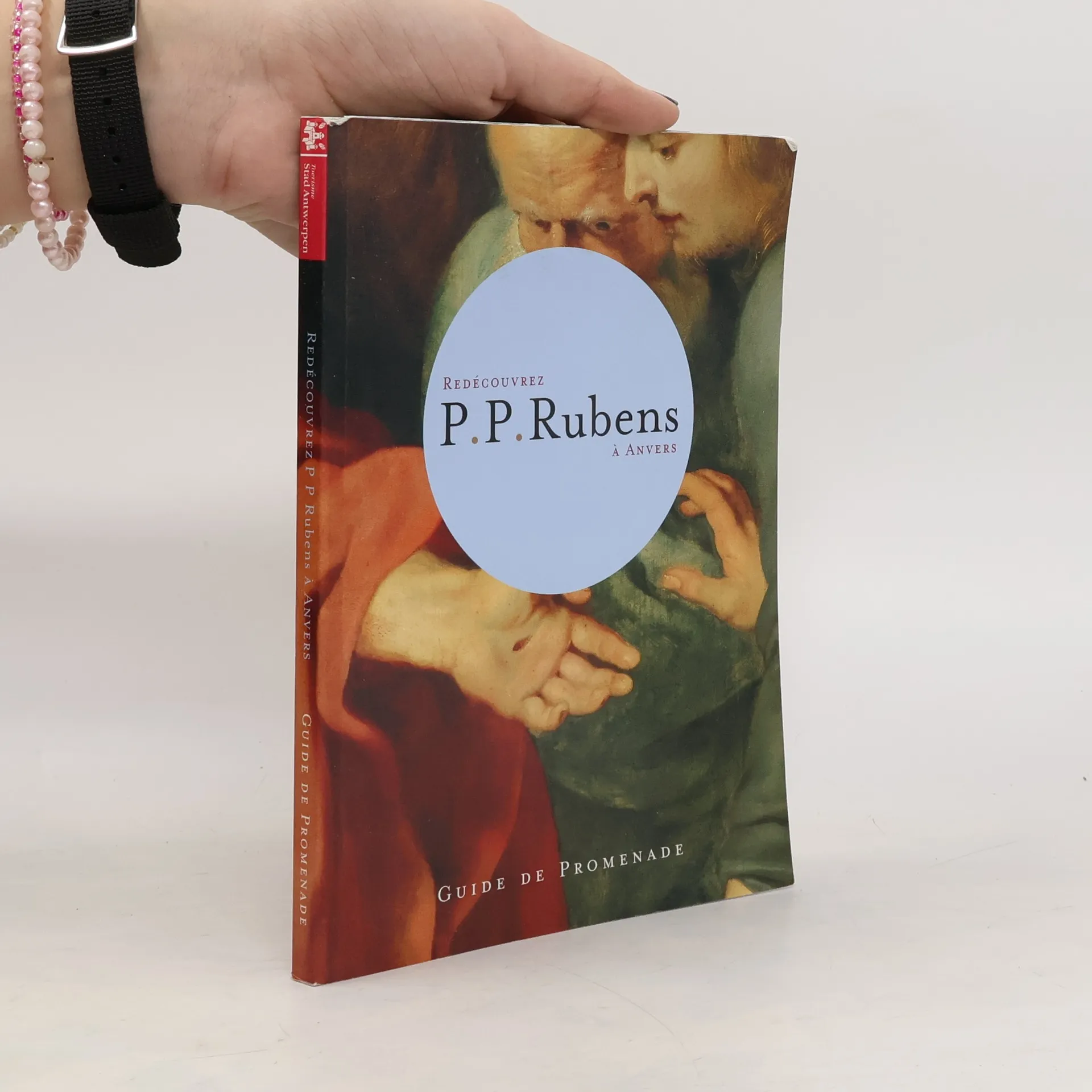
Bespreking van de collectie van het Rubenshuis in Antwerpen en de zestigjarige geschiedenis van de vriendenvereniging.
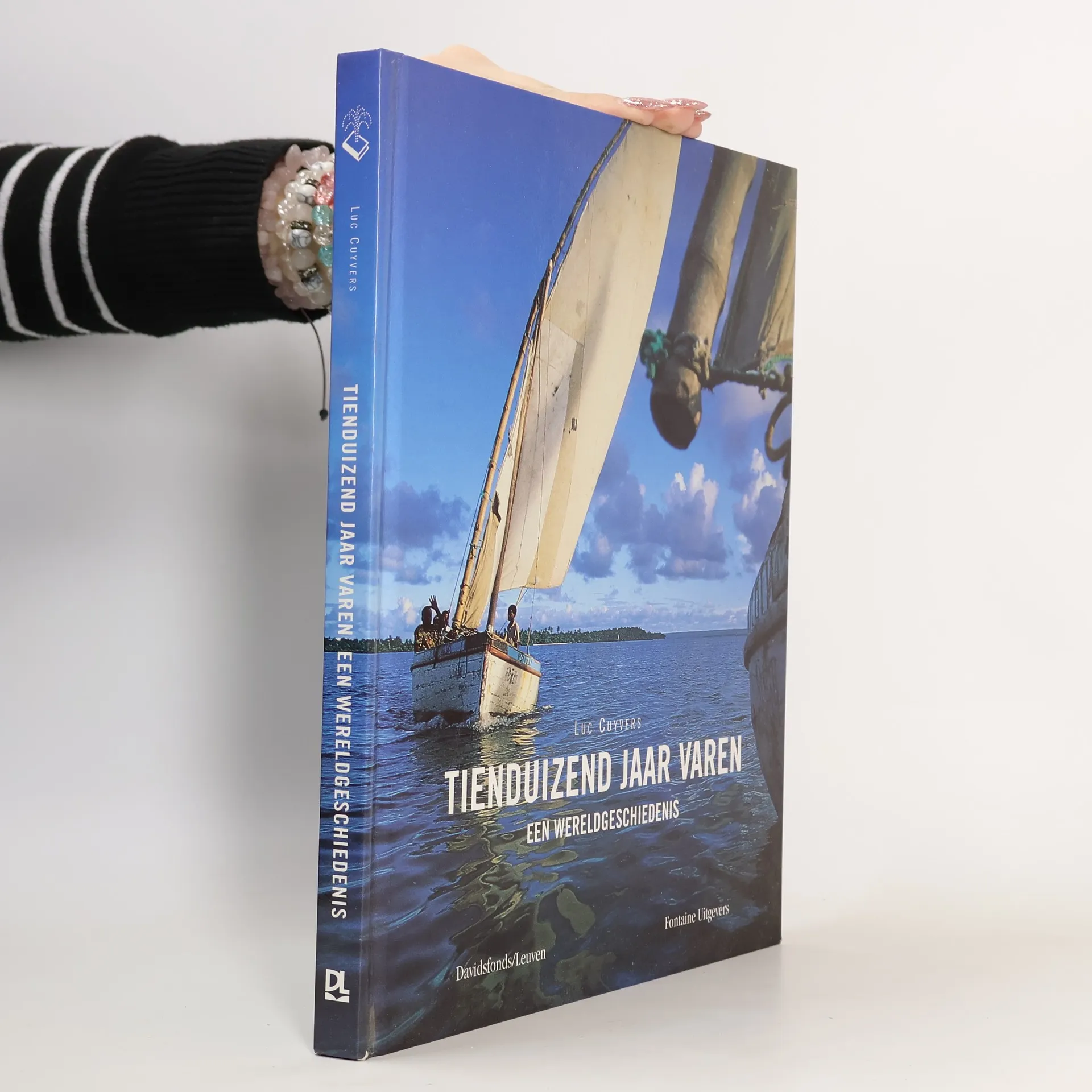
Vanuit een intercultureel perspectief wordt een beeld gegeven van de martitieme geschiedenis gedurende tienduizend jaar in het zuidelijk deel van de Grote Oceaan, de Arabische/Indische Oceaan, de Chinese Zee en de Europese wateren.
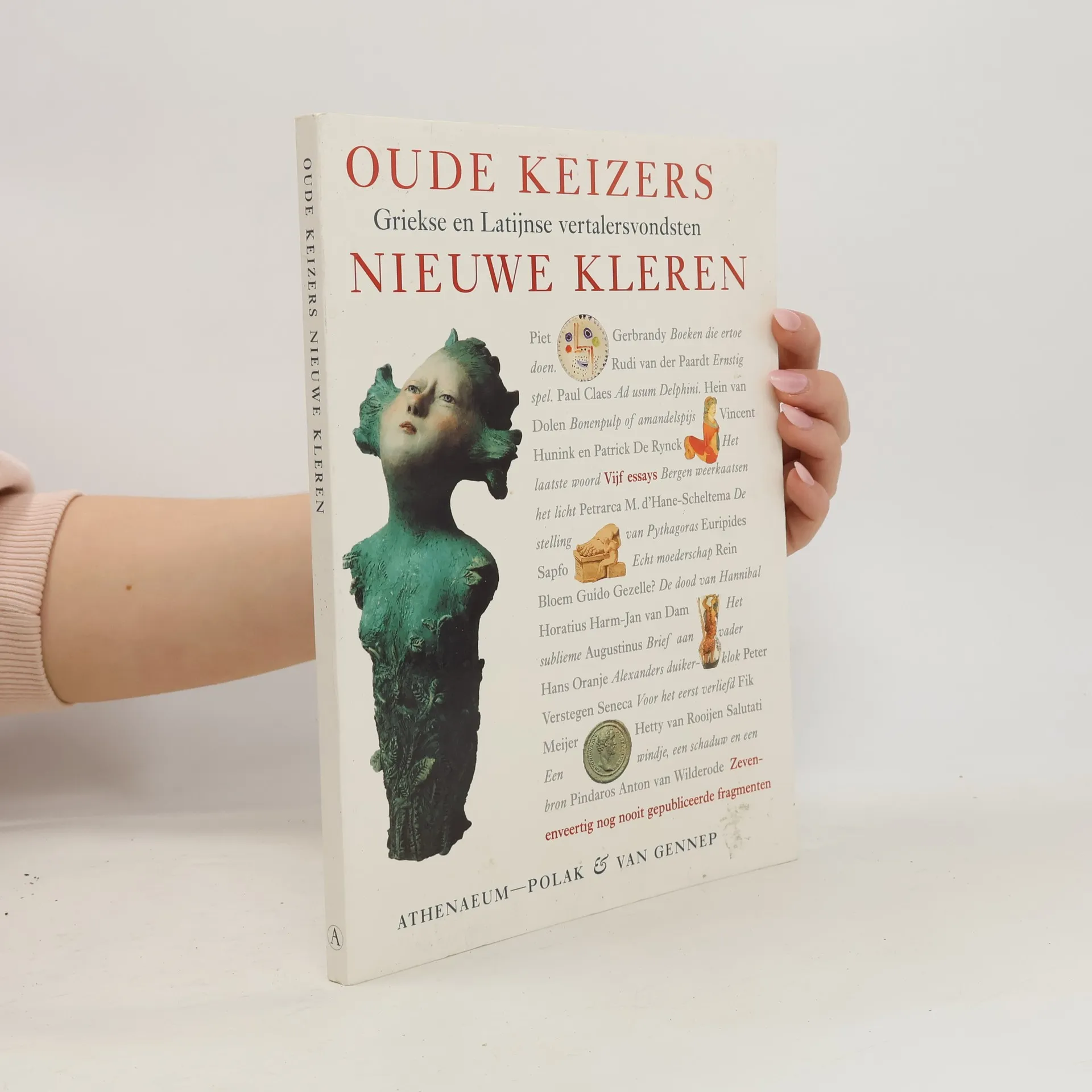
Oude Keizers Nieuwe Kleren
Griekse en Latijnse vertalersvondsten