

It has been suggested that the big questions of science are answered – that science has entered a “twilight age” where all the important knowledge is known and only the details need mopping up. And yet, the unprecedented progress in science and technology in the twentieth century has raised qu- tions that weren’t conceived of a century ago. This book argues that, far from being nearlycomplete, the storyof sciencehas many morechapters, yet unwritten. With the perspective of the century’s advance, it’s as if we have climbed a mountain and can see just how much broader the story is. Instead of asking how an apple falls from a tree, as Isaac Newton did in the17thcentury, wecannowask: Whatisthefundamentalnatureofanapple (matter)? How does an apple (biological organism) form and grow? Whence came the breeze that blew it loose (meteorology)? What in a physical sense (synaptic ? rings) was the idea that Newton had, and how did it form? A new approach to science that can answer such questions has sprung up in the past 30 years. This approach – known as nonlinear science–ismore than a new ? eld. Put simply, it is the recognition that throughout nature, the whole is greater than the sum of the parts. Unexpected things happen.
Alwyn Scott Reihenfolge der Bücher (Chronologisch)

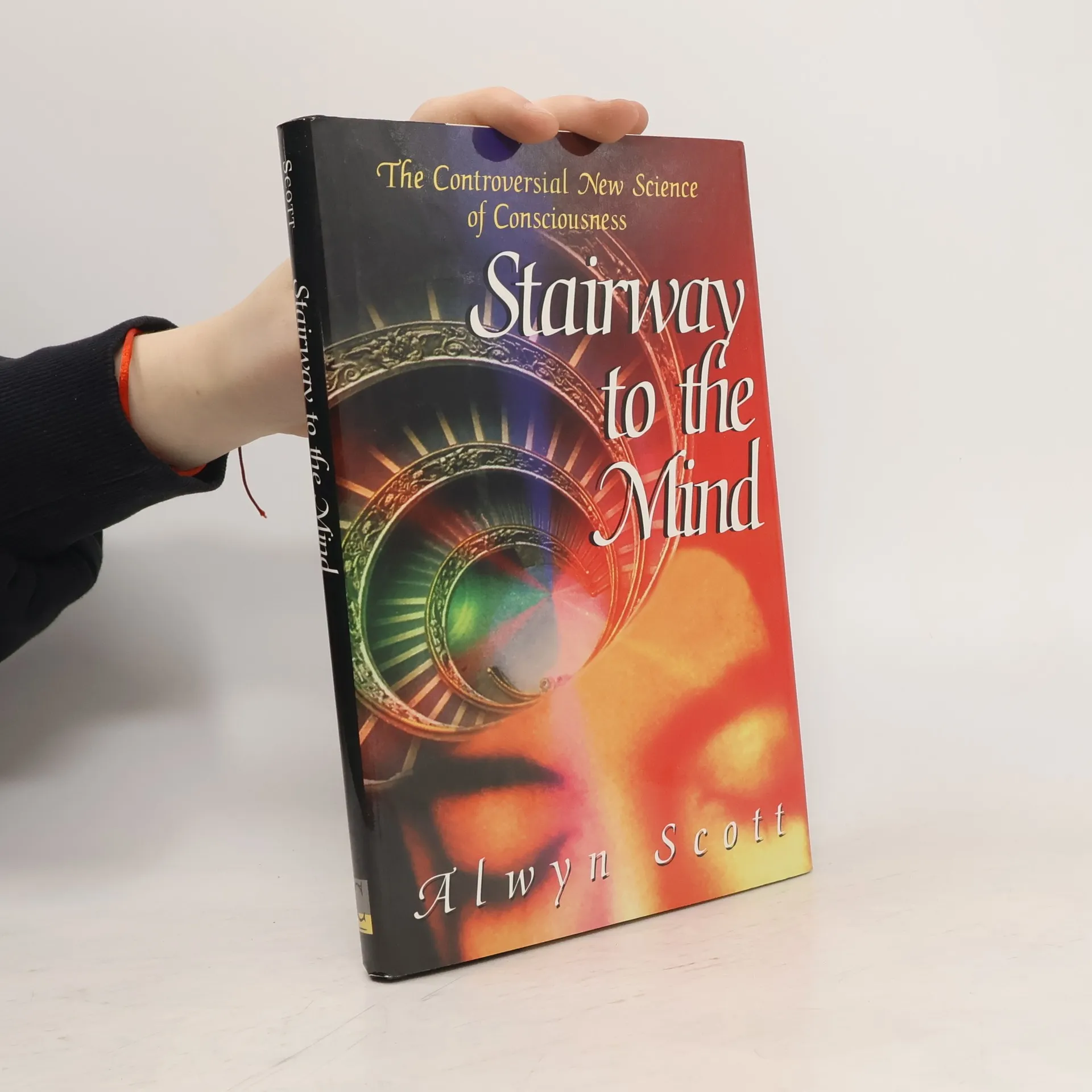
Stairway to the Mind
- 229 Seiten
- 9 Lesestunden
Human consciousness has perplexed philosophers, artists and scientists for centuries. Some hold it to be purely physical, while others believe it transcends the material world. Now comes a book that offers a new perspective - based entirely on evidence from the natural sciences - whereby materialism and dualism co-exist. The author - a distinguished pioneer of nonlinear dynamics - bases his argument on a hierarchical view of mental organization; a stairway. Atoms give rise to molecules, neurons form the brain and individual consciousness leads to shared culture. All steps are needed to complete the picture and each level derives from the previous one. The book shows specialists how each of their fields adds to the overall picture, while providing general readers with an introduction to this investigation.