

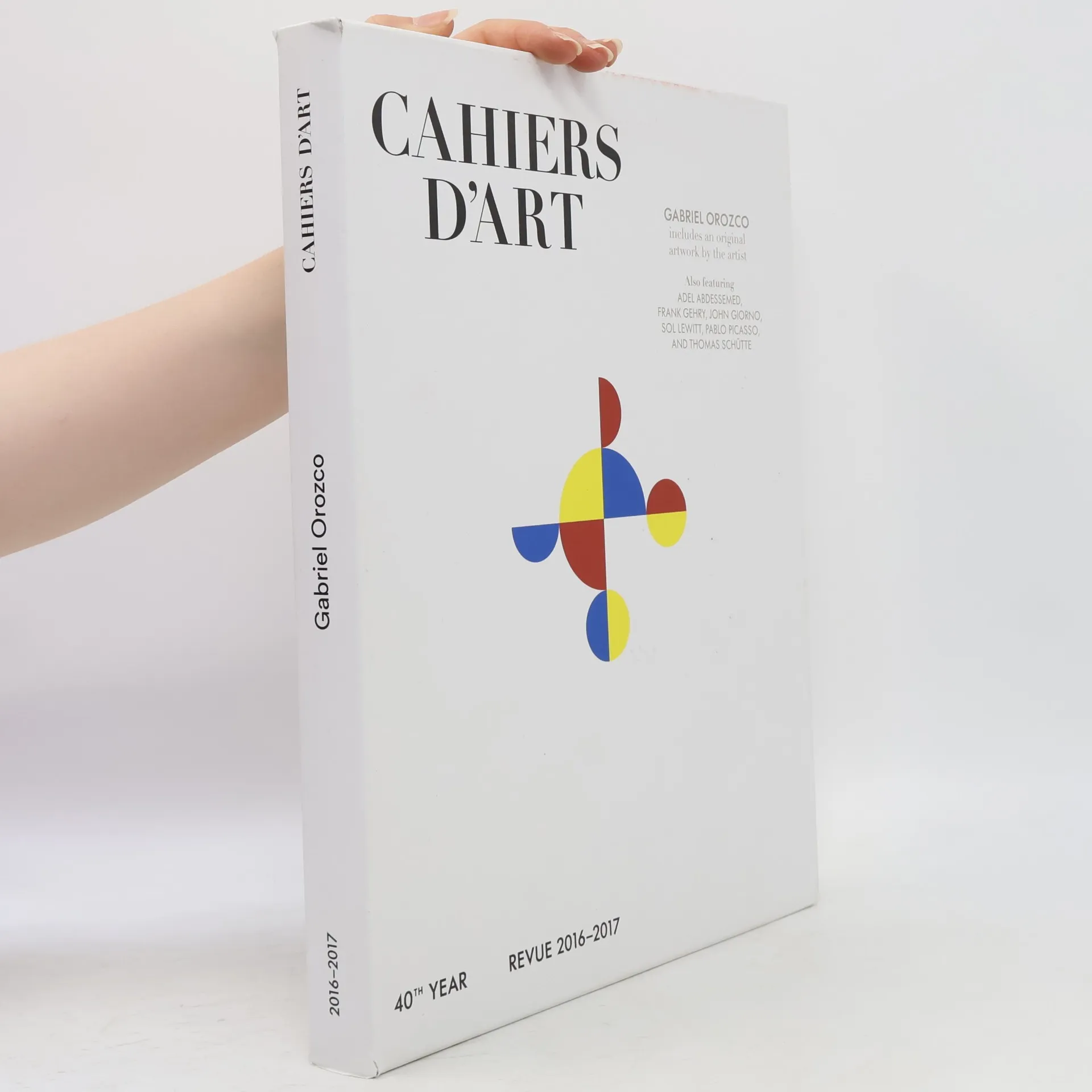
The 2016-2017 Cahiers d'Art revue featuring Gabriel Orozco explores the artist’s recurring themes of geometry, games, working tables throughout commissioned texts by Briony Fer, Benjamin Buchloh, André Rottman and an interview between Hans Ulrich Obrist and Orozco.Abundantly illustrated with series of major works as well as the artists most recent and largely unpublished works, this unique publication also includes an original silk-screened artwork made specially by Orozco for the issue.Also Excerpts from the Catalogue Raisonné of the drawings of Frank Gehry by Jean-Louis Cohen (to be published by Cahiers d’Art in Spring 2020); A text by Béatrice Gross on the late wall drawings of Sol LeWitt; A visual story of the creative process behind the newly opened Skulpturenhalle housing the Thomas Schütte Foundation, the largest building constructed from a model by the artist; A comprehensive essay on the influence of Cahiers d’Art on the work of Picasso, specifically focusing on his ceramics, by Picasso scholar Harald Theil; Portfolios of recent works by Adel Abdessemed and John Giorno; The former is accompanied by an essay by Daniel Birnbaum.
Adel Abdessemed Reihenfolge der Bücher (Chronologisch)
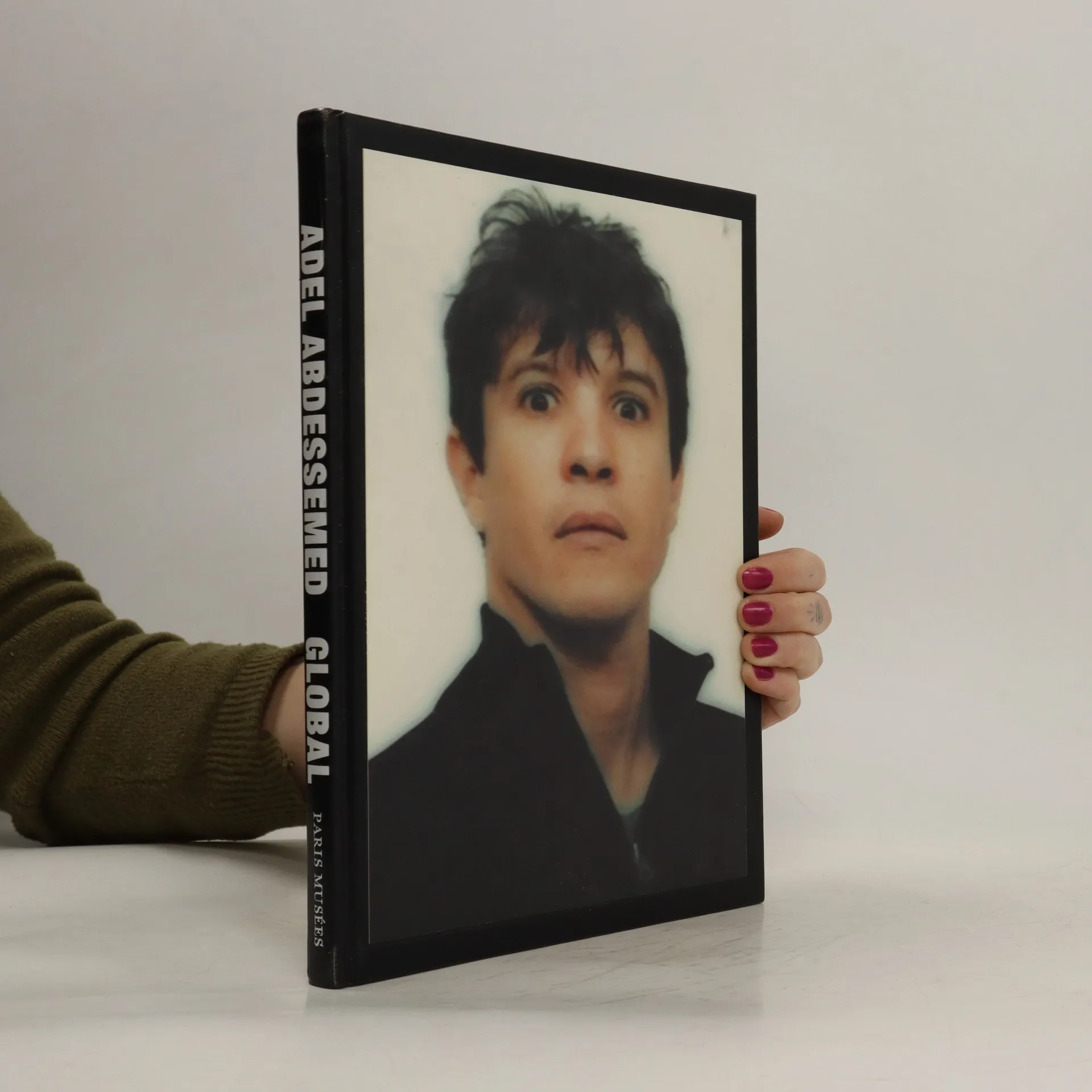
Adel Abdessemed
- 95 Seiten
- 4 Lesestunden
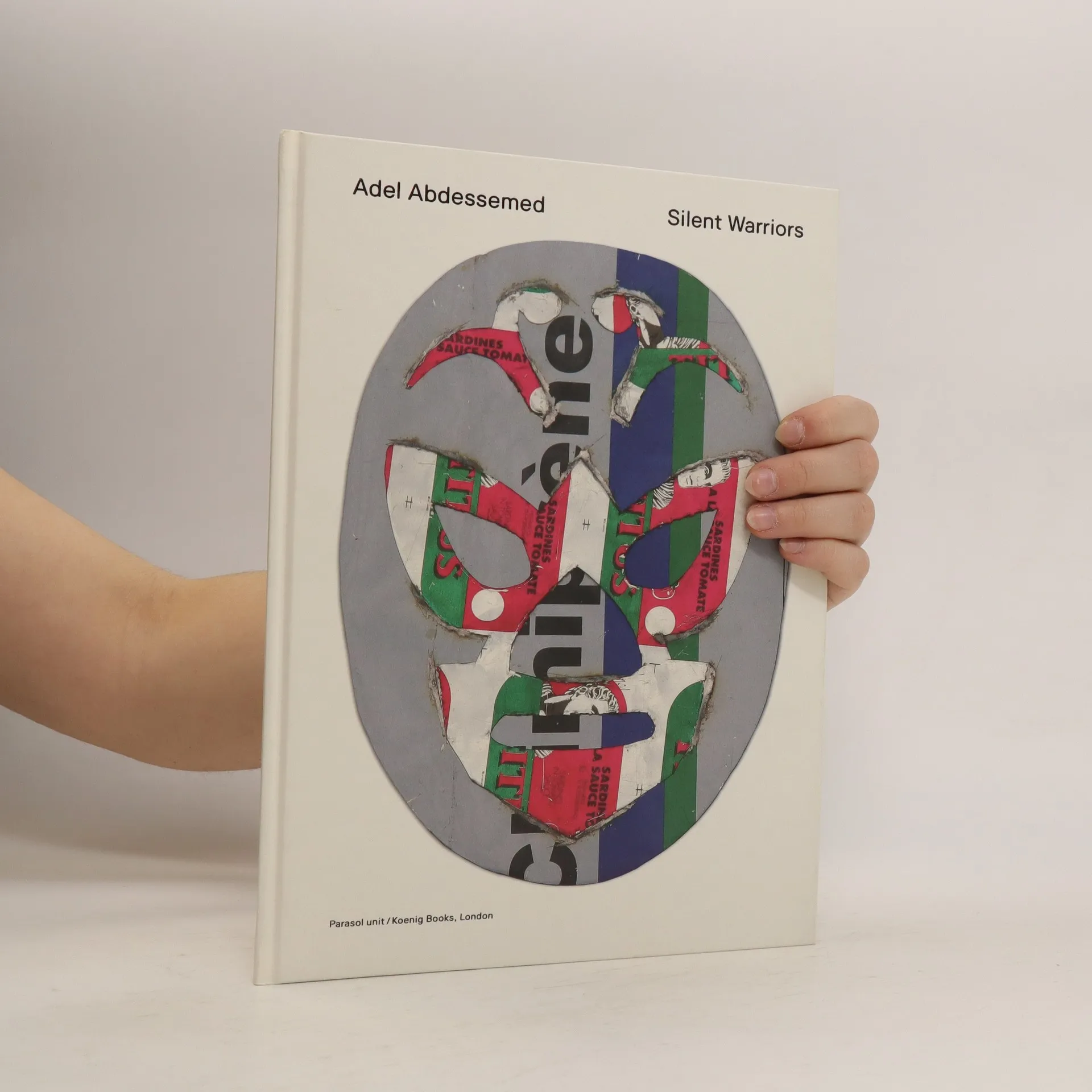
Published alongside an exhibition at Parasol unit foundation for contemporary art (22 September - 21 November 2010), the first solo exhibition in London that is dedicated to the work of Adel Abdessemed. Working across a wide range of different media, including sculpture, installation, video, photography and drawings, Abdessemed passionately tackles difficult subject matter and taboos within society and presents them as naked truth. Yet beyond their often challenging and provocative appearance, his works embody the fragility of life and are deeply imbued with beauty and poetry. Abdessemed's exhibition at Parasol unit highlights precisely the vulnerability and aesthetic sensitivity in the work of this important twenty-first-century artist. The exhibition is organised around two of his major works; Habibi, 2003, a 17 metre human skeleton made of fibreglass; and silent warrior, which includes numerous colourful masks made from found and empty tin cans from Africa, which once contained either food or toxic material. Abdessemed was born in Algeria in 1971 and now lives and works in Paris.