

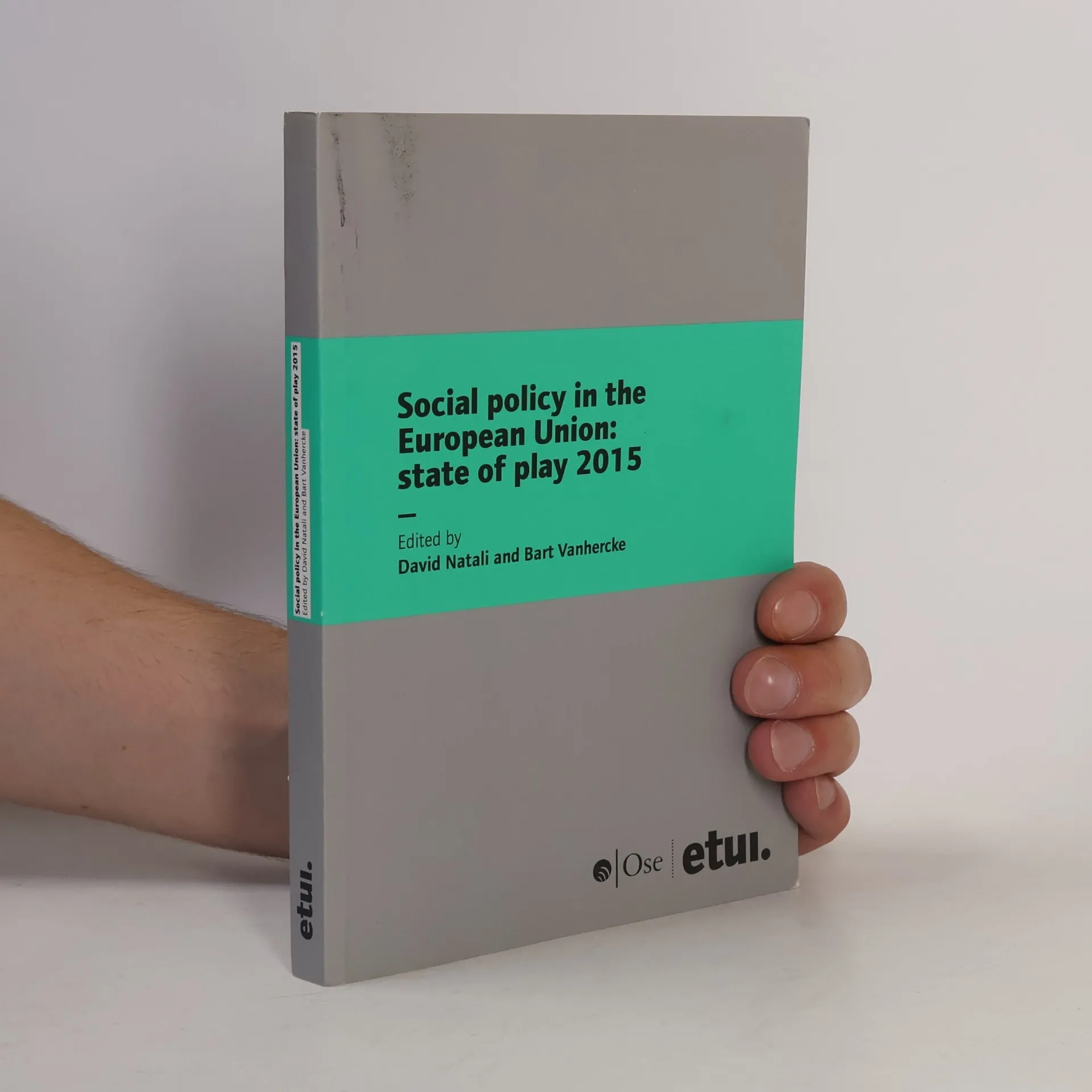
The sixteenth edition of Social policy in the European Union: state of play has a triple ambition. It offers accessible information about recent developments in EU and domestic social policymaking, provides an analytical perspective by embedding key developments of 2014 within current academic discourses, and aims to equip stakeholders and policymakers with tools to identify new opportunities for influencing policymaking. The year 2014 began with a distinct atmosphere of hope in the EU, emphasizing the need for investments to foster growth. However, subsequent developments have shown that these 'results' are merely potential and not yet realities. Increasing social and economic divergence, along with rising tensions between the EU's North and South, suggest that the future could entail a strengthening of the status quo, a retreat, or even a significant setback for the EU. The authors examine EU politics post-parliamentary elections, the socialization of political protest methods, the Juncker investment plan, the EU's investment strategies, its contested influence on national healthcare, and the implications of the Transatlantic Trade and Investment Partnership (TTIP). For the first time in years, 2014 has opened a window of opportunity; the question remains whether the EU will seize it.
David Natali Bücher

Social Developments In The European Union 2013
- 262 Seiten
- 10 Lesestunden
The European Union has faced a significant period of rising anti-EU sentiments and challenges in implementing renewed socio-economic governance. Amidst this backdrop, European institutions have engaged in discussions aimed at overcoming recession and revitalizing integration. Despite many Member States adhering to strict austerity measures—while 27 million Europeans remain unemployed and a quarter of the population faces poverty—there is a consensus among stakeholders, particularly the trade union movement, on the necessity of an EU-driven growth strategy. This 2013 edition of Social developments in the European Union offers essential insights from analysts and scholars. Contributors critically assess recent EU economic governance and propose guidelines for a strengthened EU social protection and investment plan. Key proposals include a pan-European unemployment insurance scheme and an EU minimum income scheme, alongside an emphasis on the gender dimension in social policies. Additionally, the volume reviews national labor market policy reforms. Although the European economy remains bleak, the proposed institutional and policy reforms present an opportunity to forge a new path for Europe.