

Sprühende Vulkane, fossilienreiche Erdschichten und Weltraumgestein: eine spannende Reise durch die Erdgeschichte. Gesteine lesen lernen: Was Felsen, Steine und Mineralien über die Vergangenheit erzählen. Reich bebildert mit über 200 Farbfotos, bietet die geologische Exkursion Einblicke in fantastische Gesteinsformationen. Gesteine erzählen von Landschaften und Meeren, die von Dinosauriern und riesigen Meeresreptilien bewohnt wurden, sowie von Trilobiten und Korallen. Diese Geschichten reichen weiter; sie zeigen die Geschwindigkeit und Stärke von Strömungen in verschwundenen Flüssen und längst ausgetrockneten Meeren. Sie veranschaulichen die Kräfte, die bei Lawinen oder Meteoriteneinschlägen wirken, und verfolgen den Weg von glühendem Magma durch die Erde. Gesteine tragen Erinnerungen an elementare Naturkräfte und geben Hinweise auf Klimawandel und Energieverbrauch. Die verborgene Geschichte der Erde entschlüsselt die Gesteine um uns herum und lässt die Erdgeschichte Schicht für Schicht nachvollziehen. Themen wie die prähistorische Verschiebung der Kontinente, Diamanten-Vulkane, alte Küstenlinien, Flüsse, Wüsten und Korallenriffe werden behandelt. Der Autor enthüllt die Geheimnisse und Geschichten, die in den Gesteinen verborgen liegen.
Jan Zalasiewicz Bücher


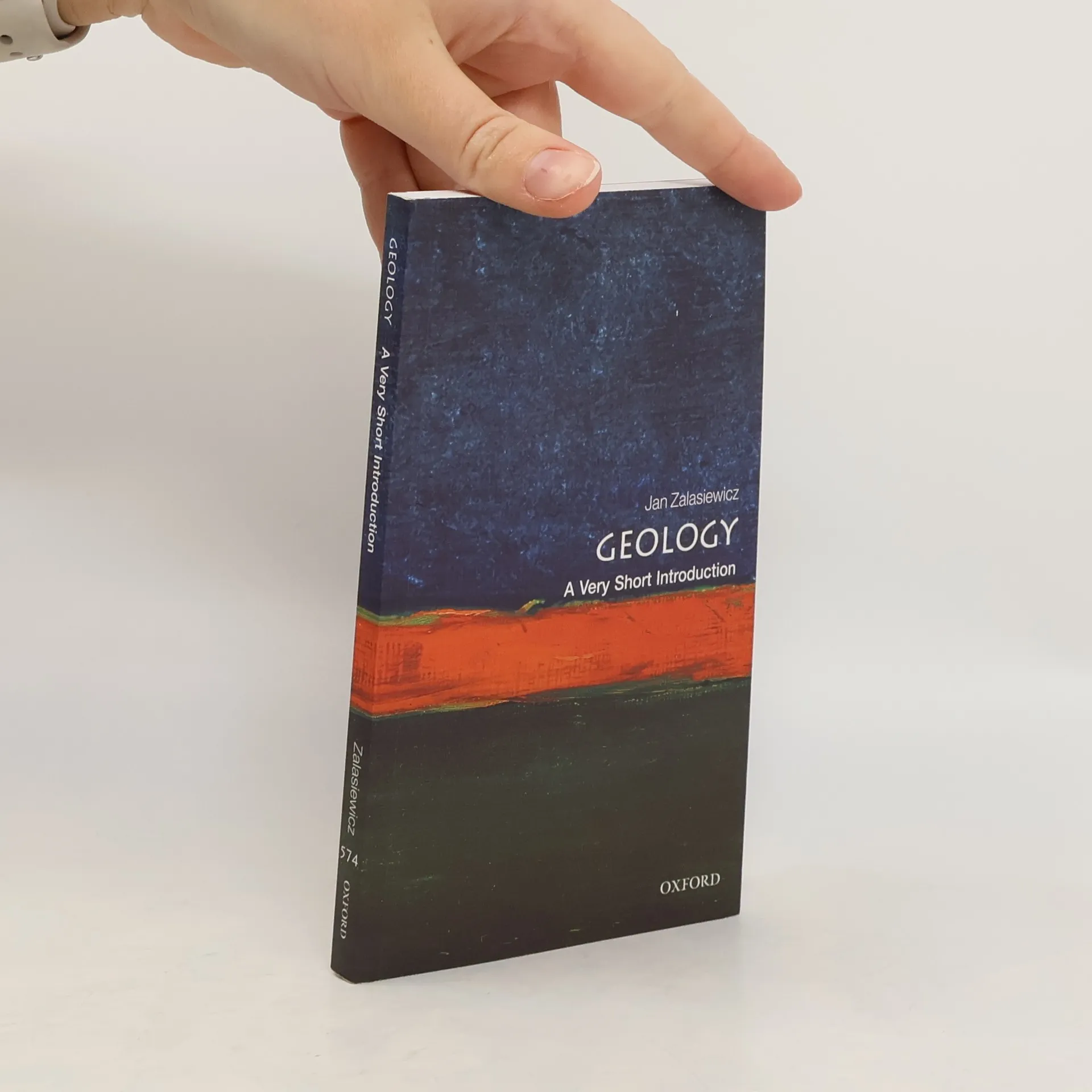
Geology: A Very Short Introduction
- 152 Seiten
- 6 Lesestunden
I have never read a better introduction to this vast, fascinating, and vital subject. It really is like seeing the world in a grain of sand. Dr Ted Nield, Editor, Geoscientist magazine
Rocks: A Very Short Introduction
- 144 Seiten
- 6 Lesestunden
"In this Very Short Introduction Jan Zalasiewicz looks at the structure and diversity of rocks, and the processes by which they form. He describes their formation during the birth of our planet; considers what rocks there might be in Earth's deep mantle and core and on other planets; and shows how humans are creating new rock types today."--
Geologist Jan Zalasiewicz takes the reader on a fascinating trip one hundred million years into the future--long after the human race becomes extinct--to explore what will remain of our brief but dramatic sojourn on Earth. He describes how geologists in the far future might piece together thehistory of the planet, and slowly decipher the history of humanity from the traces we will leave impressed in the rock strata. What story will the rocks tell of us? What kind of fossils will humans leave behind? What will happen to cities, cars, and plastic cups? The trail leads finally to the bonesof the inhabitants of petrified cities that have slept deep underground for many millions of years. As thought-provoking as it is engaging, this book simultaneously explains the geological mechanisms that shape our planet, from fossilization to plate tectonics, illuminates the various ingenious waysin which geologists and paleontologist work, and offers a final perspective on humanity and its actions that may prove to be more objective than any other.
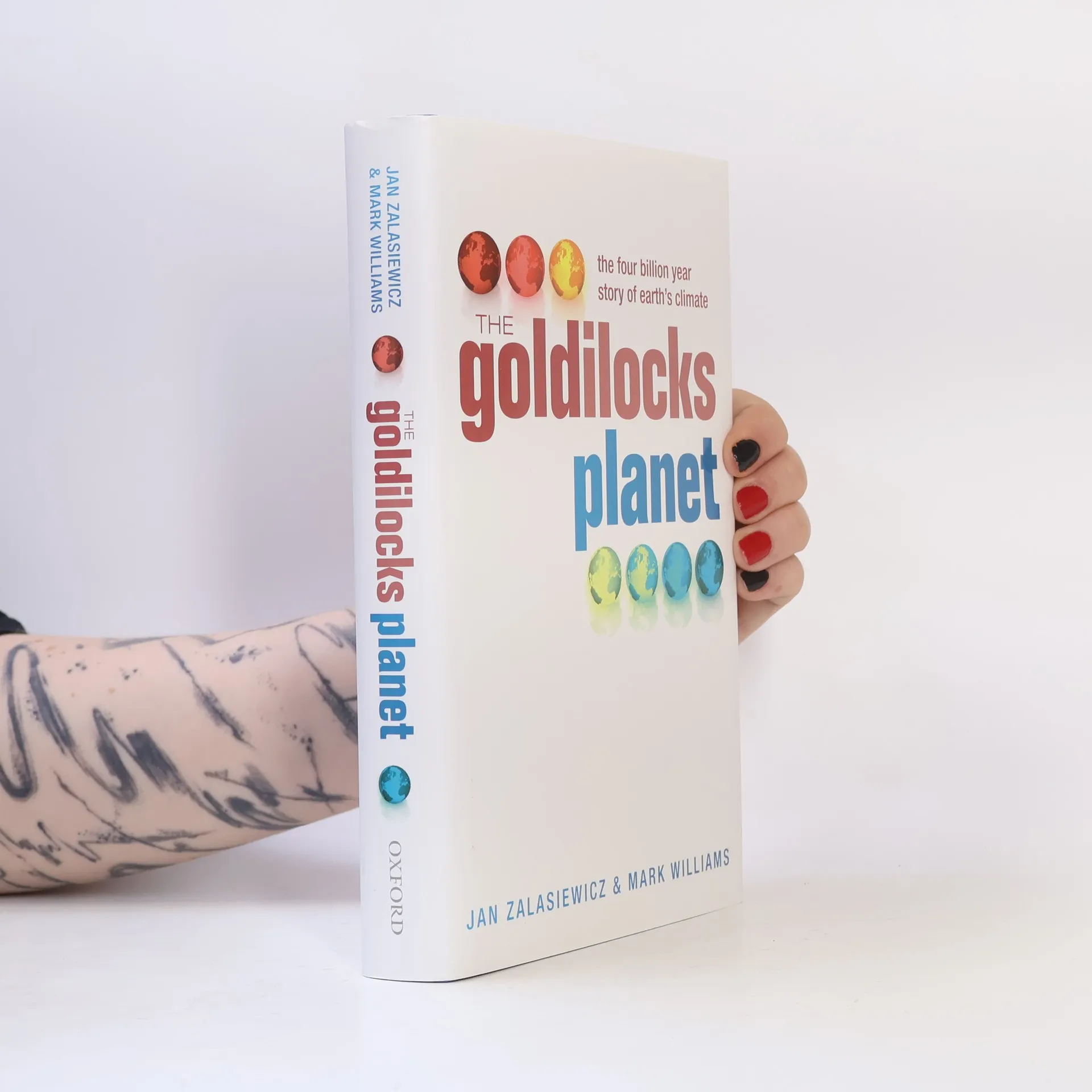
Climate change is a pressing issue today, with ongoing shifts in global temperatures, rainfall, and sea levels. However, as Jan Zalasiewicz and Mark Williams illustrate, the current climatic changes pale in comparison to the dramatic fluctuations Earth has experienced over its 4.5 billion-year history. The authors recount a series of abrupt climate shifts, from extreme cold to intense heat and from arid to humid conditions. They delve into the Cryogenian period, when the planet underwent a "Snowball Earth" phase, enveloped in ice, only to experience a sudden thaw that unleashed fierce hurricanes. The narrative also explores the Carboniferous period, characterized by tropical jungles at the equator, and the Cretaceous period, where polar regions were lush with conifer forests instead of ice. Clues to these climatic changes are embedded in the Earth's strata, presenting a complex yet fascinating puzzle for geologists. As they work to decode this evidence, the story of Earth's climate is being reconstructed in greater detail, potentially offering insights into contemporary climate change. Throughout these transformations, Earth has remained uniquely habitable, earning its title as "the Goldilocks planet."