
Bookbot

Gray Cook

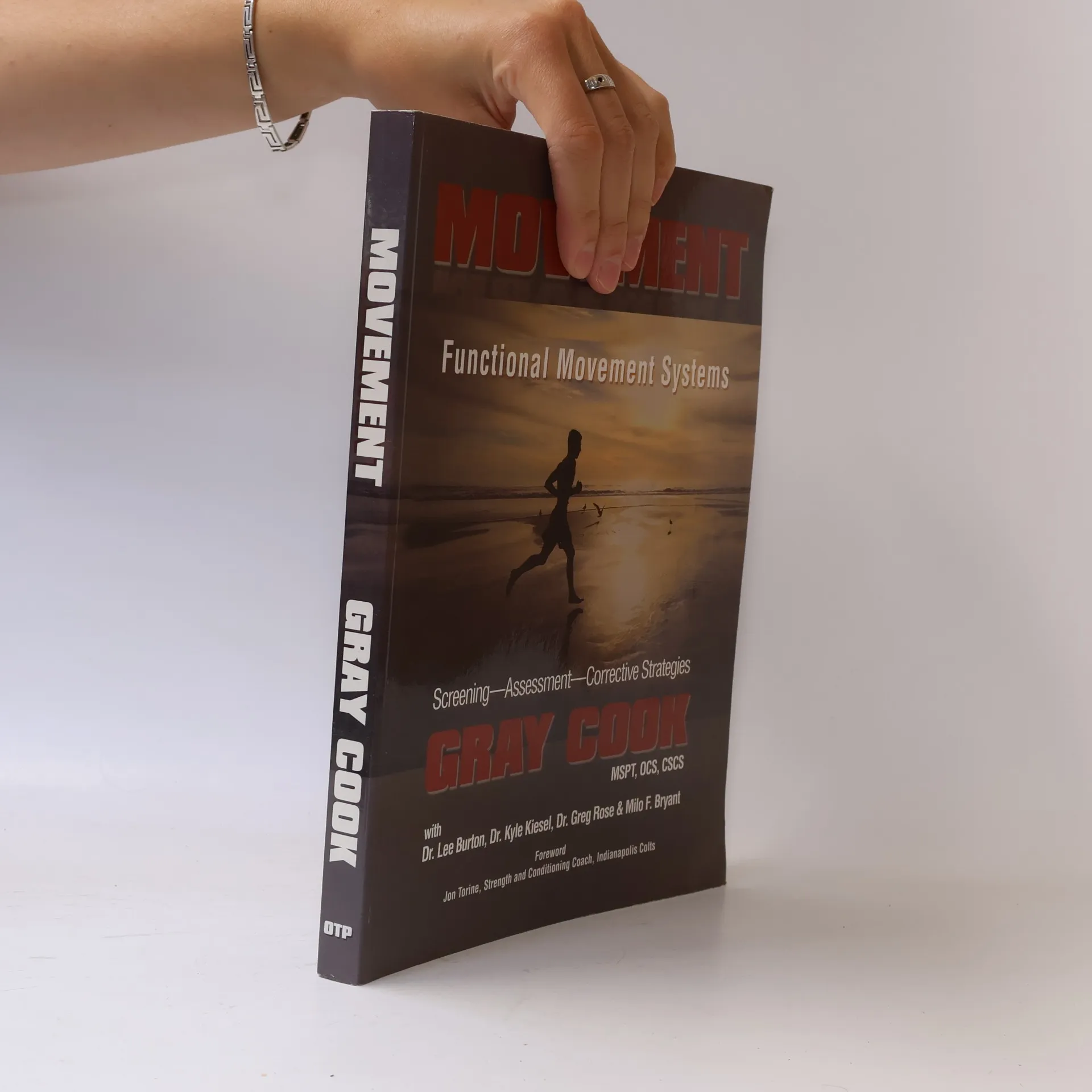
    Movement Functional Movement Systems
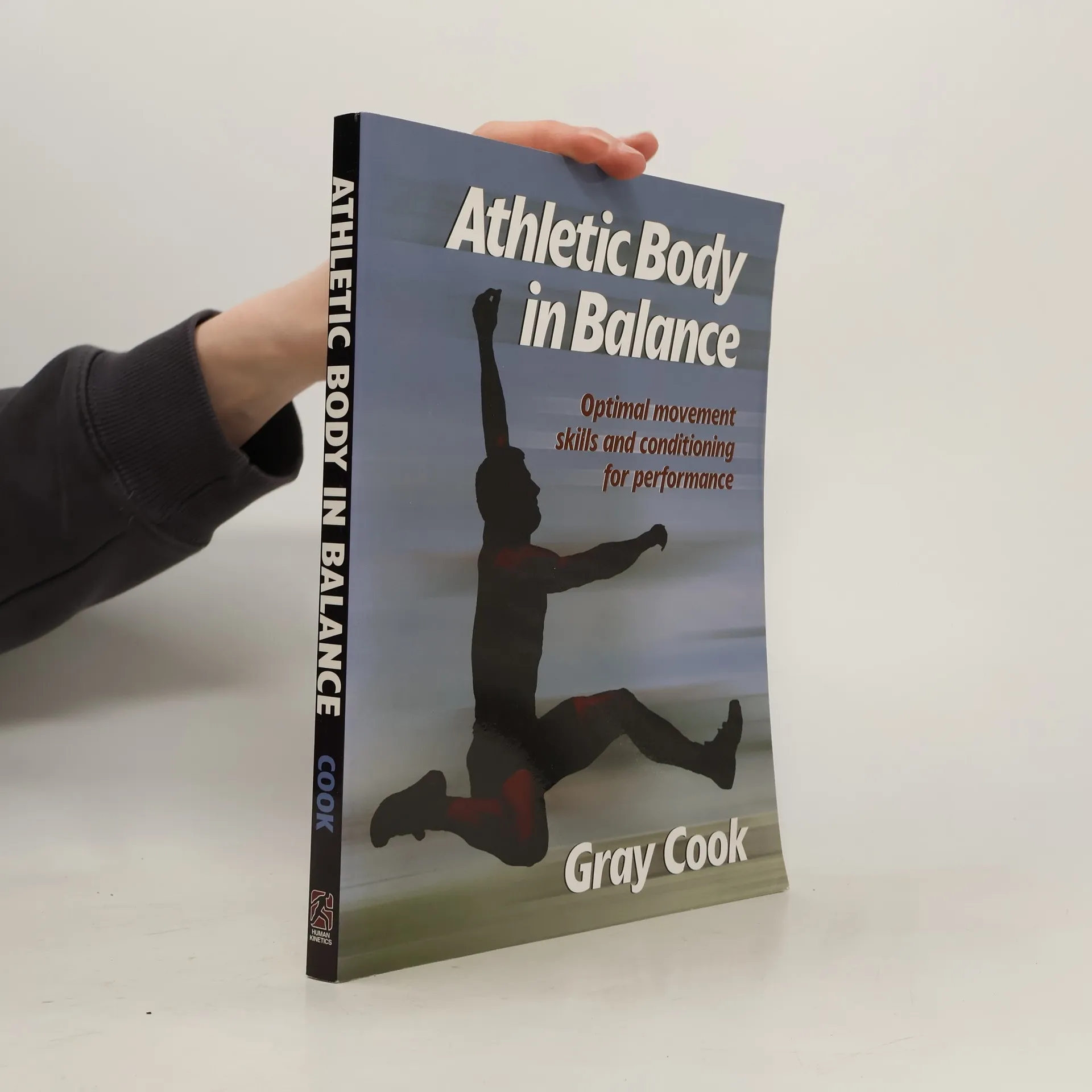
    Athletic Body in Balance
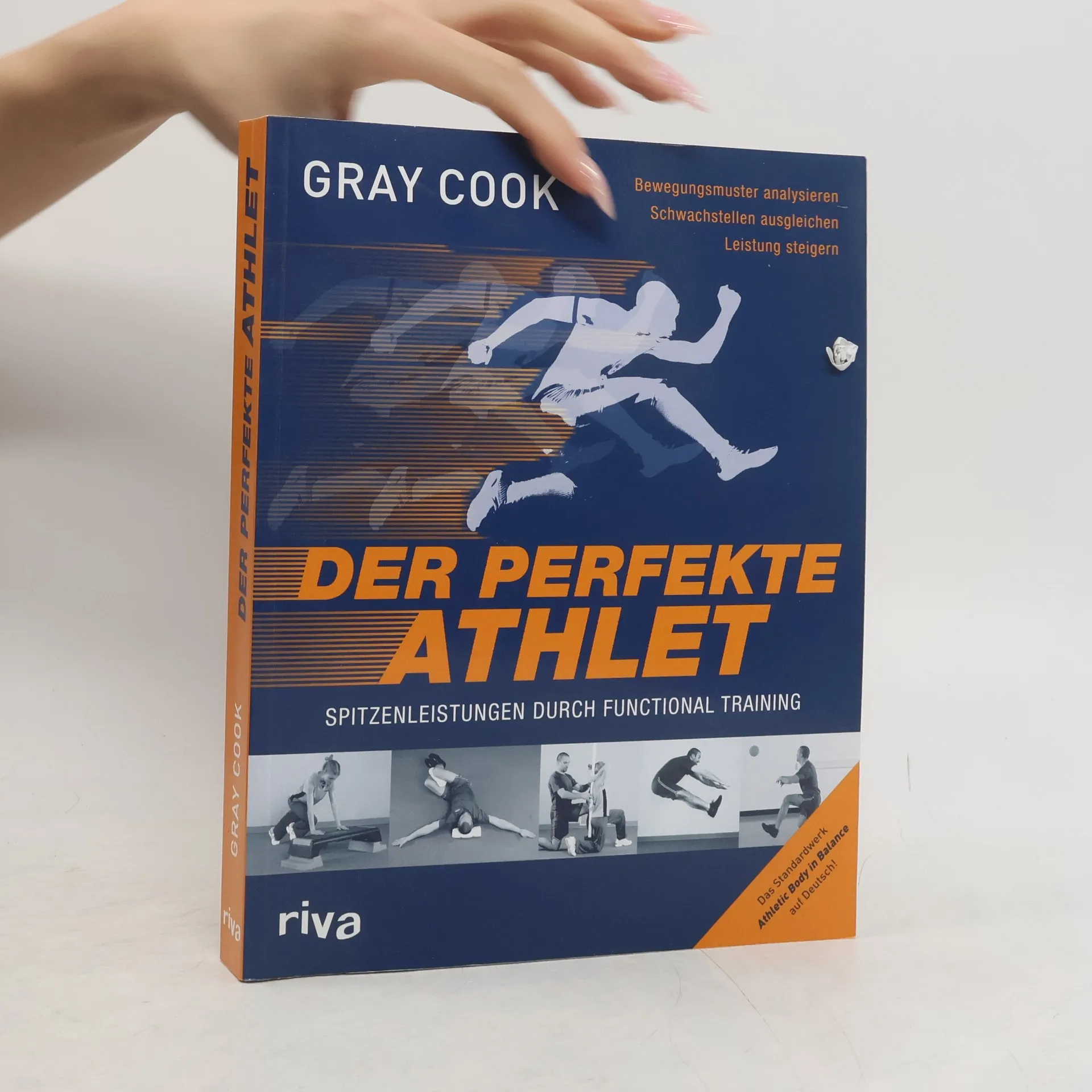
    Der perfekte Athlet
    • Der perfekte Athlet

      Spitzenleistungen durch Functional Training

      **Das Topthema im Leistungssport** Traditionelles Kraft training verbessert lediglich die allgemeine Kraft und Kondition, doch moderne Trainingsmethoden beziehen sportartspezifi sche Bewegungsmuster mit ein. Dieses bahnbrechende Grundlagenwerk zeigt auf, wie jeder Sportler harmonische, fl ießende Bewegungen erlernen und dadurch muskulären Dysbalancen, Gleichgewichtsproblemen und Verletzungen entgegenwirken kann. Gray Cook, der bekannte Physiotherapeut und Experte auf den Gebieten der Trainingstheorie und Rehabilitation, hat ein Test- und Übungsprogramm entwickelt, dessen Wirksamkeit er in seiner Arbeit mit Profibasketballern, -footballern, und -hockeyspielern der NFL, NBA, NHL und WNBA sowie im Trainingsprogramm der Reebok University ausreichend bewiesen hat.

      Der perfekte Athlet
      3,9
    • Athletic Body in Balance

      • 222 Seiten
      • 8 Lesestunden

      This book is designed to help any athlete match their training to the fundamental movement requirements found in game situations.

      Athletic Body in Balance
      4,0
    • Movement Functional Movement Systems

      Screening, Assessment, Corrective Strategies

      • 408 Seiten
      • 15 Lesestunden

      Movement is a vivid discovery and a fundamental teaching that redefines the return to basics. Author Gray Cook bridges the gap between rehabilitation, conditioning, and fitness, offering a clear model and common language for professionals in these fields. By employing systematic logic and revisiting the natural developmental principles infants use to learn movement, Cook prompts a reevaluation of motor learning, corrective exercise, and contemporary conditioning practices. Key insights include: - Viewing and measuring movement quality alongside quantity - Identifying dysfunctional patterns through the Functional Movement Screen - Understanding the essentials of Selective Functional Movement Assessments - Knowing when and which corrective strategies to apply - Mapping movement patterns and recognizing movement as a behavior rather than merely a mechanical concept This work transcends the anatomy of moving structures, aiming to enhance the reader's grasp of authentic human movement and the interplay between the brain and body in learning movement patterns. Modern dysfunctions stem from fragmented approaches to exercise in our sedentary lives. Embracing foundational movement principles can lead to a more holistic exercise and rehabilitation model, one that prioritizes movement itself.

      Movement Functional Movement Systems