Kanban
Der evolutionäre Weg zu agilen Organisationen. Band 1






Der evolutionäre Weg zu agilen Organisationen. Band 1
Most of what we know about emotions is unreliable. It's gathered either by asking people about their feelings, or by putting them in an MRI and studying how they react to pretend situations, to which they are unlikely to respond as they would in real life. If we're ever going to understand how emotions work, we need a better way of studying them. In The Nature of the Beast, pioneering neuroscientist David J. Anderson reveals how he has begun to solve this problem. He and his team have figured out how to study the brain activity of animals as they navigate real-life scenarios, like foraging, fleeing a predator, or competing for a mate. His research has revolutionized what we know about animal fear and aggression. Here, he explains what his research can teach us about human behavior, offering new insights into why isolation makes us more aggressive, how sex and violence connect, and whether there's a link between aggression and mental illness. Part How Emotions Are Made, part Mama's Last Hug, The Nature of the Beast reconceptualizes how the brain regulates emotions--and explains why we have them at all.
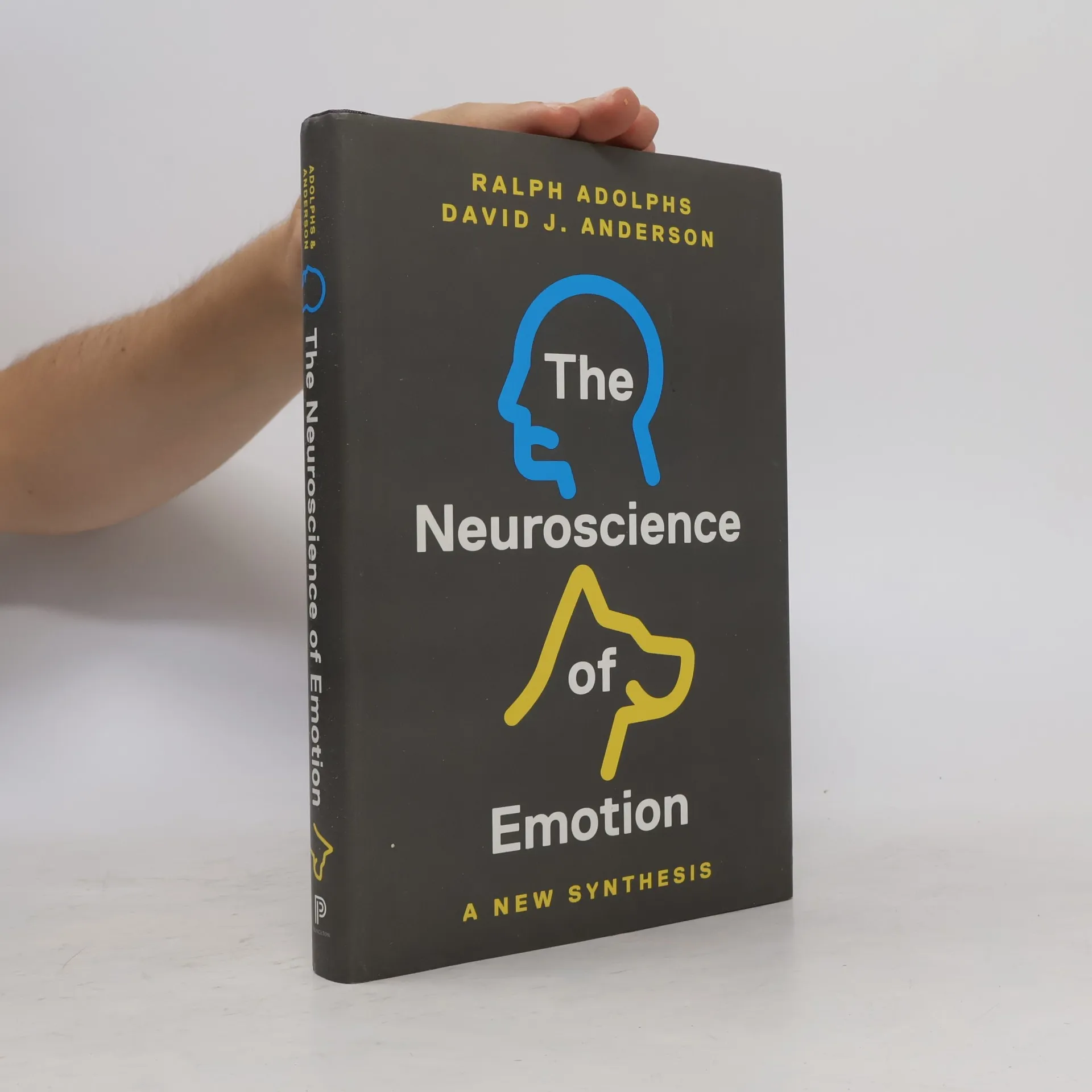
A new framework for the neuroscientific study of emotions in humans and animals The Neuroscience of Emotion presents a new framework for the neuroscientific study of emotion across species. Written by Ralph Adolphs and David J. Anderson, two leading authorities on the study of emotion, this accessible and original book recasts the discipline and demonstrates that in order to understand emotion, we need to examine its biological roots in humans and animals. Only through a comparative approach that encompasses work at the molecular, cellular, systems, and cognitive levels will we be able to comprehend what emotions do, how they evolved, how the brain shapes their development, and even how we might engineer them into robots in the future. Showing that emotions are ubiquitous across species and implemented in specific brain circuits, Adolphs and Anderson offer a broad foundation for thinking about emotions as evolved, functionally defined biological states. The authors discuss the techniques and findings from modern neuroscientific investigations of emotion and conclude with a survey of theories and future research directions. Featuring color illustrations throughout, The Neuroscience of Emotion synthesizes the latest in neuroscientific work to provide deeper insights into how emotions function in all of us.
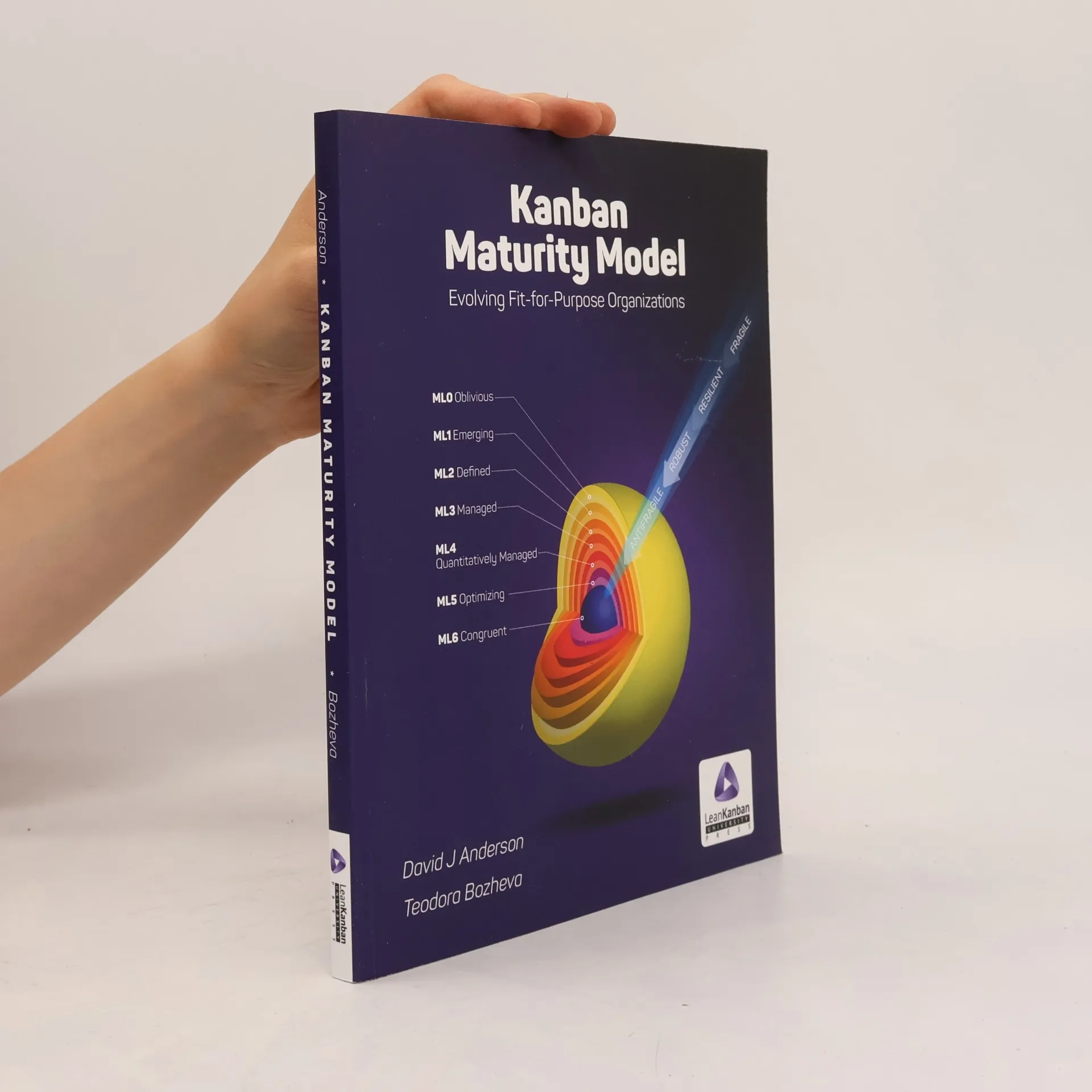
The Kanban Maturity Model (KMM) is a powerful tool for coaches and consultants guiding medium and large enterprises in transformation and improvement through the Kanban Method. Authored by David J. Anderson and Teodora Bozheva, this model outlines seven levels of organizational maturity aligned with six general Kanban practices, ensuring effective application and adoption. KMM offers a roadmap and specific actions to enhance fitness-for-purpose and business agility. It targets consultants, coaches, change agents, and managers leading enterprises in improving operations and service delivery. The model aims to eliminate common pitfalls in Kanban adoption, such as overreaching and false summits, providing advisors with insights to foster improvement without regressing performance. Key topics include the seven maturity levels, benefits of KMM, and its architecture, along with 132 specific practices that align with the Kanban Method. These practices, shaped by over a decade of implementations across diverse industries, support sustainable change and a culture of continuous improvement. Additionally, KMM features a variety of kanban board designs for visualizing workflows, risks, and services, alongside metrics for effective workflow management. It integrates with existing models like Lean/TPS and CMMI, maps cultural values to maturity levels, and includes coaching tips for successful practice implementation. Ultimately, KMM helps
The Missing Link in the Evolution of Kanban -- From Its Roots in Agile David J. Anderson developed the Kanban Method over years spent managing and coaching Agile development teams, at companies such as Sprint and Microsoft, by integrating Lean thinking with Agile principles and practices. This compendium of anecdotes and epiphanies shares this journey on the road to Kanban, now a popular method for improving predictability while managing change and risk in organizations worldwide. Topics include: -Why people resist change -The role of the manager in Agile development -Flow and variability -Timeboxes and delivery cadence -Estimation and metrics
Kanban ist eine Change-Management-Methode, die in IT-Organisationen schrittweise Veränderungen mit hoher Akzeptanz ermöglicht. Durch Visualisierung und Limitierung parallel bearbeiteter Aufgaben werden Probleme schnell sichtbar und können gezielt angegangen werden. Die wachsende Zahl von Kanban-Teams weltweit zeigt, dass nicht nur bestehende Prozesse verbessert werden, sondern auch eine Firmenkultur entsteht, die Vertrauen und Respekt fördert. David J. Anderson erläutert, wie er Kanban 2004 bei Microsoft entwickelte und welche globalen Erfahrungen er seither gesammelt hat. Das Buch behandelt die Grundlagen von Kanban, wie Pull-Systeme, WIP-Limits, Kanban-Boards und Kaizen, sowie fortgeschrittene Konzepte wie zweistufige Kanban-Boards und den Umgang mit Engpässen. Ergänzt wird es durch einen Erfahrungsbericht von Markus Andrezak, der beschreibt, wie die mobile. international GmbH ihr Portfoliomanagement mit Kanban organisiert. Karl Scotland hebt hervor, dass Andersons Arbeit mit Kanban-Systemen seine Sichtweise auf Softwareentwicklung revolutioniert hat. Don Reinertsen empfiehlt das Buch als spannende und wichtige Lektüre, die einen einzigartigen Einblick in fortgeschrittene Ideen bietet.
Teams around the world are adding kanban around their existing processes to deliver greater business agility. This book answers the questions: What is the Kanban Method? Why would I want to use Kanban? How do I go about implementing Kanban?
* *Helps managers combat the biggest business complaints about software (late, doesn't deliver as promised, over-budget, etc.) *Aids in selecting the most useful aspects of Agile methods for a particular project *Learn to place software initiatives in close alignment with overall business goals