Anti-Chaos
- 464 Seiten
- 17 Lesestunden
Roger Highfield ist Herausgeber des «New Scientist».






Roger Highfield ist Herausgeber des «New Scientist».
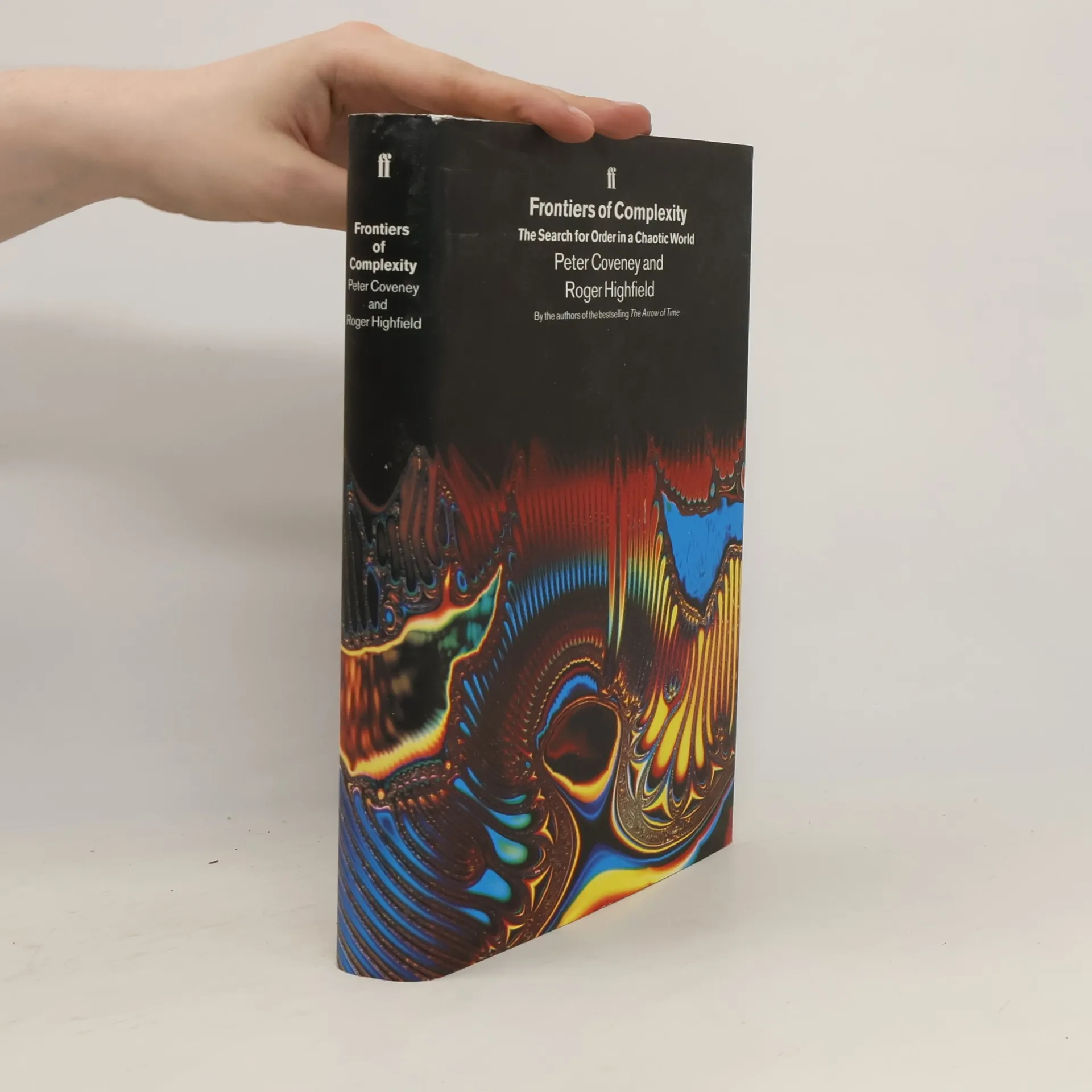
Explores how complexity, a new way of thinking about the behaviour of interacting units, is transforming the way we think, and the assumptions that underlie conventional science. Examines the rise of the electronic computer as key and catalyst to the study of complexity; explores current innovations such as fuzzy logic, and computers which exploit quantum mechanics and run on light; and reveals cyberspace universes where organisms compete for resources as they reproduce, mutate and evolve
The narrative follows Huck as he escapes his abusive father and the constraints of societal norms, embarking on a thrilling journey down the Mississippi River with Jim, a runaway slave. Their adventures prompt Huck to confront his moral beliefs and the prevailing social values of his time. Mark Twain's work critiques racism and class prejudices while employing regional dialects and humor. This novel stands out as a pioneering piece in American literature, offering sharp social commentary on 19th-century life through its satirical lens.
Podtitul: Hranice komplexity - Hledání řádu v chaotickém světě Průkopnická práce ukazující nové obzory vědy. Komplexita, hlavní téma knihy, je moderní interdisciplinární záležitostí, zabývající se souborem témat z takových vědních oborů, jako je umělá inteligence, statistická fyzika, neurobiologie, či dokonce sociologie. Komplexita je všude tam, kde hraničí chaos s řádem. Z vědeckého hlediska je složitější a zajímavější než chaos, jemuž bylo věnováno mnoho vědeckého úsilí a o němž už byla napsána řada knih. Právě tam, kde se chaos setkává s řádem, se totiž odehrávají tak úžasné věci, jako je život či myšlení. Autoři navazují na práce takových velikánů vědy, jako byl Richard Feynman, Kurt Gödel, John von Neumann, Ilya Prigogine a Alan Turing, kteří otevřeli cestu od redukcionismu ke komplexitě. S předmluvou Barucha Blumberga.
Co je to čas, jak jej chápeme a jak je důležitý pro náš život