

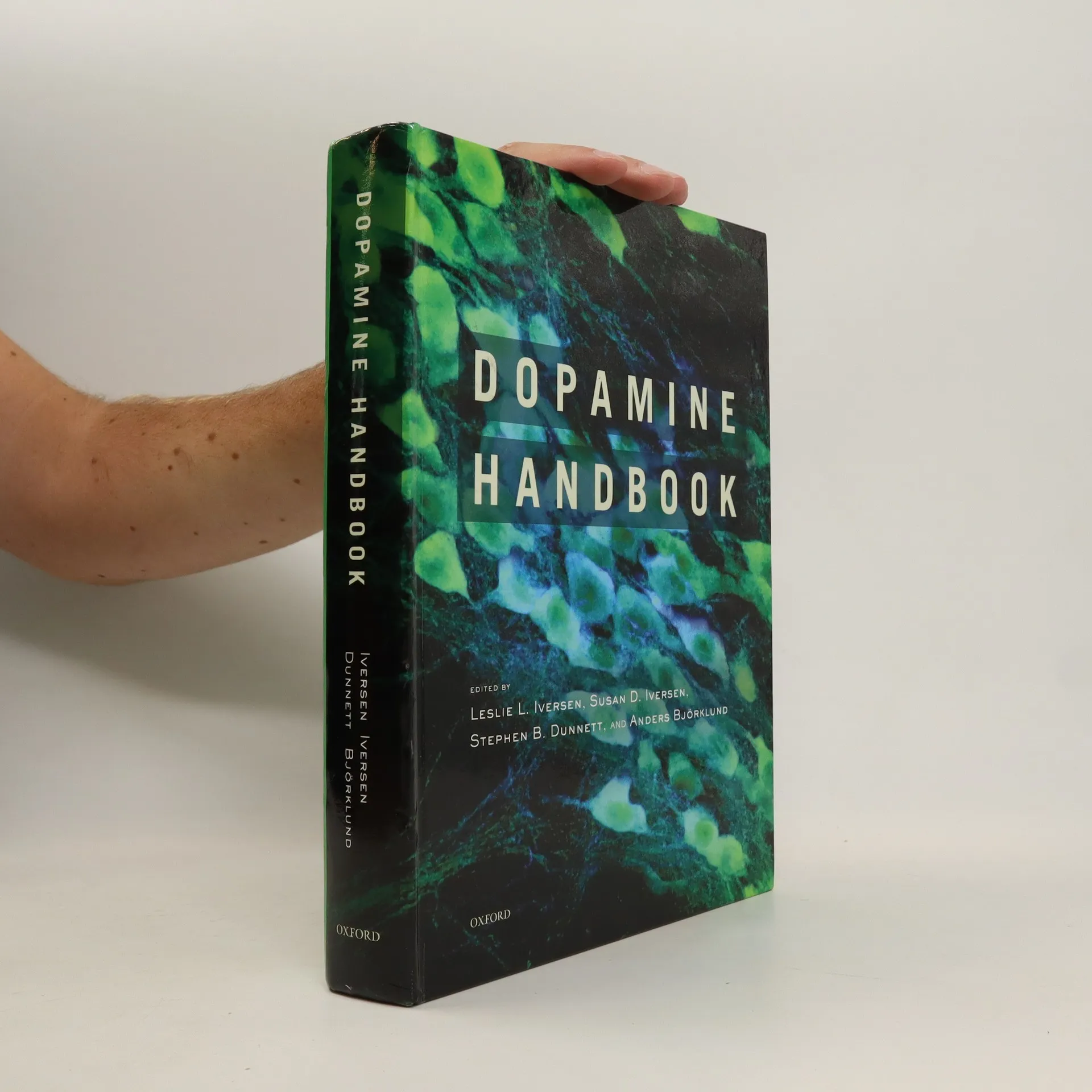
The discovery of dopamine in 1957-1958 was one of the seminal events in the development of modern neuroscience, and has been extremely important for the development of modern therapies of neurological and psychiatric disorders. Dopamine has a fundamental role in almost all aspects of from motor control to mood regulation, cognition and addiction and reward, and dopamine research has been unique within the neurosciences in the way it has bridged basic science and clinical practice. Over the decades research into the role of dopamine in health and disease has been in the forefront of modern neuroscience. The Dopamine Handbook is the first single-volume publication to capture current progress and excitement in this dynamic research field.
Leslie L. Iversen Reihenfolge der Bücher (Chronologisch)
Dieser Autor befasst sich mit der komplexen Neurochemie von synaptischen Überträgungsstoffen. Seine Arbeit untersucht die grundlegenden Mechanismen, die die Gehirnfunktion und das Verhalten steuern. Leser können eine tiefgreifende Erkundung der Funktionsweise des Nervensystems erwarten. Dieses Werk ist unerlässlich für jeden, der am wissenschaftlichen Verständnis des Geistes interessiert ist.
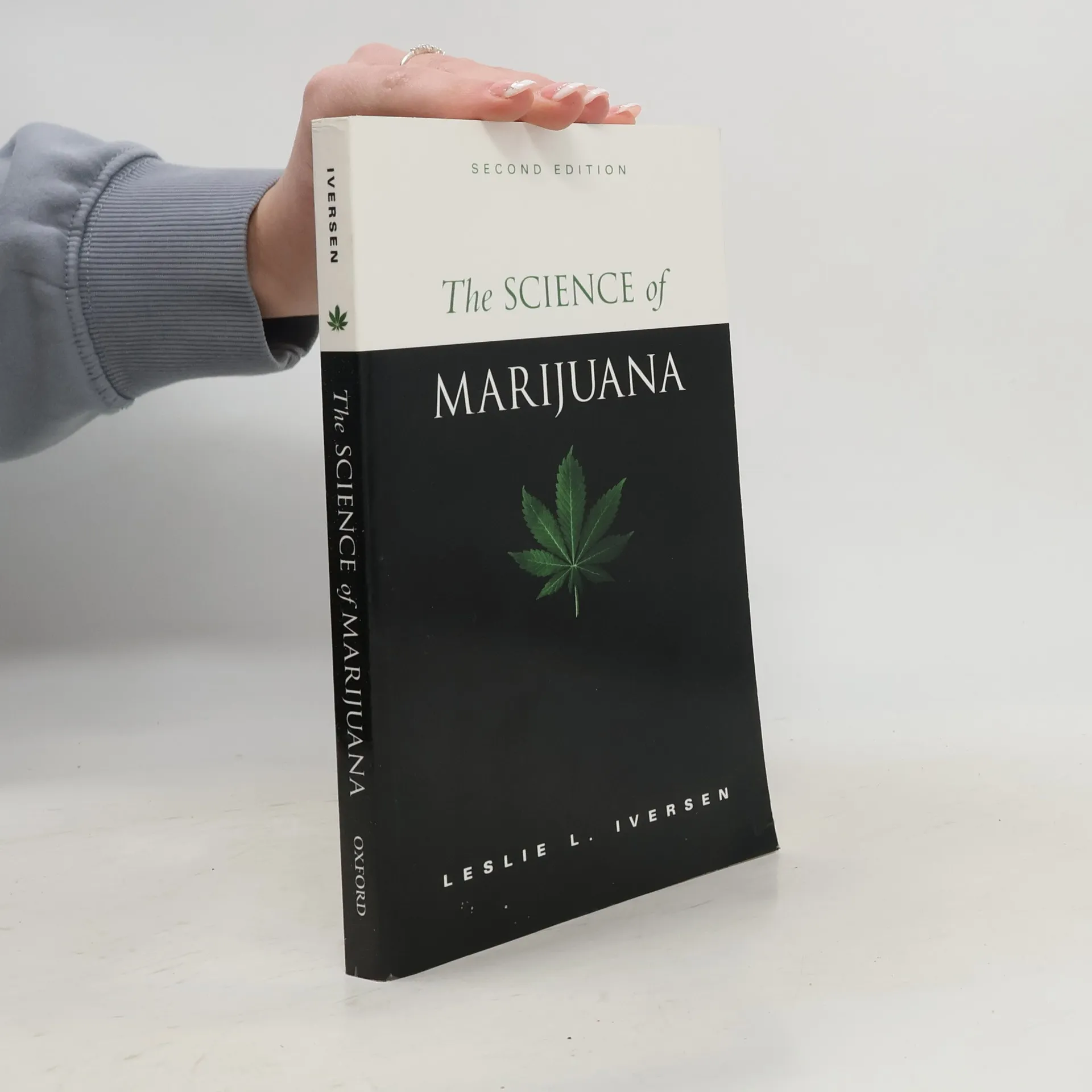
In The Science of Marijuana Leslie Iversen explains the remarkable advances that have been made in scientific research on cannabis with the discovery of specific receptors and the existence of naturally occurring cannabis-like substances in the brain. Dr. Iversen provides an objective and up-to-date assessment of the scientific basis for the medical use of cannabis and what risks this may entail. The recreational use of the drug and how it affects users is described along with some predictions about how attitudes to cannabis may change in the future.
Drogen und Medikamente
- 168 Seiten
- 6 Lesestunden
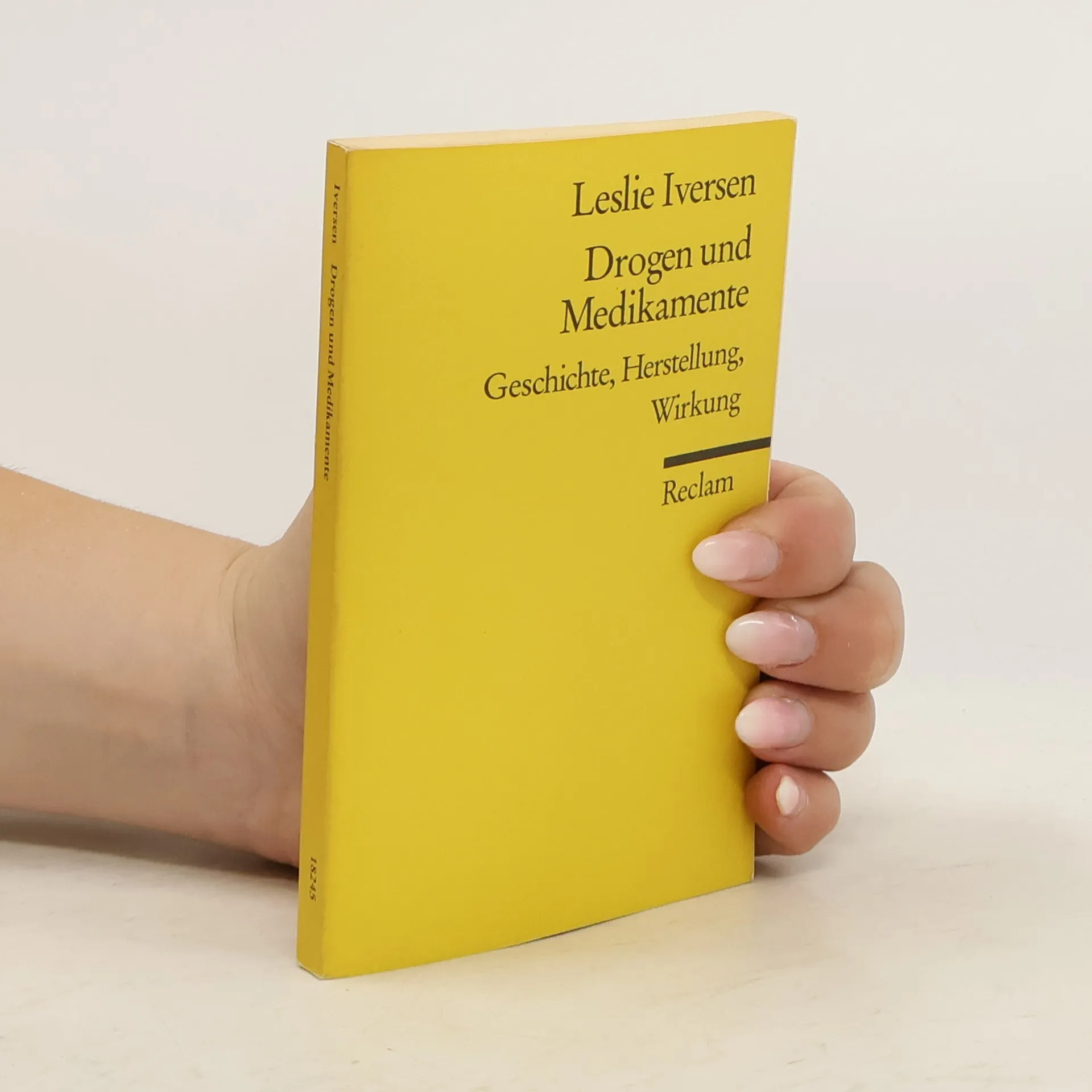
Wie wirken Arzneimittel und Drogen? Was sind überhaupt Arzneien? Wie werden neue Arzneien und Drogen entwickelt? Wie wird sich diese Entwicklung fortsetzen? Leslie Iversens knappe Darstellung führt leicht verständlich in die Thematik ein.