
Gratis Versand in ganz Österreich
Bookbot

Randall Hansen

    Dieser Autor konzentriert sich auf die eingehende Analyse sozialer und politischer Phänomene. Seine Werke untersuchen die komplexen Probleme der modernen Welt, wobei Nuancen und Perspektiven betont werden. Die Texte sind sorgfältig recherchiert und mit wissenschaftlicher Genauigkeit präsentiert, bleiben aber zugänglich. Sein Schreiben richtet sich an Leser, die ein tiefgreifendes Verständnis zeitgenössischer Herausforderungen suchen.

    War, Work, and Want
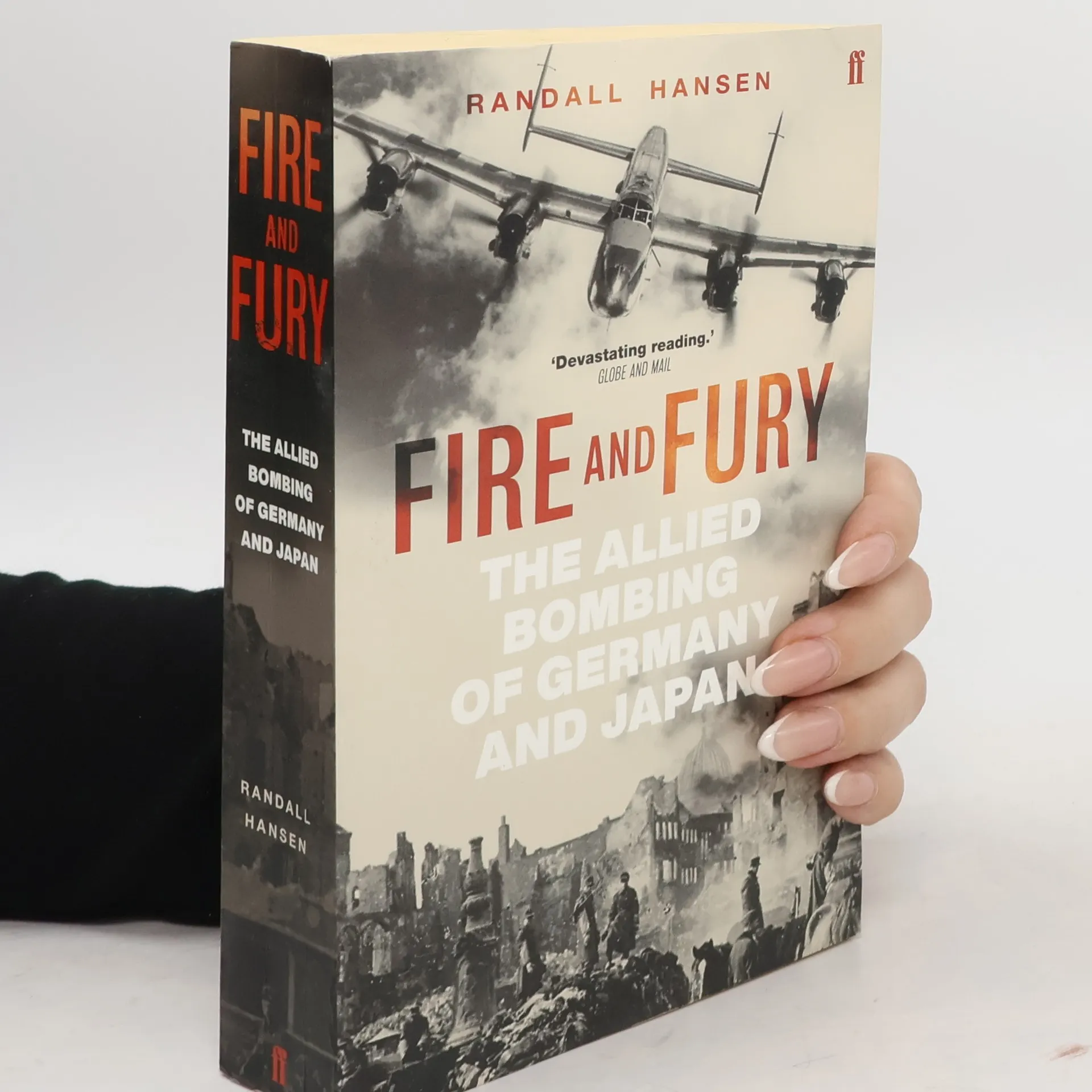
    Fire and Fury
    Disobeying Hitler
    Fire and Fury
    • Fire and Fury

      • 544 Seiten
      • 20 Lesestunden
      4,0(8)Abgeben

      During World War II, Allied bombing obliterated every major German and Japanese city. Based on extensive archival sources, interviews with bombing survivors, airmen, and published first-hand accounts, the book looks at the bombing campaign from an avowedly human perspective - Allied, German and Japanese.

      Fire and Fury
    • Disobeying Hitler

      German Resistance in the Last Year of WWII

      • 480 Seiten
      • 17 Lesestunden
      3,9(13)Abgeben

      The narrative delves into the desperate measures taken by Hitler as World War II neared its end, including orders to devastate Germany. It highlights the courageous actions of both military officers and civilians who defied these commands, potentially altering the war's outcome. Through the lens of historical figures like Rommel and Speer, the book examines the theme of disobedience as a form of resistance. This gripping account offers a unique perspective on the moral complexities faced by Germans during the final year of the conflict, marking the 80th anniversary of these events.

      Disobeying Hitler
    • Fire and Fury

      The Allied Bombing of Germany 1942-1945

      • 400 Seiten
      • 14 Lesestunden
      Fire and Fury
    • In War, Work, and Want, Randall Hansen focuses on how the oil shock transformed not just the economy proper and the geopolitics of the Middle East region, but also the global circulation of people and capital for decades afterward. Hansen asks why, against all expectations, global migration tripled after 1970. Arguing that the OPEC oil crisis explains everything, he shows how war, migration, and the desire for ever cheaper products made by migrants led to a massive upsurge in global migration after 1973.

      War, Work, and Want