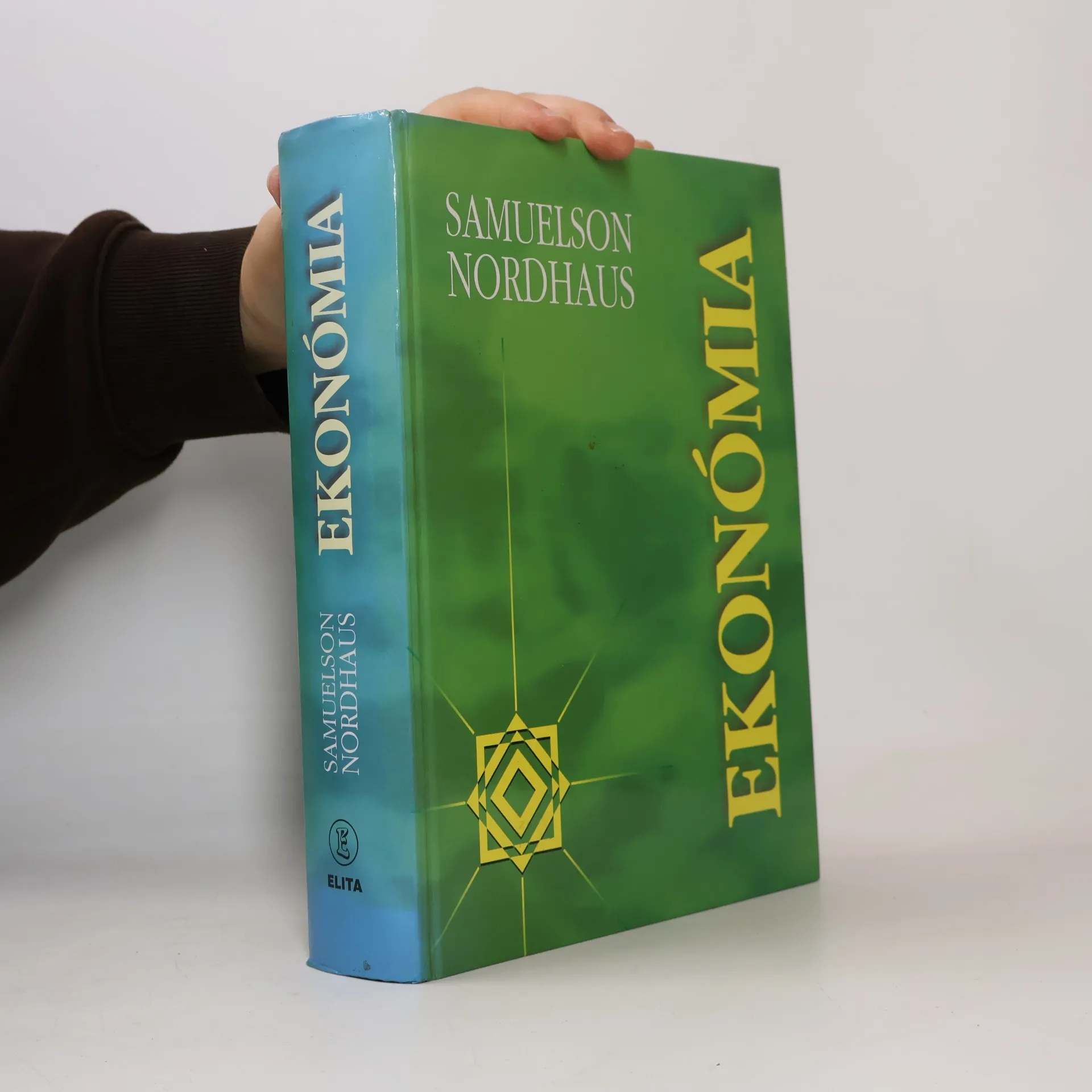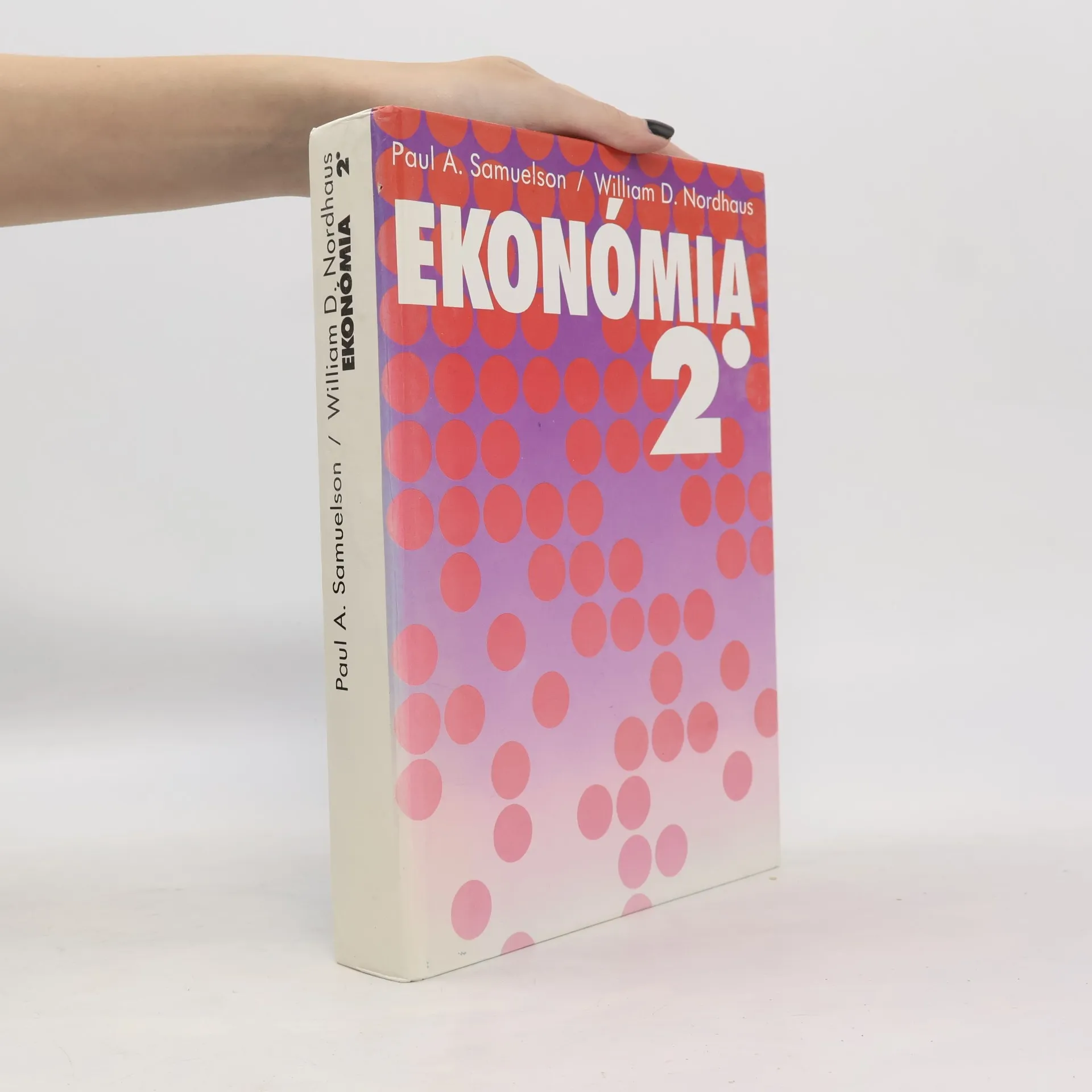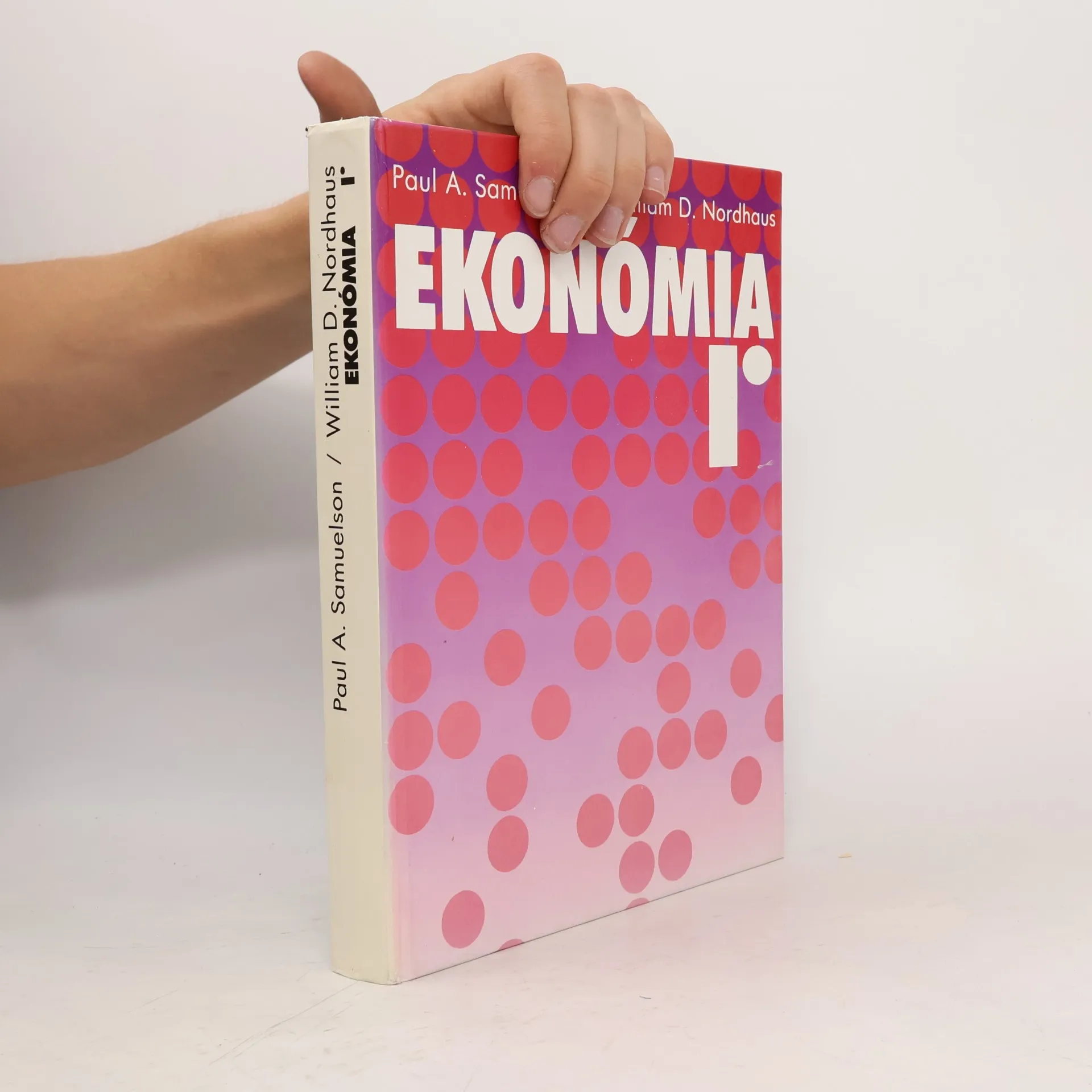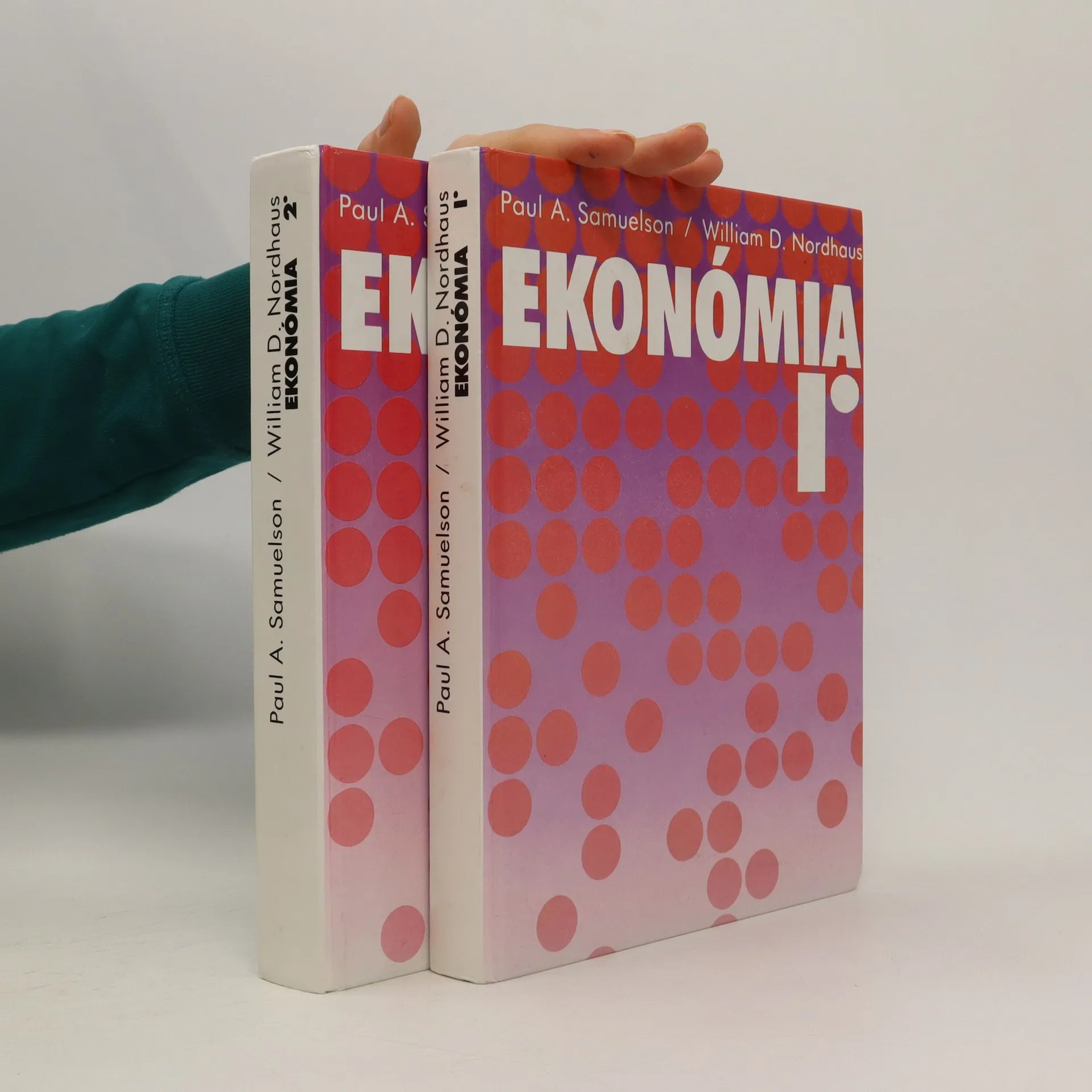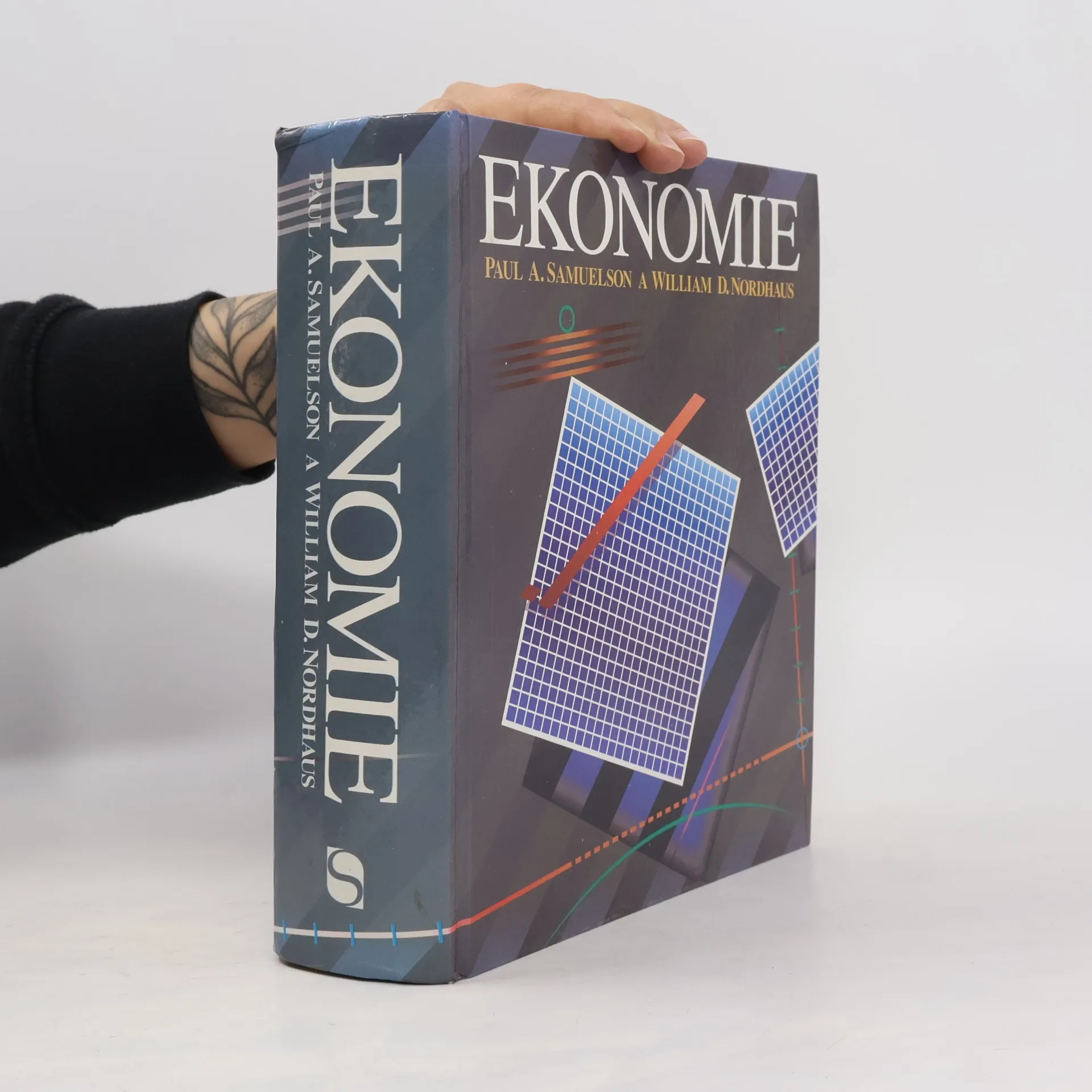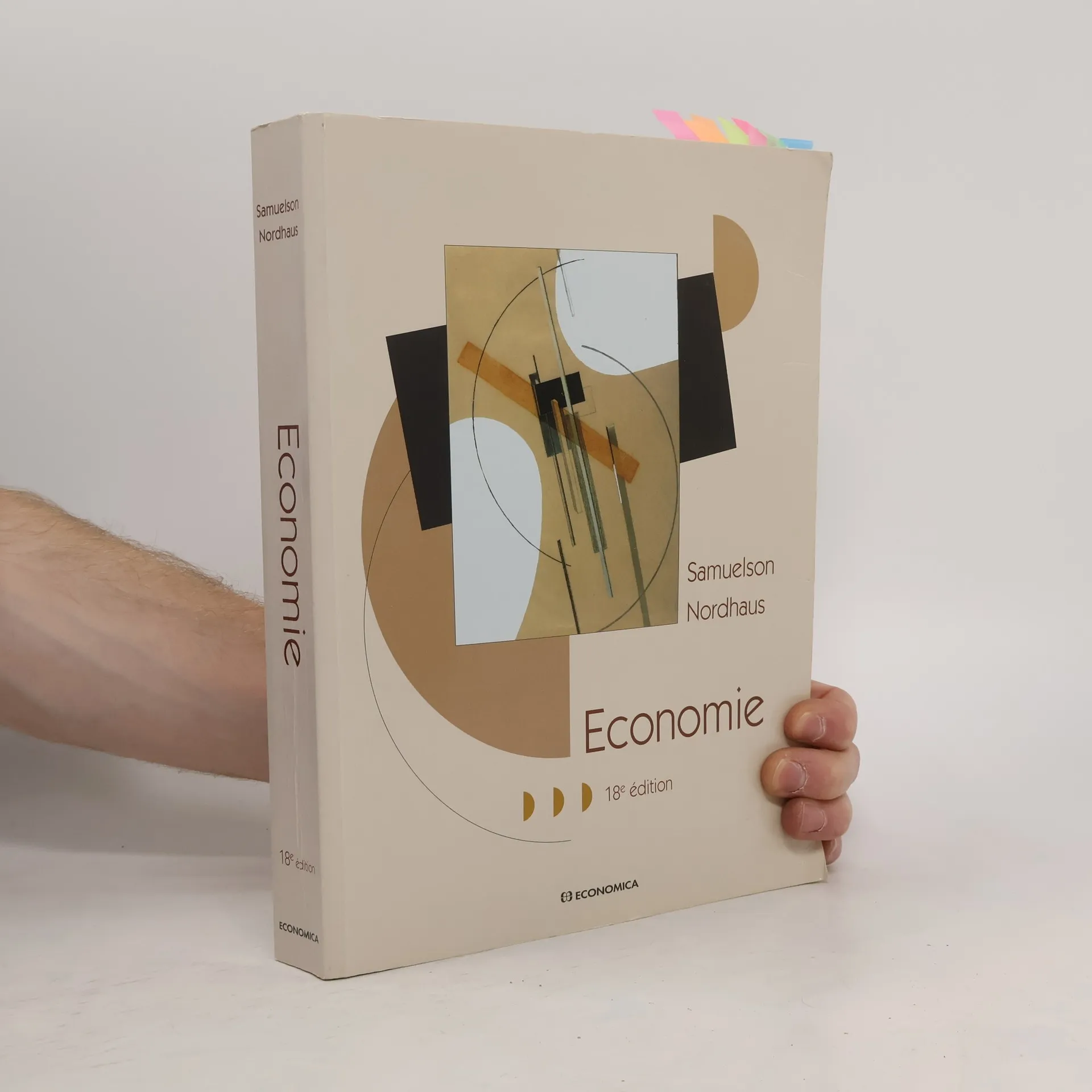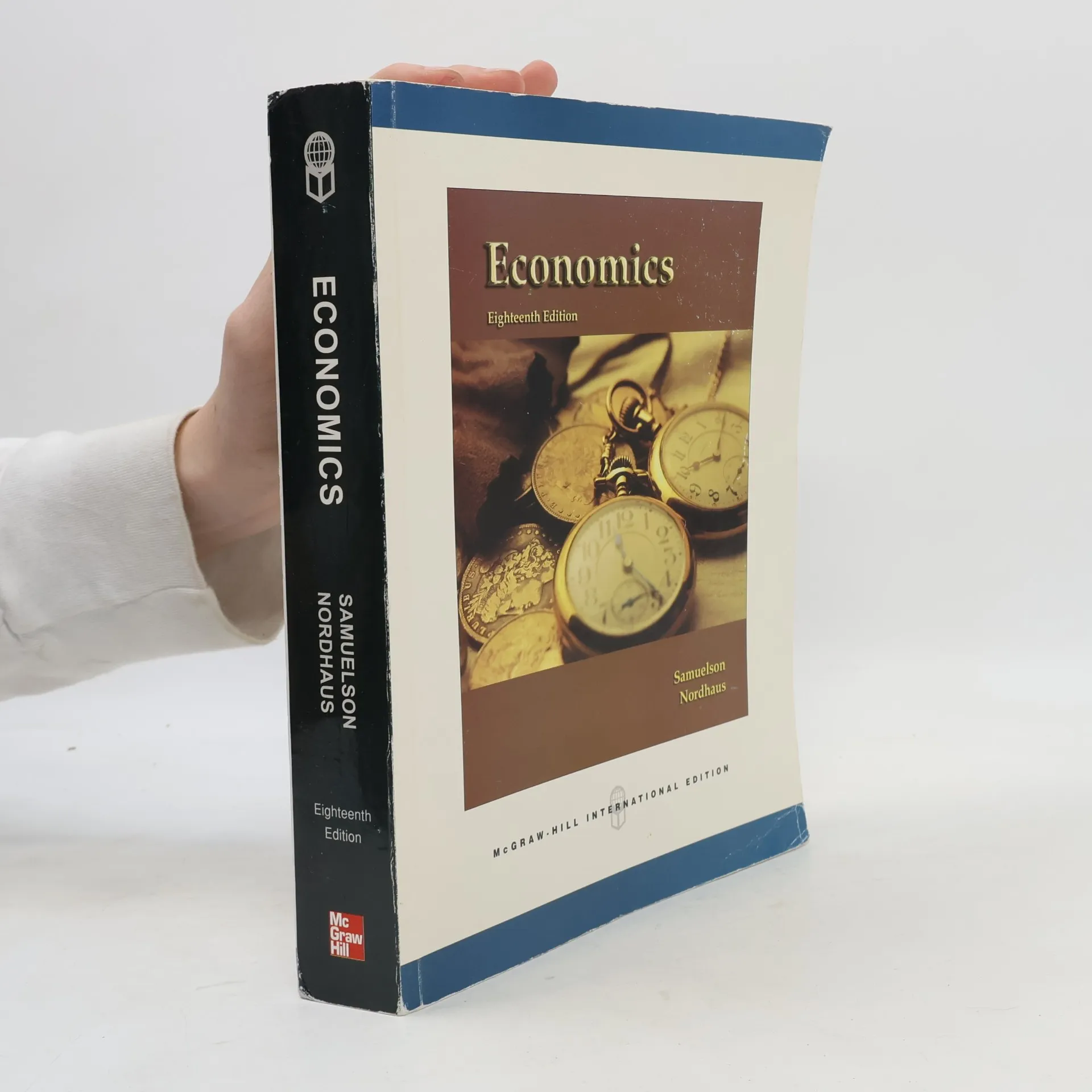
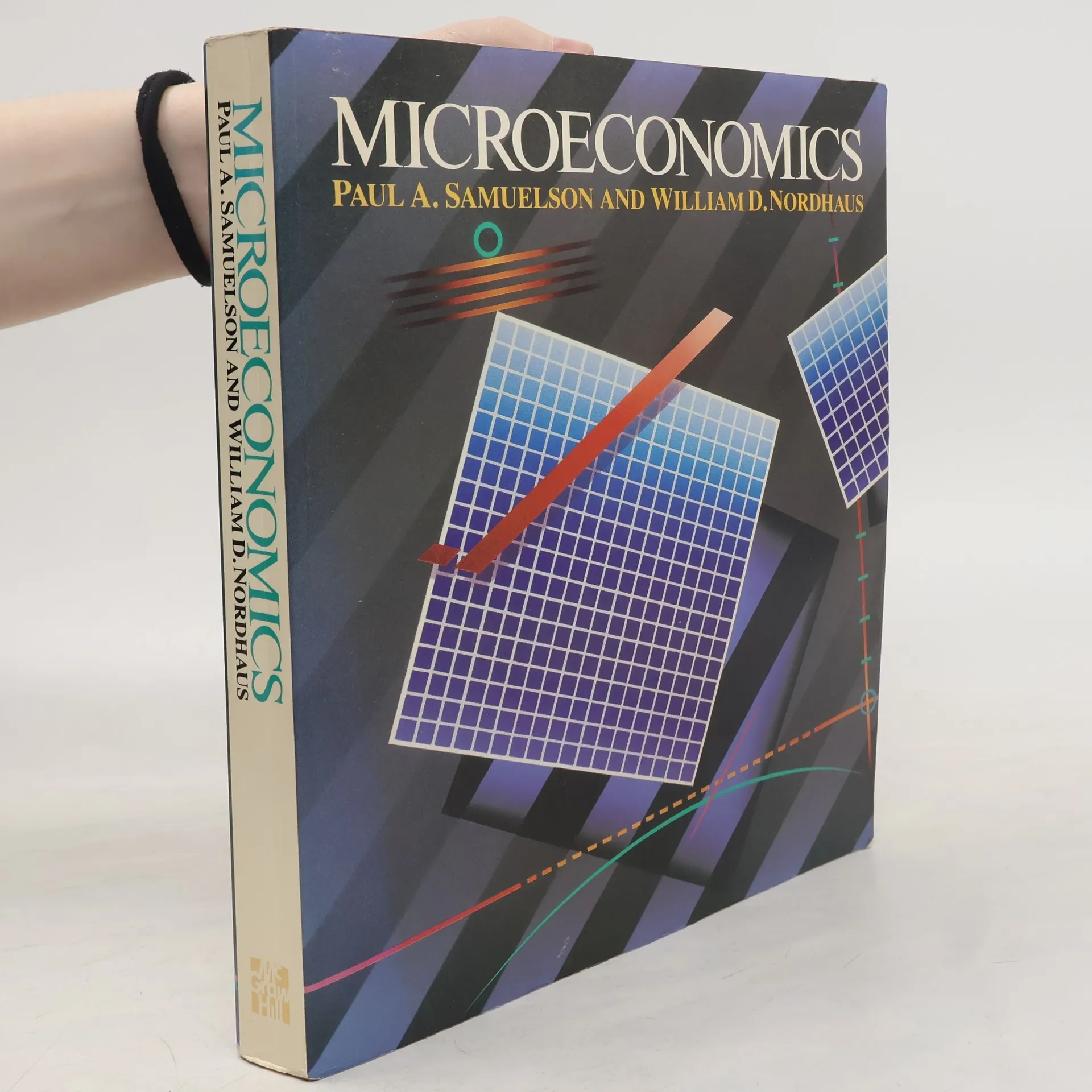

Nobelpreisträger Paul A. Samuelson und William D. Nordhaus filtern in diesem Standardlehrwerk das Beste aus den Konzepten der großen Ökonomen heraus, die sich Gedanken über die Funktionsweise der Märkte und gesellschaftliche Einflussmöglichkeiten auf den Lebensstandard der Menschen machen. Sie stellen die jüngsten Ideen der modernen Ökonomen vor und zeigen, wie die Volkswirtschaft zur weltweiten Wohlstandsmehrung beitragen kann. – Angebot, Nachfrage und Produktmärkte. – Arbeit, Boden und Kapitel. – Internationaler Handel, Staat und Umwelt. – Wirtschaftswachstum und Konjunkturzyklen. – Wachstum, Entwicklung und die Weltwirtschaft. – Arbeitslosigkeit, Inflation und Wirtschaftspolitik. Volkswirtschaft ist eine dynamische Wissenschaft - in ihrem Wandel spiegeln sich die wechselnden Trends der Wirtschaftspolitik, Umwelt, Weltwirtschaft und der Gesamtgesellschaft.
William D. Nordhaus Bücher
William Dawbney „Bill“ Nordhaus (* 31. Mai 1941 in Albuquerque, New Mexico) ist ein US-amerikanischer Wirtschaftswissenschaftler und Träger des Alfred-Nobel-Gedächtnispreises für Wirtschaftswissenschaften 2018. Er ist Sterling Professor für Volkswirtschaftslehre an der Yale University.


This text provides complete coverage of economics at an introductory level by blending up-to-date theory, relevant applications and policy options. It covers both macro- and microeconomics, and includes chapters on environmental economics and the economics of health care.
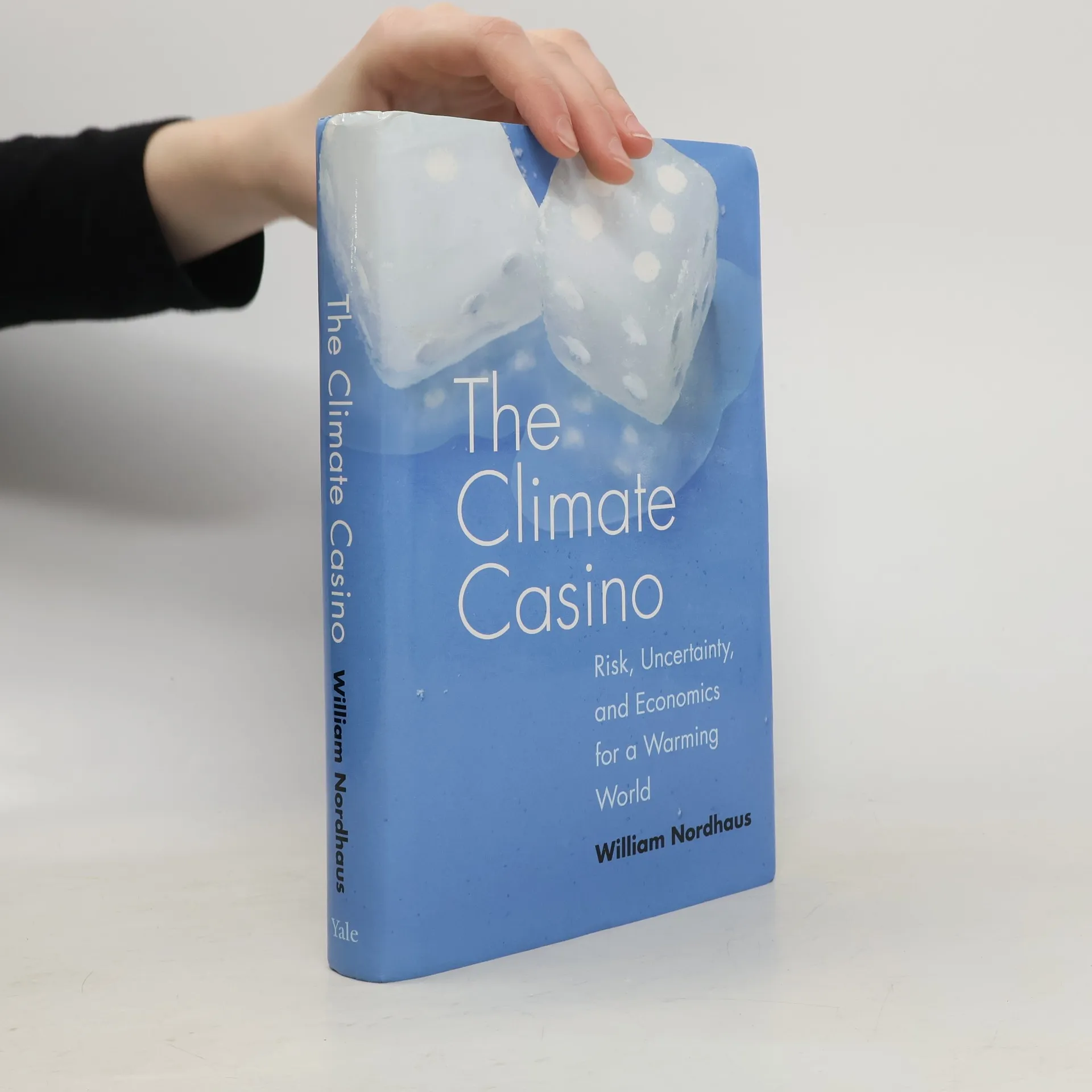
"From a Nobel Prize-winning pioneer in environmental economics, an innovative account of how and why "green thinking" could cure many of the world's most serious problems-from global warming to pandemics. Solving the world's biggest problems-from climate catastrophe and pandemics to wildfires and corporate malfeasance-requires, more than anything else, coming up with new ways to manage the powerful interactions that surround us. For carbon emissions and other environmental damage, this means ensuring that those responsible pay their full costs rather than continuing to pass them along to others, including future generations. In The Spirit of Green, Nobel Prize-winning economist William Nordhaus describes a new way of green thinking that would help us overcome our biggest challenges without sacrificing economic prosperity, in large part by accounting for the spillover costs of economic collisions. In a discussion that ranges from the history of the environmental movement to the Green New Deal, Nordhaus explains how the spirit of green thinking provides a compelling and hopeful new perspective on modern life. At the heart of green thinking is a recognition that the globalized world is shaped not by isolated individuals but rather by innumerable interactions inside and outside the economy. He shows how rethinking economic efficiency, sustainability, politics, profits, taxes, individual ethics, corporate social responsibility, finance, and more would improve the effectiveness and equity of our society. And he offers specific solutions-on how to price carbon, how to pursue low-carbon technologies, how to design an efficient tax system, and how to foster international cooperation through climate clubs. The result is a groundbreaking new vision of how we can have our environment and our economy too"-- Provided by publisher
An introduction to modern economic principles, this edition features a new chapter on open economy economics. There is continued emphasis in this text on the analytical core of economics with particular attention paid to the analysis of market economics.
Ekonomie (19. vydání)
- 716 Seiten
- 26 Lesestunden
Jádrem 19. vydání knihy i nadále zůstávají analytické koncepty. Zvláštní pozornost je pak také věnována otázkám hospodářského růstu a analýze tržní ekonomiky. I další vydání Ekonomie stojí na kapitánském můstku při výuce úvodu do moderní ekonomie. V učebnici naleznete aktuální pohled na finanční trhy a monetární politiku, stejně jako zpracování následujících témat, jako jsou spotřební daně z pohonných hmot, odměňování vrcholných manažerů, náklady války v Iráku, bydlení a averze k riziku, finanční narušení a hospodářský cyklus, past chudoby, finanční globalizace, dále transmisní mechanismus měnové politiky v otevřené ekonomice s plovoucím měnovým kurzem a mnohé další. Zdroj: http://www.knihcentrum.cz/ekonomie/d-129096/?affil=Baila#Anotace