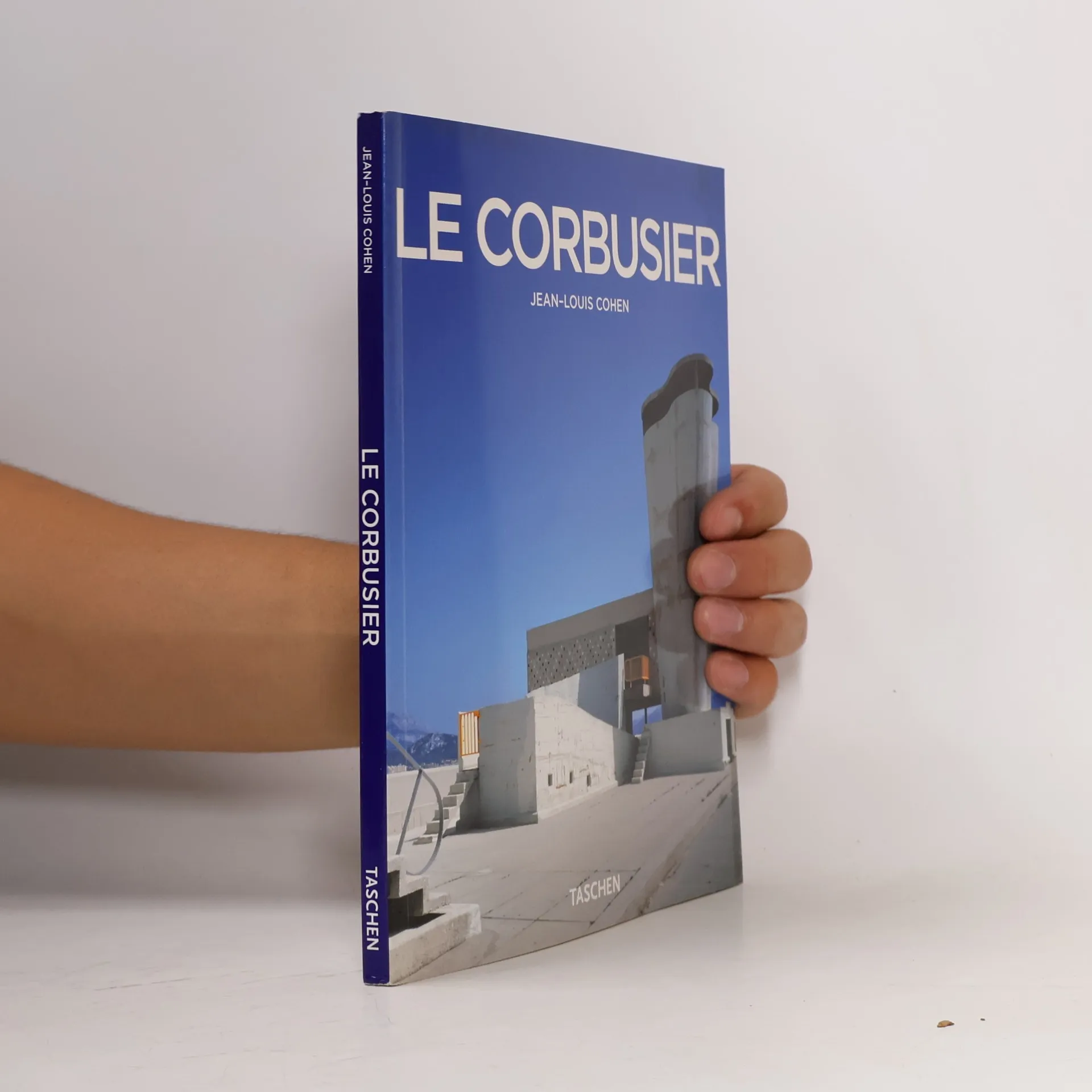
Le Corbusier, (1887-1965) widmete sich, bevor er sich ausschließlich der Architektur verschrieb, der Malerei. Zusammen mit Amédée Ozenfant entwickelte er einen puristischen Stil, dessen mechanische Präzision sich später auch im Funktionalismus seiner Bauwerke niederschlug. Sein Leben und Werk erscheint nun mit zahlreichen Fotos und Skizzen im Rahmen der "Kleinen Reihe: Architektur".
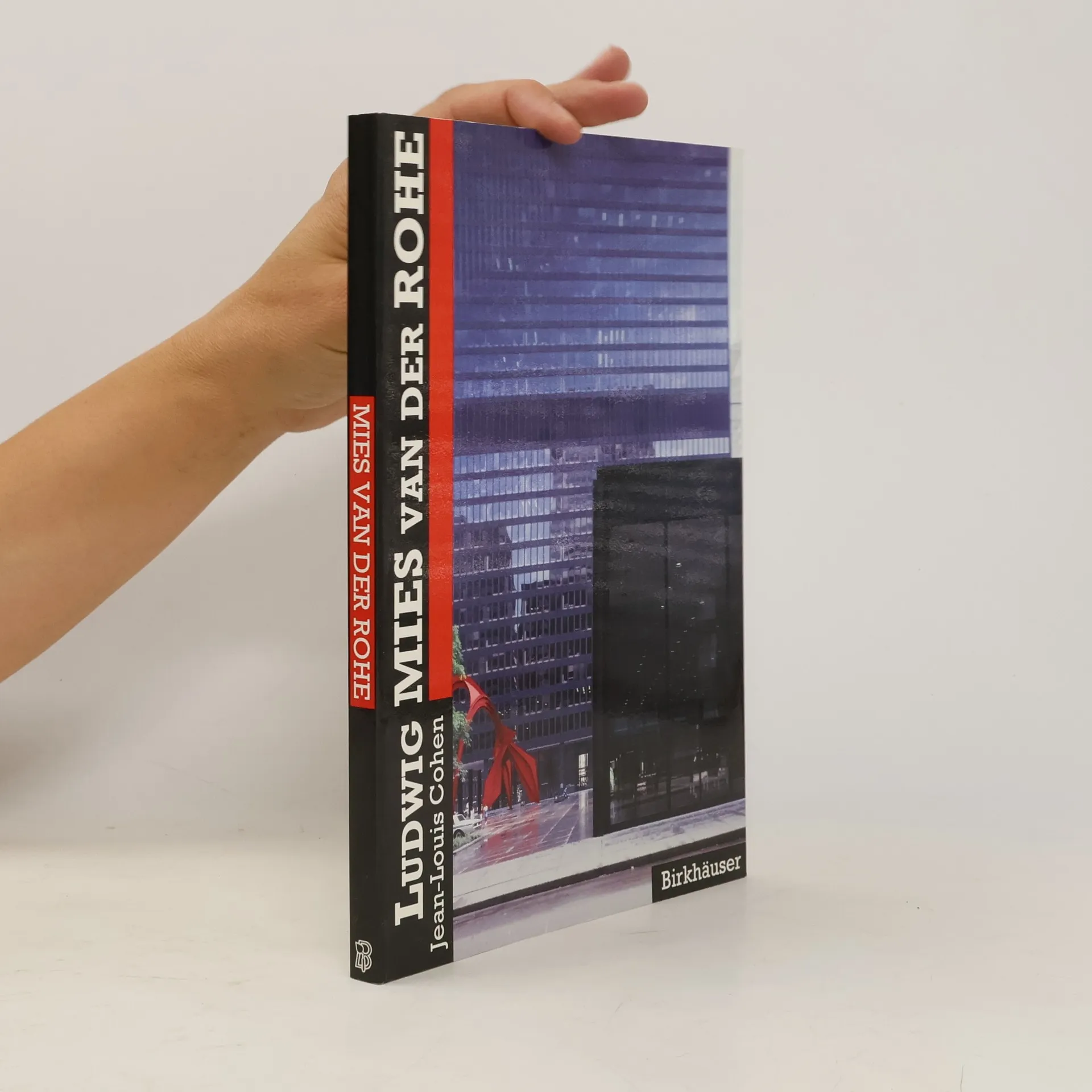
Ludwig Mies van der Rohe gehorte zu den fuhrenden Personlichkeiten in der Architektur des 20. Jahrhunderts. Mit wissenschaftlich fundierten Texten und opulentem Plan- und Fotomaterial zeichnet das Buch die facettenreiche Entwicklung seines Werkes Die ersten Berliner Bauten, seine Villenprojekte und Tatigkeit am Bauhaus in den dreissiger Jahren sowie die amerikanischen Projekte der Nachkriegszeit."
Eight essays by noted authors such as Antoine Picon, Adrian Forty, Guy Nordenson, Franz Ulm, and others shed light on specific aspects of this material and its new forms. Scattered throughout the book are also 30 attractive recent buildings, which illustrate and exemplify these developments.
This comprehensive survey presents an extensive collection of Le Corbusier's existing projects, showcasing them through stunning photography and in-depth details. It offers an authoritative exploration of his architectural legacy, highlighting the unique features and significance of his work.
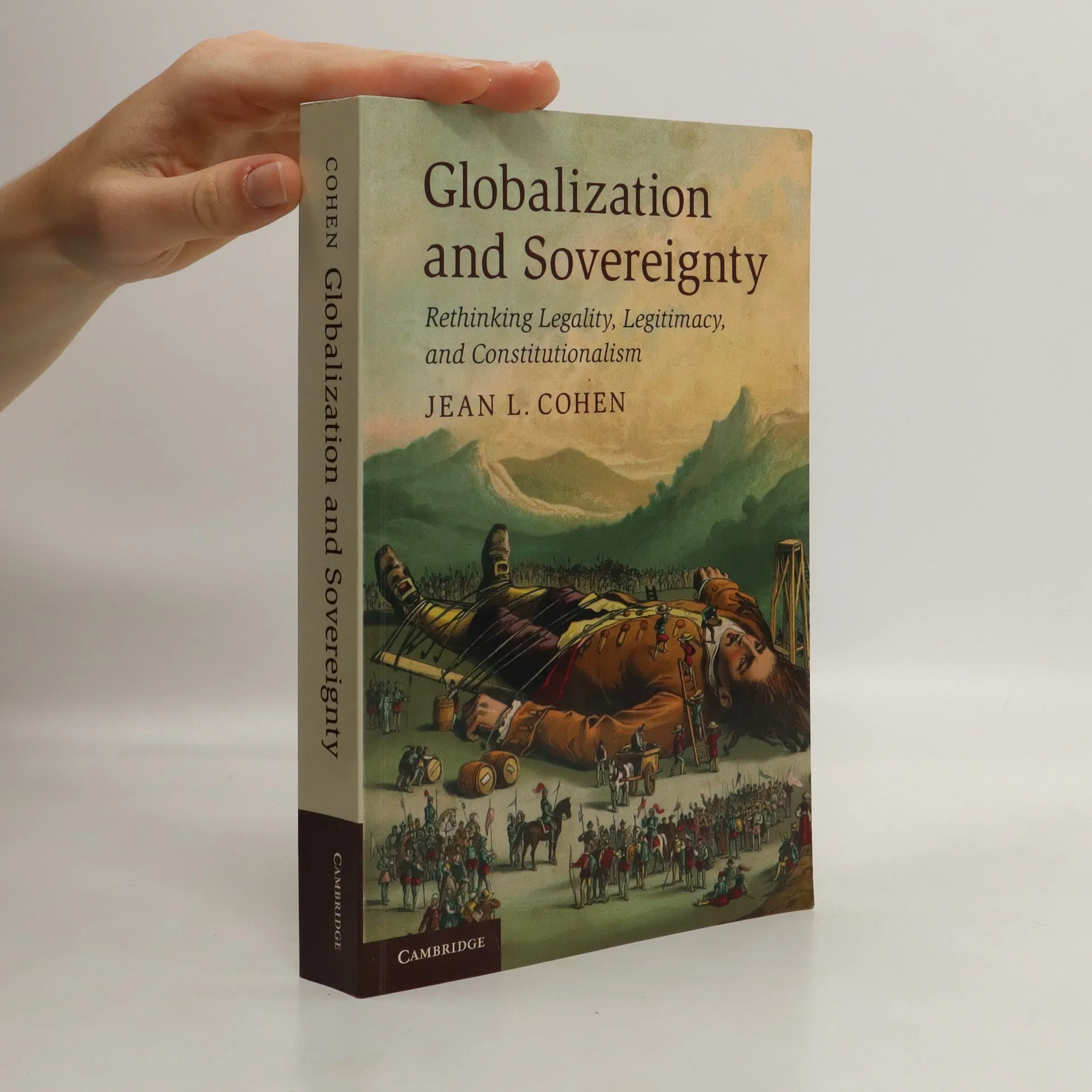
Sovereignty and the sovereign state are often seen as anachronisms; Globalization and Sovereignty challenges this view. Jean L. Cohen analyses the new sovereignty regime emergent since the 1990s evidenced by the discourses and practice of human rights, humanitarian intervention, transformative occupation and the UN targeted sanctions regime that blacklists alleged terrorists. Presenting a systematic theory of sovereignty and its transformation in international law and politics, Cohen argues for the continued importance of sovereign equality. She offers a theory of a dualistic world order comprising an international society of states and a global political community in which human rights and global governance institutions affect the law, policies and political culture of sovereign states. She advocates the constitutionalisation of these institutions, within the framework of constitutional pluralism. This book will appeal to students of international political theory and law, political scientists, sociologists, legal historians and theorists of constitutionalism.
Truly far-ranging -- both conceptually and geographically -- The Future of Architecture Since 1889 is a rich, compelling history that will shape future thinking out this period for years to come. Jean-Louis Cohen, one of today's most distinguished architectural historians and critics, gives an authoritative and compelling account of the twentieth century, tracing an arc from industrialization through computerization, and linking architecture to developments in art, technology, urbanism and critical theory. Encompassing both well-known masters and previously neglected but significant architects, this book also reflects Cohen's deep knowledge of architecture across the globe, and in places such Eastern Europe and colonial Africa and South America that have rarely been included in histories of this period.It is richly illustrated not only with buildings, projects and plans, but also with publications, portraits, paintings, diagrams, film stills, and exhibitions, showing the immense diversity of architectural thought and production throughout the twentieth century.
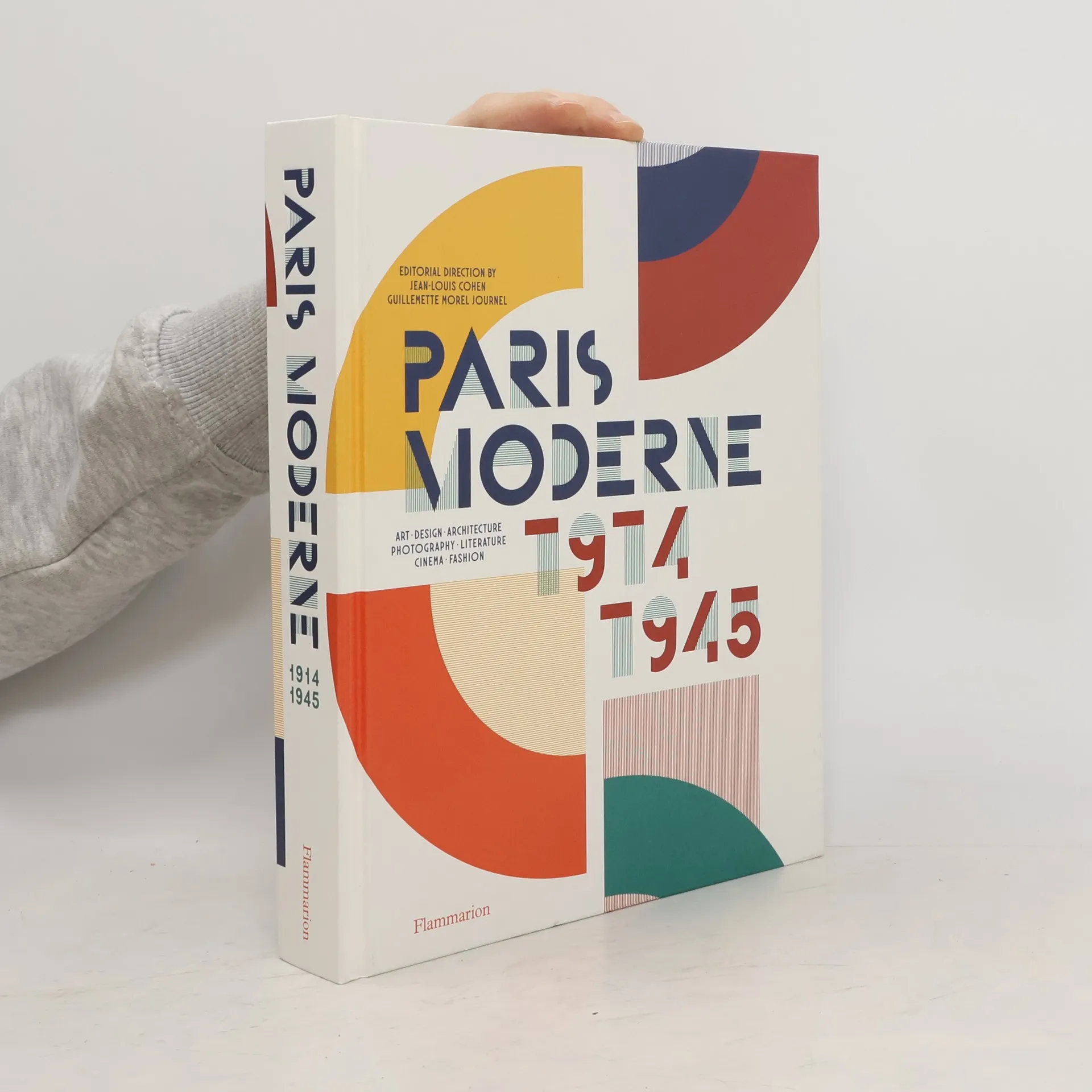
This broad survey of modernism—the most scintillating creative era in Paris—spans all domains: architecture, art, design, entertainment, fashion, film, literature, photography. The lives and works of artists in every creative discipline transformed Paris into a crucible of modernity in the first half of the twentieth century. Profiles of eighty-eight influential artists, designers, photographers, architects, writers, and personalities—including Gabrielle Chanel, Eileen Gray, Jean Prouvé, Pablo Picasso, Tamara de Lempicka, Sonia and Robert Delaunay, Brassaï, Man Ray, Robert Mallet-Stevens, Charlotte Perriand, Le Corbusier, Adolf Loos, Walter Benjamin, Josephine Baker, Jean Renoir, Gertrude Stein, and more—highlight the boundless creative energy and optimism that permeated the City of Light at this key historical juncture. Richly illustrated alphabetical entries with cross-references to related topics are complemented by six thematic essays on cinema, fashion, graphic design, habitation, painting, and urban planning. A portfolio of original contemporary photographs—from the historic center to the suburbs of Paris—reveals traces of modernism in dozens of buildings and their interiors that are rarely open to the public. This catalog—published to accompany an exhibition at the Power Station of Art in Shanghai in summer 2023—sketches a panorama of human invention across the vast creative landscape of Paris from 1914 to 1945.
Frank Gehry's architectural designs are characterized by their dynamic forms and innovative use of materials, ranging from everyday objects to advanced titanium. His buildings, such as the Guggenheim Museum in Bilbao and the Walt Disney Concert Hall, challenge traditional architectural norms with their flowing, curving structures. This collection, curated by architect Jean-Louis Cohen, showcases forty of Gehry's iconic works worldwide, featuring detailed views of both interiors and exteriors, highlighting his significant influence on modern architecture.
In this significant work of contemporary political theory, Jean Cohen and Andrew Arato explore the contested concept of civil society as a potential foundation for expanding democracy and rights in the West. While "civil society" has emerged as a term representing what totalitarian regimes suppress, its role in liberal democracies remains ambiguous. Some view it merely as a reflection of existing Western structures, lacking critical potential for addressing democratic injustices, while others dismiss it as outdated in the context of modern complexities. This analysis challenges both perspectives, asserting the modernity and normative relevance of civil society across various contemporary societies. The book is structured in three parts. The first part examines the resurgence of civil society discourse in Europe and Latin America, tracing its historical roots from Hegel's synthesis. The second part critiques the concept through the works of thinkers like Hannah Arendt, Carl Schmitt, and Michel Foucault. The final part reconstructs the concept, drawing on Habermas's discourse ethics, and connects theory to politics by addressing critiques and emphasizing the significance of social movements and civil disobedience.
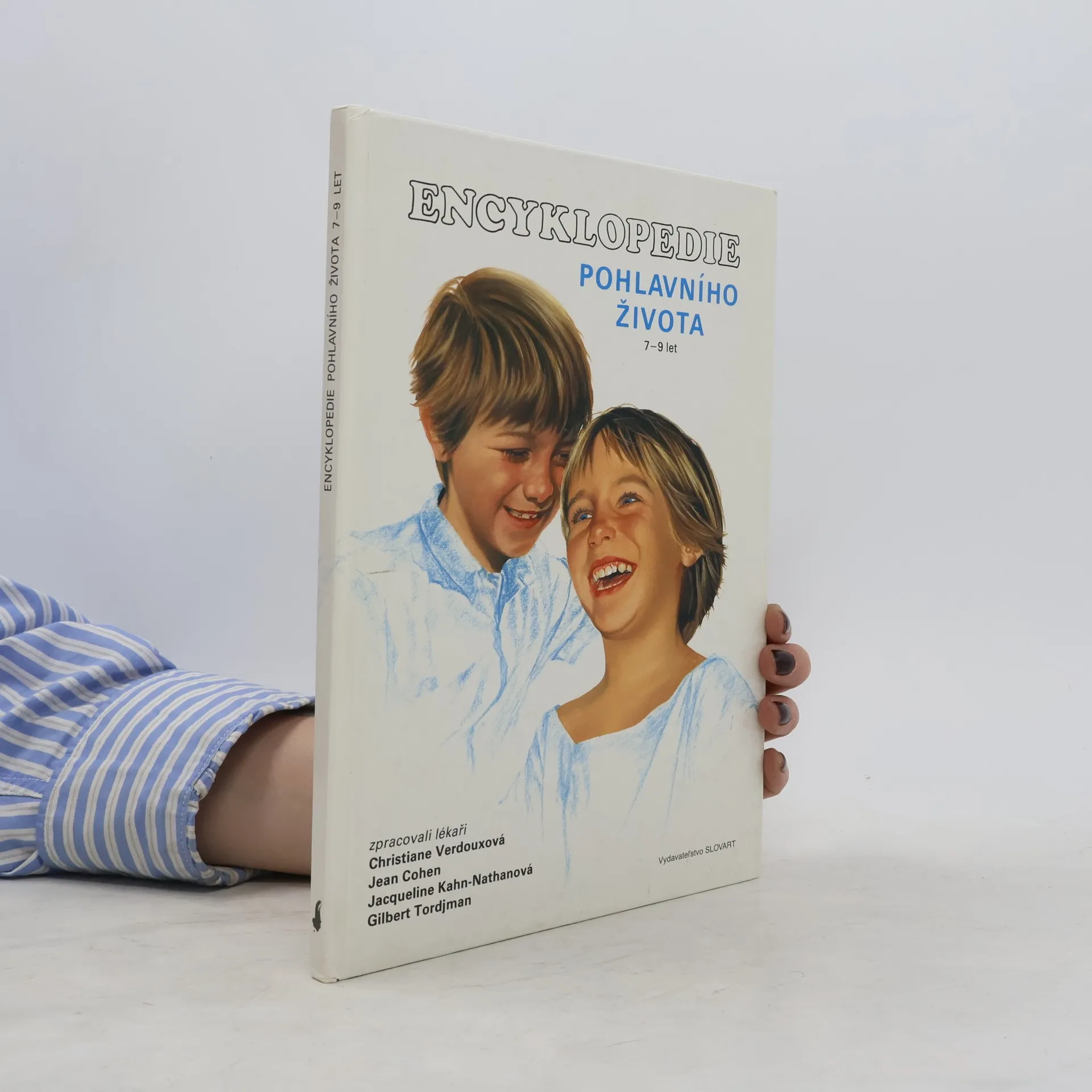
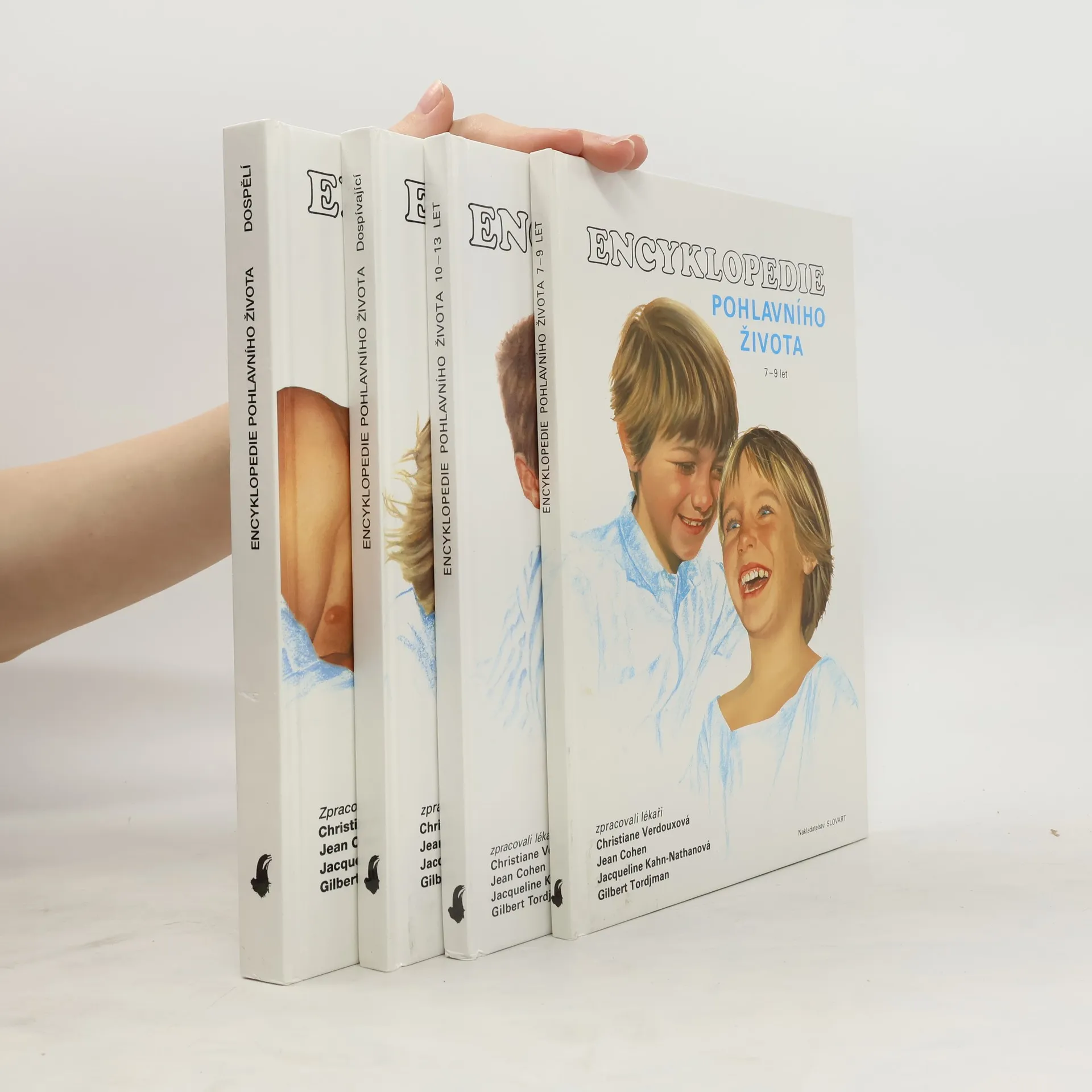
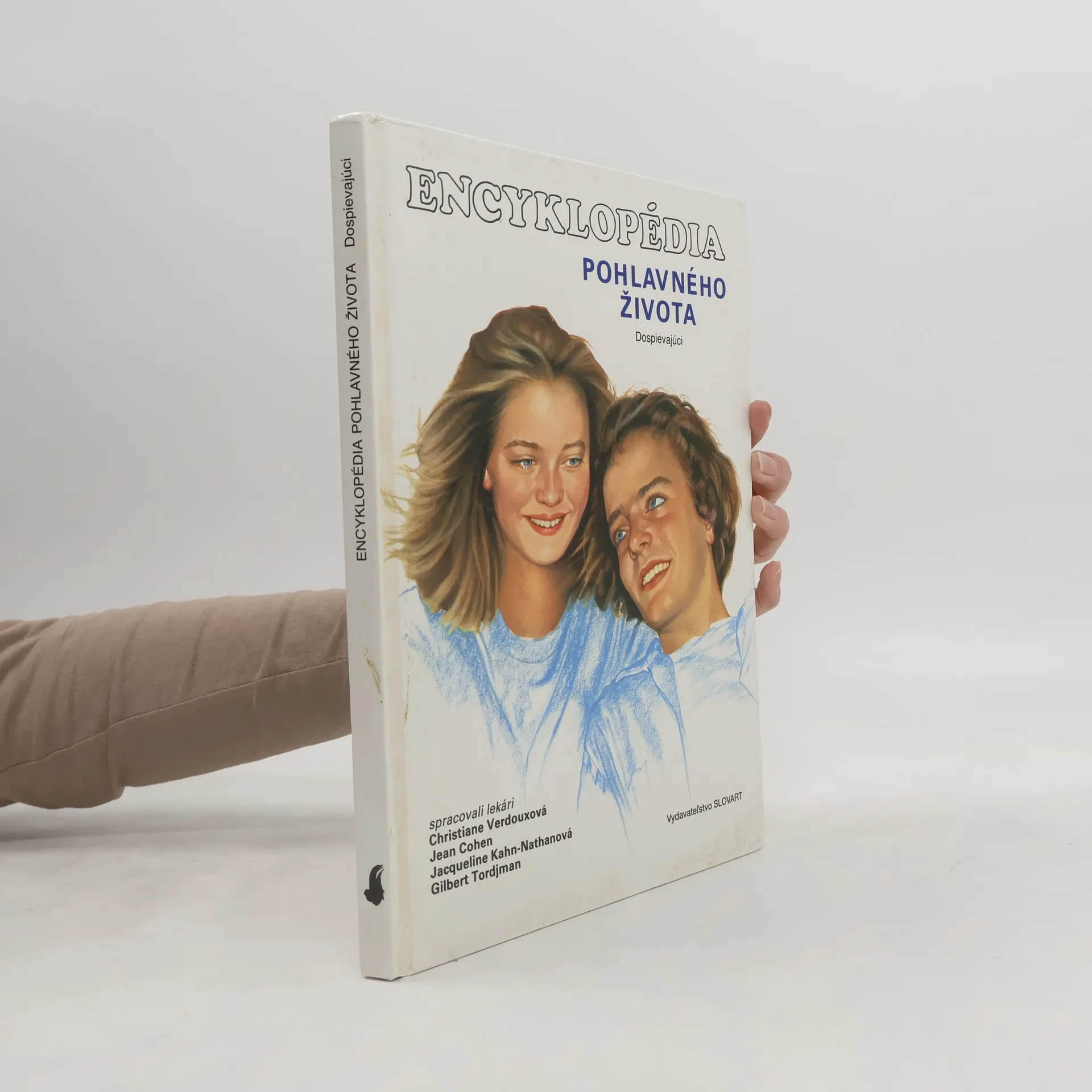
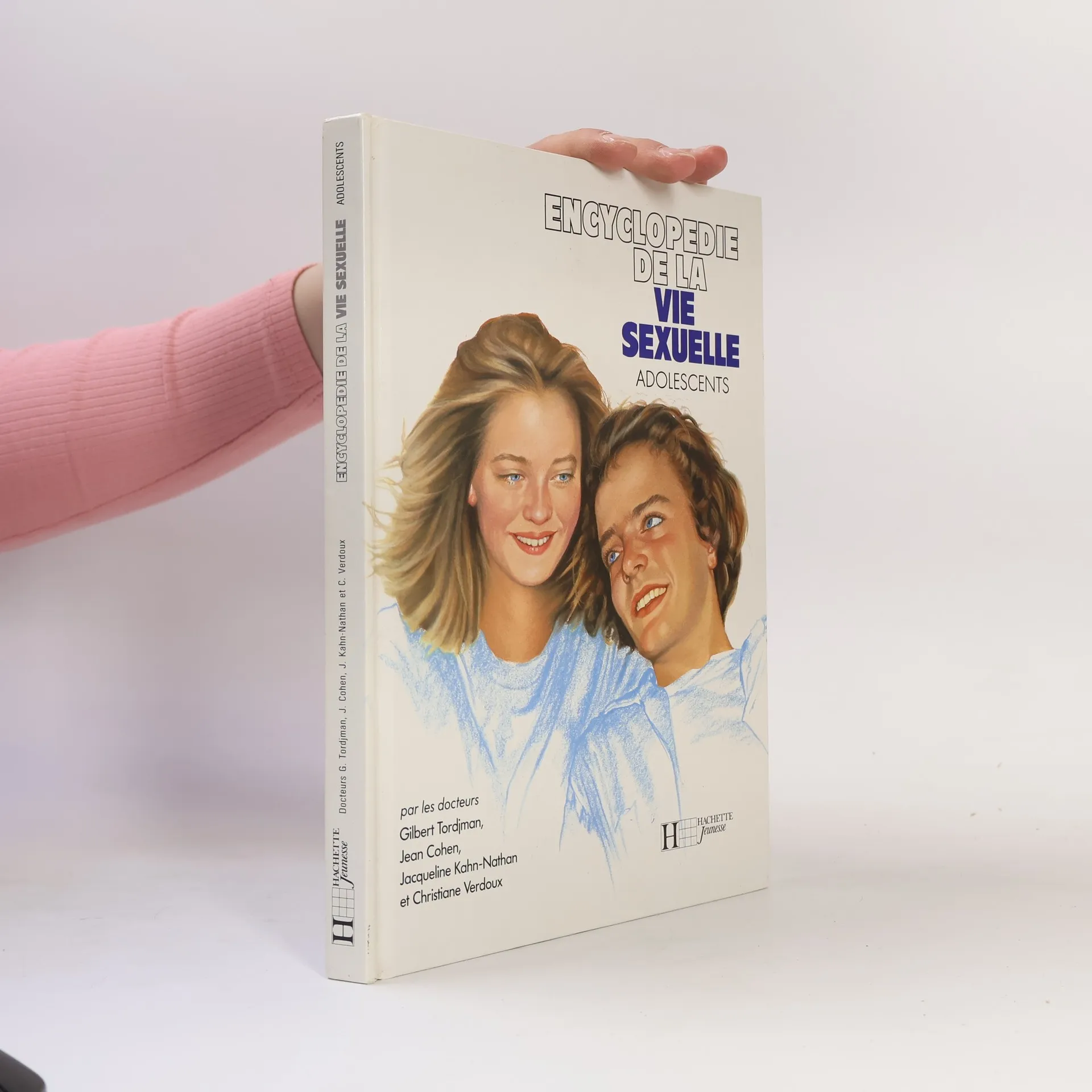
Encyklopedie zpracovaná čtyřmi francouzskými lékaři - odborníky nabízí poučený pohled na lidskou sexualitu a její problémy jak z vědeckého, tak vztahového hlediska.
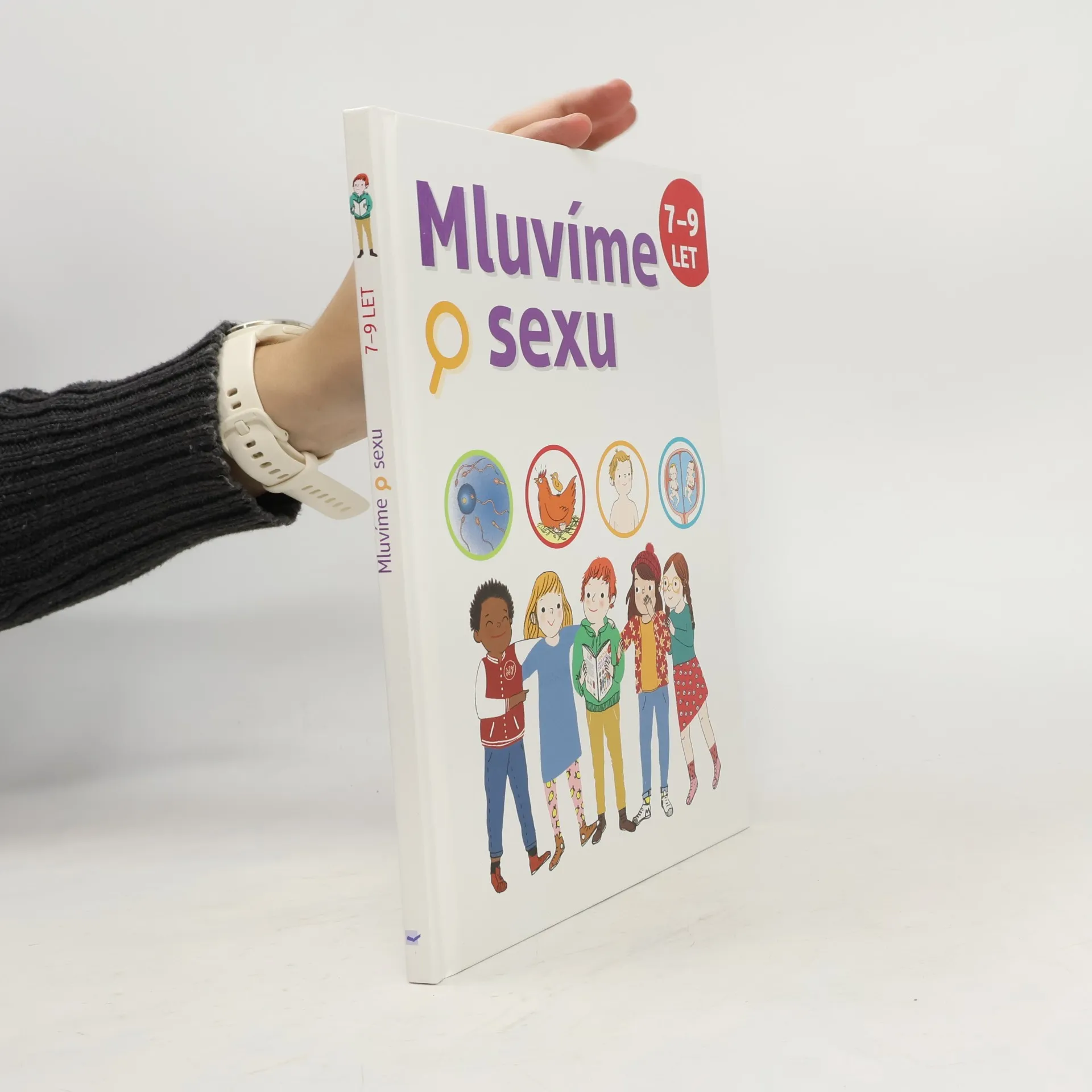
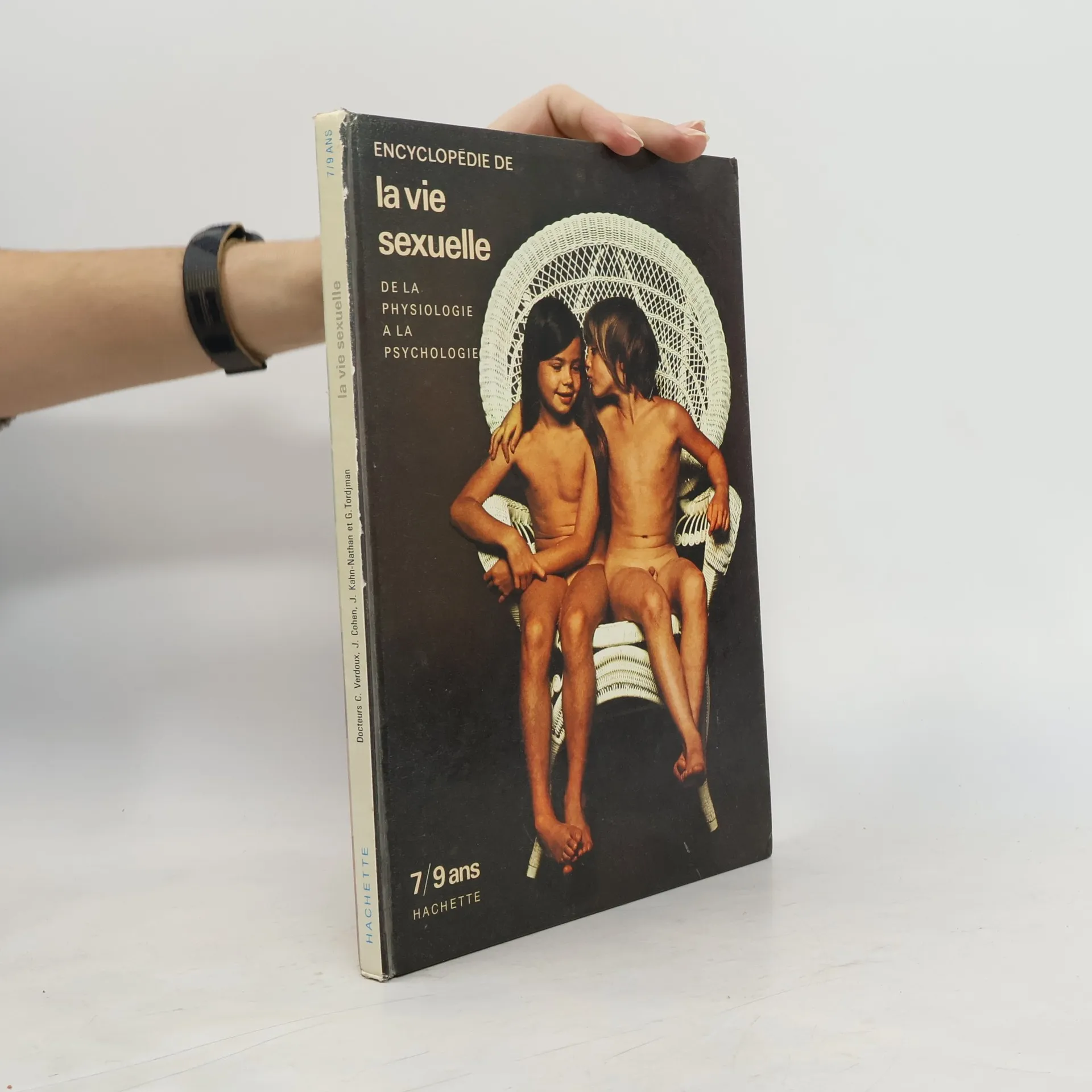
Teta je těhotná. Co to znamená? Za pár měsíců se jí narodí děťátko. Jak děti vznikají? Jak probíhá těhotenství a porod? Co jsou to pohlavní orgány a sex? Malí školáci mívají ohledně sexuální výchovy plno otázek. Odpovědět na ně tak, aby porozuměli, a nezacházet přitom do pro ně neuchopitelných podrobností, bývá pro rodiče oříšek. Tato kniha, vytvořená týmem odborníků, vám pomůže začít s dětmi komunkaci na téma sexu a rozmnožování. Nepodává dětem žádné zavádějící informace. Obsahuje vkusné ilustrace a přesně tu míru informací, která je pro děti od sedmi do devíti let přínosná. Na názorném příběhu ze života je dětem představeno vše, co by ze sexuální výchovy v daném věku měly znát.
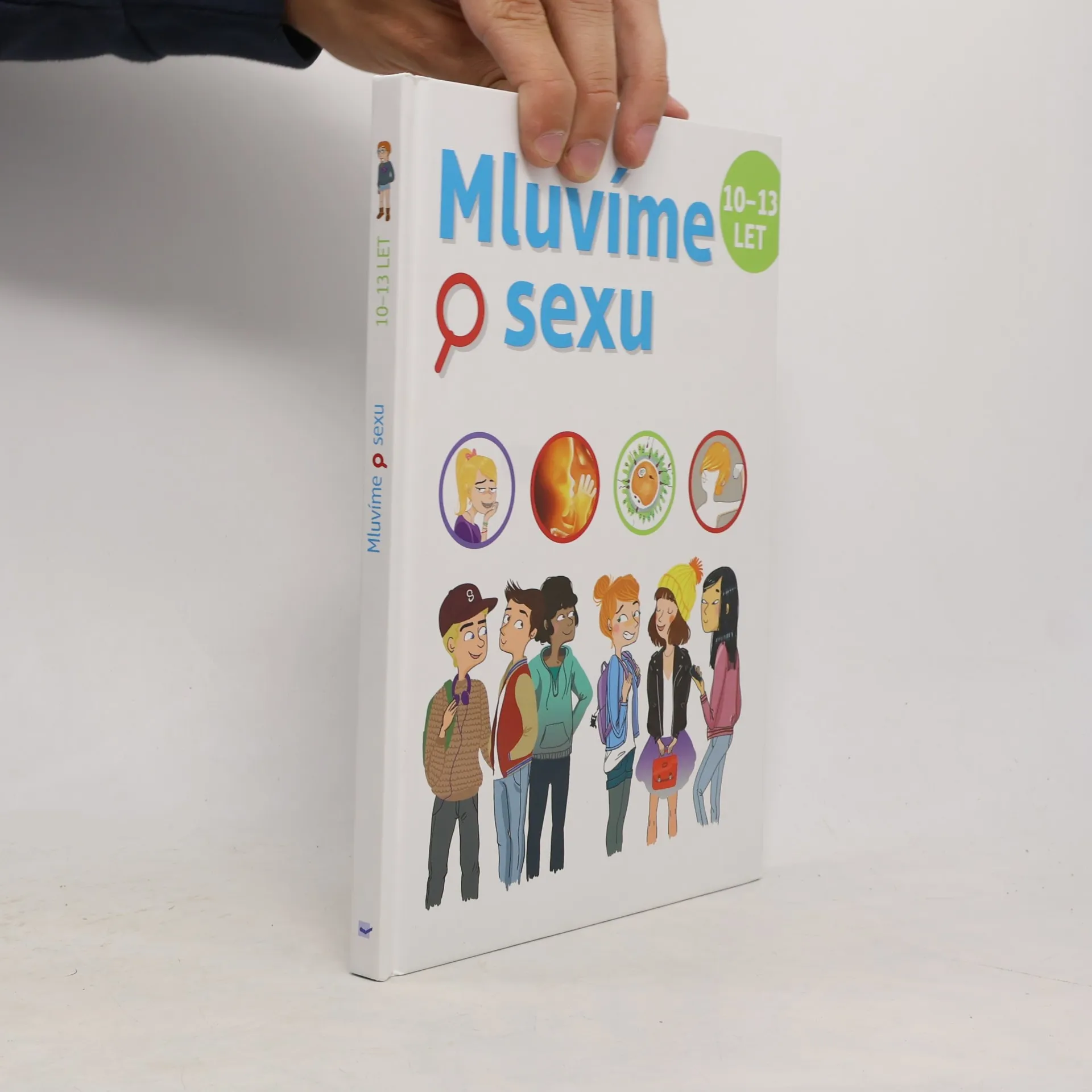
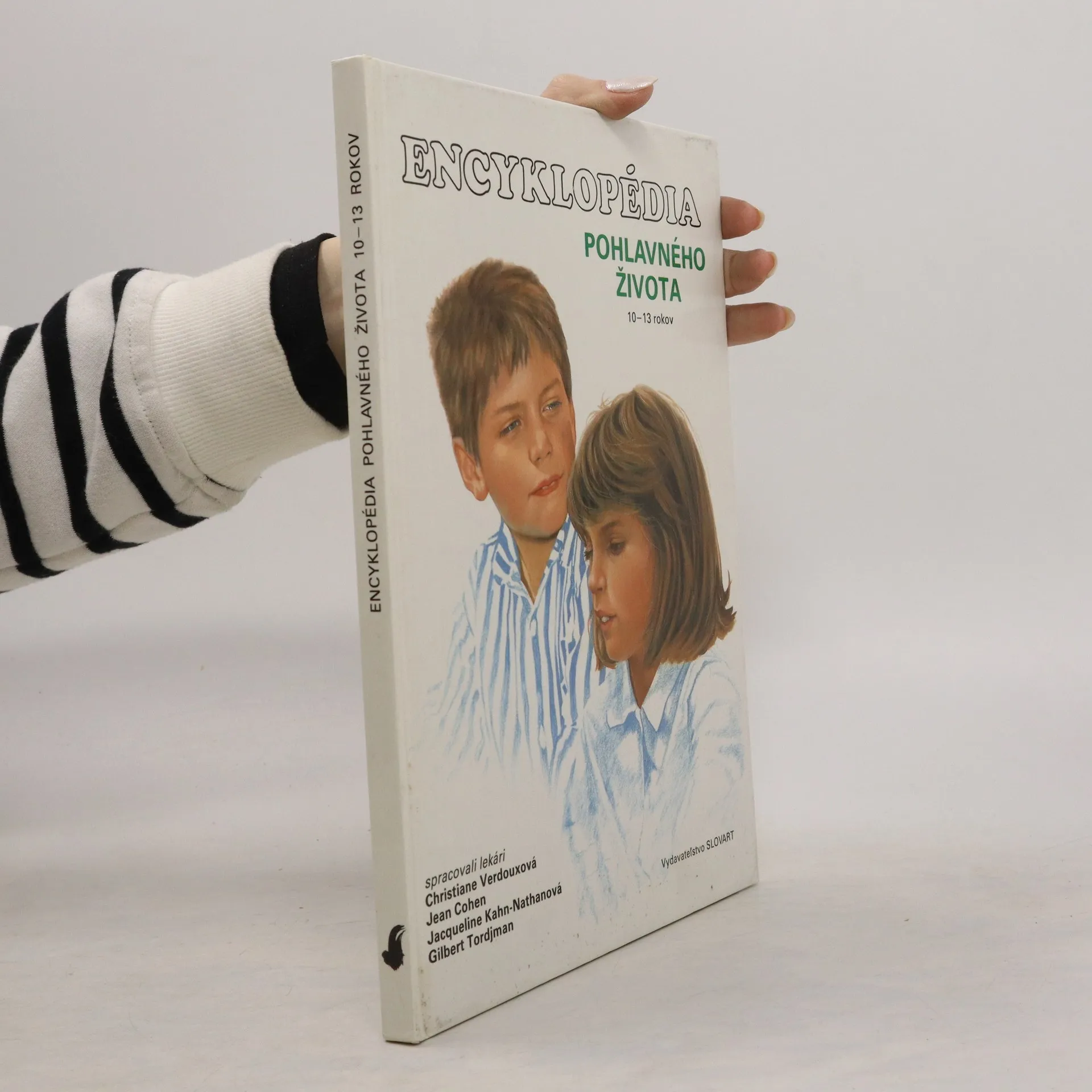
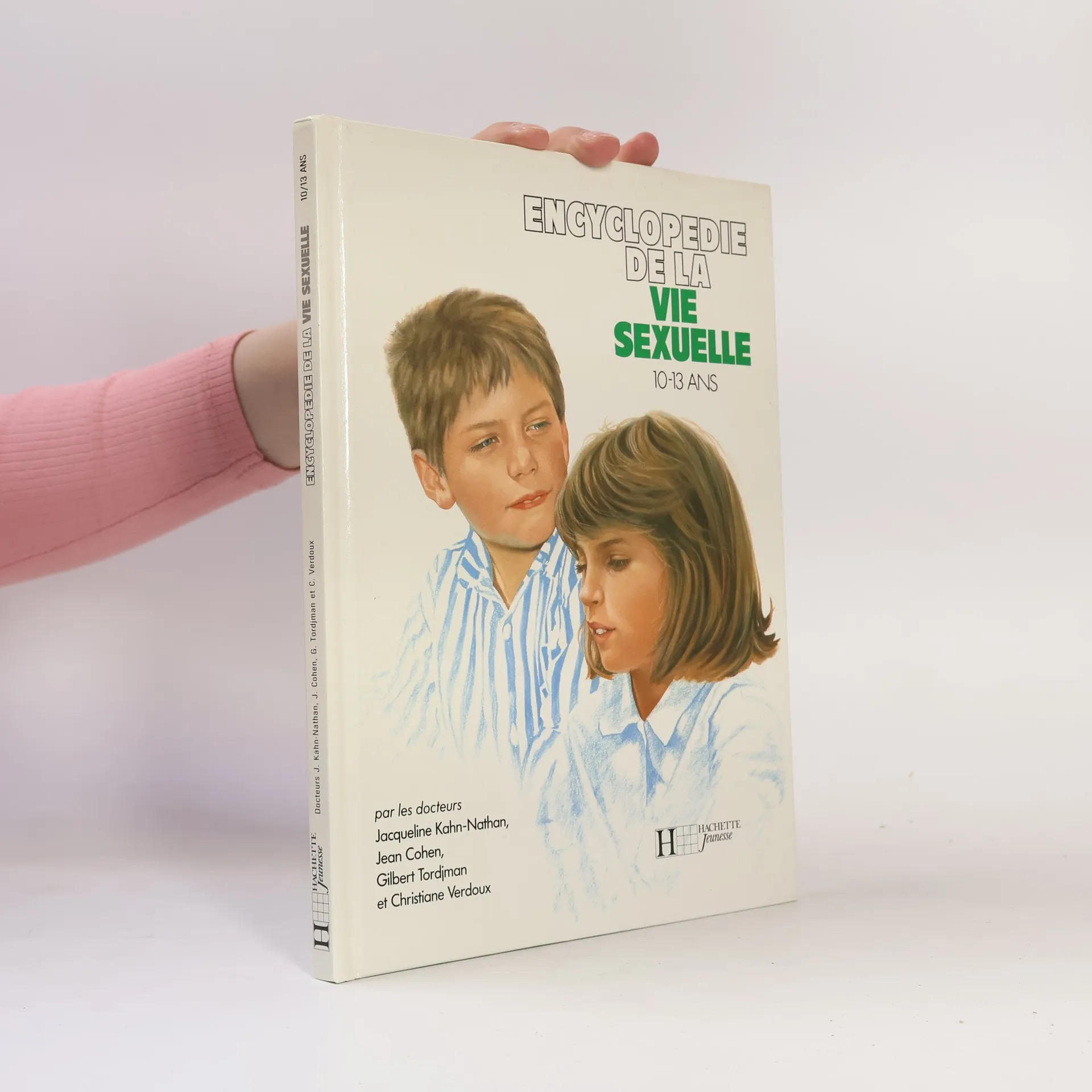
Období puberty občas bývá náročné. Třetí kniha z řady o sexuální výchově je věnovaná dětem, které vstupují do tohoto pro ně složitého období plného změn. Pokud hledáte vhodnou pomůcku, jak komunikovat s dětmi na téma sexu a rozmnožování, je tato kniha vytvořená týmem odborníků dobrou volbou. Pomůže dětem pochopit, co se s jejich tělem děje a jaké změny u nich nastávají. Pomocí obrázků a doprovodných ilustrací poskytuje základní informace o anatomii pohlavních orgánů, o tom, co se odehrává během sexu, a jak se chránit před nechtěným početím a před pohlavně přenosnými chorobami. Popisuje, co se děje s vajíčkem po oplodnění, průběh těhotenství i samotný porod a život miminka v jeho prvních týdnech a měsících života. Kniha nabízí přesně tu míru informací, která je pro děti ve věku mezi 10 a 13 lety vhodná, přínosná a užitečná.
Kniha je určená pro děti od 7 do 9 let.
Motto pro rodiče: Nebojte se toho, že vaše dítě dostane nějakou informaci ze sexuální oblasti předčasně, obávejte se však toho, že potřebnou informaci by nemuselo mít včas.
Motto pro děti: Neboj se klást dospělým otázky o pohlavním životě. Máš právo vědět o této důležité oblasti života vše, co tě zajímá.
Encyklopedie zpracovaná čtyřmi francouzskými lékaři - odborníky nabízí poučený pohled na lidskou sexualitu a její problémy jak z vědeckého, tak vztahového hlediska.
Encyklopedie zpracovaná čtyřmi francouzskými lékaři - odborníky nabízí poučený pohled na lidskou sexualitu a její problémy jak z vědeckého, tak vztahového hlediska.
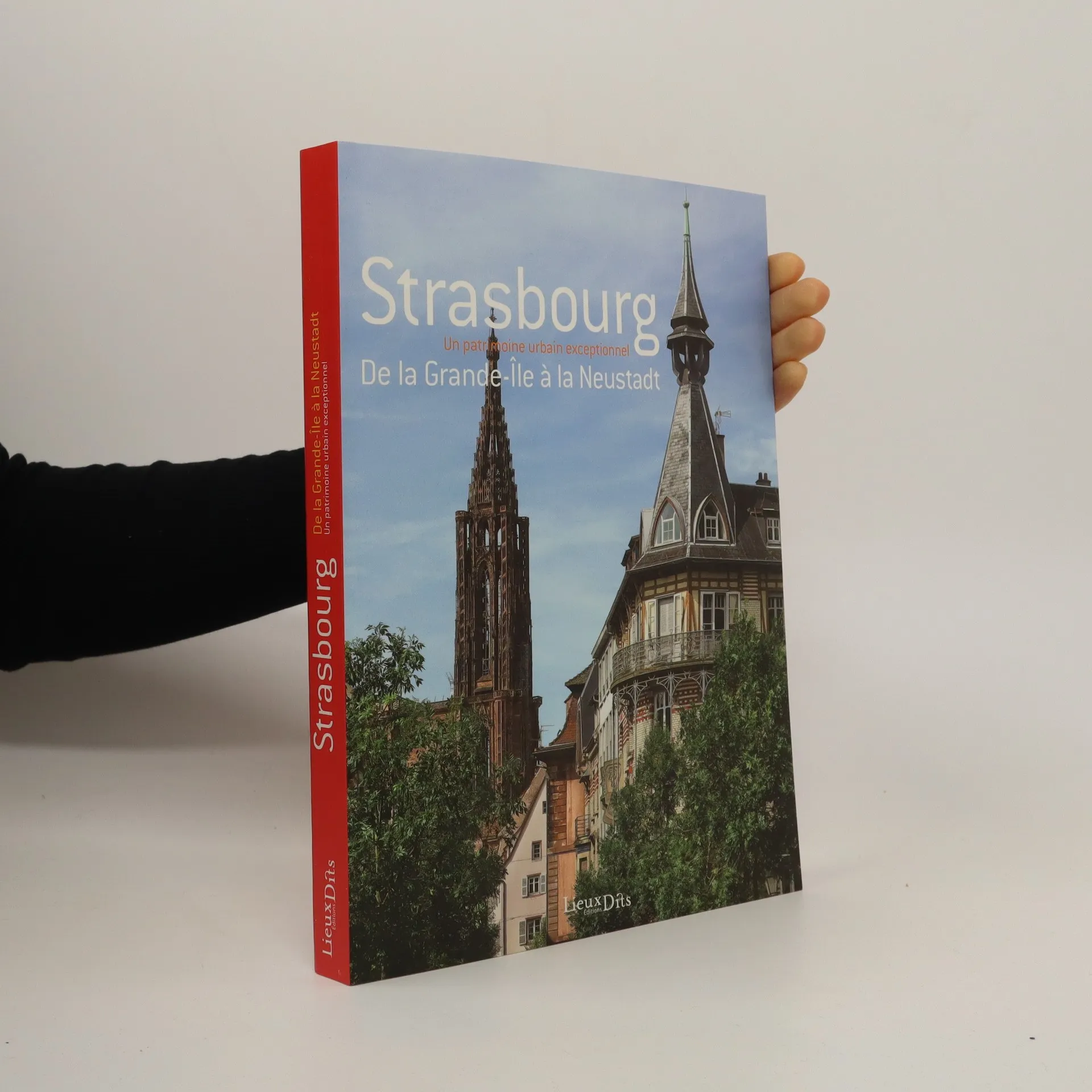
La Grande-Ile est un ensemble urbain témoin des influences croisées françaises et germaniques et des changements politiques et religieux depuis la période médiévale à nos jours. La Neustadt est conçue et réalisée dans la continuité de la ville ancienne, de la période allemande jusqu'à la seconde moitié du XXe siècle. Une demande pour leur inscription au patrimoine de L'Unesco a été faite
Les enfants de 10 à 13 ans vont remarquer des changements dans leur corps et leur psychologie, ainsi que certains faits de la vie... Ce livre les aide, ainsi que leurs parents, à répondre à leurs questions sur ces changements biologiques et psychologiques, et à les aider à éviter des inquiétudes inutiles.