

Ivan Tavčar Reihenfolge der Bücher (Chronologisch)
Obwohl Tavčar aus einer bescheidenen Bauernfamilie stammte, taucht sein literarisches Werk tief in die menschliche Psyche und gesellschaftliche Missstände ein. Er fängt meisterhaft die Spannung zwischen Tradition und Moderne ein, wobei er sich oft auf das Landleben und dessen Wandel konzentriert. Sein Stil zeichnet sich durch Realismus und scharfe Beobachtung menschlichen Verhaltens aus. In seinen Erzählungen erforscht er die komplexen Beziehungen zwischen Individuen und Gesellschaft, stets mit tiefem Verständnis für menschliche Motivationen.
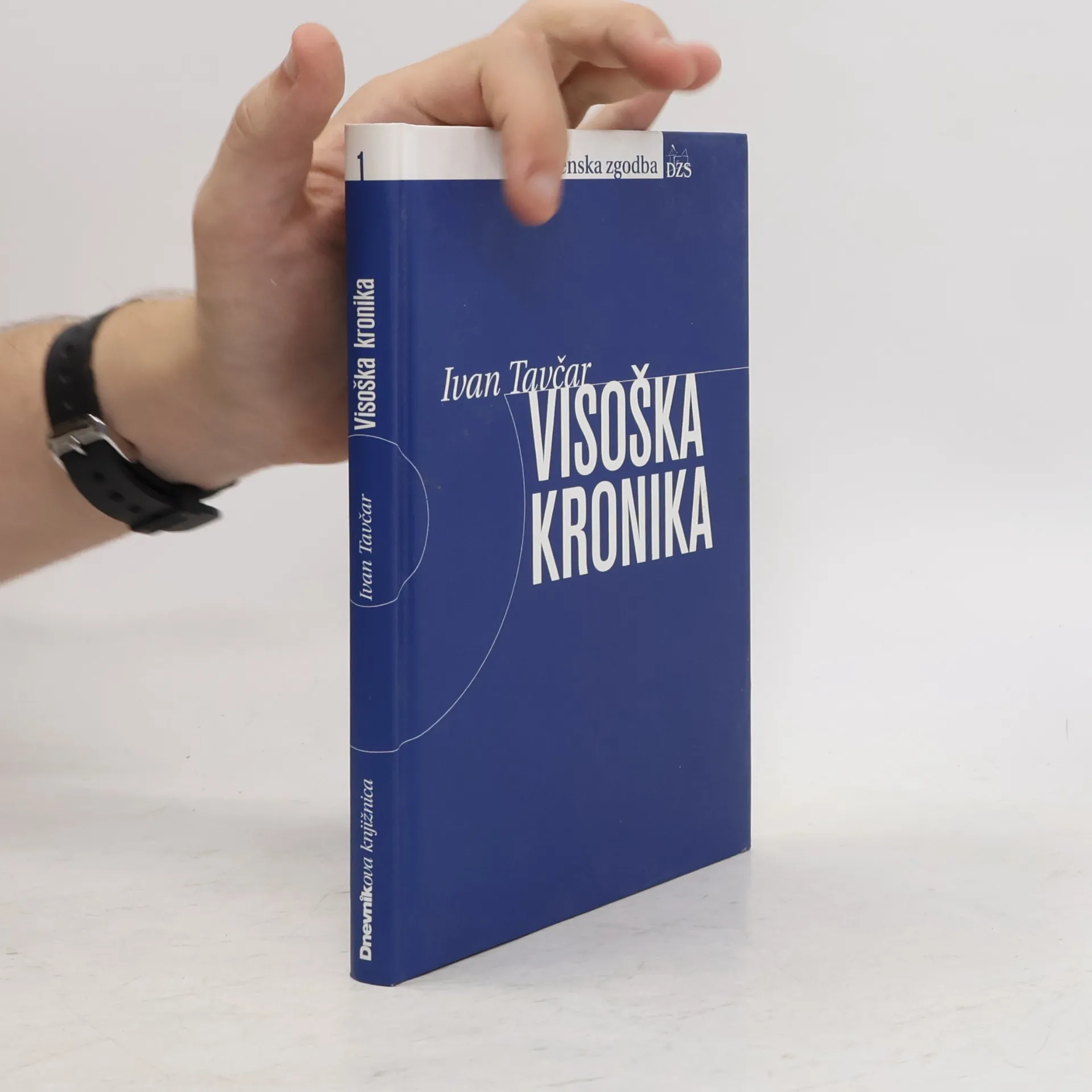
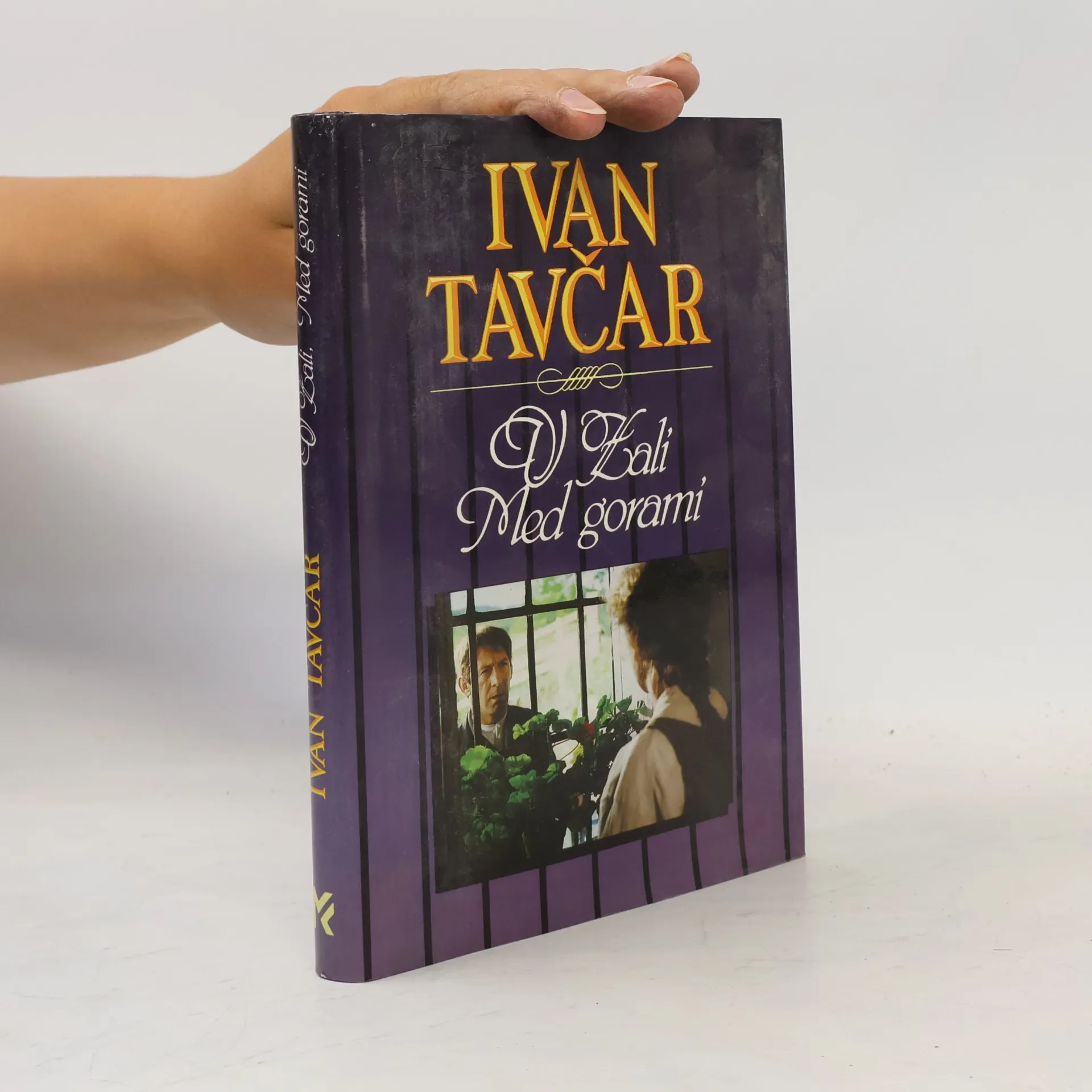
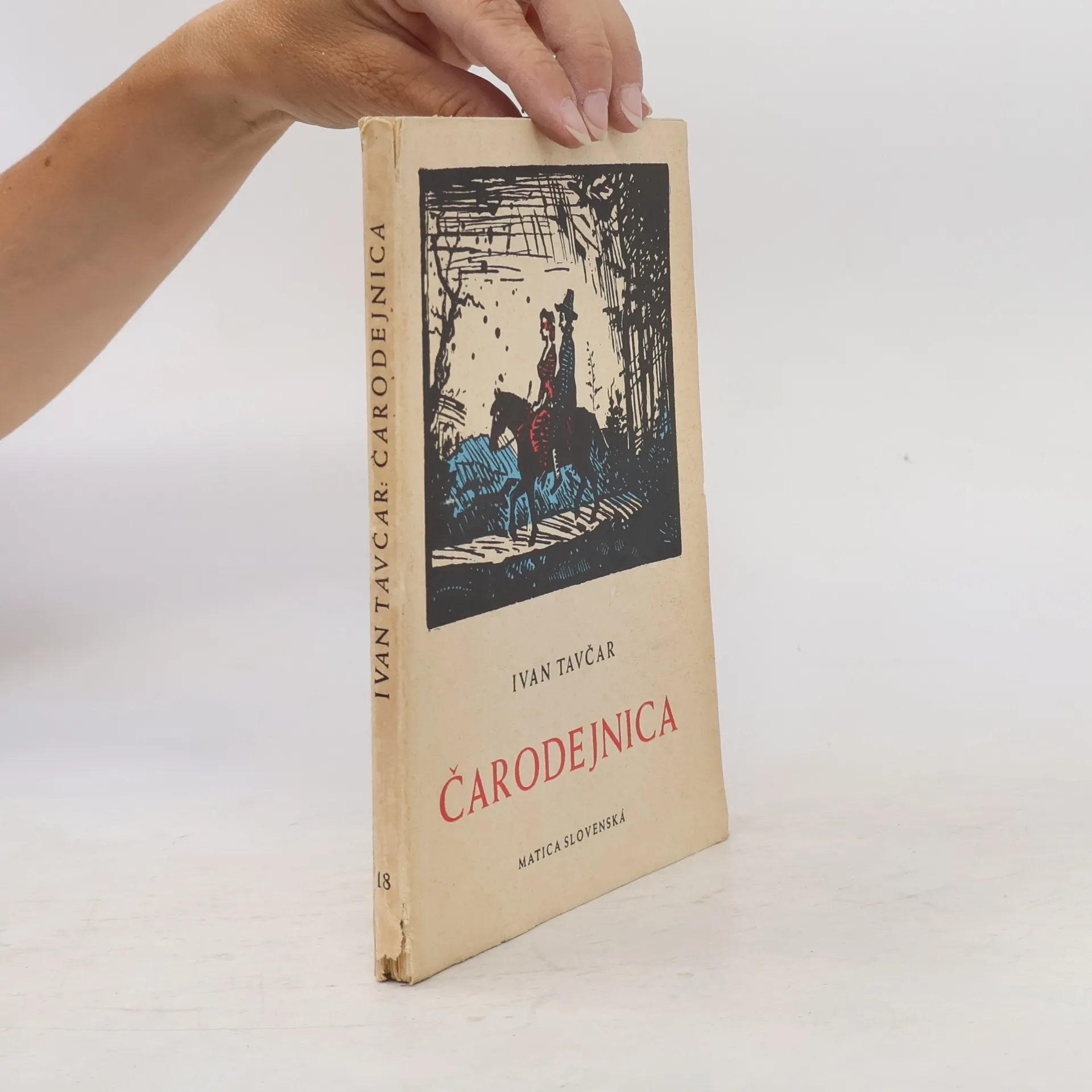
Dej románu sa odohráva v časovom rozpätí 1631 - 1716. Život po tridsaťročnej vojne priniesol so sebou úpadok obchodu, rastúce dane, no feudálni páni pokračovali vo svojom nákladnom hýrení a žmýkali z poddaných posledné sily, posledné groše. První skutečně dokonalý, ideově a esteticky zformovaný slovinský román na vyšším duchovním základu.
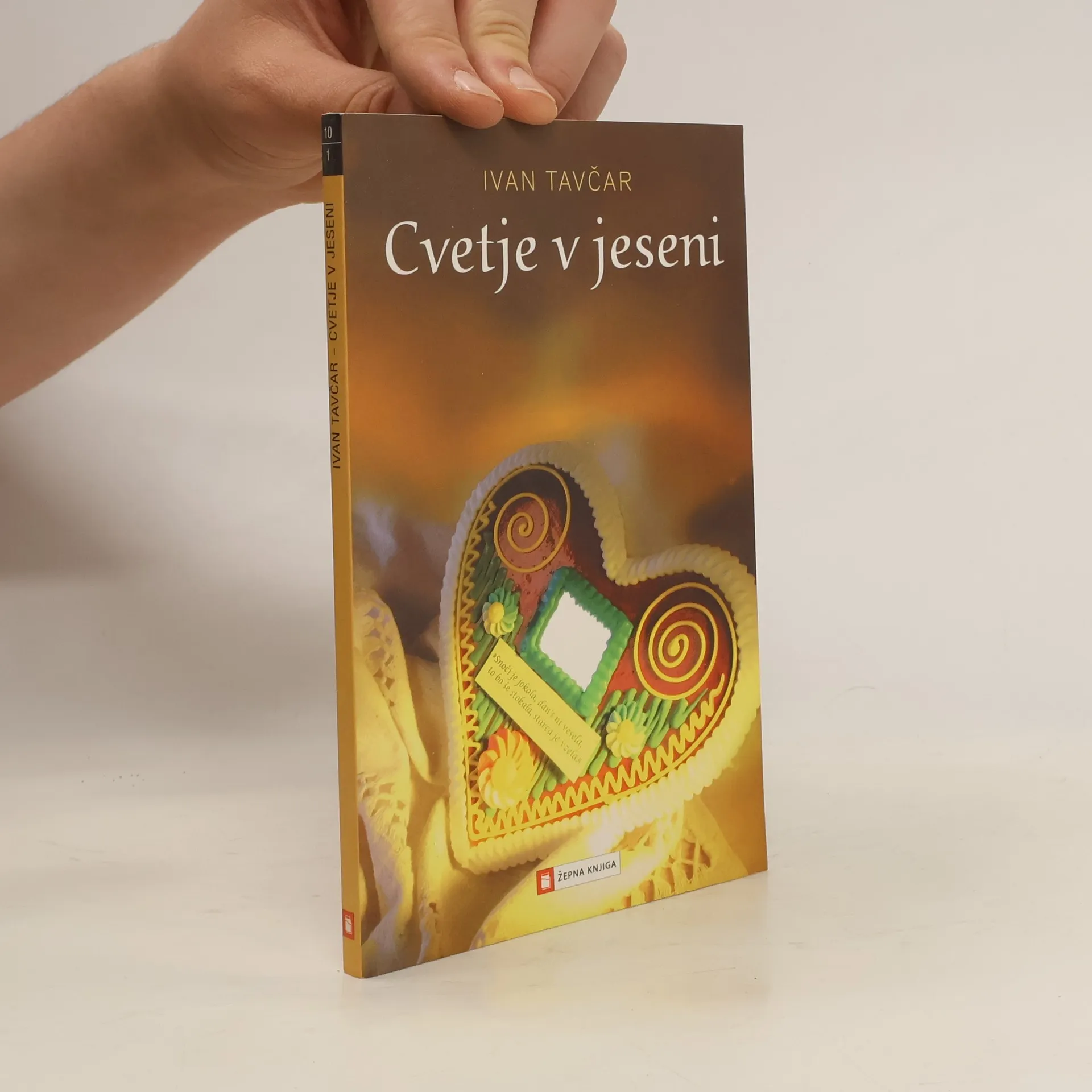
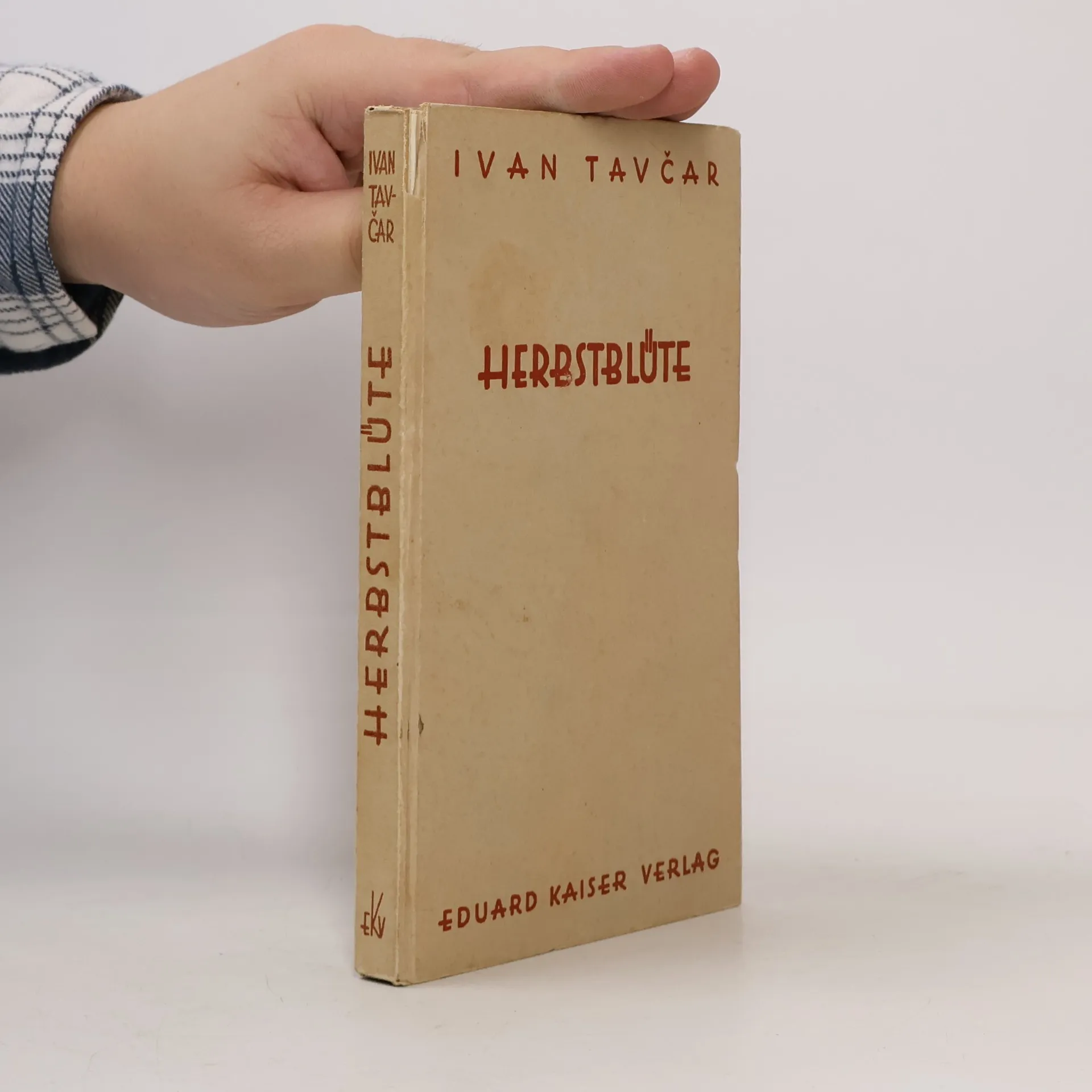
Cvetje v jeseni
- 109 Seiten
- 4 Lesestunden
V uvodnem delu pisatelj razvija misel, da le z naravo povezan kmečki človek še živi naravno, globoko in čustveno. Cvetje v jeseni je prispodoba za ljubezen med meščanskim Janezom in kmečkim dekletom Meto. Povest ima naslov Cvetje v jeseni, ker Janezova pozna, a nežna in iskrena ljubezen do Mete zaradi njene nenadne smrti, tako kot cvetje v jeseni, ne obrodi sadov. Vodilna tema je nasprotje med meščanskim in kmečkim načinom življenja. Z osebno izkušnjo to nasprotje pokaže Janez, ki zgodbo pripoveduje.