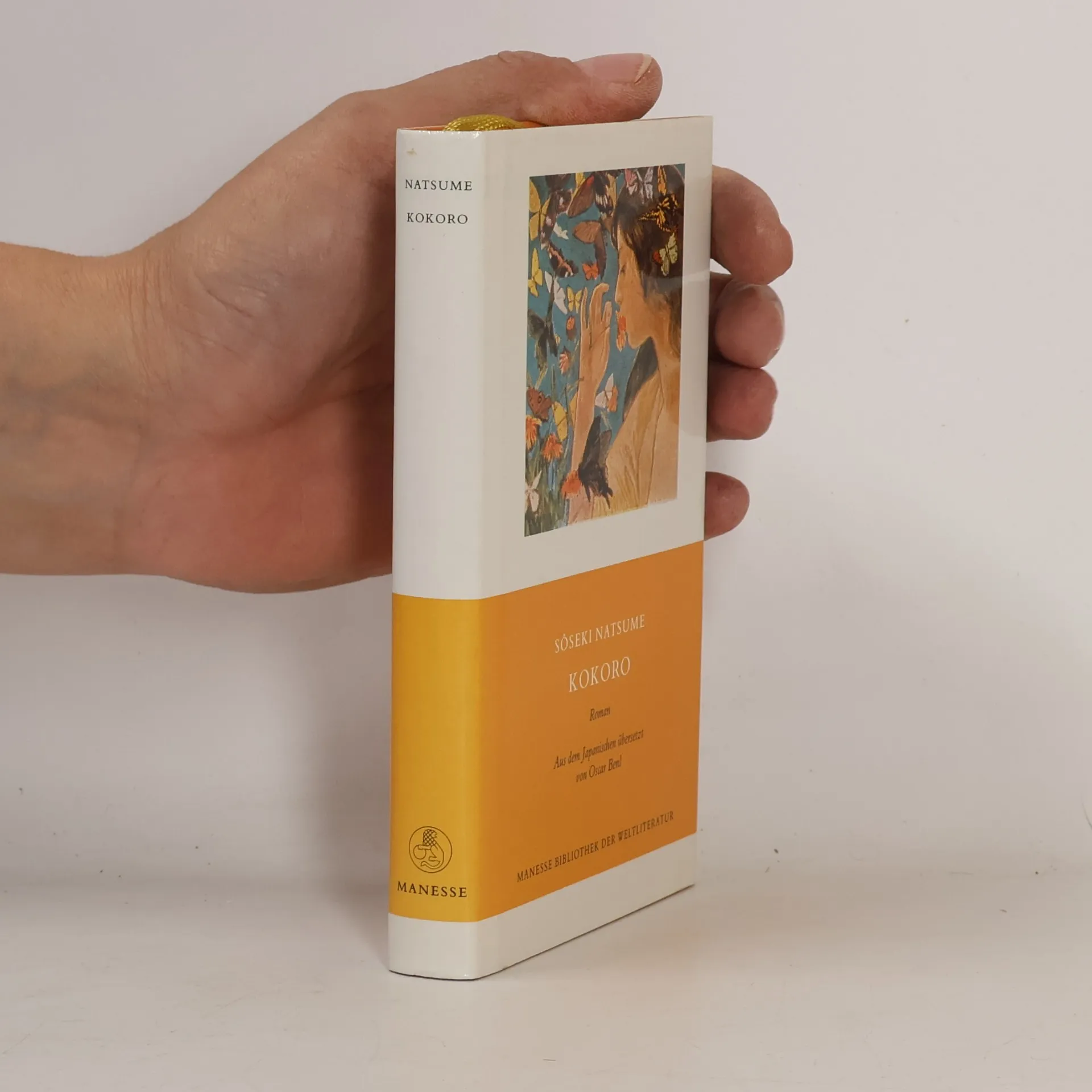
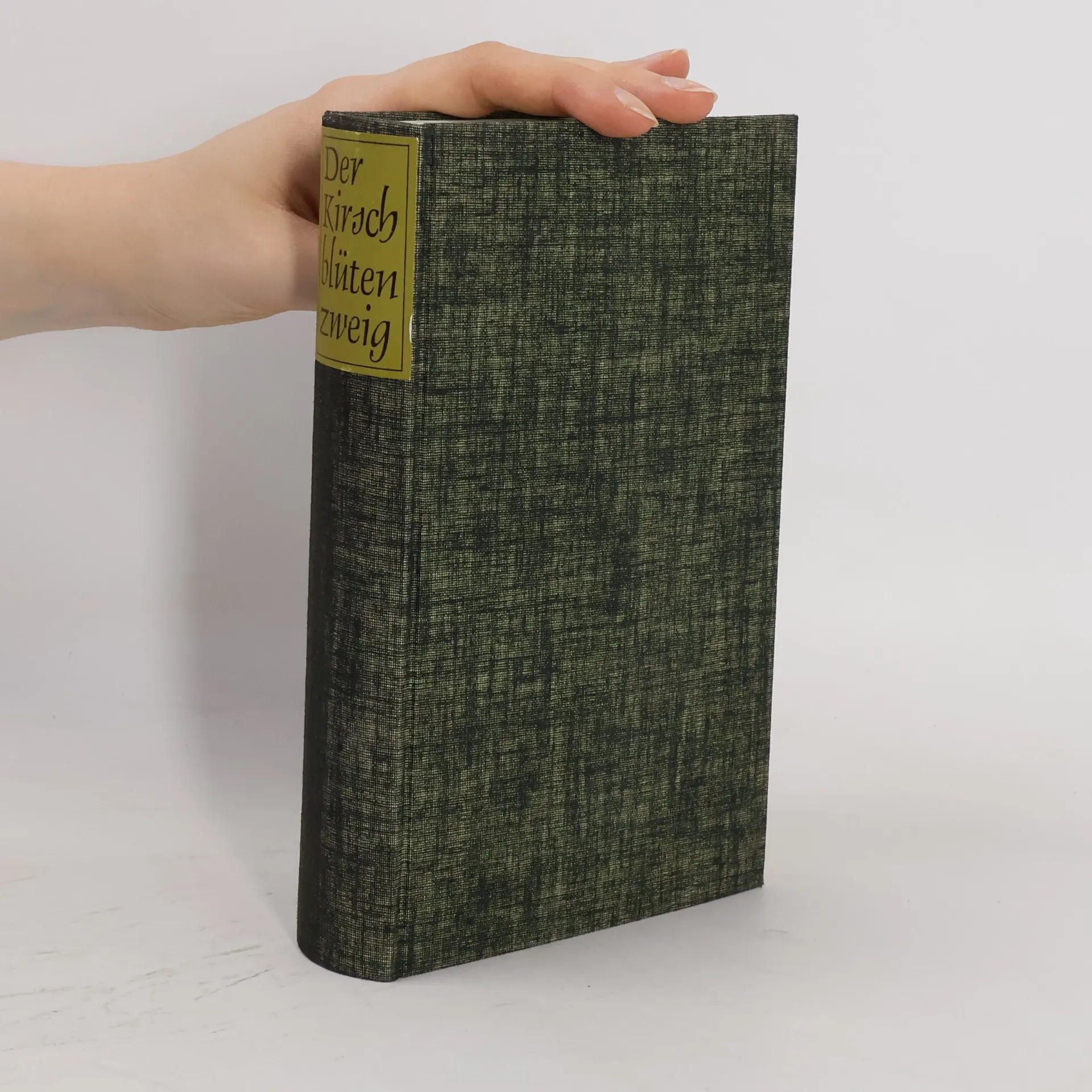
A nineteenth-century Japanese novel concerned with man's loneliness in the modern world. The subject of "Kokoro," which can be translated as "the heart of things" or as "feeling," is the delicate matter of the contrast between the meanings the various parties to a relationship attach to it. In the course of this exploration, Soseki brilliantly describes different levels of friendship, family relationships, and the devices by which men attempt to escape from their fundamental loneliness. The novel sustains throughout its length something approaching poetry, and it is rich in understanding and insight. The translation, by Edwin McClellan, is extremely good.
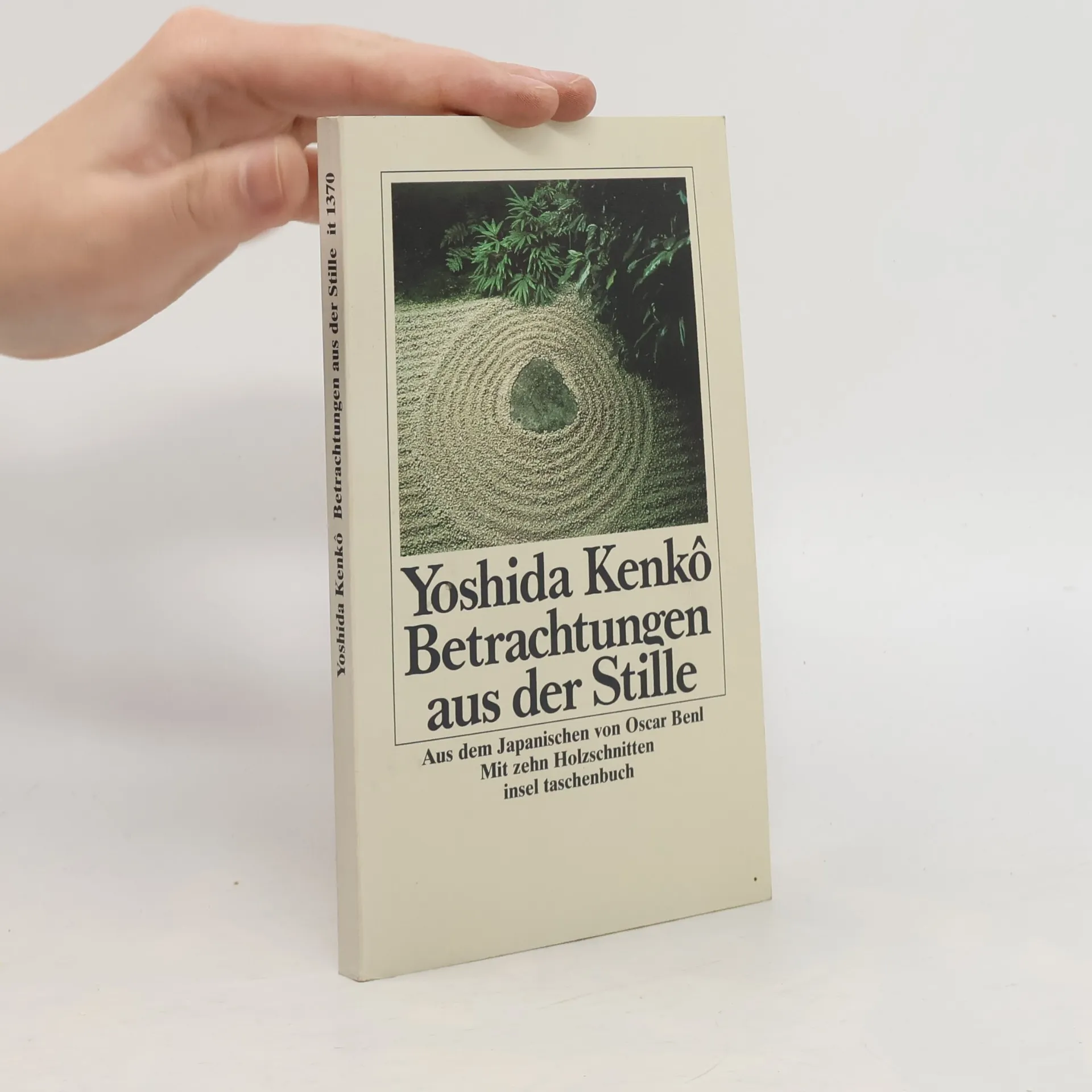
Das Werk enthält in 243 Kapiteln Betrachtungen über die mannigfaltigasten Dinge des Lebens, über das Glück der Einsamkeit, über Tempel und seltsame Mönche, über Liebe, alte Bräuche, Gedichte, über Einfalt und Leichtsinn der Menschen. Wie ein roter Faden zieht sich durch dies alles die Erkenntnis von der Vergänglichkeit allen Daseins und von der Notwendigkeit, sich in rechter Weise auf das Sterben vorzubereiten. Der Autor vereinigt dabei Elemente der konfuzianischen, buddhistischen und taoistischen Lehre.
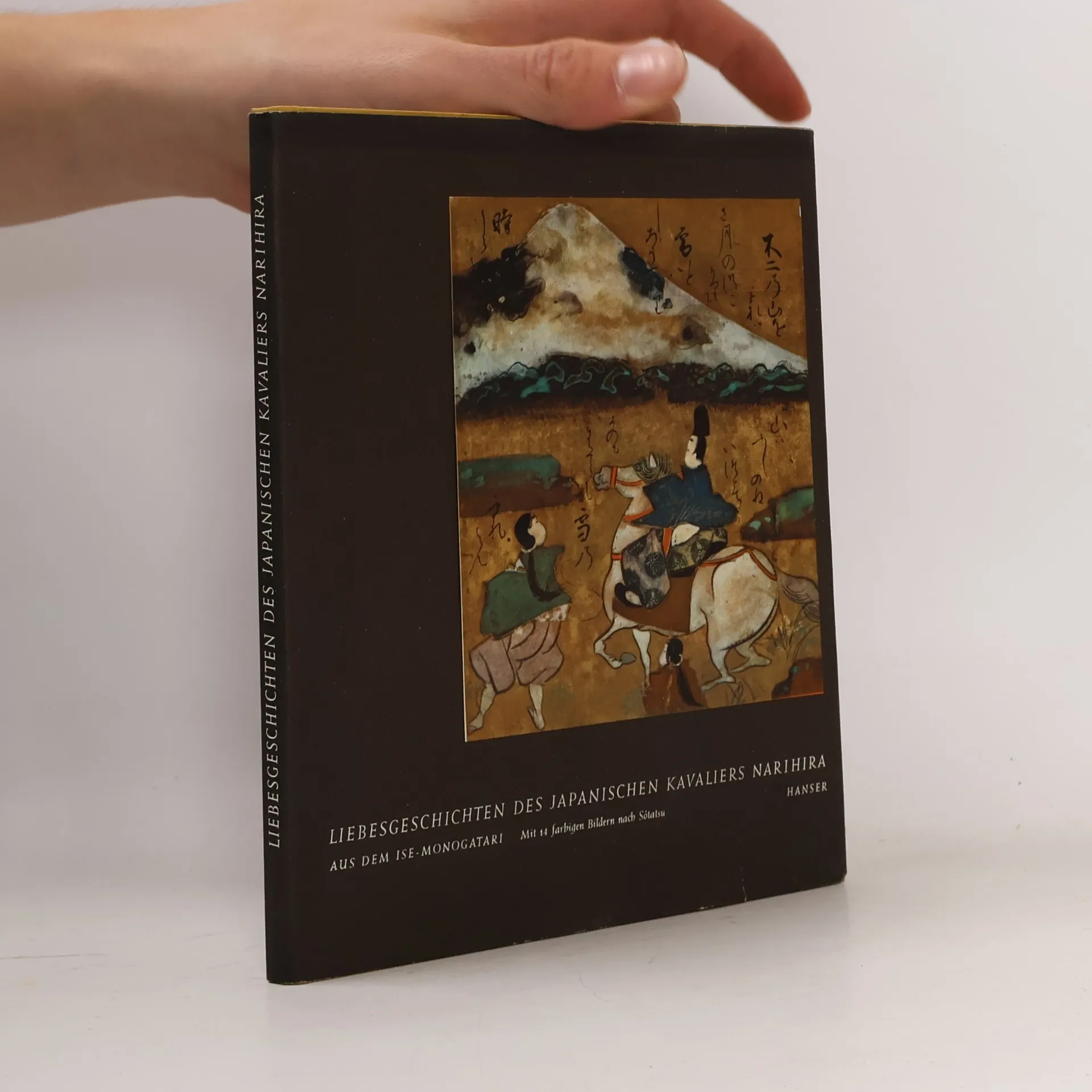
Altjapanischer Liebesroman - Vollständige Ausgabe aus dem Original
Written centuries before the time of Shakespeare and even Chaucer, The Tale of Genji marks the birth of the novel - and after more than a millenium, this seminal work continues to enchant readers throughout the world. Lady Murasaki Shikibu and her tale's hero, Prince Genji, have had an unmatched influence on Japanese culture. Prince Genji manifests what was to become an image of the ideal Heian-era courtier; gentle and passionate, Genji is also a master poet, dancer, musician and painter. The Tale of Genji follows Prince Genji through his many loves, and varied passions. This book has influenced not only generations of courtiers and samurai of the distant past, but artists and painters even in modern times - episodes in the tale have been incorporated into the design of kimonos and handicrafts, and the four-line poems called waka which dance throughout this work have earned it a place as a classic text in the study of poetry.Lady Murasaki Shikibu, born in the year 978, was a member of the famed Fujiwara clan - one of the most influential families of the Heian period. Her literary ability quickly won her place in the entourage of the Empress Akiko, whose court valued the rare woman who was a master of writing. After the death of her husband, Murasaki Shikibu immersed herself in Buddhism, and the religion's influences permeate her writing.