Spielen Sie Karten mit den Held*innen und Schurk*innen aus Dickens´ Romanen! Dieses wunderschöne Kartendeck zeigt die berühmtesten Figuren aus Dickens´ Welt und enthält zudem ein Booklet mit spannenden Erläuterungen zu den Personen und den Kartenspielen, die immer wieder in Dickens´ Romanen beschrieben werden. Ein Muss nicht nur für Bücherwürmer!
John Mullan Bücher


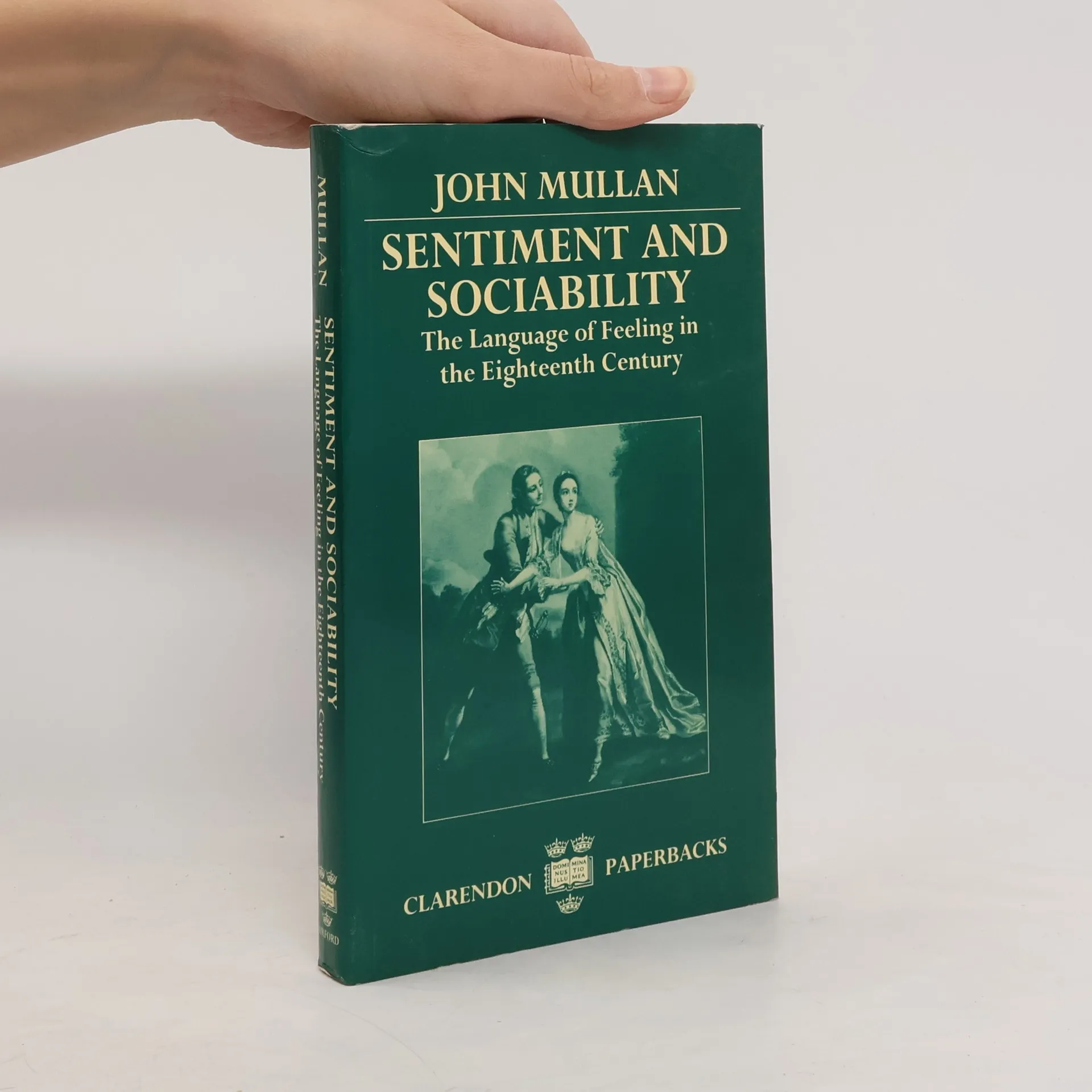
Sentiment and Sociability
The Language of Feeling in the Eighteenth Century (Clarendon Paperbacks)
- 272 Seiten
- 10 Lesestunden
This study examines the autobiographical writing of Samuel Richardson, Laurence Sterne, and David Hume, who chronicled the peculiarly intimate relationships between the texts they produced and the social lives they lived. Each relied on a language of feeling to represent social bonds they considered necessary, discovering, through their writing, a sociability dependent on the communication of passions and sentiments. This discovery, Mullan argues, played a critical role in the development of the eighteenth-century fiction now called sentimental.
An essential guide to the fictional world of Charles Dickens. In thirteen entertaining and insightful essays, Mullan explores the literary machinations of Dickens's eccentric genius, from his delight in cliches to his rendering of smells and his outrageous use of coincidences
Exploring the nuances of marriage proposals, this book delves into the cultural, emotional, and practical aspects of asking for a partner's hand. It highlights various approaches, from traditional to modern, and emphasizes the significance of personal touch and understanding in crafting the perfect moment. Readers will discover insights on timing, creativity, and the importance of considering their partner's preferences, ensuring a memorable and meaningful proposal experience.
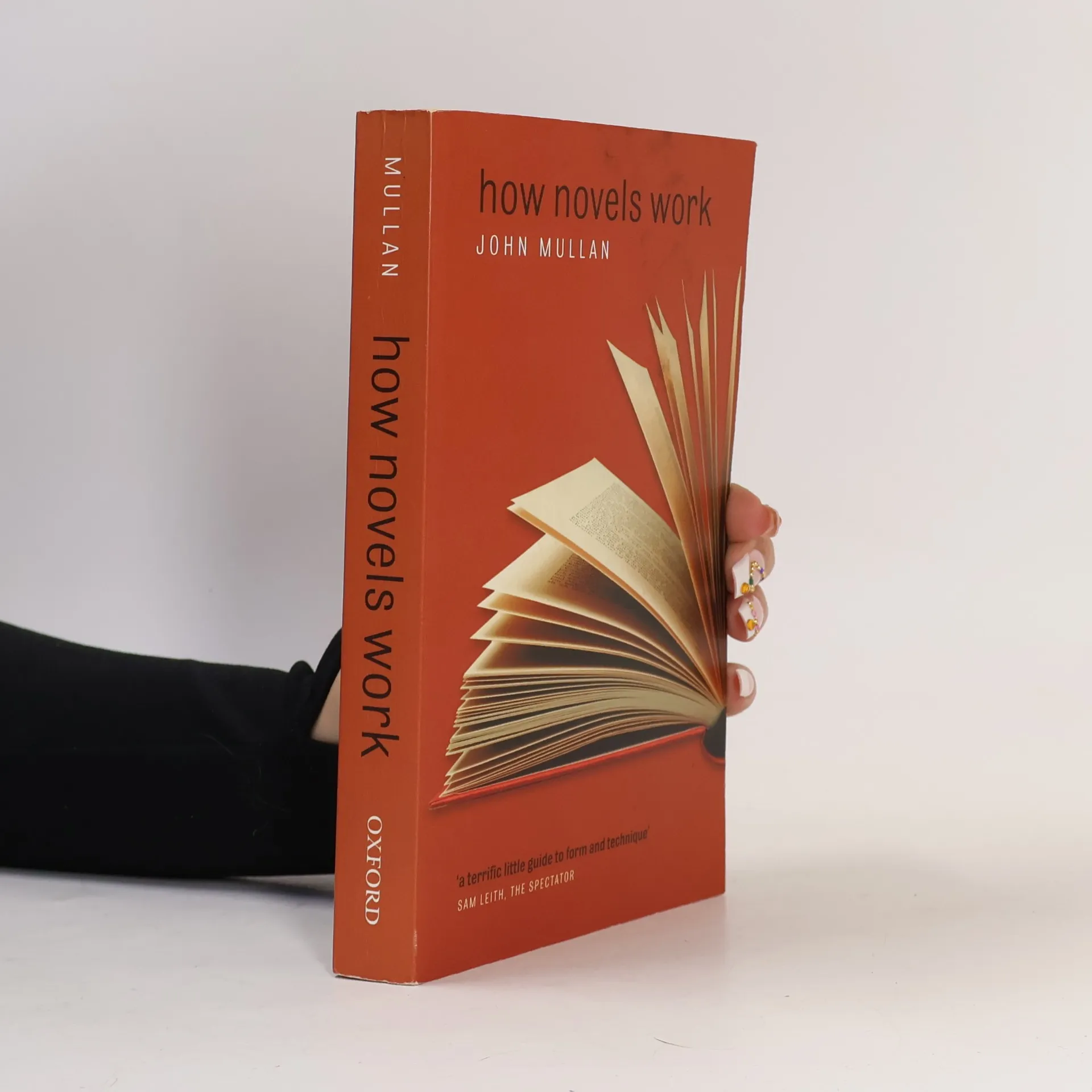
How Novels Work
- 368 Seiten
- 13 Lesestunden
Exploring the techniques of contemporary fiction, this book utilizes insights from the author's Guardian column, 'Elements of Fiction.' By analyzing examples from popular recent novels, it enhances the reader's understanding of narrative elements and expands their vocabulary. The work also highlights connections between modern storytelling and classic literature, offering a comprehensive look at how fiction operates across different eras.
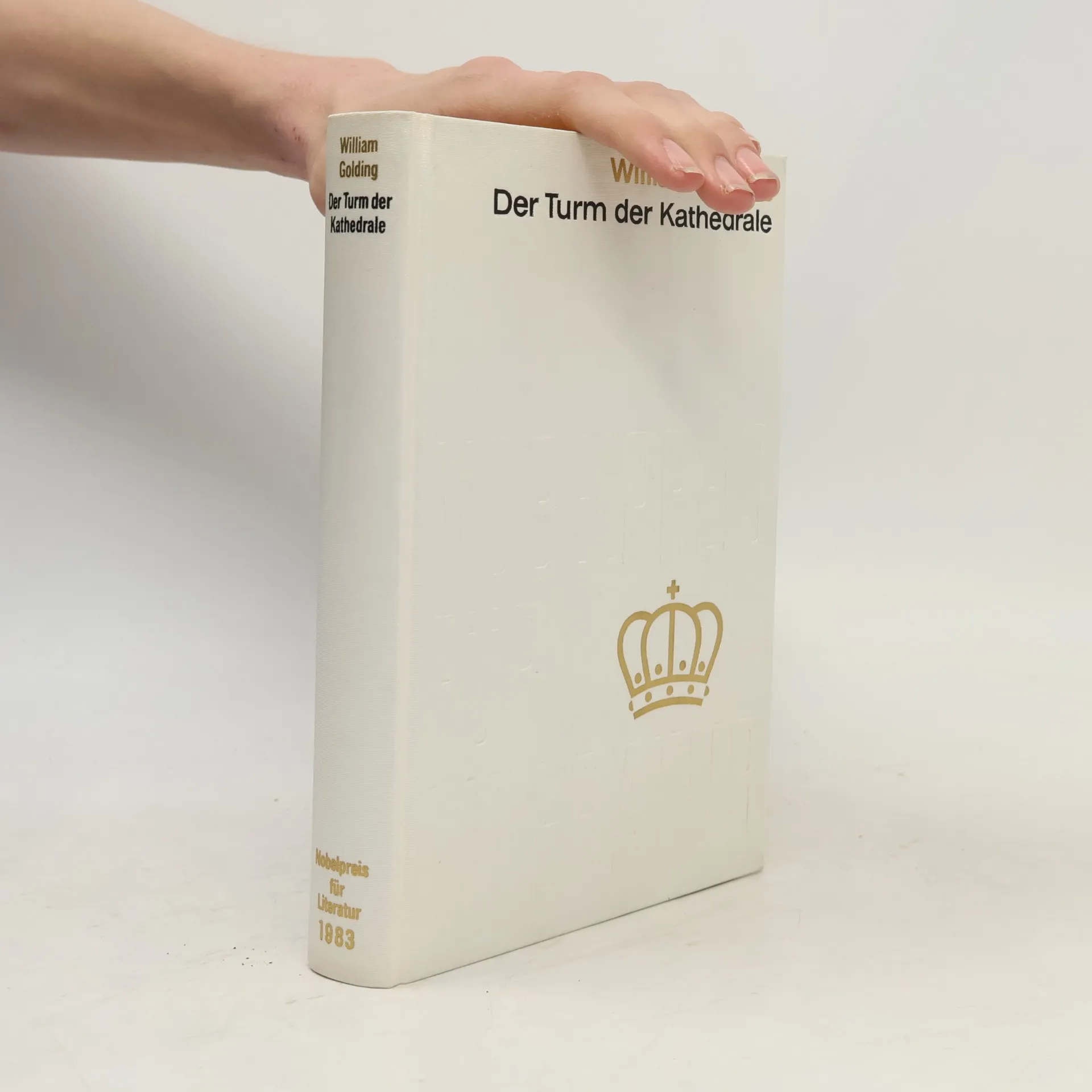
Jocelin, der Dekan der seit einhundertfünfzig Jahren stehenden Münsterkirche der Jungfrau Maria, hält sich für ausersehen, einen neuen, 400 Fuß hohen Turm errichten zu lassen. Der Sakristan Pater Anselm, die anderen Geistlichen, der Kirchendiener Pangall und die Bewohner der Stadt halten Jocelin für verrückt, aber der Dekan beauftragt den Baumeister Roger Mason mit dem Werk. Dessen Arbeiter graben zuerst den Boden unter der Vierung auf, damit Roger nach den Fundamenten sehen kann. Die hält er für viel zu instabil, um einen so hohen Turm tragen zu können, aber Jocelin lässt sich nicht von seinem Vorhaben abbringen. Also öffnet Roger das Gewölbe über der Vierung und beginnt mit dem Bau eines neuen Turmes. Die Messe wird nun statt am Hauptaltar in einer seitlich gelegenen Marienkapelle gelesen. Als in dem Loch unter der Vierung der Boden abrutscht und Steine von der Decke fallen, ist Roger froh, denn er nimmt an, dass damit die Entscheidung gegen einen Weiterbau gefallen sei. Er hat nicht mit Jocelins Starrsinn gerechnet, der sich eigens mit dem Abt von Malmesbury in Verbindung setzte, um zu verhindern, dass dieser Roger Mason einen anderen Bauauftrag erteilte. Von einer Einstellung der Arbeiten will Jocelin nichts wissen; er ist nicht einmal bereit, sich mit einer geringeren Turmhöhe zufrieden zu geben.
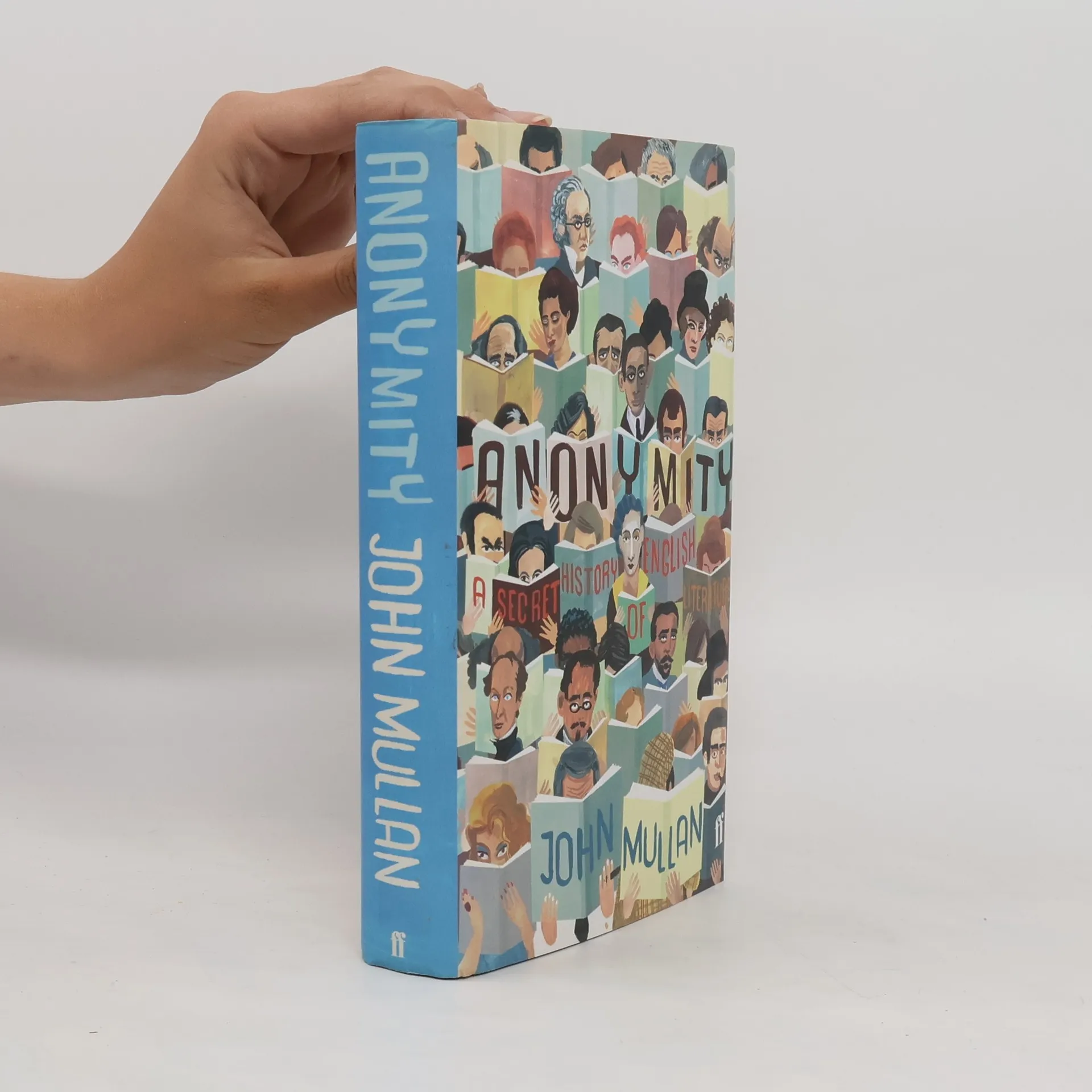
Anonymity
- 384 Seiten
- 14 Lesestunden
A fascinatingly rich and entirely original study of why many of the greatest authors of English literature chose to publish their work anonymously.We have forgotten that the first readers of "Gulliver's Travels" or "Sense and Sensibility" had to guess who their authors might be, and that writers like Sir Walter Scott and Charlotte Brontë went to elaborate lengths to keep secret their authorship of the bestselling books of their times. But in fact, anonymity is everywhere and no history of English literature is complete without it. Donne, Marvell, Defoe, Swift, Fanny Burney, Austen, Byron, Thackeray, Lewis Carroll, Tennyson, George Eliot, Sylvia Plath and Doris Lessing - all chose to conceal their names. Why was it so important to authors that they remain unidentified? What was it like to read their books without knowing for certain who had written them?From the sixteenth century to the present, from Edmund Spenser to "Primary Colors," John Mullan explores how the disguises of writers were firsts used and eventually penetrated, how anonymity teased readers and bamboozled critics - and how, when books reviews were also anonymous, critics played tricks in return. With great wit and lucidity, "Anonymity" presents a new and engaging way of enjoying English literature.
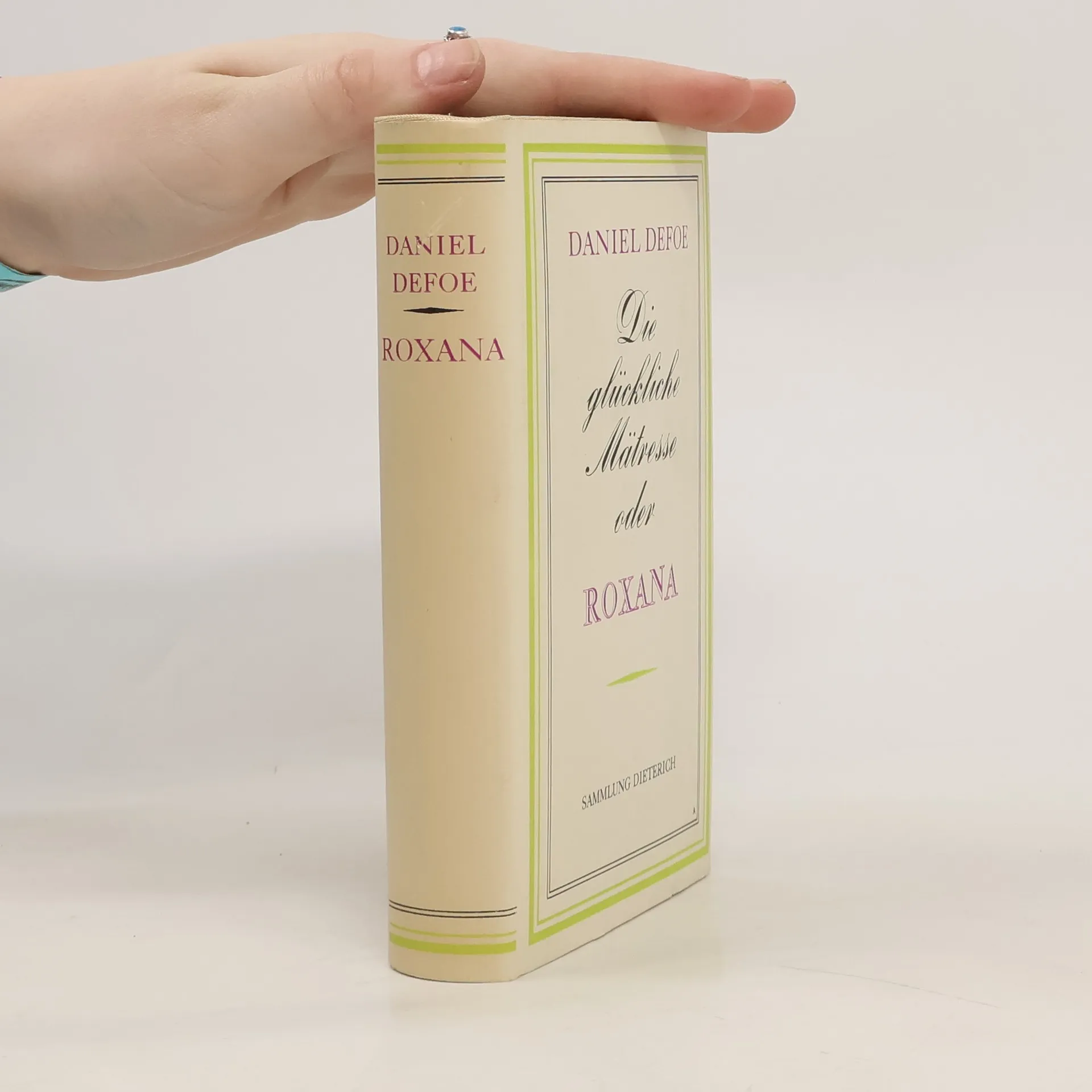
Roxana (1724), Defoes letzte und dunkelste Roman, ist die Autobiografie einer Frau, die ihre Tugend zunächst zum Überleben und später für Ruhm und Reichtum eingetauscht hat. Die Erzählerin berichtet von ihrem eigenen `verwerflichen' Leben als Geliebte reicher und mächtiger Männer. Das Drama des Romans liegt nicht in der `großen Vielfalt des Schicksals' der Heldin, sondern in ihren Versuchen, die manchmal bitteren Lektionen ihres Lebens als `begünstigte Geliebte' zu verstehen. Defoes Leistung bestand darin, in `Roxana' sowohl eine fesselnde Geschichtenerzählerin als auch eine fesselnde Geschichte zu erschaffen.
Jane Austen Playing Cards: Rediscover 5 Regency Card Games
Rediscover 5 Regency Card Games
- 54 Seiten
- 2 Lesestunden
54 CARD DECK – A set of playing cards featuring illustrations of Austen's most famous characters. Features standard playing card suits, numbers and court cards: can be used in exactly the same way as normal playing cards FUN, COLOURFUL ILLUSTRATIONS: Illustrator Barry Falls perfectly captures some of Austen's most loved characters. Suits are themed on character traits, with hearts for the Heroines and Heroes and spades for the Fools and Bores BOOKLET INCLUDED: The accompanying booklet includes the rules to Regency card games and their mentions in Austen's novels EASY HANDLING: The cards will not crack or bend when shuffled or flexed due to their weight. Held within a box these cards are perfect for taking anywhere on the go GIFTS: The playing cards make the perfect gift for any bookworm, or fan of Jane AustenPlay cards with Mr Darcy and Elizabeth Bennet as King and Queen of Hearts, Henry Crawford as Ace Rogue, and many more of Jane Austen's most memorable characters. Add some 19th-century drama to your favourite card games or learn to play the ones featured in Austen's stories with the help of the accompanying booklet.