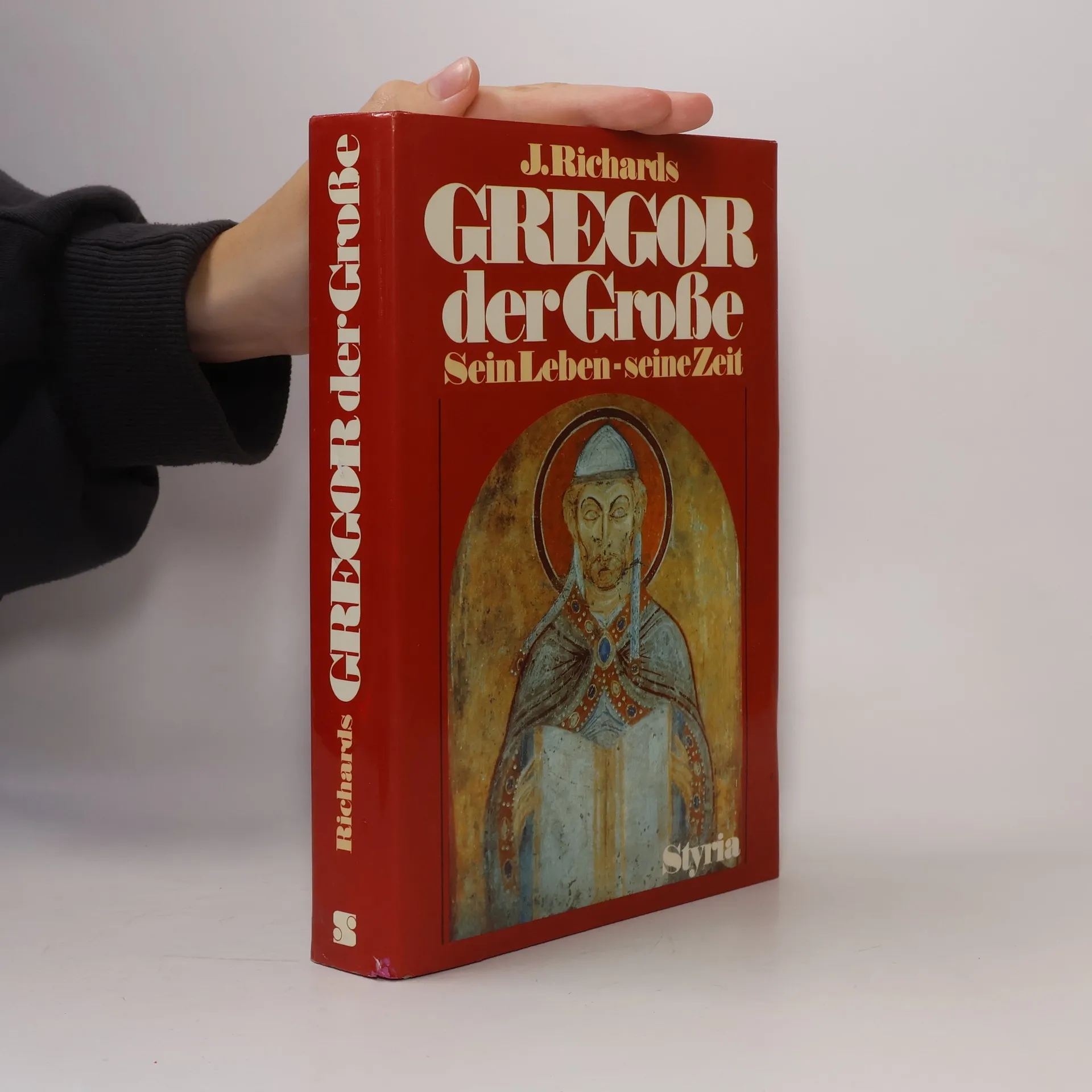
Gregor der Grosse
- 315 Seiten
- 12 Lesestunden



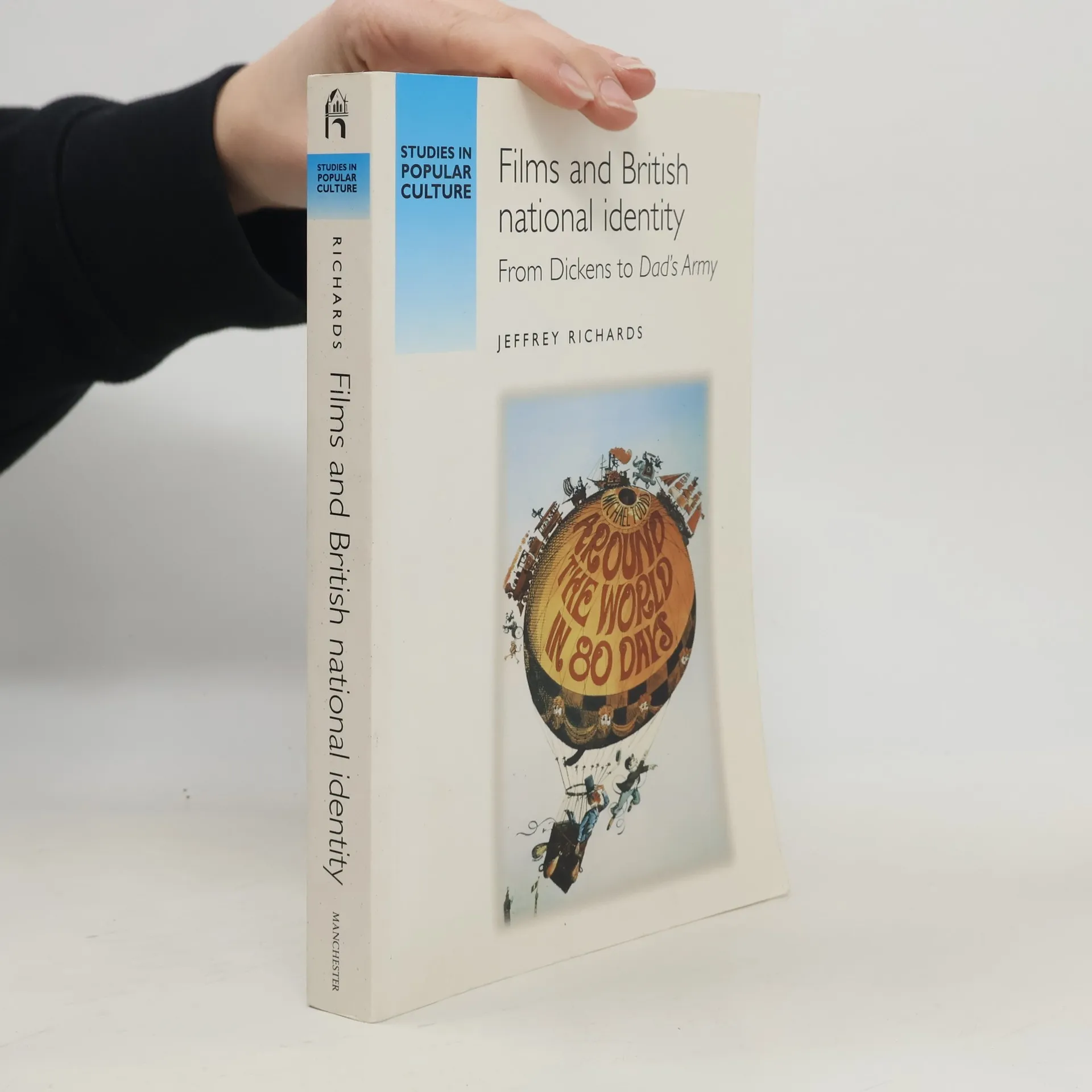
From Dickens to Dad's Army
Exploring the evolution of British popular culture, the book delves into significant milestones from Ealing Studios to the iconic series Dad's Army. Jeffrey Richards, a well-known commentator, offers insights and anecdotes that illuminate the cultural landscape of the time, making it an engaging read for enthusiasts of media history and television.
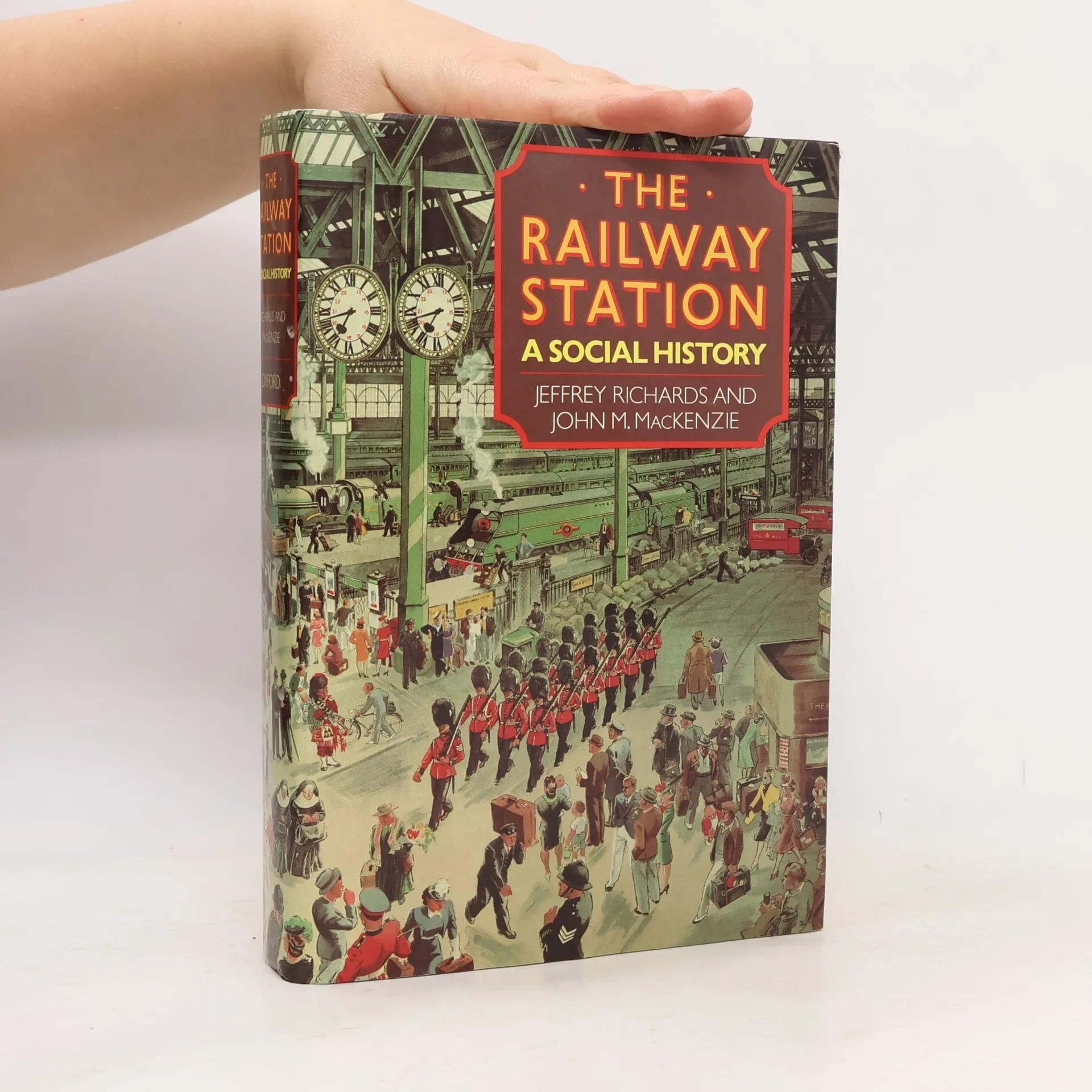
For the Victorians, the arrival of railways marked a new era of progress and civilization. Industrialization has proven to be a mixed blessing, yet the significance and romantic allure of railways endure. This engaging exploration delves into the role of railway stations worldwide, revealing a complexity that surpasses the imaginations of the nineteenth century. The authors trace the evolution of station architecture and design, from the imposing St. Pancras in London to the charming simplicity of rural stations in the American Midwest. The facilities within stations, such as ticket offices and waiting rooms, have gained equal importance to the structures themselves. Additionally, the book examines how stations have been portrayed in art and literature as sites of emotional farewells and joyful reunions, with films like Brief Encounter highlighting their cinematic significance. Furthermore, the strategic role of stations in politics and the economy, particularly during wartime, is discussed, emphasizing their importance recognized by governments globally. This captivating volume weaves together history, literature, art, and architecture, offering a unique and comprehensive survey of the railway station's allure and impact.
This study examines the persecuted lives of heretics, witches, Jews, prostitutes and homosexuals in medieval Europe, and links their common sufferings to sexual aberrance created by the Church, which sought to regulate even the most intimate details of human life.