

Bookbot

Ed Diener

    Well-Being for Public Policy
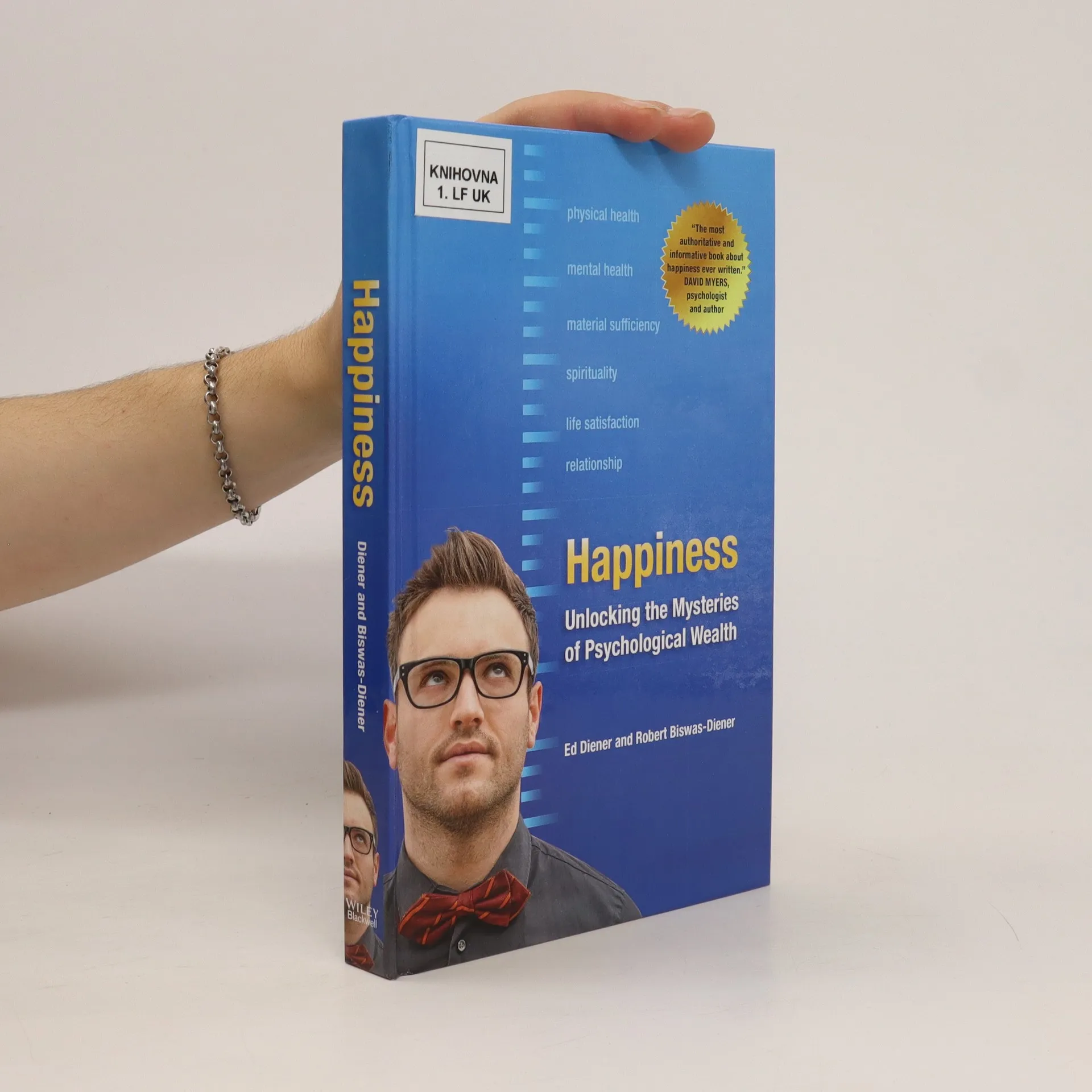
    Happiness : unlocking the mysteries of psychological wealth
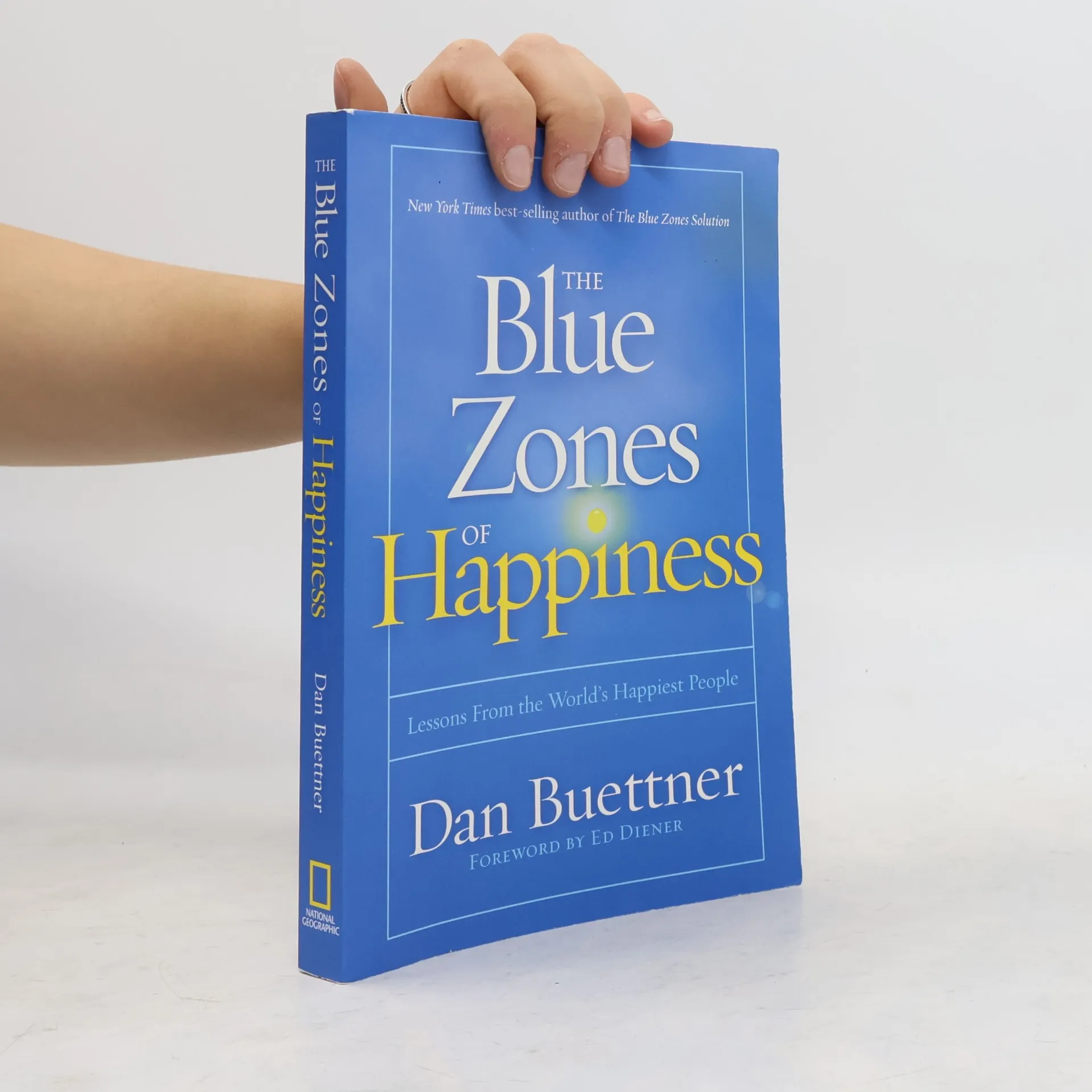
    The blue zones of happiness : lessons from the world's happiest people
    • New York Times best-selling author Dan Buettner reveals the surprising secrets of what makes the world's happiest places--and shows you how to apply these lessons to your own life. In this inspiring guide, you'll find game-changing tools drawn from global research and expert insights for achieving maximum fulfillment. Along the way, you'll: - Discover the three strands of happiness--pleasure, purpose, and pride--that feature prominently in the world's happiest places. - Take the specially designed Blue Zones Happiness Test to pinpoint areas in your life where you could cultivate greater joy, deeper meaning, and increased satisfaction. - Meet the world's Happiness All-Stars: inspiring individuals from Denmark to the United States who reveal dynamic, practical ways to improve day-to-day living. - Discover specific, science-based strategies for setting up a "life radius" of community, work, home, and self to create healthier, happiness-boosting habits for the long-term.

      The blue zones of happiness : lessons from the world's happiest people
      4,0
    • Utilizing sophisticated methodology and three decades of research by the world's leading expert on happiness, Happiness challenges the present thinking of the causes and consequences of happiness and redefines our modern notions of happiness.shares the results of three decades of research on our notions of happiness covers the most important advances in our understanding of happiness offers readers unparalleled access to the world's leading experts on happiness provides "real world" examples that will resonate with general readers as well as scholars Winner of the 2008 PSP Prose Award for Excellence in Psychology, Professional and Scholarly Publishing Division of the Association of American Publishers

      Happiness : unlocking the mysteries of psychological wealth
      3,8
    • Well-Being for Public Policy

      • 254 Seiten
      • 9 Lesestunden

      In this volume, the authors explain the reasons why subjective indicators of well-being are needed. They describe how these indicators can offer useful input and provide examples of policy uses of well-being measures. The book then delves into objections to the use of subjective well-being indicators for policy purposes and discusses why these objections are not warranted. Finally, the book contains answers pertaining to the measures that are currently in use and describes the types of measures that are most likely to be valuable in the policy domain.At the most ambitious, even audacious, level, Well-Being for Public Policy has the potential of transforming society by making people and policy more concerned about well-being, and less concerned about economics and income. The existence of national measures of well-being would draw more interest to the rewarding and problem areas of life, and serve to give a broader focus to societal decisions. National accounts of well-being could reorient societies so that social values, the environment, enjoyable work, and physical and emotional health are given prominence along with economic development. This book is an invaluable treatise on current understanding of the complex relationship between well-being and public policy-- it will be of great interest to researchers in the fields of psychology and economics.

      Well-Being for Public Policy