Bookbot

Jussi M. Hanhimäki

    International History of the Twentieth Century and Beyond - Second Edition
    The United Nations
    The Flawed Architect
    The United Nations
    Transatlantic relations since 1945
    The Cold War
    • The Cold War

      • 720 Seiten
      • 26 Lesestunden

      Westad has demonstrated that it is possible to tell the vast story of the Cold War in just 600 pages...a clear and well-written summary of a global conflict Gerard Degroot The Times

      The Cold War
      4,3
    • Transatlantic relations since 1945

      • 208 Seiten
      • 8 Lesestunden

      This text provides a comprehensive account of transatlantic relations in the second half of the 20th century, and up to the present day.

      Transatlantic relations since 1945
      4,0
    • The United Nations

      • 172 Seiten
      • 7 Lesestunden

      A clear, compact, and accessible introduction to the United Nations. In this fully updated edition, Hanhimäki examines the UN's history and future prospects. The book evaluates the UN's successes and failures, aiming to debunk some of the persistent myths that swirl around what is ultimately an indispensable global organization.

      The United Nations
      4,2
    • The Flawed Architect

      Henry Kissinger and American Foreign Policy

      • 576 Seiten
      • 21 Lesestunden

      This first major reassessment of Kissinger in over a decade paints a subtle, carefully composed portrait of America's most famous and infamous statesman.

      The Flawed Architect
      3,9
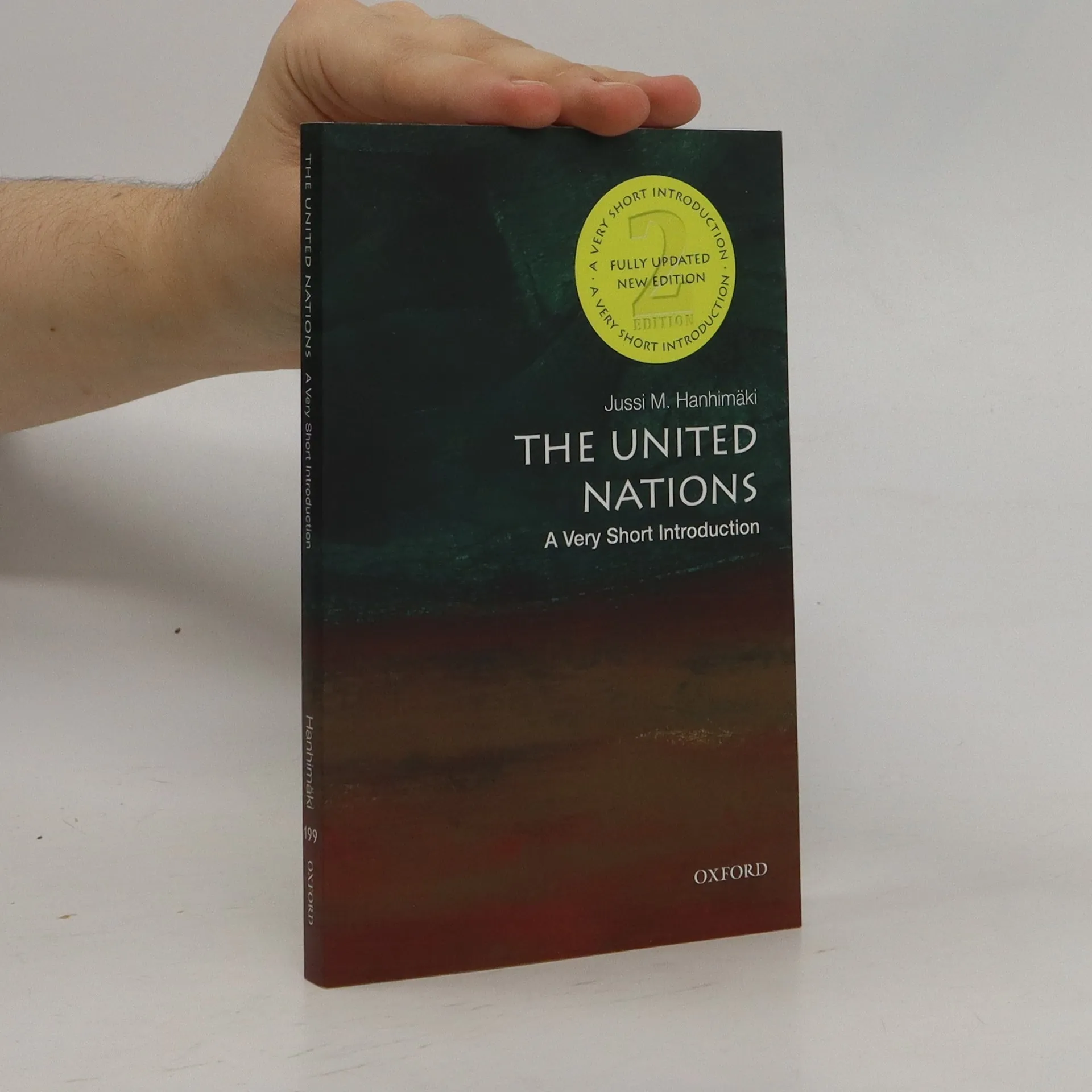
    • The United Nations

      A Very Short Introduction

      • 184 Seiten
      • 7 Lesestunden

      The United Nations has been described as both "the best hope of mankind" and "obsolete." In this essential introduction, Jussi Hanhimäki engages with the debate on the UN's effectiveness, detailing its origins, evolution, and the challenges it faces in a rapidly changing world. The author begins with a brief history of the UN and its predecessor, the League of Nations, before assessing its successes and failures in maintaining international peace, promoting human rights, upholding international law, and fostering socio-economic development. Hanhimäki highlights the significant gap between the UN's ambitions and its capabilities, particularly in international security, where it must navigate conflicts without infringing on member states' sovereignty or being overshadowed by powerful nations, as seen in the 2003 Iraq intervention. He also evaluates the effectiveness of various UN agencies, such as UNESCO and UNICEF, in recent crises like those in Rwanda and the former Yugoslavia. Ultimately, Hanhimäki argues that while the UN is an indispensable organization that has improved the world, it remains deeply flawed and in need of ongoing reform. The Oxford's Very Short Introductions series offers concise, insightful discussions across a range of subjects, providing accessible guides for students and general readers alike.

      The United Nations
    • This major global history of the twentieth century is written by four prominent international historians for first-year undergraduate level and upward. Using their thematic and regional expertise, the authors cover events in Europe, Asia, the Middle East, Africa and the Americas from the last century and beyond. Among the areas this book covers are: the decline of European hegemony over the international order the diffusion of power to the two superpowers the rise of newly independent states in Asia and Africa the course and consequences of the major global conflicts of the twentieth century. This second edition is thoroughly updated, and includes extended coverage of European integration, the rise of supra-governmental organizations, and the global War on Terror'. A support website provides supplementary exercises, questions and tutor guidance.

      International History of the Twentieth Century and Beyond - Second Edition