The Evil That Men Do
- 560 Seiten
- 20 Lesestunden
Robert Gleason brings his A-game to this searing terrorism thriller steeped with nonstop tension and suspense.


Robert Gleason schöpft aus seiner umfassenden Erfahrung im Verlagswesen und seinem ungewöhnlichen Hintergrund als Stahlarbeiter. Seine Werke zeichnen sich durch scharfe Beobachtungen der menschlichen Natur und der Welt um ihn herum aus. Durch sein Schreiben erforscht er die Komplexität des Lebens mit einer einzigartigen Mischung aus Intellekt und rohem Realismus. Seine Romane sind nachdenklich und fesselnd und berühren oft tiefgründige Wahrheiten über die menschliche Verfassung.


Robert Gleason brings his A-game to this searing terrorism thriller steeped with nonstop tension and suspense.
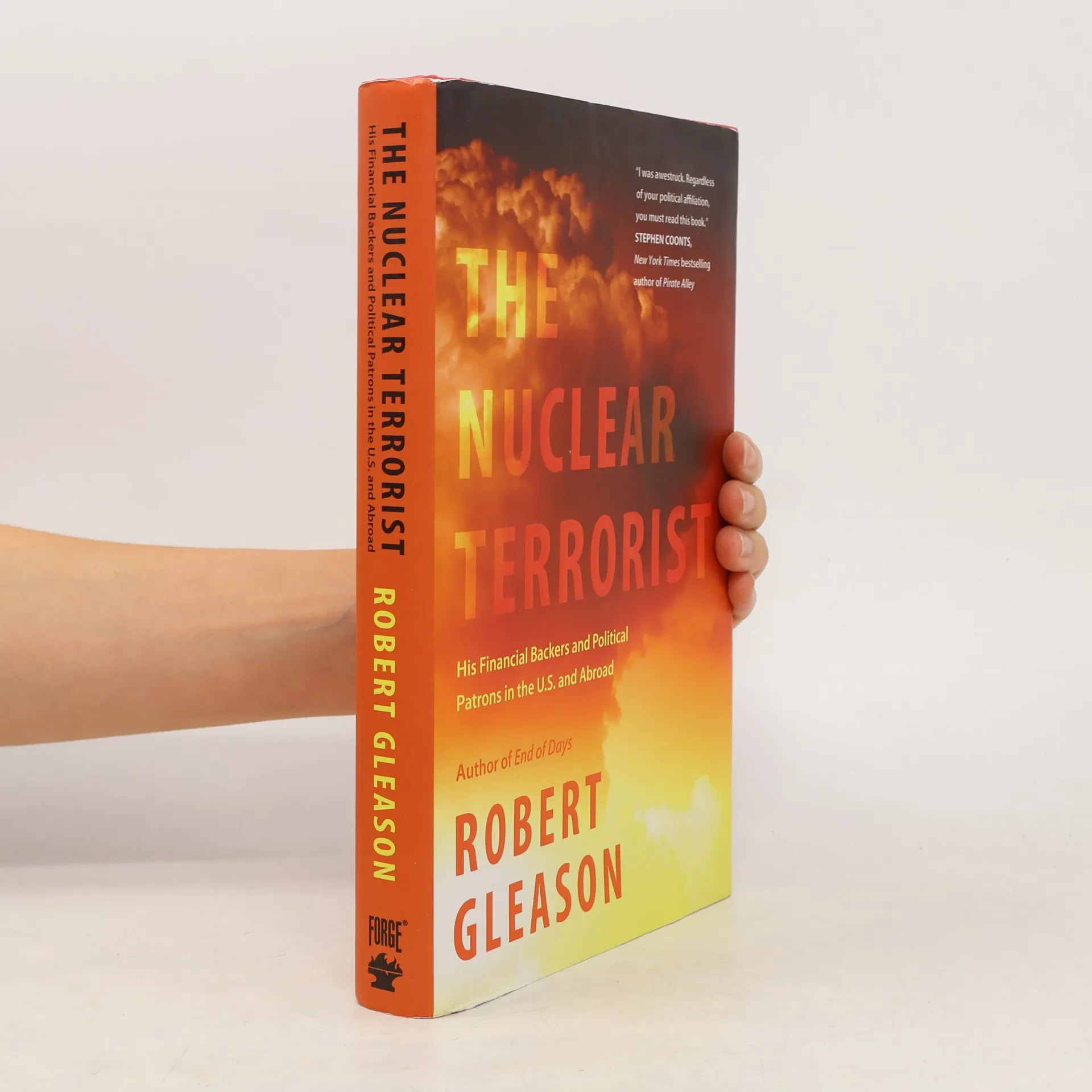
His Financial Backers and Political Patrons in the US and Abroad
The threat of nuclear terrorism and weapons of mass destruction has never been greater, yet, as this devastating exposé makes clear, America's leaders, including the last two Presidential administrations, have been shockingly lax and often chillingly reckless when it comes to protecting the United States—and the world—from the spreading threat of nuclear proliferation and the very real possibility that terrorists will stage a nuclear bombing or meltdown on American soil . . . with catastrophic results. Taking no prisoners, Robert Gleason's The Nuclear Terrorist demonstrates how time and again both the Bush and Obama administrations have placed politics and profiteering over public safety; how the government has failed to effectively guard and regulate a "peaceful" nuclear industry that is both cataclysmically expensive and apocalyptically dangerous; how America's nuclear power plants remain vulnerable to both physical and cyber attacks; and how our elected leaders and their advisors continue to do business with rogue states, untrustworthy and unstable "allies," and terrorist backers, while turning a blind eye to the all-but-inevitable consequences of such deals with the devil.
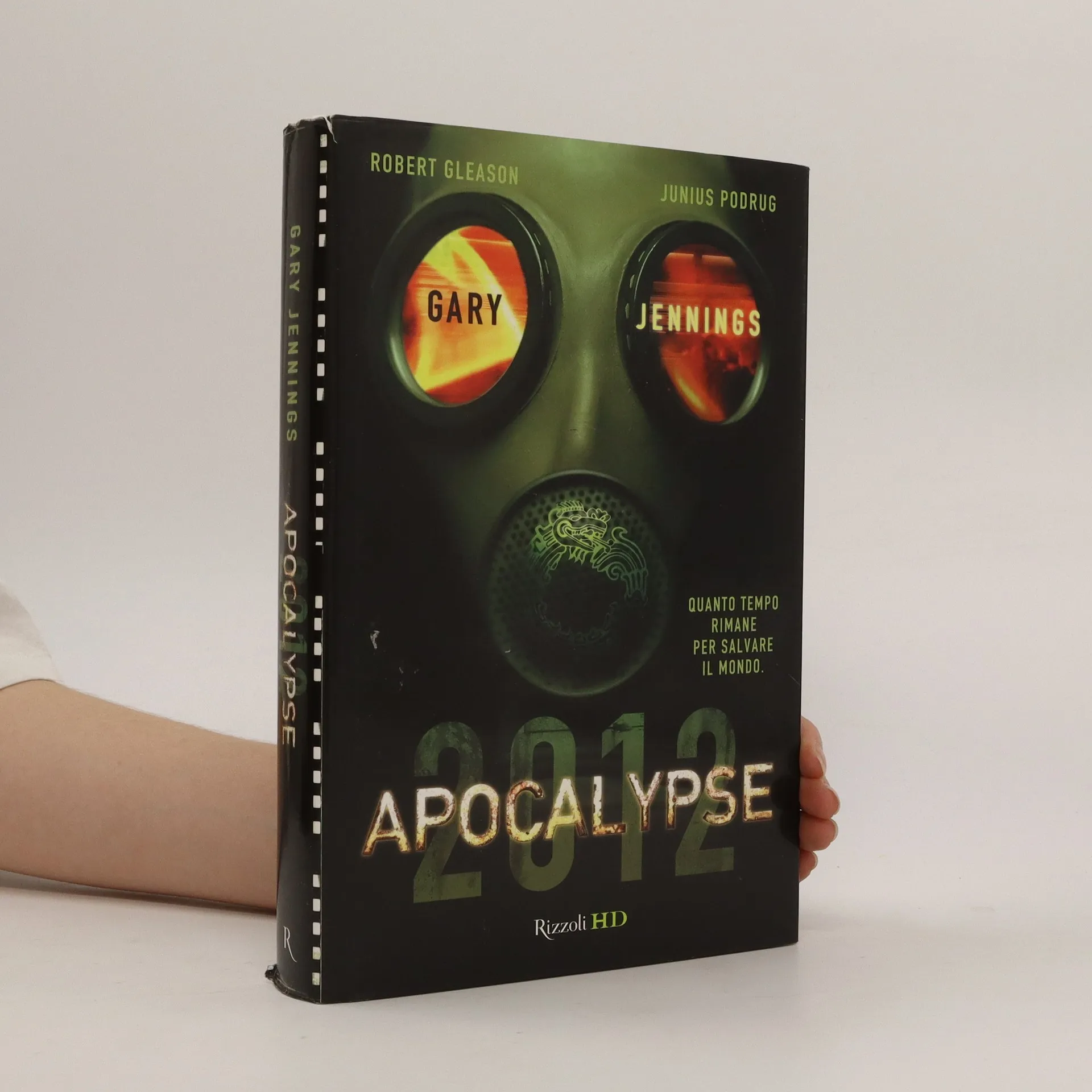
Mille anni fa a Tula, in Messico, un giovane schiavo diventa l'assistente dell'astronomo di corte, e lo aiuta a redigere (e poi a seppellire) il Calendario del Lungo Computo, il codice che indica la data della fine del mondo. Tula è la potente capitale dei Toltechi, governata da un imperatore illuminato che porta il nome del signore degli dèi, Quetzalcoatl, il Serpente Piumato. Ma forze oscure minacciano Tula: la guerra, una siccità devastante, le lotte di potere e il crudele culto di morte promosso dalla casta dei sacerdoti, per i quali solo i sacrifici umani possono scongiurare la catastrofe che incombe. In un futuro così prossimo da essere ormai il nostro presente, due giovani archeologhe stanno riportando alla luce quel calendario, proprio mentre un'unità di crisi presso la Casa Bianca deve affrontare il rischio più grave che abbia mai corso l'umanità. Riusciranno a decifrare il codice e a risparmiare al nostro mondo il fato di Tuia?
Karl der Fünfte, Kaiser des Römischen Reiches und König von Spanien, verlangt im Jahre 1529 einen Bericht über seine neue Provinz Neuspanien, über Geschichte, Traditionen, Sitten und Gebräuche dieses Landes. Der Kaiser und sein Hofstaat sind hingerissen und gebannt, wenn daraus vorgelesen wird. Fray Don Juan de Zumárraga, Erster Bischof von Mexiko, hat den Befehl seines Kaisers befolgt. Er läßt einen Azteken berichten - und ist entsetzt über das, was er zu hören bekommt und was er dem Kaiser vermelden muß. Mixtli, der Azteke, hat getreulich Bericht gegeben und drei Jahre den Schreibern des Bischofs erzählt. Von der großen Geschichte seines Volkes, von den farbenprächtigen Städten, den Palästen, den schwimmenden Gärten, von der Zügellosigkeit der feinen Gesellschaft des Aztekenreichs, aber auch von der Grausamkeit der spanischen Eroberer, die eine alte Kultur vernichteten.