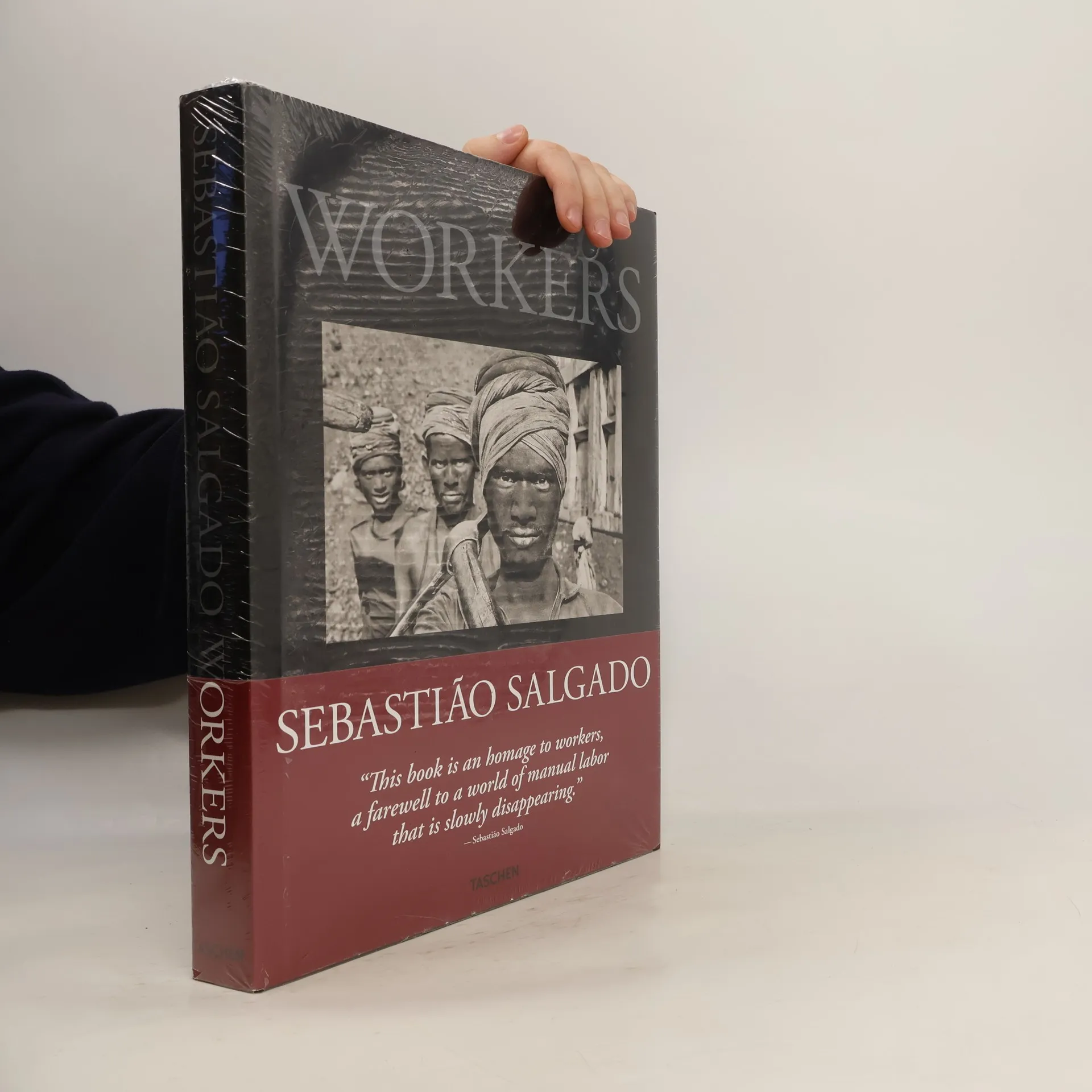
Sebastião Salgado's photographs present an archaeological perspective on manual labour, shedding light on practices which endured from the Stone Age through the Industrial Revolution and up to the present day. Workers is an elegy to outmoded traditions and the dignity and fortitude of those working in the face of the most dangerous conditions.
Dans GENESIS, Sebastião Salgado révèle comment son appareil photo lui a permis d'écouter la nature, un privilège qu'il chérit. À 26 ans, il découvre la photographie, qui devient son moyen d'interaction avec le monde. Bien qu'il ait d'abord pris quelques photos couleur, il se tourne rapidement vers le noir et blanc, qu'il maîtrise avec brio. Élevé dans une ferme au Brésil, il développe un profond respect pour la nature et une sensibilité aux conditions socio-économiques des êtres humains. Parmi ses nombreuses œuvres, trois projets majeurs se distinguent : La Main de l'homme, Exodes, et GENESIS, fruit d'une expédition de 8 ans à la redécouverte de paysages et de peuples peu touchés par la modernité. Salgado souligne que près de 46 % de la planète reste comme à l'époque de la Genèse, appelant à la sauvegarde de ces espaces. À travers 30 voyages, il capture la beauté de la nature, des peuples indigènes et des animaux dans des conditions extrêmes. Son travail en noir et blanc évoque les maîtres tels que Rembrandt. GENESIS présente des merveilles du monde, des Galápagos à l'Amazonie, et est considéré par Salgado comme sa « lettre d'amour à la planète ». L'édition illimitée offre une sélection de photographies organisées par zones géographiques, rendant hommage à ce projet exceptionnel.
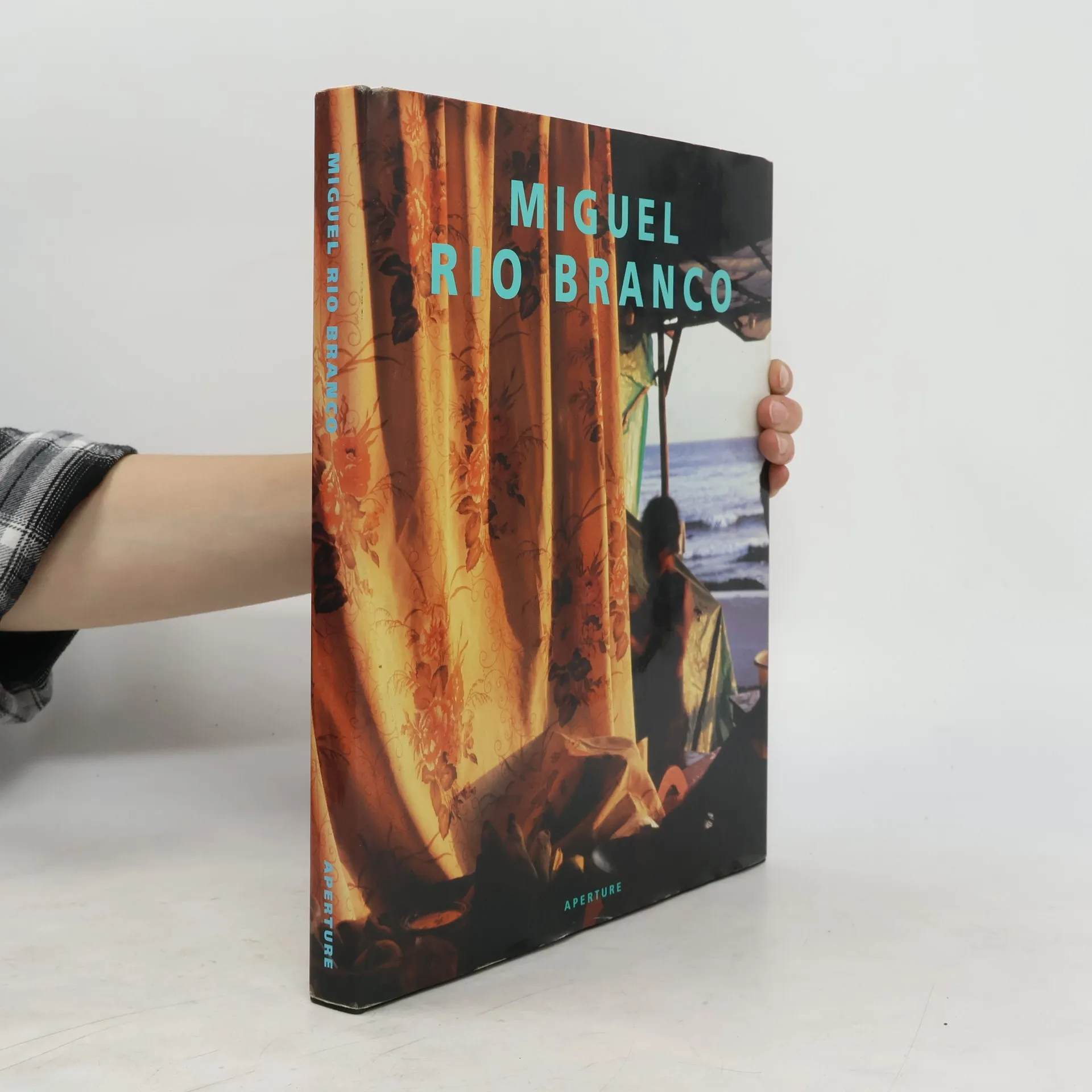
The long-awaited first retrospective of the Brazilian photographer Miguel Rio Branco.The deep, succulent color of Miguel Rio Branco's images reflects the richness and complexities of contemporary Latin America; Rio Branco has received wide acclaim for his projects on boxers, Brazilian children, and Cuba. Through his mastery of layering with both color and light, Rio Branco reveals hidden and forbidden segments of his surroundings, illuminating the unspoken and the instinctual. By focusing on the textures of fur and feathers, the flesh of slaughtered animals, or languid human bodies, he captures the cultural layers around him and provides a provocative vision of Latin America.Drawn from thirty years of work, these photographs display the talent for visual construction that Rio Branco utilized in his direction of more than twenty films. His remarkable conception of installation is a skill attributed to his formal training as a painter. The author, poet, and art commentator David Levi Strauss notes that "Rio Branco's colors seep out of their borders like bodily fluids, staining and contaminating everything around them. Bodies, bindings, wounds, and walls are wet with color. Even his mirrors bleed. Rio Branco's is an art of contamination, contagion, and corrosion, but also of resistance and transcendence."
Die Bilder von Sebastião Salgado, die das Leben der Armen auf der Welt festhalten, zeugen von der menschlichen Bedingung. Seine transformierenden Fotografien verleihen den isoliertesten und vernachlässigtesten Menschen Würde, von hungernden Flüchtlingen im Sahel bis zu indigenen Völkern Südamerikas. "Arbeiter" ist ein globales Epos, das über bloße Bilder hinausgeht und den unvergänglichen Geist der arbeitenden Frauen und Männer bekräftigt. Das Buch ist eine archäologische Erkundung der Aktivitäten, die die Arbeit vom Steinzeitalter über das Industriezeitalter bis zur Gegenwart definiert haben. Unterteilt in sechs Kategorien – "Landwirtschaft", "Nahrung", "Bergbau", "Industrie", "Öl" und "Bau" – legt das Buch Schichten visueller Informationen frei, um die unermüdliche menschliche Aktivität im Kern der modernen Zivilisation zu enthüllen. Ausführliche Bildunterschriften bieten einen historischen und faktischen Rahmen für die Bilder. "Arbeiter" ist eine Elegie für das Verschwinden traditioneller Arbeits- und Produktionsmethoden und vermittelt eine Botschaft von Ausdauer und Hoffnung.