

This second edition of the C# Game Programming Cookbook for Unity 3D builds on the first with enhanced details and techniques. Featuring new chapters and updated C# code, it offers an in-depth understanding of structured game development in Unity. A standout addition is a step-by-step tutorial for creating a 2D infinite runner game using the provided framework and scripts. The book presents a flexible C# framework applicable to various game types, addressing essential systems like game state management, audio mixing, and asynchronous scene loading. A dedicated audio chapter enhances sound quality through topics like audio mixers and fading effects. Readers can explore a fully featured racing game, complete with car physics and AI steering behaviors, while also learning to build a multi-level arena blaster game. Key features include a strong focus on programming structure and an industry-level C# framework, extensive breakdowns of crucial classes, and example projects that clarify important Unity C# concepts. With three fully playable games included, the script library offers tools for game management, AI control, UI management, and more. Updated code and screenshots reflect the latest Unity versions, guiding readers in creating both 2D and 3D games. Experienced C# programmers will find valuable insights for structuring Unity projects for reusability and scalability. Jeff W. Murray, with over 20 years in the industry, shares
Jeff W Murray Reihenfolge der Bücher (Chronologisch)
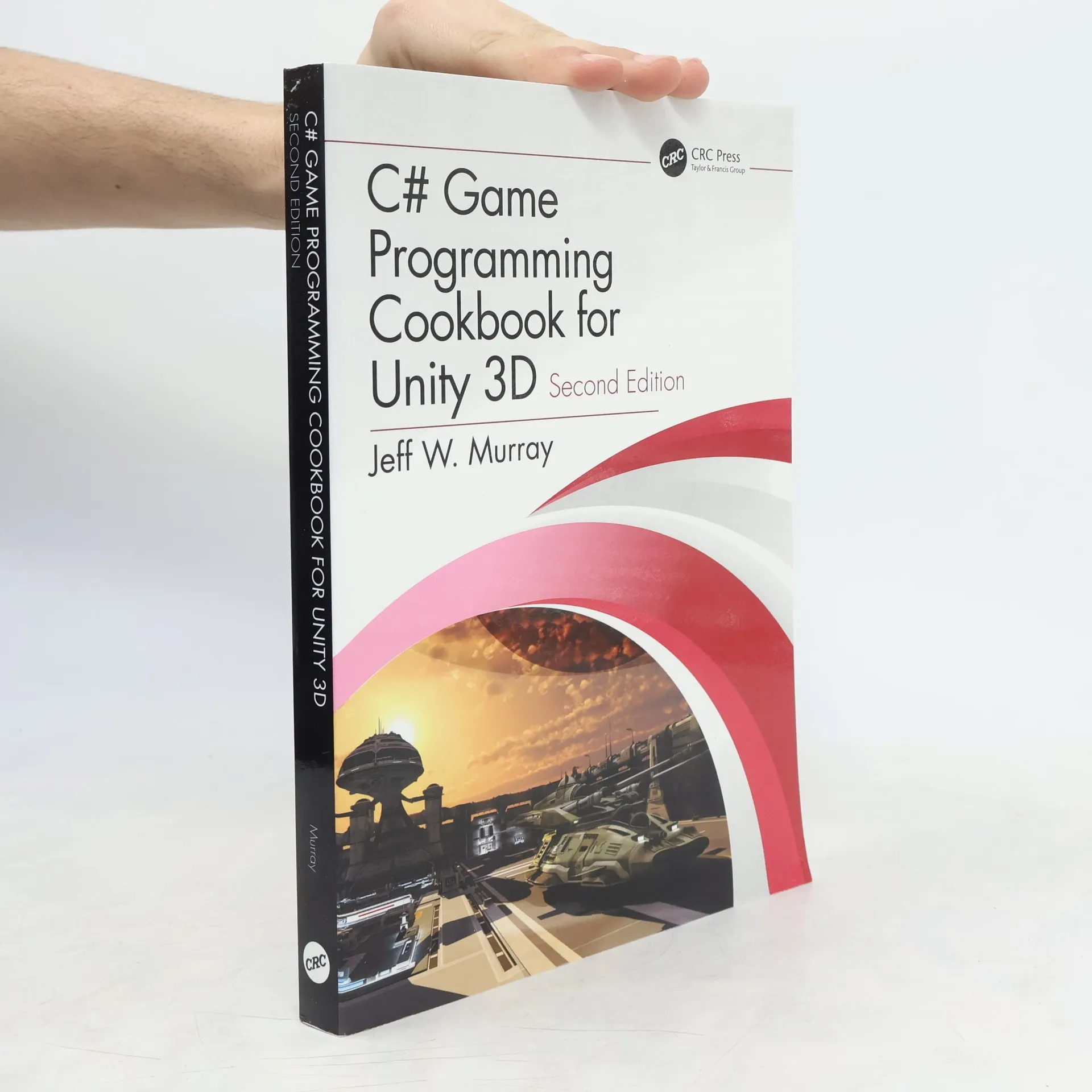
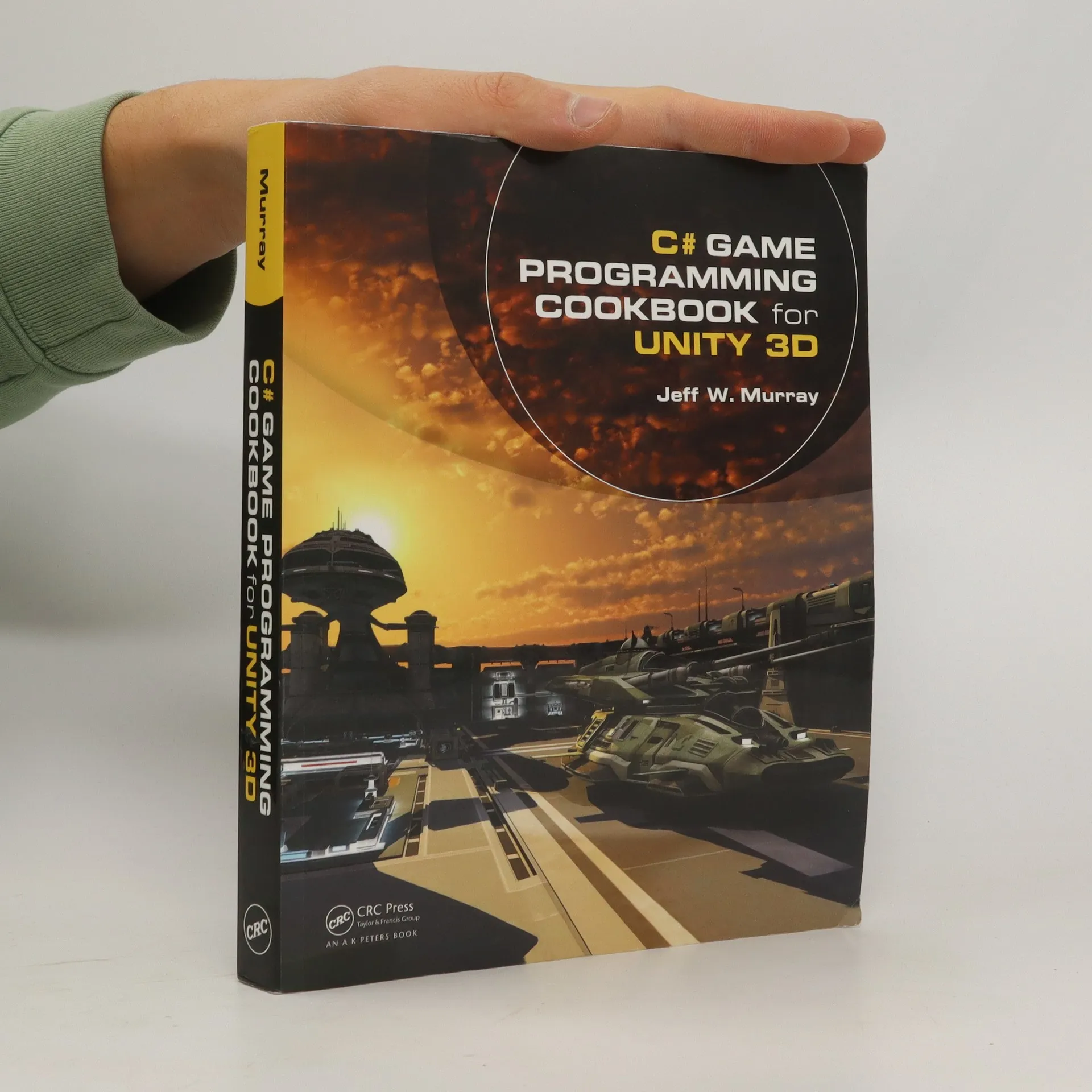
C# game programming cookbook for Unity 3D
- 458 Seiten
- 17 Lesestunden
An Accessible, Modular Style of Game Building―Easily Start Making Games with Unity 3D C# Game Programming Cookbook for Unity 3D presents a highly flexible core framework to create just about any type of game by plugging in different script components. Most scripts function within the game framework or in your own structures. The techniques and concepts discussed in the book give you a solid foundation in game development. The first ten chapters set up the flexible, reusable framework based in C# and suitable for all game types. The book also explains scripting of generic, reusable, and common functionality. The remainder of the text adds game-specific code to the framework to create four example a top-down arena shooter, a futuristic racing combat game, a tank arena deathmatch game, and a classic arcade-style vertical scrolling shoot ’em up. The games encompass artificial intelligence (path following, target chasing, and line-of-sight patrolling behaviors), game state control, wheel colliders, and weapon inventory management. The example files are available for download on the book’s CRC Press web page. Reducing your recoding, repurposing, or adaptation time, this book provides script-based components that you can use to jump start your own projects. The book’s modular components can be mixed and matched to build various kinds of video games for the Unity game engine.