The Standard for Program Management – Fourth Edition differs from prior editions by focusing on the principles of good program management. Program activities have been realigned to program lifecycle phases rather than topics, and the first section was expanded to address the key roles of program manager, program sponsor and program management office. It has also been updated to better align with PMI's Governance of Portfolios, Programs, and Projects: A Practice Guide.
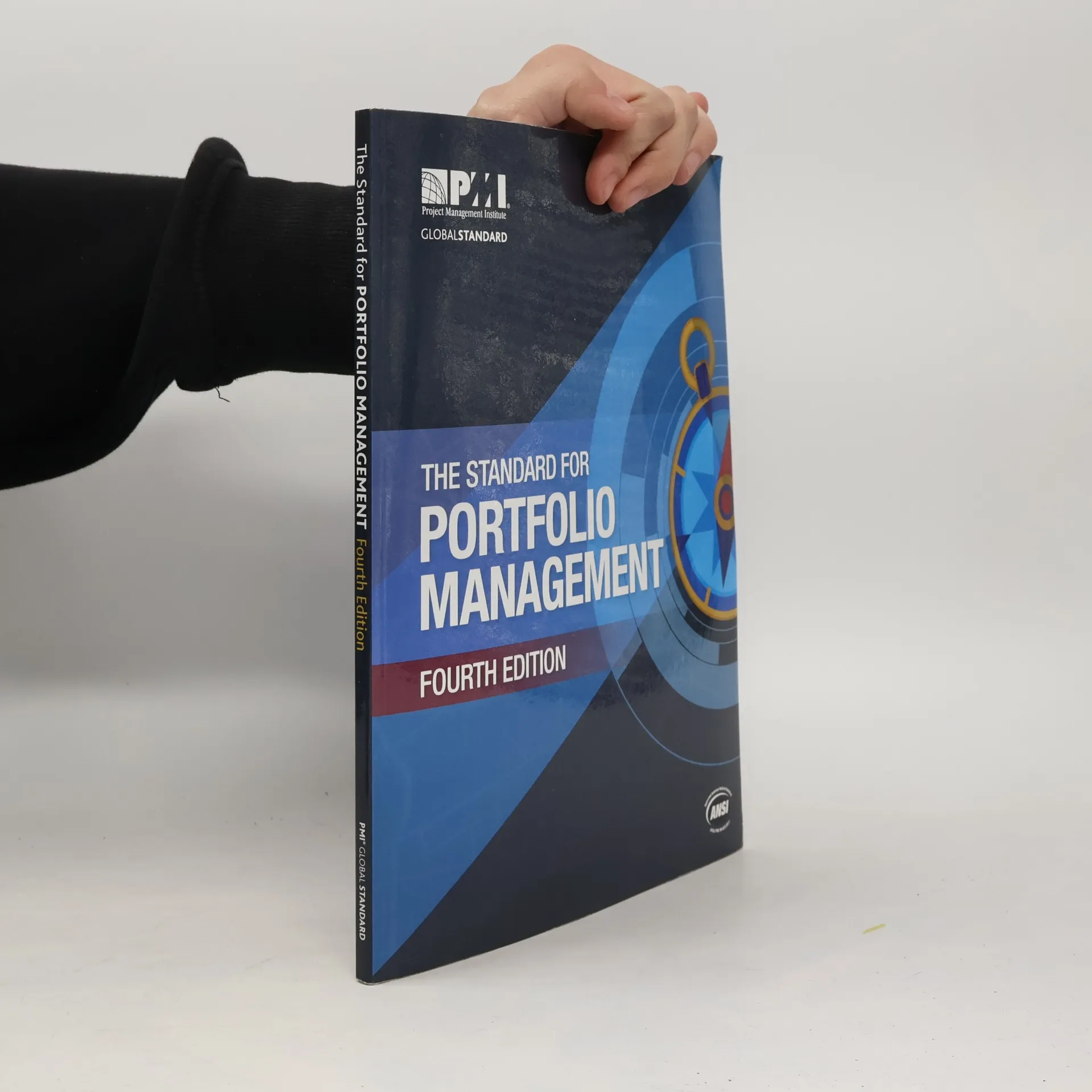
The Standard for Portfolio Management – Fourth Edition has been updated to best reflect the current state of portfolio management. It describe the principles that drive accepted good portfolio management practices in today’s organizations. It also expands the description of portfolio management to reflect its relation to organizational project management and the organization.
Presents guidelines for project managers on developing costs, resources, and time estimates in the early stages of a project and techniques for refining these estimates during each project stage.
The Practice Standard for Project Risk Management covers risk management as it is applied to single projects only. It does not cover risk in programs or portfolios. This practice standard is consistent with the PMBOK® Guide and is aligned with other PMI practice standards. Different projects, organizations and situations require a variety of approaches to risk management and there are several specific ways to conduct risk management that are in agreement with principles of Project Risk Management as presented in this practice standard.
The Standard for Program Management - Second Edition continues to recognize good practices for managing multiple projects and programs successfully with even more knowledge areas and processes. What's new? Nine new Knowledge Areas, including Program Financial Management, Stakeholder Management and Program Governance. This helps ensure proper metrics are developed so that organizations can successfully manage large and complex programs. 14 new processes
Describes hallmarks of a sound and effective schedule methodology while identifying the steps for assessing the maturity of a schedule model, in a companion to A Guide to the Project Management Body of Knowledge that informs project managers on effective practices of project scheduling and time management.
Most projects present teams with challenges relating to time, cost and scope. Careful management of these project elements allows projects to be completed successfully. In order to guide a project's direction, project managers utilize the process of configuration management. Project configuration management is the collective body of processes, activities, tools, and methods used to manage certain items during the project lifecycle. Configuration management is implemented to actively guide the direction of the project and support communication that will facilitate successful completion. Due to the increasing complexity of projects and greater competition among companies, the knowledge of configuration management techniques is more important than ever.
The Practice Standard for Work Breakdown Structures-Second Edition supplies project managers and team members with direction for the preliminary development and the implementation of the WBS. Consistent with A Guide to the Project Management Body of Knowledge (PMBOK® Guide)-Third Edition, the WBS Practice Standard presents a standard application of the WBS as a project management tool. Throughout the book, the reader will learn what characteristics constitute a high-quality WBS and discover the substantial benefits of using the WBS in every-day, real-life situations.
Egal, ob Sie ein leitender Angestellter oder Projektmanager sind, Ihre Aufgabe besteht darin, das Wachstum der Organisation zu fördern und den Stakeholdern Wert zu bieten. Projektmanagement ist eine Schlüsselkompetenz, die Veränderungen steuert und Wettbewerbsvorteile schafft, indem sie Ergebnisse mit der Unternehmensstrategie in Einklang bringt. Der PMBOK Guide fungiert als umfassender Fahrplan für diese Reise.
Seit seiner Einführung 1983 durch das Project Management Institute (PMI) hat sich der PMBOK Guide als globaler Standard im Projektmanagement etabliert und wird in vielen Branchen anerkannt. Er umfasst wesentliche Praktiken, die zu Geschäftsergebnissen führen und auf Organisationen jeder Größe anwendbar sind. Diese aktualisierte Ausgabe reflektiert das neueste Branchenwissen und aktuelle Praktiken.
Eine wesentliche Neuerung ist der Übergang von "allgemein anerkannt in den meisten Projekten, die meiste Zeit" zu "allgemein anerkannt als gute Praxis in den meisten Projekten, die meiste Zeit." Mehrere Kapitel wurden überarbeitet oder erweitert, um die relevantesten Informationen für heutige Projektmanager zu bieten, ergänzt durch einen verbesserten Index und ein Glossar, die die jüngsten Veränderungen in der Branche widerspiegeln.
Der PMBOK Guide verkörpert das kollektive Fachwissen von Führungspersönlichkeiten im Projektmanagement, die sich auf die Erzielung von Geschäftsergebnissen konzentrieren. In der heutigen dynami
This book offers guidelines that can be used to develop and implement the human skills appropriate to project management: communication, motivation, negotiation, conflict resolution, conflict and stress management, and leadership.