
Gratis Versand ab € 14,99. Mehr Infos.
Bookbot

Margaret Courtney-Clarke

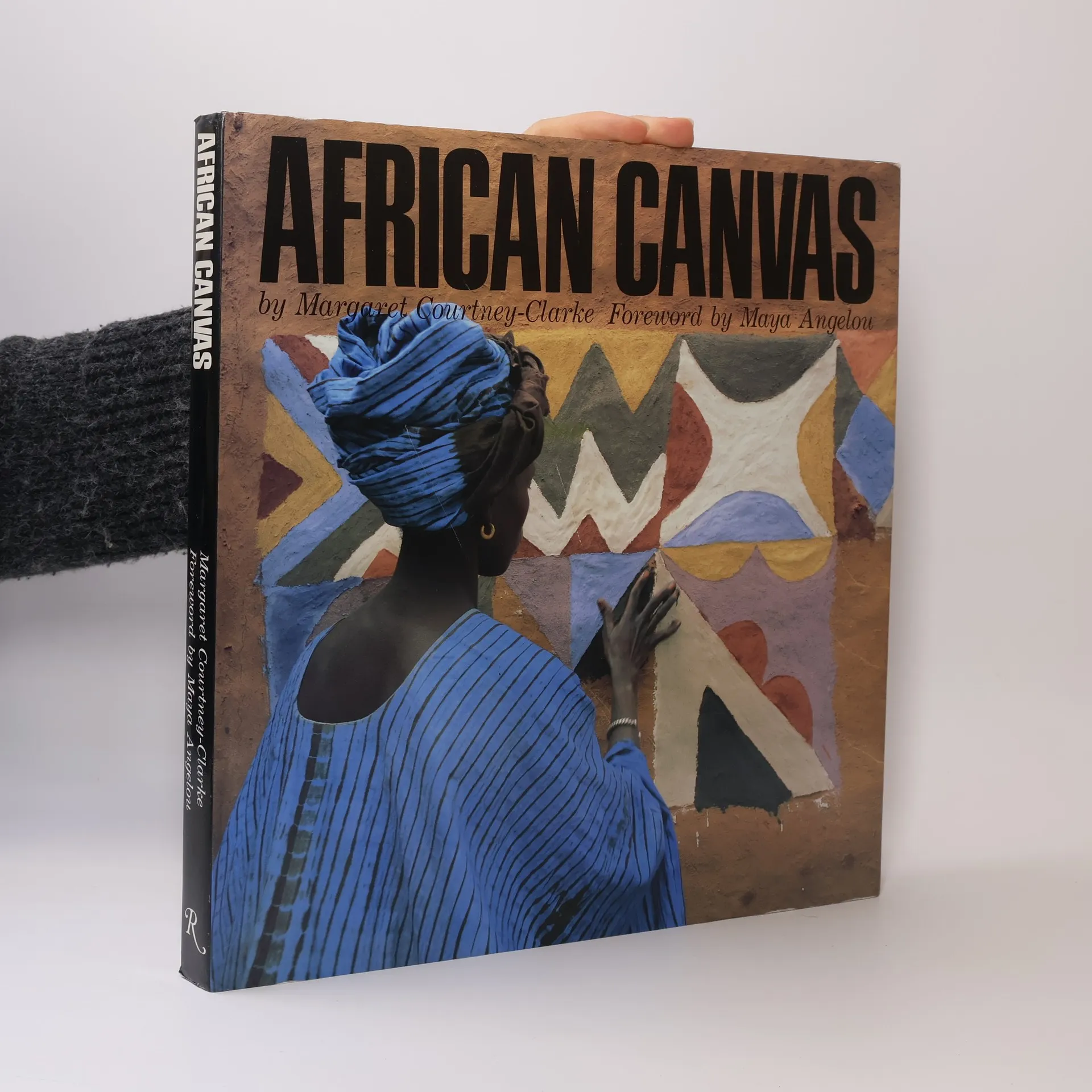
    African Canvas
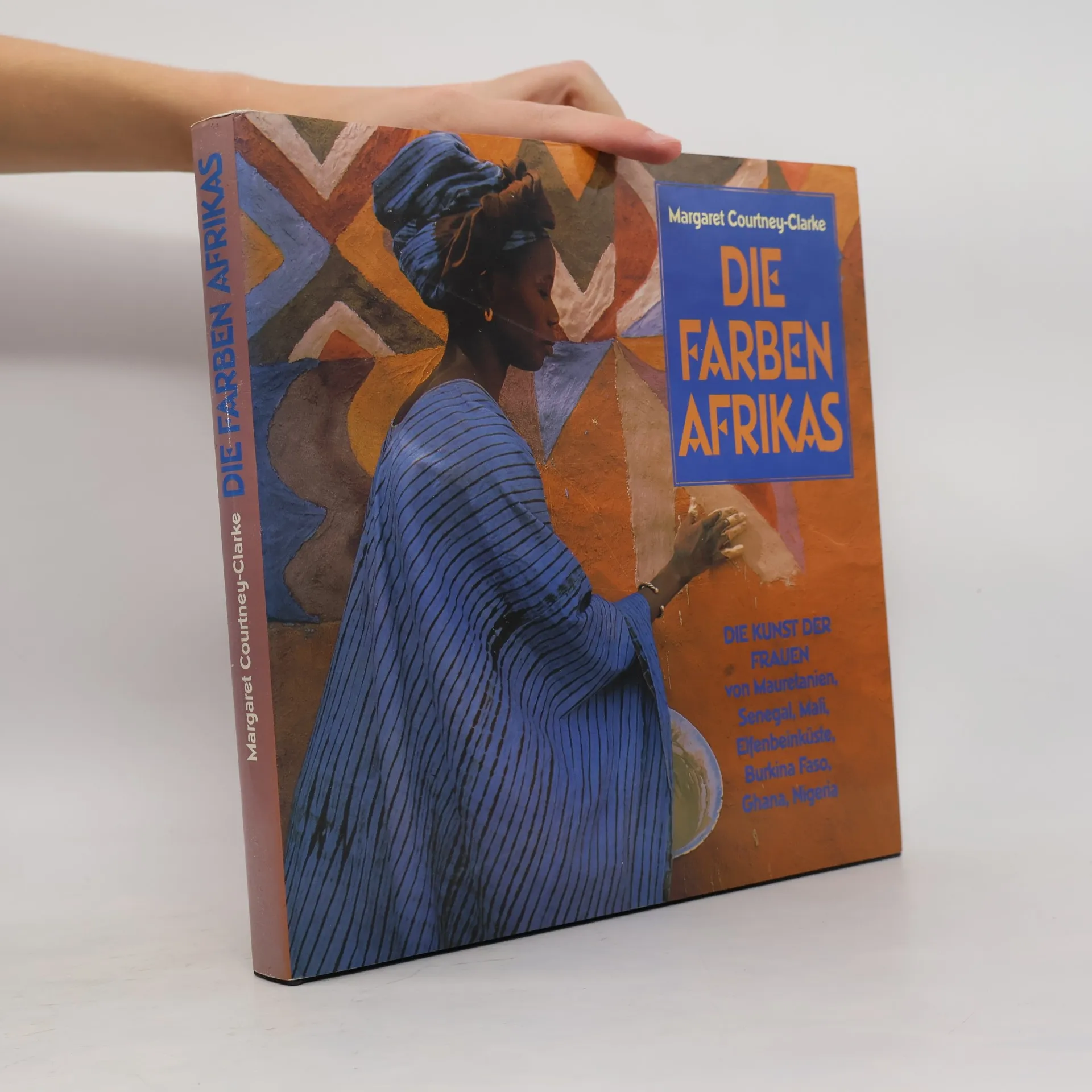
    Die Farben Afrikas
    Die Berber-Frauen
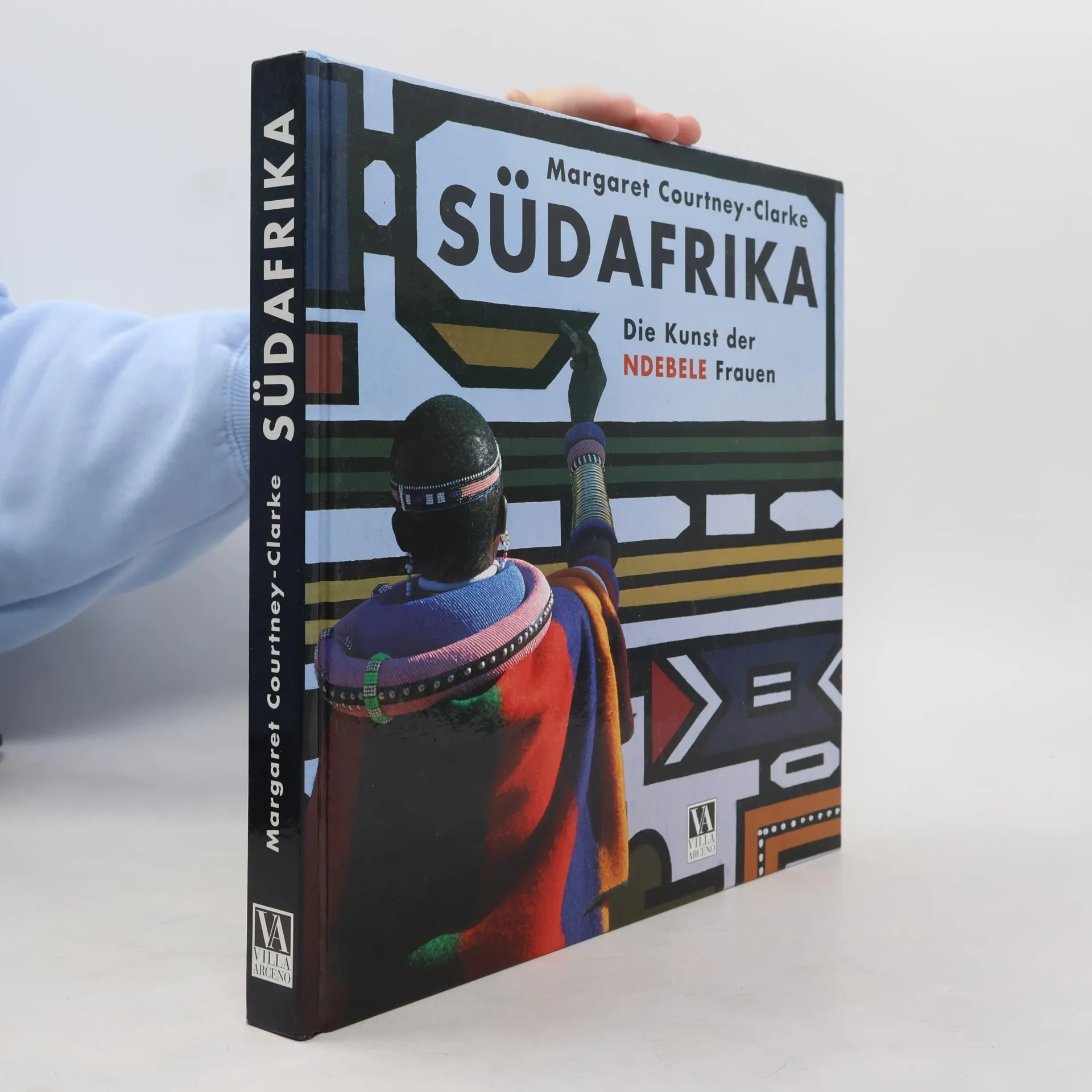
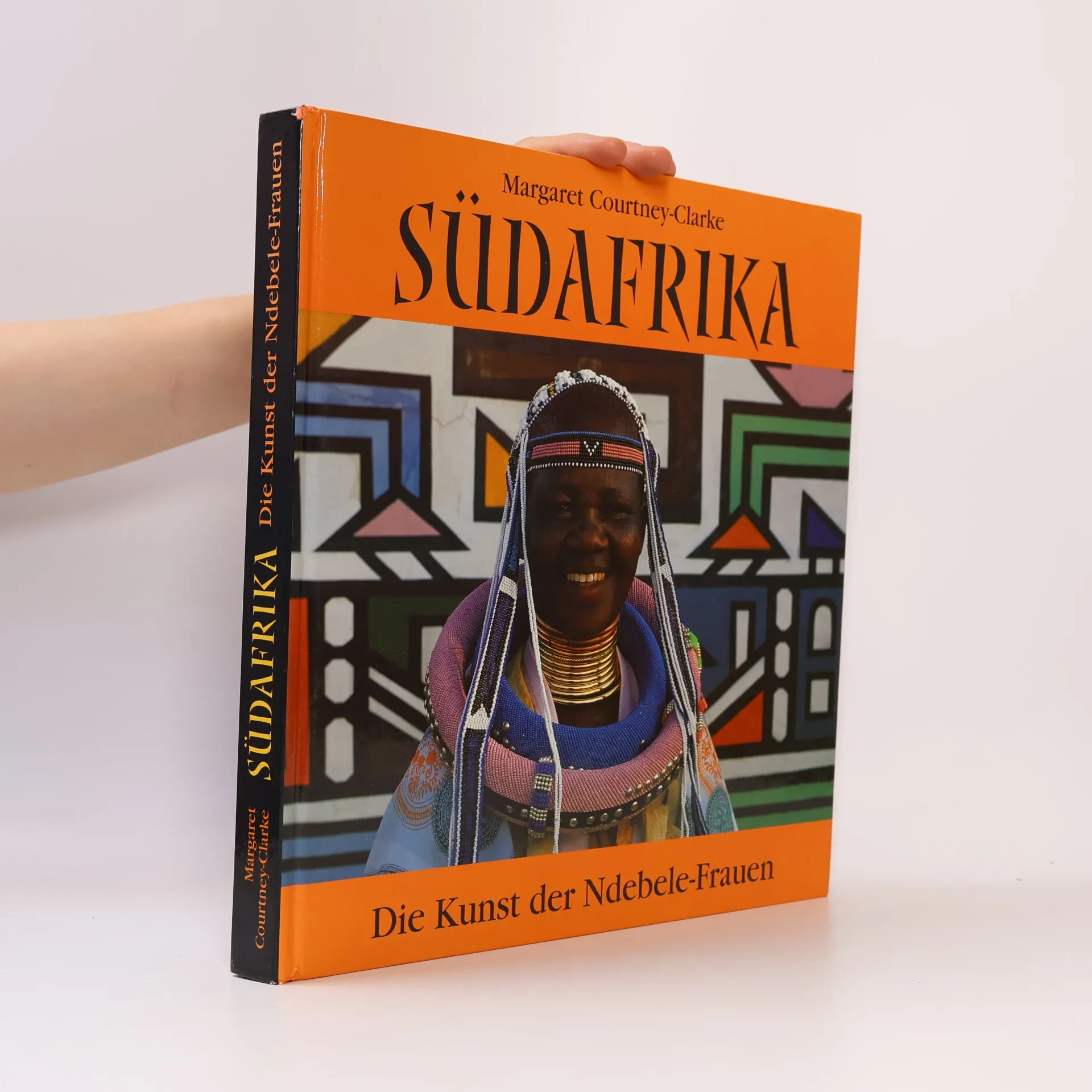
    Südafrika
    Die Farben Afrikas
    Ndebele
    • Ndebele

      • 200 Seiten
      • 7 Lesestunden

      Das Buch hebt die lebendige Kunst des Ndebele-Stammes in Südafrika hervor und zeigt deren filigrane Perlenarbeiten und Wandmalereien, die ein reiches kulturelles Erbe widerspiegeln. Margaret Courtney-Clarke dokumentiert ihre fünfjährige Reise mit den Ndebele und fängt deren dynamische und farbenfrohe Kompositionen ein, die auffallend modern bleiben. Die Erzählung thematisiert auch die Herausforderungen, mit denen der Stamm konfrontiert ist, darunter Zwangsumsiedlungen und der Verfall ihrer Kunstwerke, wodurch ihre Fotografien zu wichtigen Dokumenten ihres künstlerischen Erbes inmitten von Widrigkeiten werden.
      Ndebele
      4,5
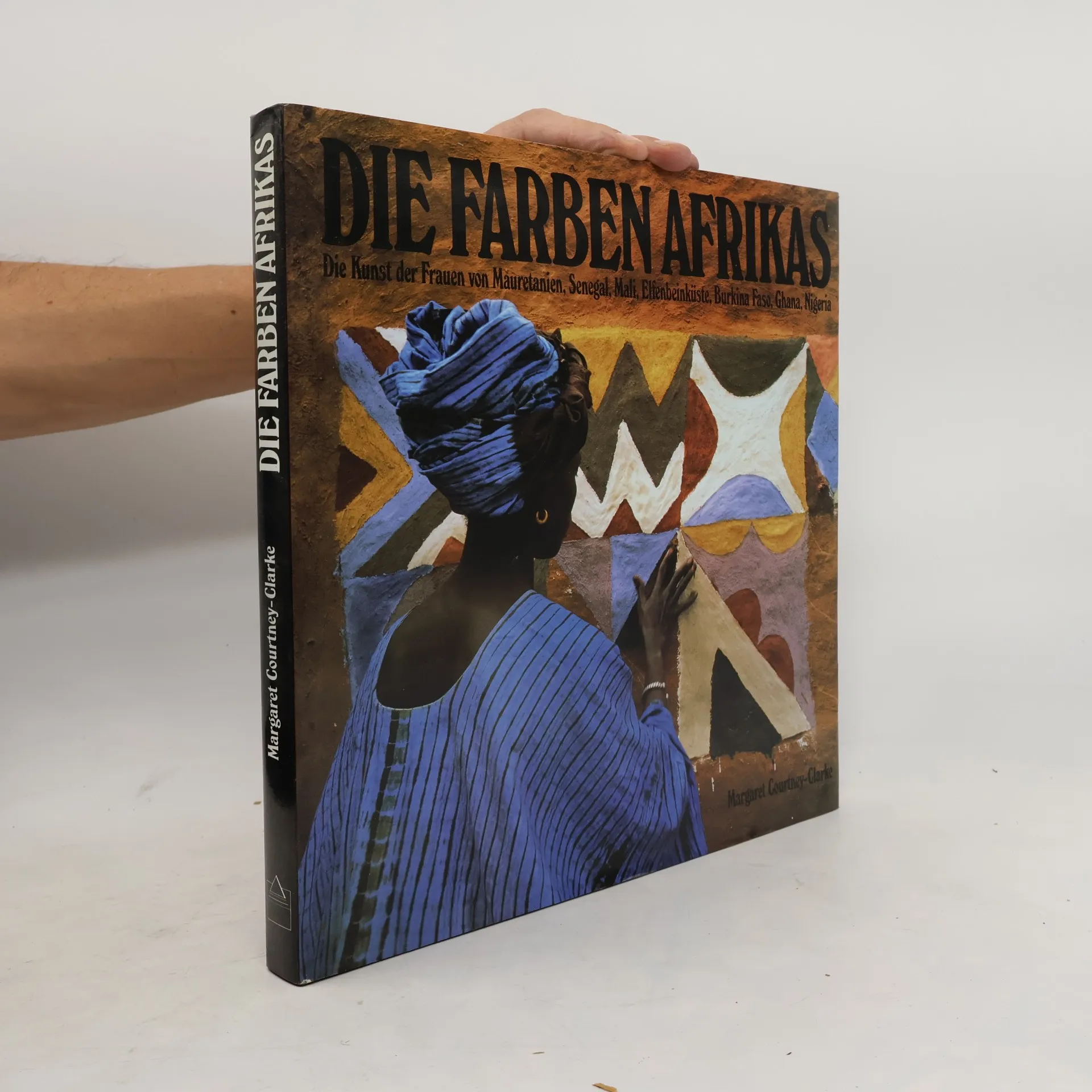
    • Die Farben Afrikas

      die Kunst der Frauen von Mauretanien, Senegal, Mali, Elfenbeinküste, Burkina Faso, Ghana Nigeria

      Die Farben Afrikas
    • Seit Jahrhunderten pflegen westafrikanische Frauen die Tradition der Hausmalerei. Alljährlich kommen sie zusammen, um die von den heftigen Regenfällen abgewaschenen Lehmbauten auszubessern und zu bemalen. So entstehen wunderschöne Hausfassaden und Innenwände, die die Fotojournalistin Margaret Courtney-Clarke in diesem prachtvollen Bildband für immer festgehalten hat.

      Die Farben Afrikas
    • African Canvas

      The Art of West African Women

      • 204 Seiten
      • 8 Lesestunden

      Documents folk architecture and wall paintings in Nigeria, Ghana, Ivory Coast, Senegal, Mauritania, and Mali

      African Canvas
      4,3
    • Learning to be Literate

      • 210 Seiten
      • 8 Lesestunden

      Winner of the prestigious UK Literacy Association Academic Book Award for 2015 in its original edition, this fully revised edition of Learning to be Literate uniquely analyses research into literacy from the 1960s through to 2015 with some surprising conclusions. Margaret Clark explores the argument that young children growing up in a literate environment are forming hypotheses about the print around them, including environmental print, television, computer games and mobile phones. In a class where no child can yet read there is a wide range of understanding with regards to concepts of print and the critical features of written language. While to any literate adult, the relationship between spoken and written language may be obvious, young children have to be helped to discover it. This persuasive argument demonstrates the value of research in order to make informed policy decisions about children’s literacy development. Accessible and succinct, Professor Clark’s writing brings into sharp focus the processes involved in becoming literate. The effect on practice of many recent government policies she claims run counter to these insights. The key five thematic sections are backed up with case studies throughout and

      Learning to be Literate
    • When Tears Don’t Matter

      • 240 Seiten
      • 9 Lesestunden

      How dispossession and climate change have wreaked destruction on the bushmen of the Kalahari Desert Following her 2017 book Cry Sadness into the Coming Rain, Margaret Courtney-Clarke (born 1949) now turns her lens to the bushmen of the Kalahari Desert. The inspiration for When Tears Don't Mattercomes, in part, from her grandfather's photographs of almost a century earlier during his mandate as Secretary for South West Africa (now Namibia), some of which are reproduced here. More than 6,000 miles of formidable terrain takes Courtney-Clarke across bushveld, sand and salt pans to drought-stricken conservancies, farming communities that function as holding tanks for "cultural villages" and peri-urban squatments. Largely invisible to the outside world, the bushmen today are dispossessed of their land, sidelined by economic inequity and outdated mythologies that present them as living in an "uncontaminated" state. Courtney-Clarke's photographs lie at the crossroads between documentary and activism.

      When Tears Don’t Matter
    • Cry sadness into the coming rain

      • 200 Seiten
      • 7 Lesestunden

      This book is Margaret Courtney-Clarke’s visual ode to her home country of Namibia, and describes the bare circumstances of ordinary Namibians, of women and men forced to negotiate ravaged lives. Returning to Namibia in 2009 after decades of living abroad, Courtney-Clarke encountered a changed country in the throes of unrestrained development, the Namib Desert desecrated, and peoples migrating from rural settlements to towns in search of a better life. “With strong memories of my formative years growing up on the edge of the Namib Desert,” she recalls, “I have returned to explore my obsession with this place and my lifelong curiosity for the notion of shelter.” These photos are the result of Courtney-Clarke’s travels over 30,000 kilometers across dusty plains, sand dunes and salt pans, through conservancies, homelands and forgotten outposts. They evidence her passionate concern for human enterprise and failure, and for an inhospitable environment infused with remnants of apartheid as well as hope.

      Cry sadness into the coming rain