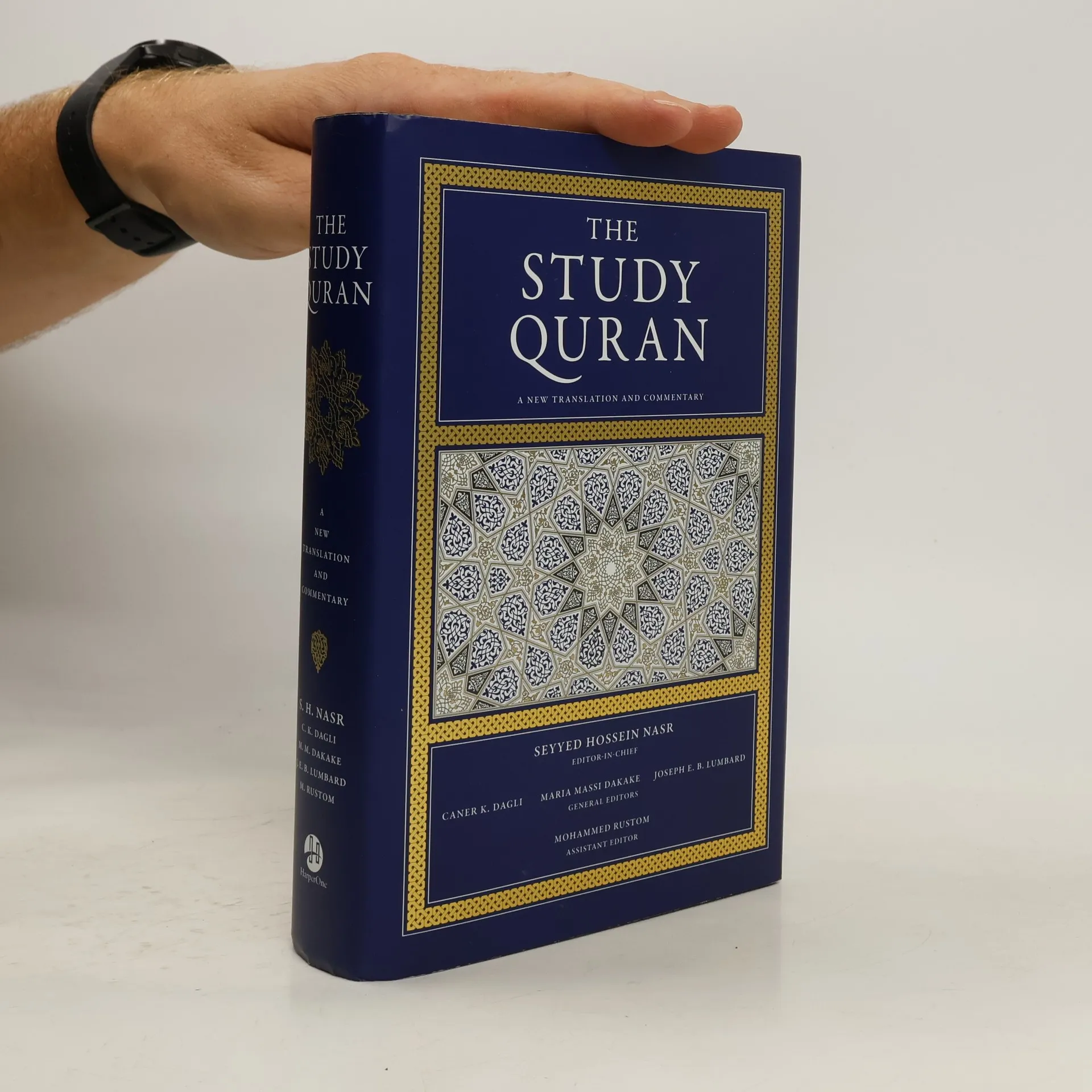
The Study Quran
A New Translation and Commentary
This study edition of the Quran features a new English translation, a verse-by-verse commentary, and essays by fifteen international scholars.




A New Translation and Commentary
This study edition of the Quran features a new English translation, a verse-by-verse commentary, and essays by fifteen international scholars.
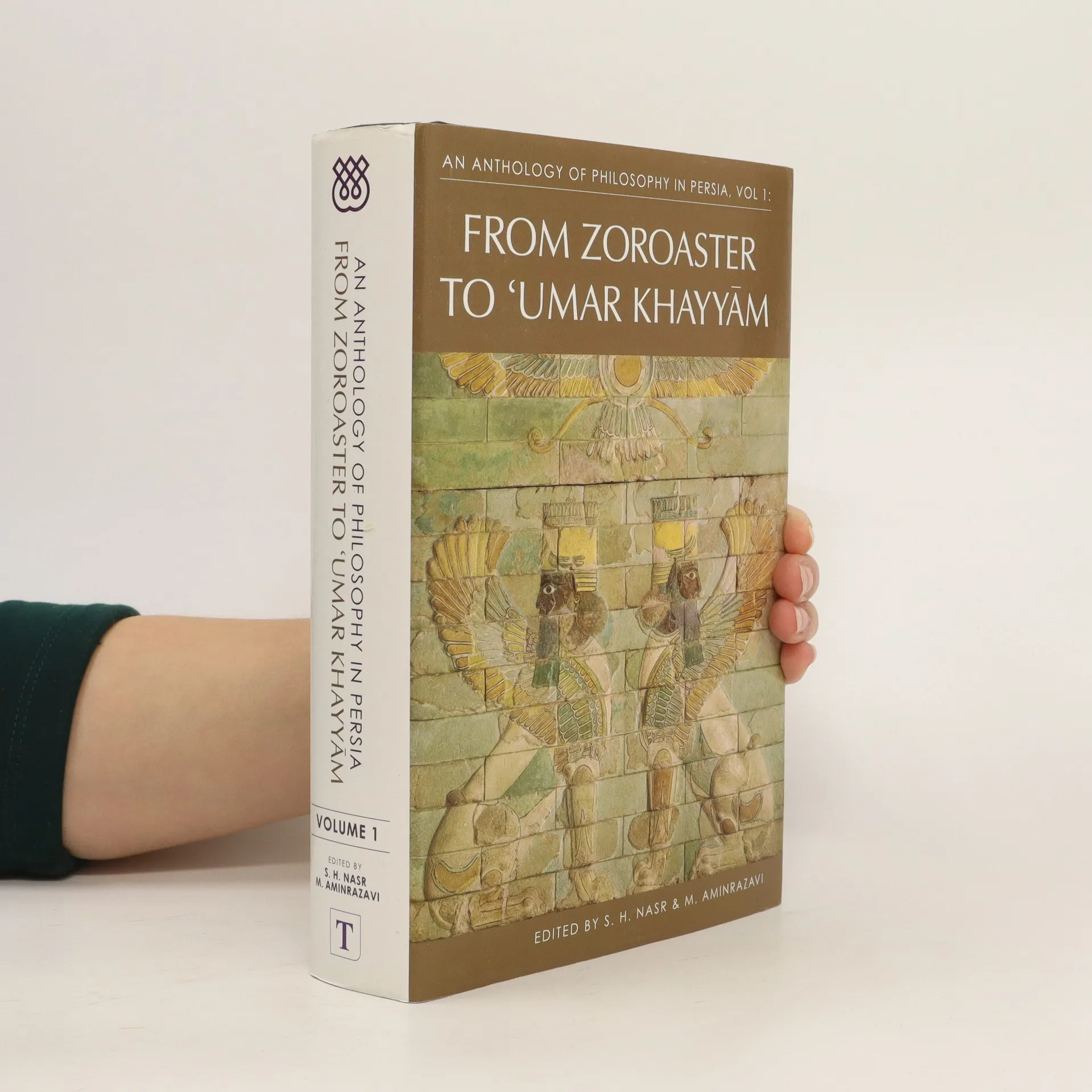
The tradition of philosophy in the Persian-speaking world is extraordinarily rich, creative and diverse. This anthology, which is divided into three volumes, aims to communicate something of that richness and diversity. The term "philosophy" is understood to in its widest sense to include theological debate, philosophical Sufism and philosophical hermeneutics (ta'wil). Extending over a period of more than two millennia, and showcasing translations by well-established scholars, the anthology offers full bibliographical references throughout. For anyone interested in exploring, in all their varied manifestations, the fascinating philosophical traditions of Persia, such a wide-ranging and ambitious work will be an indispensable resource. Volume 1 starts with the Zoroastrian period and extends to the time of Biruni and Oma Khayyam, paying special attention to the peripatetic school associated with Ibn Sina (Avicenna). During the pre-Islamic period philosophy was intertwined with religion, and it is within Persian religious texts such as the Gathas, the Denkard, and the Zoroastrian texts of the Bundahisn that philosophical discussions of subjects ranging from metaphysics to cosmology and eschatology are to be found.
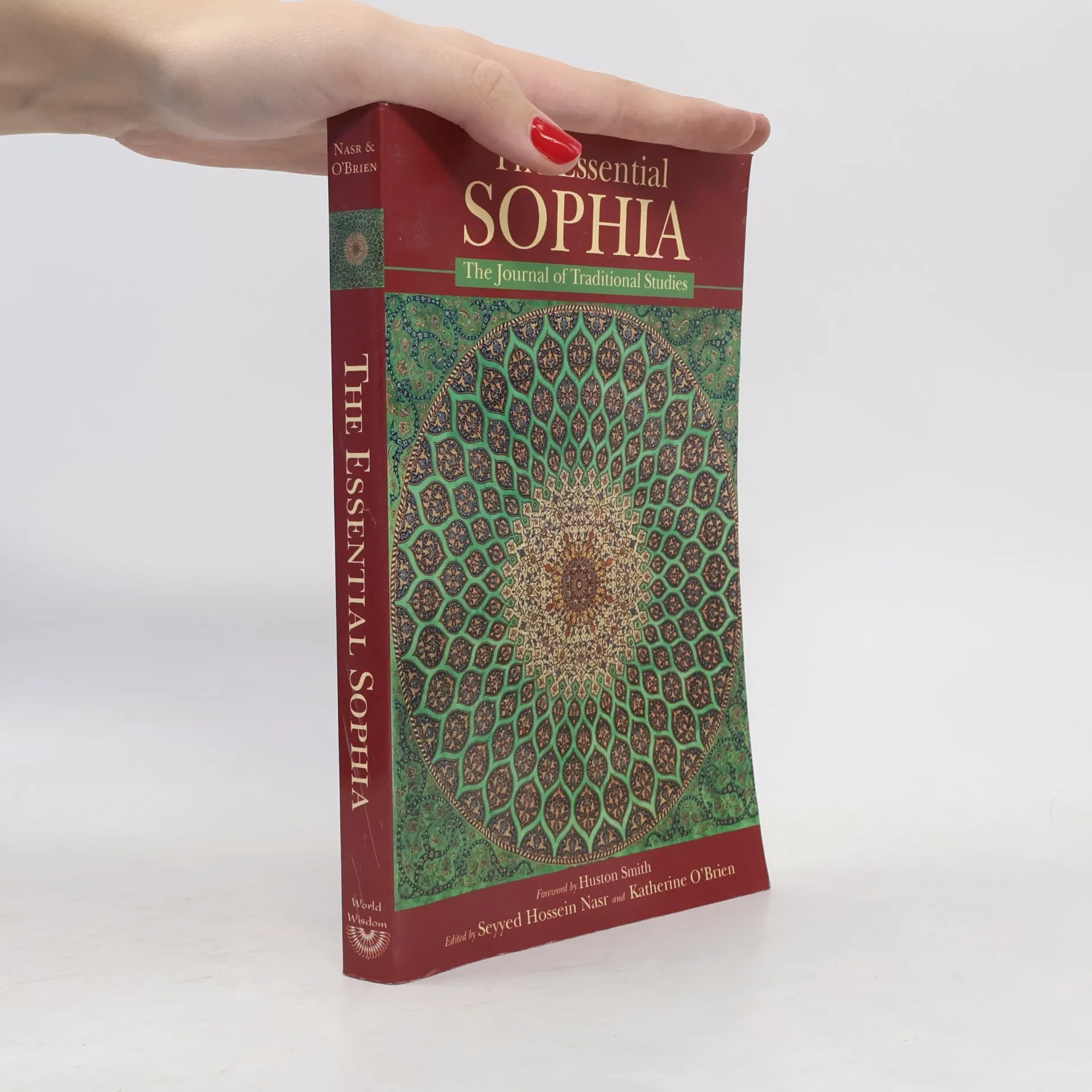
PREFACE 1. Knowledge and Its Desacralization 2. What Is Tradition? 3. The Rediscovery of the The Revival of Tradition 4. Scientia Sacra 5. Man, Pontifical and Promethean 6. The Cosmos as Theophany 7. Eternity and the Temporal Order 8. Traditional Art as Fountain of Knowledge and Grace 9. Principial Knowledge and the Multiplicity of Sacred Forms 10. Knowledge of the Sacred as Deliverance INDEX
This is the first volume in a projected five-volume work covering the full expanse of Persian thought from the Zoroastrianism of the pre-Christian era up to the present day. Introducing this extensive body of work for the first time in English translation, these volumes will be of great interest to scholars of philosophy, religion, and Middle Eastern studies. Volume I includes the work of the earliest Zoroastrian writers and that of thinkers from the early Islamic period. The translators include many outstanding scholars from America, Europe, and the Islamic world.
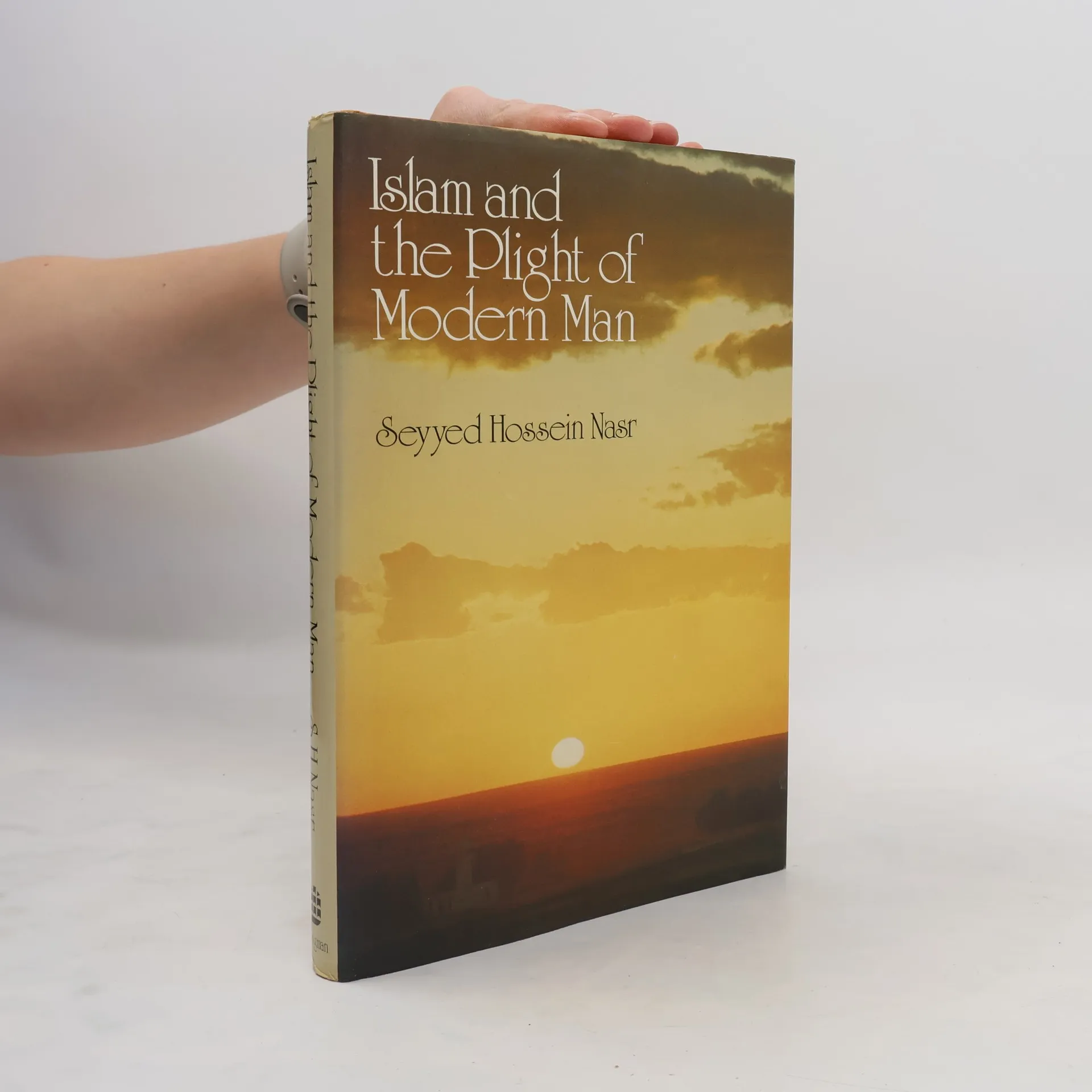
This is a spiritual tour de force which explores the relationship between Man and Nature as found in Taoism, Hinduism, Buddhism, Christianity and Islam, particularly its Sufi dimension.
The world's leading Islamicist offers a concise introduction to this rich and diverse tradition of 1.2 billion adherents. In this informative and clear introduction to the world of Islam, Seyyed Hossein Nasr explores the following topics in depth: •What Is Islam? •The Doctrines and Beliefs of Islam •Islamic Practices and Institutions •The History of Islam •Schools of Islamic Thought •Islam in the Contemporary World •Islam and Other Religions •The Spiritual and Religious Significance of Islam
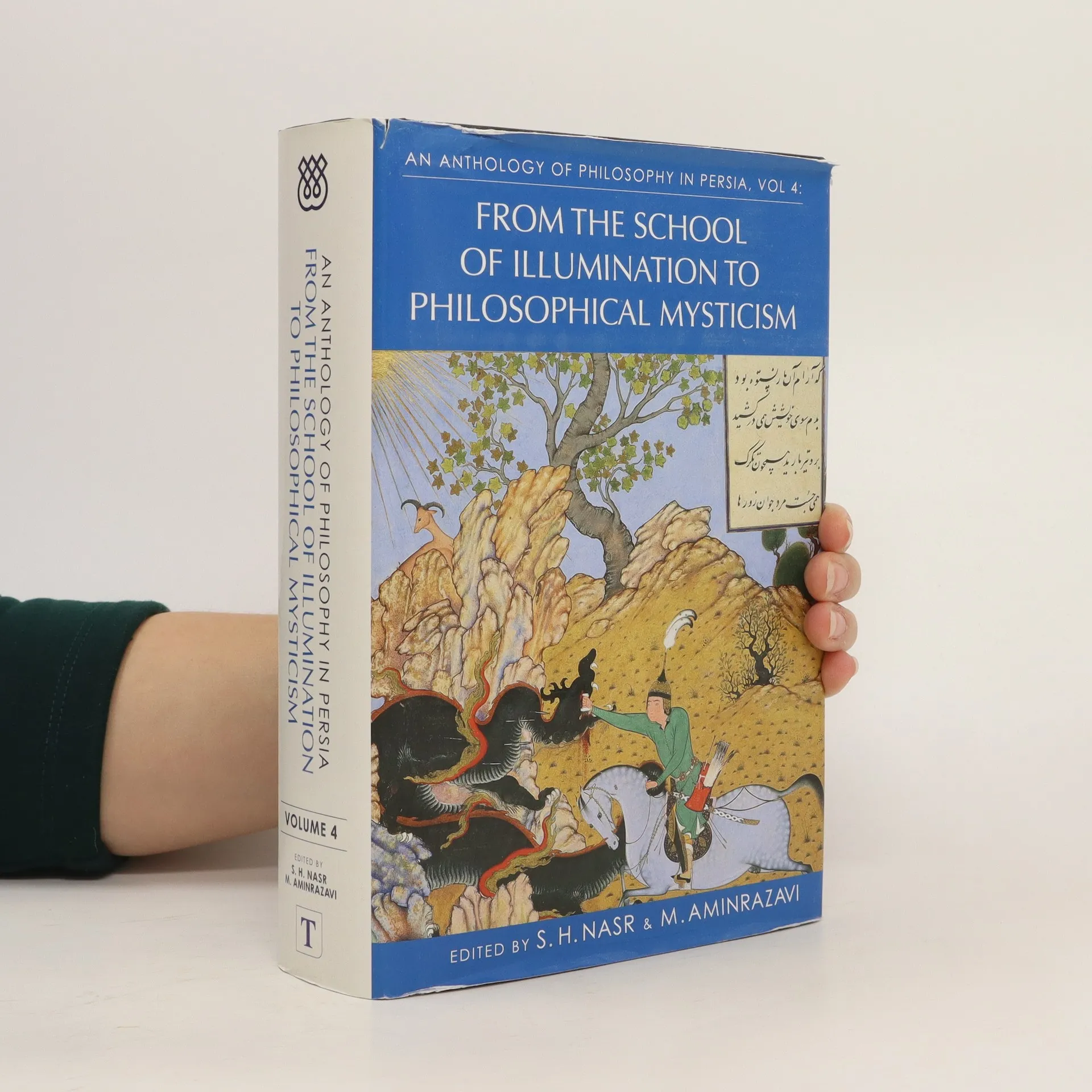
The fourth volume of the Anthology of Philosophy in Persia deals with one of the richest and yet least known periods of philosophical life in Persia, the centuries between the seventh/thirteenth century, that saw the eclipse of the school of Khorosan, and the tenth/sixteenth century that coincided with the rise of the Safavids. The main schools dealt with in this volume are the Peripatetic (mashsha'i) School, the School of Illumination (ishraq) of Suhrawardi, and various forms of philosophical Sufism, especially the school of Ibn 'Arabi, that had its origins in the works of Ghazzali and 'Ayn al-Qudat Hamadani. This period was also notable for the philosopher-scientists such as Nasir al-Din Tusi and Qutb al-Din Shirazi.
Ranging across the meaning and importance of Tradition, Art, Science, and Nature, and including comprehensive biographical essays, this volume contains some of the most important writings of the last decade.
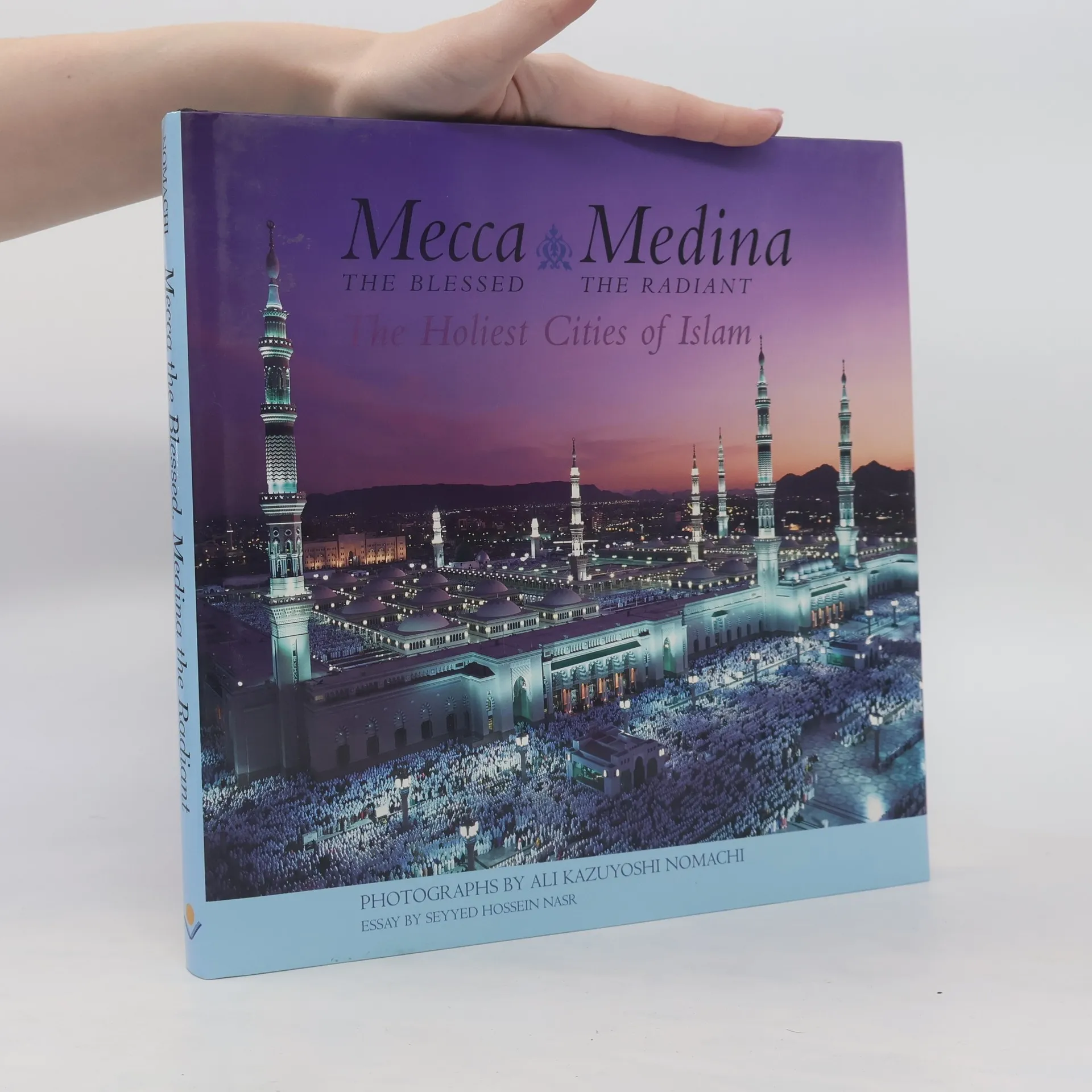
This book offers a unique photographic exploration of the most sacred cities in Islam and the hajj pilgrimage during Ramadan, when millions gather at Mecca's Great Mosque to honor the first revelation of the Qur'an. It provides both Muslims and those unfamiliar with Islam an intimate look at the holiest sites of a major world religion, often misunderstood in the West. Photographer Ali Kazuyoshi Namachi, a Muslim convert from Japan, received rare support from Saudi Arabian authorities to capture images in areas where photography is heavily restricted and non-Muslims are typically barred. This expansive work of photojournalism features 140 full-color photographs, including mystical scenes, breathtaking aerial views of the Arabian landscape, and vibrant crowds surrounding the Kaaba, Islam's sacred center. It also includes intense portraits of Muslims in prayer and stunning architecture that reflects their faith. Archival illustrations complement the visuals, while text by esteemed Islamic scholar Seyyed Hossein Nasr sheds light on aspects of Islamic belief that have remained enigmatic to non-Muslims until now.
This is the only book to deal with classical Islamic cosmology as it was formulated by the Ikhwan al-S'afa al Biruni and Ibn Sina during the tenth and eleventh centuries. These figures influenced all the later centuries of Islamic history and in fact created the cosmological framework within which all later scientific activity in the Islamic world was carried out--the enduring image of the cosmos within which Muslims have lived during the past millennium. Nasr writes from within the Islamic tradition and demonstrates how, based on the teachings of the Quran and the Prophet, the figures treated in this work integrated elements drawn from various ancient schools of philosophy and the sciences. This book is unique in its treatment of classical Islamic cosmology as seen from within the Islamic world-view and provides a key for understanding of traditional Islamic thought.
This is the second volume in a projected five-volume work covering the full expanse of Persian philosophical thought from the Zoroastrianism of the pre-Christian era up to the present day. Volume II is devoted entirely to the work of the Isma'ili and Hermetic-Pythagorean philosophers.
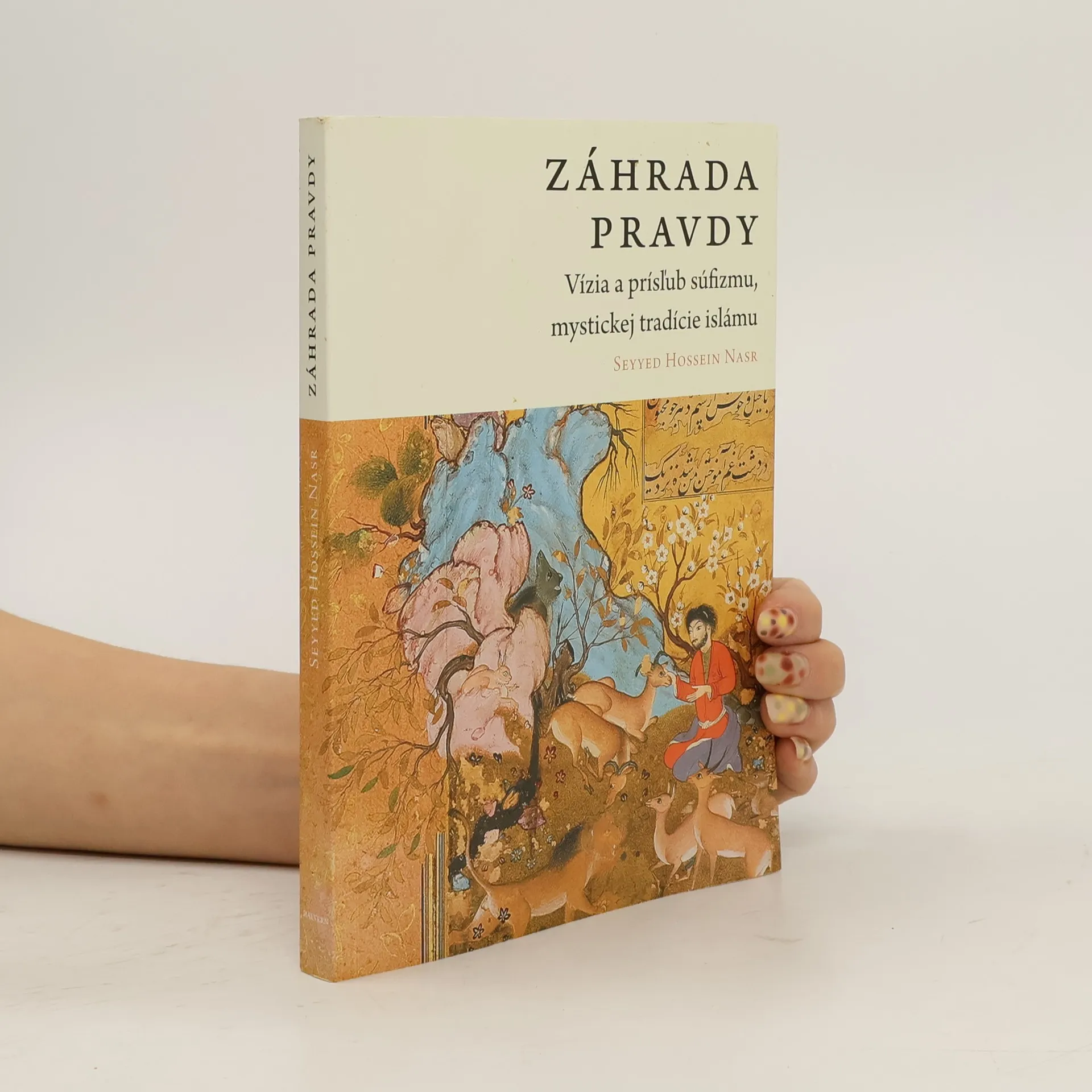
Posolstvo knihy Záhrada Pravdy prekračuje nielen hranice jazyka akademikov, historikov, religionistov, teológov a filozofov, ale i samotný súfizmus, keďže sa dotýka kľúčových otázok zmyslu existencie človeka. Oslovuje každého jednotlivca na Ceste a nabáda ho, aby sa stal tým, kým v skutočnosti, vo svojej najhlbšej podstate je, a obnovil zmysel pre posvätné vnímanie sveta a prírody. Kniha má preto predpoklad, aby sa na jednej strane stala súčasťou budovania mostu medzi Západom a Východom či medzi islámom a zvyšnými semitskými tradíciami, na strane druhej oporou východiska z nevedomosti, relativizmu, subjektivizmu alebo scientizmu, tak príznačných čŕt moderného sveta, postaveného na ilúzii pokroku. Je návodom pre duchovný život, sprievodcom pre putujúceho, po múdrosti pátrajúceho. Prináša poznanie duchovnej cesty do Záhrady Pravdy. Tá je dláždená cnosťami, pričom sa postupne vyjavuje odkrývaním závojov, ktoré hľadajúcemu bránia vidieť nielen zrakom, ale najmä Intelektom – okom srdca.