

Gratis Versand in ganz Österreich
Bookbot

Shankar Vedantam

    Užitočné ilúzie
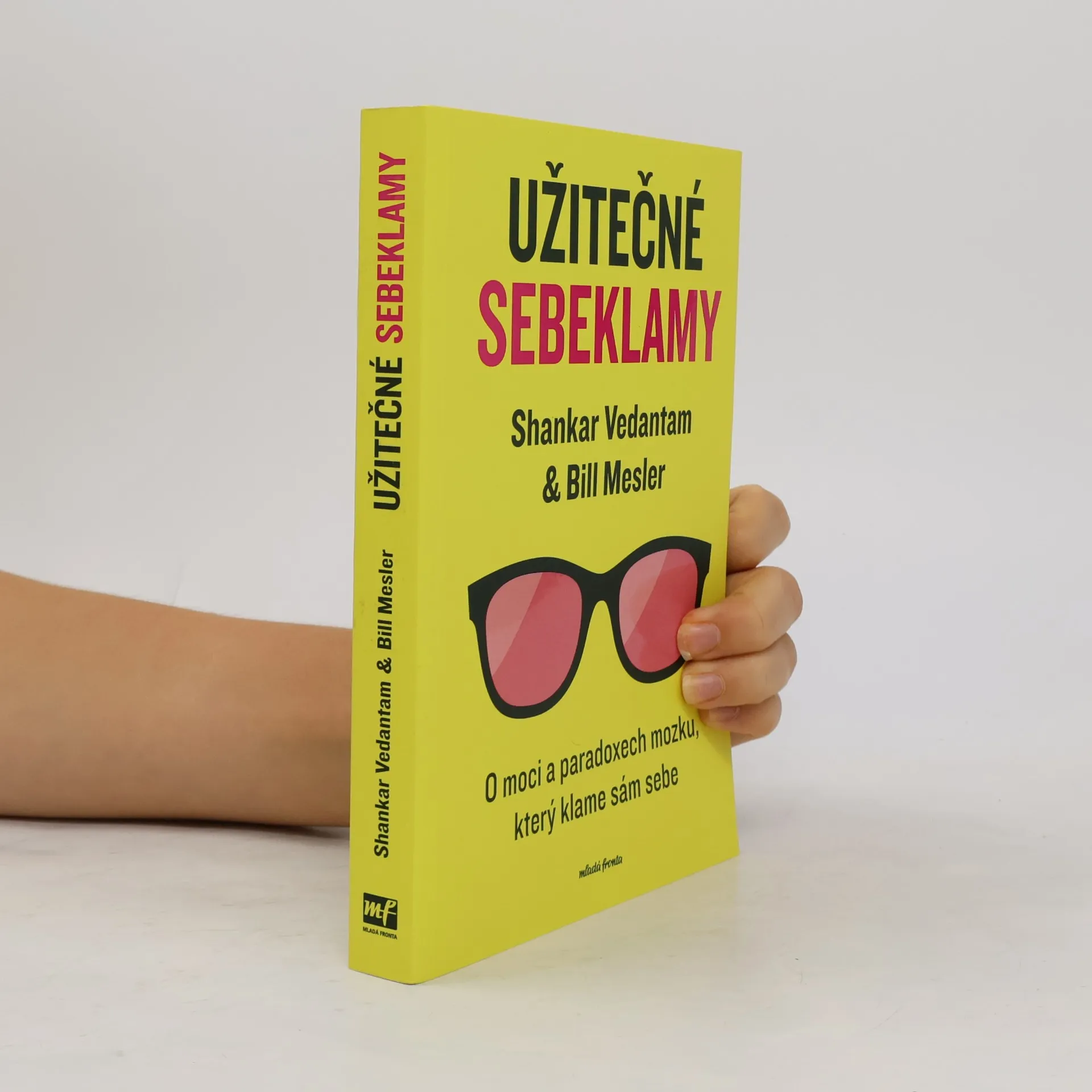
    Užitečné sebeklamy: o moci a paradoxech mozku, který klame sám sebe
    Useful Delusions: The Power and Paradox of the Self-Deceiving Brain
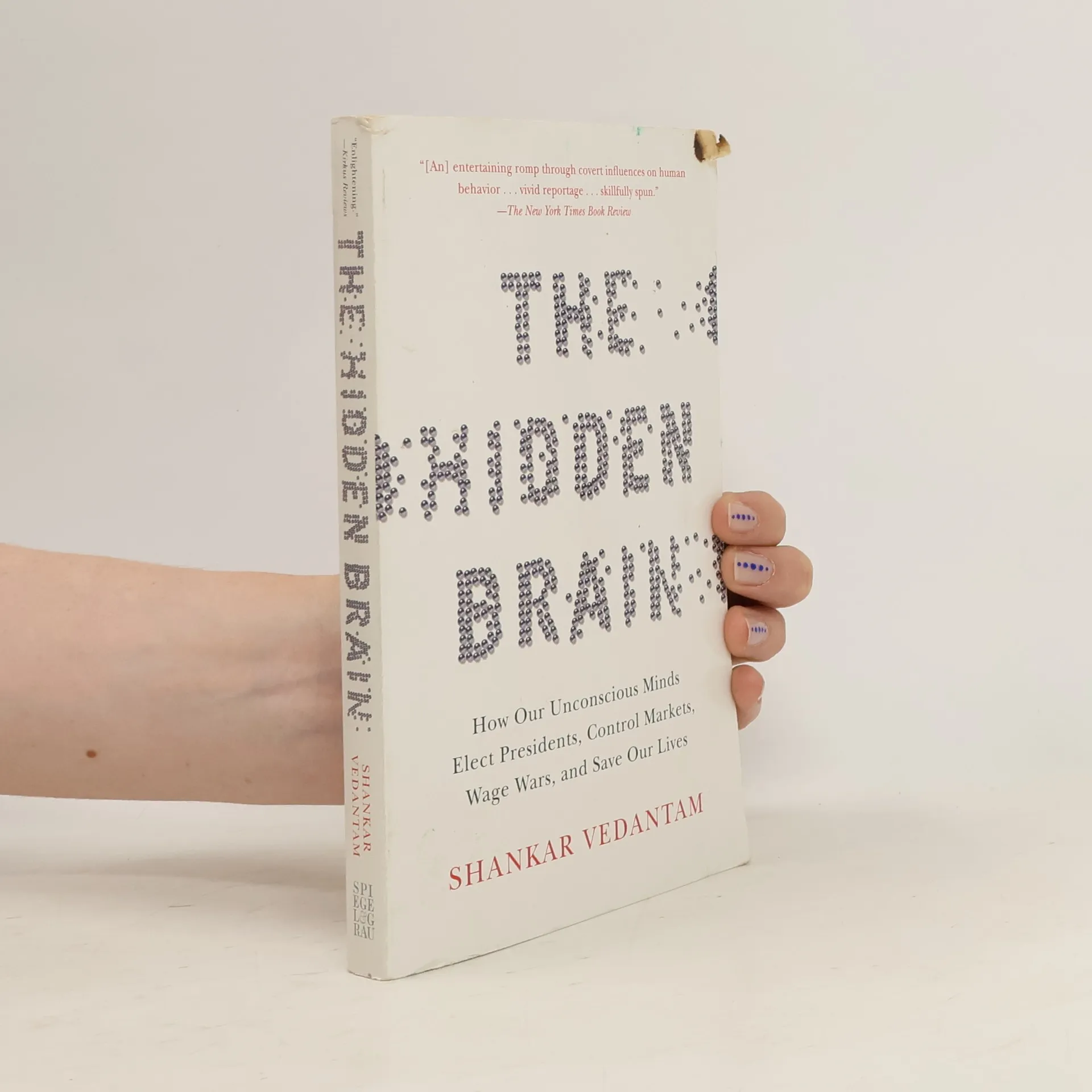
    The Hidden Brain
    Useful Delusions
    Die Macht der Wahrnehmung
    • Die Macht der Wahrnehmung

      Wie unser Gehirn uns täuscht und wie uns das zu mehr Erfolg und stabileren Beziehungen verhilft. Über die faszinierende Welt der Selbsttäuschung

      3,5(2)Abgeben

      Wahrnehmung ist individuell. Je nachdem, von welchem Standpunkt aus man etwas betrachtet. Unser Gehirn täuscht uns über unangenehme Details hinweg, wie den ständig nörgelnden Partner, den wir uns schönreden. So sichert es die Stabilität unserer Beziehungen, unserer Existenz und Gesellschaft. Doch wie schafft es das? Und warum bemerken wir es nicht? Anhand von Fallbeispielen erläutern Shankar Vedantam und Bill Mesler, wann genau kognitive Dissonanz entsteht, welche Konsequenzen sie für unsere Selbstwahrnehmung hat und welche Rolle die Selbsttäuschung in unserem alltäglichen Leben spielt.

      Die Macht der Wahrnehmung
    • Useful Delusions

      • 256 Seiten
      • 9 Lesestunden
      4,0(9)Abgeben

      From The New York Times best-selling author and host of Hidden Brain comes a counterintuitive, thought-provoking exploration of deception's role in human success.

      Useful Delusions
    • The Hidden Brain

      How Our Unconscious Minds Elect Presidents, Control Markets, Wage Wars, and Save Our Lives

      • 288 Seiten
      • 11 Lesestunden
      3,9(126)Abgeben

      Exploring the concept of the hidden brain, this book delves into the subconscious influences that shape our decisions and behaviors. It reveals how this inner voice affects our feelings toward others, our voting choices, and even our perceptions of fairness in the workplace. The hidden brain plays a crucial role in both positive actions, like altruism, and negative outcomes, such as mob mentality or extremist behavior. Through this lens, the book examines the powerful, often unnoticed forces guiding our lives.

      The Hidden Brain
    • From the New York Times best-selling author and host of Hidden Brain comes a thought-provoking look at the role of self-deception in human flourishing. Self-deception does terrible harm to us, to our communities, and to the planet. But if it is so bad for us, why is it ubiquitous? In Useful Delusions, Shankar Vedantam and Bill Mesler argue that, paradoxically, self-deception can also play a vital role in our success and well-being. The lies we tell ourselves sustain our daily interactions with friends, lovers, and coworkers. They can explain why some people live longer than others, why some couples remain in love and others don’t, why some nations hold together while others splinter. Filled with powerful personal stories and drawing on new insights in psychology, neuroscience, and philosophy, Useful Delusions offers a fascinating tour of what it really means to be human.

      Useful Delusions: The Power and Paradox of the Self-Deceiving Brain
    • Autor slavného podcastu Skrytý mozek si v této knize klade neobvyklou otázku: pokud je schopnost lhát a obelhávat se univerzální lidská vlastnost, musí mít pro nás logicky nějakou evoluční výhodu. Ale jakou? Nejde jen o placebo, lži z laskavosti nebo sklon věřit konspiračním teoriím. Autor nanejnovějších vědeckých výzkumech i příkladech z každodenního života ukazuje, že otázka není, zda sobě i druhým někdy lžeme (ano), ale jaký z toho my či oni máme prospěch a zda je vlastně dobrý nápad to měnit.

      Užitečné sebeklamy: o moci a paradoxech mozku, který klame sám sebe
    • Užitočné ilúzie

      • 256 Seiten
      • 9 Lesestunden
      4,4(5)Abgeben

      Mohol by mať za určitých okolností sebaklam pozitívne dôsledky? Shankar Vedantam, novinár a autor úspešnej rozhlasovej relácie a podcastu Hidden Brain, spolu s novinárom Billom Meslerom prinášajú zaujímavý pohľad na to, ako funguje ľudský mozog, keď sa snaží oklamať sám seba, a akú rolu zohráva sebaklam vo vývoji ľudstva. Sebaklam spôsobuje ohromné škody nielen človeku, ale aj spoločnosti a našej planéte. Ak je však taký škodlivý, prečo je ním presiaknuté všetko, čo robíme? Autori tvrdia, že sebaklam môže, paradoxne, zohrávať zásadnú úlohu na ceste k úspechu a duševnej pohode. Klamstvá, ktoré sa stali každodennou súčasťou nášho života, nám pomáhajú udržiavať živé a dynamické vzťahy s našimi blízkymi, priateľmi a kolegami. Ak pochopíme, ako funguje sebaklam, dokážeme porozumieť, prečo niektorí ľudia žijú dlhšie než ostatní, prečo sa zamilovanosť u niektorých párov nevytráca ani po rokoch alebo prečo sú niektoré krajiny stálejšie, kým iné sa trieštia a rozpadajú. Kniha Užitočné ilúzie je sugestívnym rozprávaním o mozgu, ktorý zámerne klame sám seba. Ponúka nevšedné osobné príbehy, ale aj množstvo aktuálnych poznatkov z oblasti psychológie, neurovied či filozofie, no najmä pôsobivo vysvetľuje, čo znamená byť človekom.

      Užitočné ilúzie
    • Siła i paradoks samooszukującego się umysłu. Dlaczego logika i racjonalność są mało skuteczne w konfrontacji z przesądami i teoriami spiskowymi? Czy korzyści z samooszukiwania się przewyższają jego koszty? Shankar Vedantam i Bill Mesler analizują kłamstwo i samooszukiwanie w naszym życiu, ukazując, że kłamstwa, które sobie wmawiamy, mogą pozytywnie wpływać na relacje z innymi i nasze postrzeganie siebie. Autorzy zachęcają do zbadania rzeczywistego oddziaływania samooszustw oraz odpowiedzi na pytanie, jakie potrzeby one realizują. W książce znajdziesz m.in.: powiązania między Donalda Lowry’ego, Franza Antona Mesmera, Lanca Armstronga, Richarda Nixona i Billa Clintona; definicję naiwnym realizmu i widzenia życzeniowego; historię efektu placebo; wpływ rozmowy na zdrowie; rolę uprzejmej obsługi w sklepie; oraz sprzeczność w nauczaniu dzieci mówienia prawdy, podczas gdy rodzice często sięgają po kłamstwo. Vedantam, amerykański dziennikarz i korespondent naukowy, oraz Mesler, dziennikarz badający ludzkie wierzenia, prowadzą nas przez fascynującą podróż po ludzkim umyśle, odkrywając złożoność samooszukiwania się.

      Dlaczego oszukujemy siebie Przydatne złudzenia