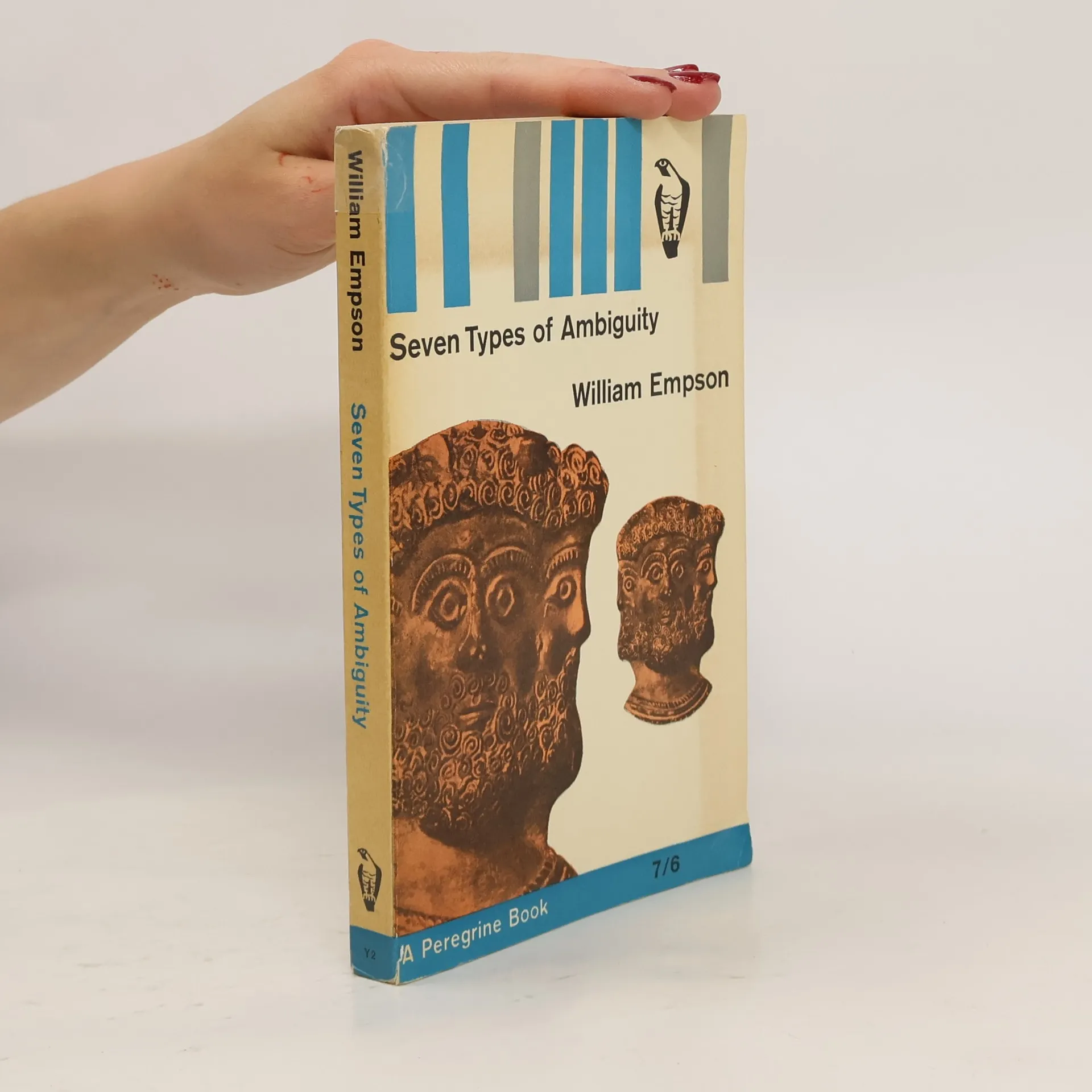
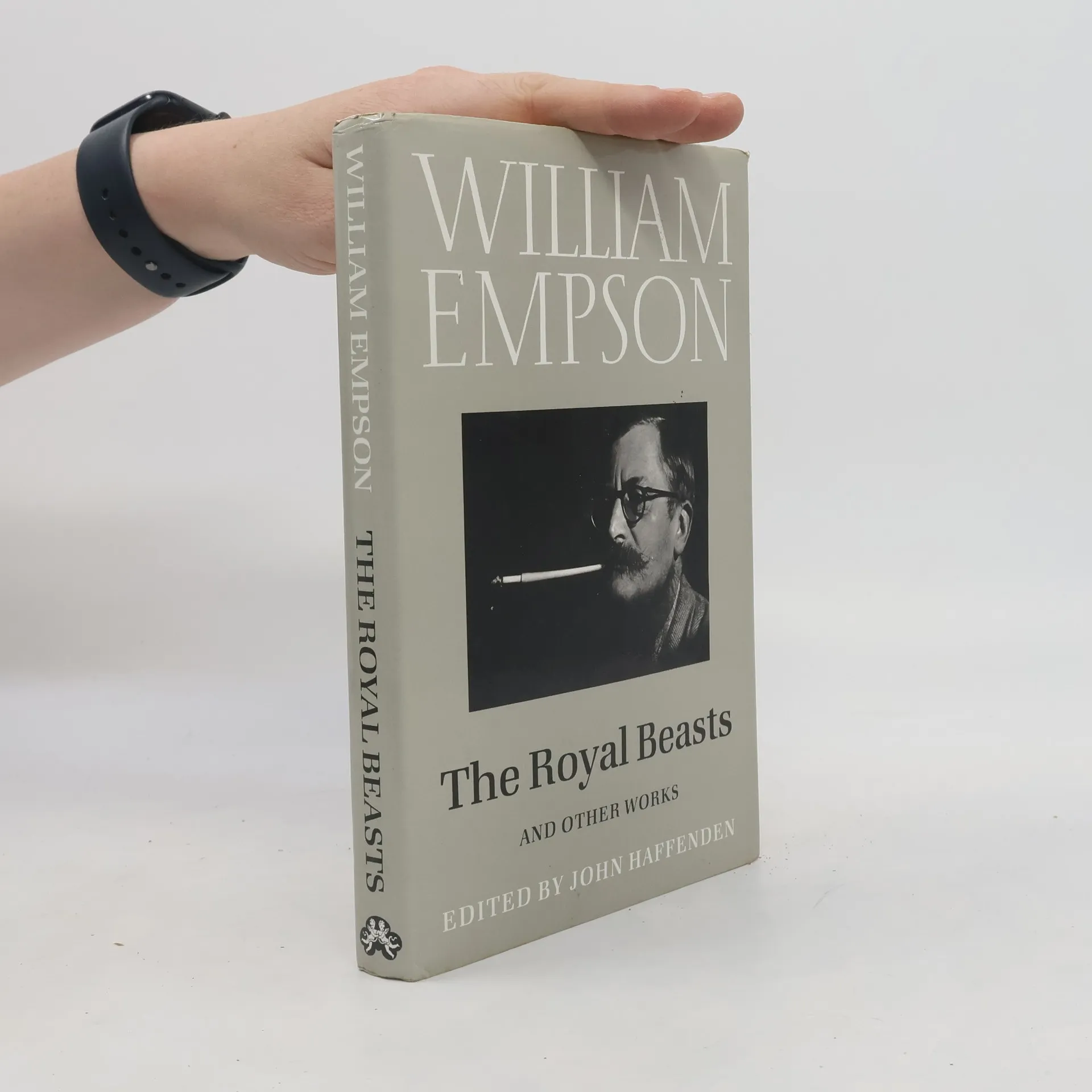
William EmpsonReihenfolge der Bücher (Chronologisch)
William Empson war ein englischer Literaturkritiker und Dichter, der für seine präzise Lektüre literarischer Werke bekannt ist, die die New Critics maßgeblich beeinflusste. Sein Stil, der oft als witzig und exzentrisch beschrieben wird, brachte ihm den Ruf eines "genialen Kritikers" ein, aber auch den eines kontroversen, manchmal "lizenzierten Spaßmachers". Empsons Arbeit wird für ihre Kraft und unkonventionelle Herangehensweise geschätzt, was ihn zu einer der bedeutendsten Figuren der Literaturkritik des 20. Jahrhunderts macht.
Empson has long been applauded for the dazzling intelligence and emotional
passion of his poems. Praised in his lifetime by the likes of T.S. Eliot,
Dylan Thomas and John Betjeman, his reputation contines to be high. His poems
take a wide range of themes from metaphysics to melancholy, social climbing to
political satire, and from love to loss. schovat popis
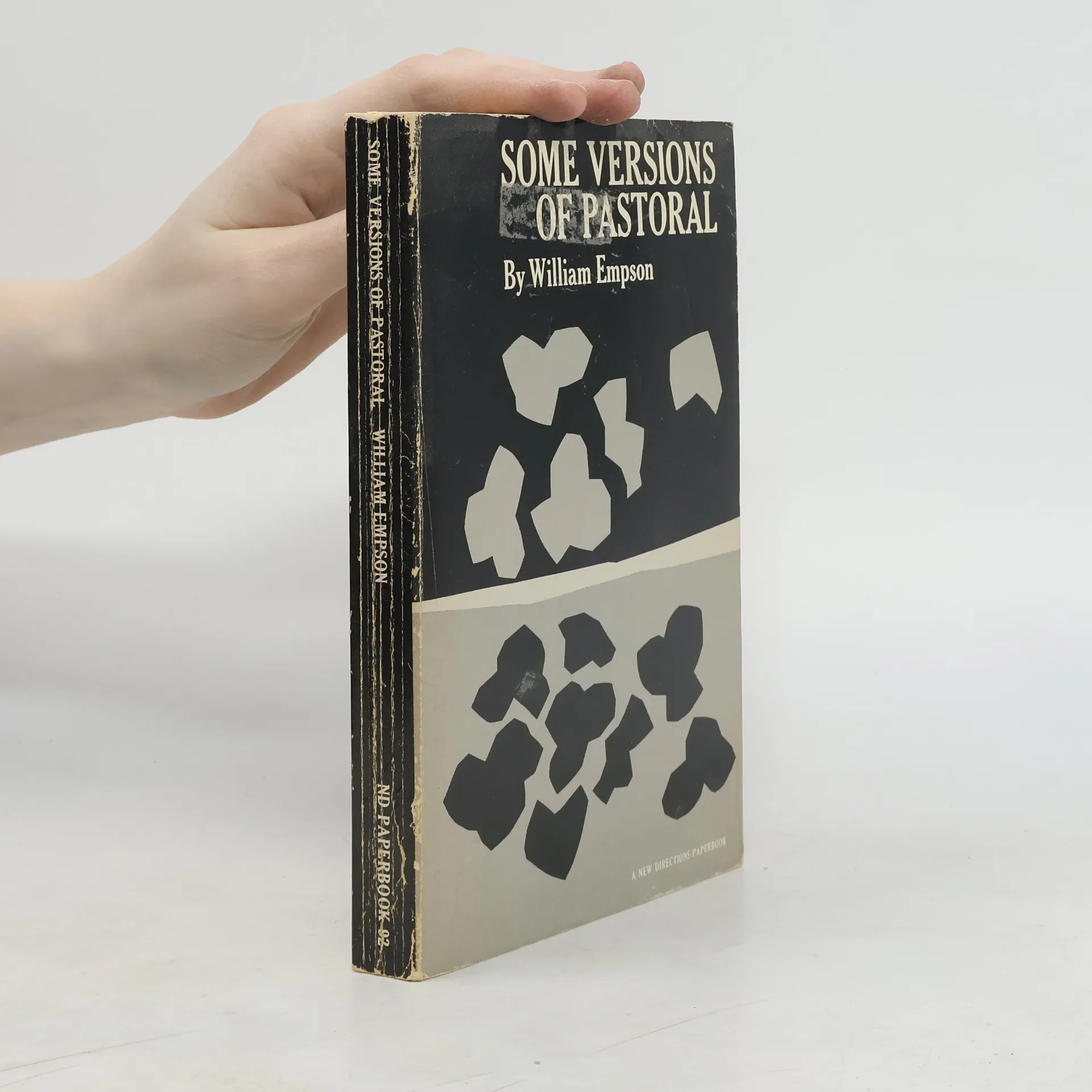
Some Versions of Pastoral is considered a landmark of modern literary criticism. Mr. Empson sees the pastoral convention as including not only poems of shepherd life but any work "about the people but not by or for" them. Finding examples in the writing of every country and century, from Mencius to William Faulkner or Céline, he concentrates on an analysis of certain works and forms in English literature, several of them, like Alice in Wonderland , Troilus and Cressida , and proletarian novels not traditionally considered pastoral. His chapter on Milton and Bentley is a precursor of Mr. Empson’s 1961 book, Milton’s God . With virtuoso clarity and perception throughout he brings the student to a new awareness of hidden values in individual works and to the creative possibilities of the language.
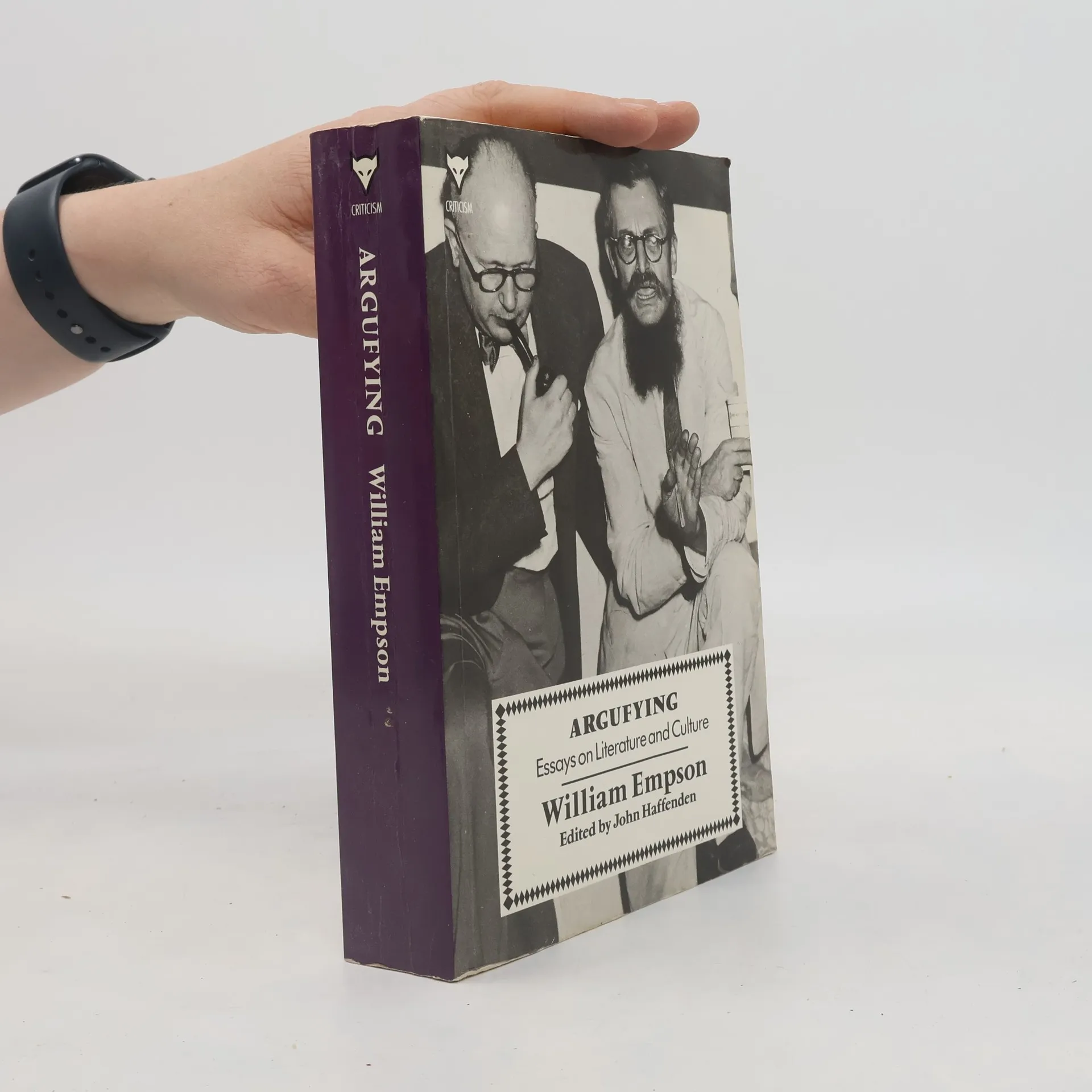
Empson's classic may "have even more to teach us about language now than It did In 1951. when this remarkable book was first published," writes Jonathan Cutler in his valuable foreword. Empson elegantly demonstrates the weight of allusion and Implication borne by even the simplest words of our language: man, honest, quite, dog. he explores the complex play of such words in social situations and in literature, producing in the process brilliant critical essays--on sense in Wordsworth's Prelude, honest in Othello and King Lear all in Paradise Lost--which go straight to the heart of the matter. Lively and irreverent, this book offers persuasive accounts of the structure of metaphor, the statements carried by words, and the failure of dictionary entries to capture the most pertinent aspects of the structure and meaning of words. Culler writes that It stakes out "a new position in debates about meaning and context about the literary in Its relation to the social and the historical. Empson's brilliant discussions of words which express complex social attitudes toward one's fellows or toward moral principles open rich chapters of social and literary history."