

The 1953 American expedition to the second highest peak in the world.
Robert H. Bates Bücher



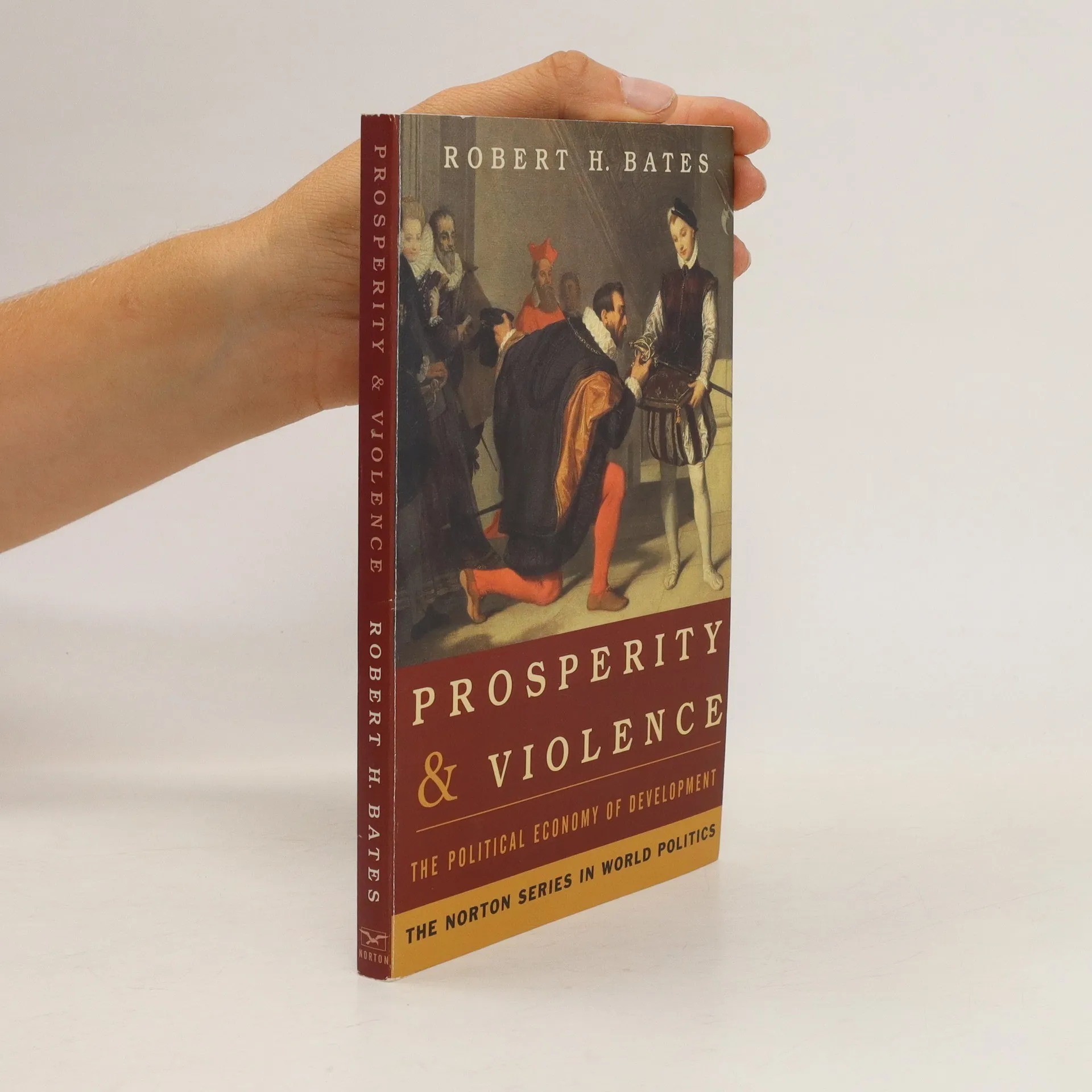

Prosperity and violence. The political economy of development
- 128 Seiten
- 5 Lesestunden
Prosperity & Violence considers the history of human civilization and explains the origins of the modern state, focusing on the evolution of capitalism as cultures move from dispersed agrarian clans to the dense modern metropolis. Informed by firsthand experience with the political and economic development of many diverse cultures, Bates demonstrates how successful modern states harness ethnic diversity for prosperity rather than for violence and political power. Brief and compelling, Prosperity & Violence is certain to be an excellent supplement in any comparative politics course.
Überleben in Höhen
- 396 Seiten
- 14 Lesestunden
In dieser wegweisenden Anthologie präsentiert Clint Willis 75 Jahre großartiger Literatur über die sagenumwobenen Gipfel. Hier finden sich Geschichten über zwei britische Expeditionen zum Everest in den 1920er Jahren; ein Bericht über den K2-Versuch von 1939, der das Leben von vier Bergsteigern forderte; ein firsthand Bericht des Sherpas, der 1953 mit Edmund Hillary den Gipfel des Everest erreichte; die Geschichte des ersten erfolgreichen amerikanischen Angriffs auf den K2 im Jahr 1978; die Sicht eines britischen Fotografen auf den katastrophalen Sturm von 1996 am Everest; und viele weitere Erzählungen – ein Füllhorn an Bergsteigerabenteuern für abenteuerlustige Leser.
Beyond the Miracle of the Market: New Edition
- 226 Seiten
- 8 Lesestunden
The book examines the transition from socialism to capitalism in Eastern Europe and its effects on developing nations, specifically focusing on Kenya's unique economic trajectory. Robert Bates critiques neo-classical development economics, attributing Kenya's initial growth to its strong economic institutions. However, he argues that the shift from the Kenyatta to the Moi regime led to a decline, as economic institutions were repurposed for wealth redistribution rather than wealth creation, ultimately impacting the country's economic stability.
Set in late 20th century Africa, the book delves into the intricacies of political order and the essential elements that constitute a stable state. It examines the historical and social contexts that shape governance and authority, providing insights into the continent's unique challenges and developments during this transformative period. Through a detailed analysis, it highlights the interplay between politics, culture, and society in the formation of modern African states.