Der Pergamonaltar
- 201 Seiten
- 8 Lesestunden


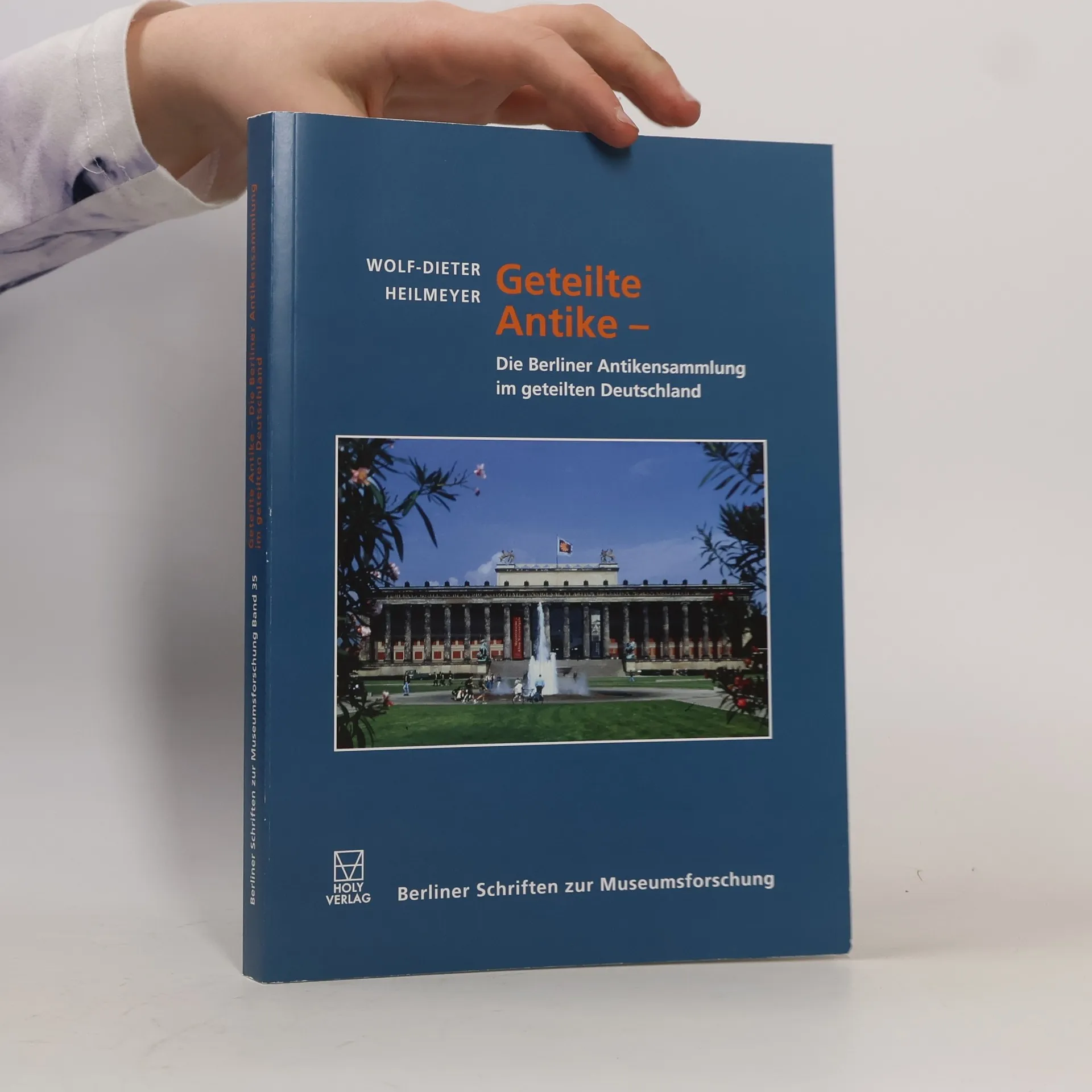
Seit den siebziger Jahren des 20. Jahrhunderts haben die Museen in Deutschland eine neue Relevanz erfahren, man spricht von "ErfolgsƯgeschichte". Sie war begleitet von einer Museumskunde, die sich zunächst den Methoden der Museumsarbeit zuwandte, dann aber zunehmend als MuseoƯlogie die historischen Grundlagen und die gesellschaftlichen Zusammenhänge derselben einbezog. In diesem Rahmen entwickelten sich auch die Antikensammlungen in Deutschland. Aber warum waren diese in Berlin wie alle Berliner Staatlichen Museen seit 1945 geteilt? Warum gab es für mehr als 33 Jahre in Berlin die Antike im weltberühmten Pergamonmuseum auf der Museumsinsel und in einer Auswahl am Charlottenburger Schloss, das heißt also in Westberlin, aber getrennt von Ostberlin? Warum konnte die Vereinigung der beiden Häuser nach 1989 doch sehr schnell vonstatten gehen? War die Trennung gar nicht so wesentƯlich gewesen? Lässt sie sich heute als Parallelgeschichte auffassen? Wie hat die Berliner Antikensammlung zu dem Pergamonmuseum ihr Stammhaus wieder gewinnen können, das Alte Museum am Lustgarten?
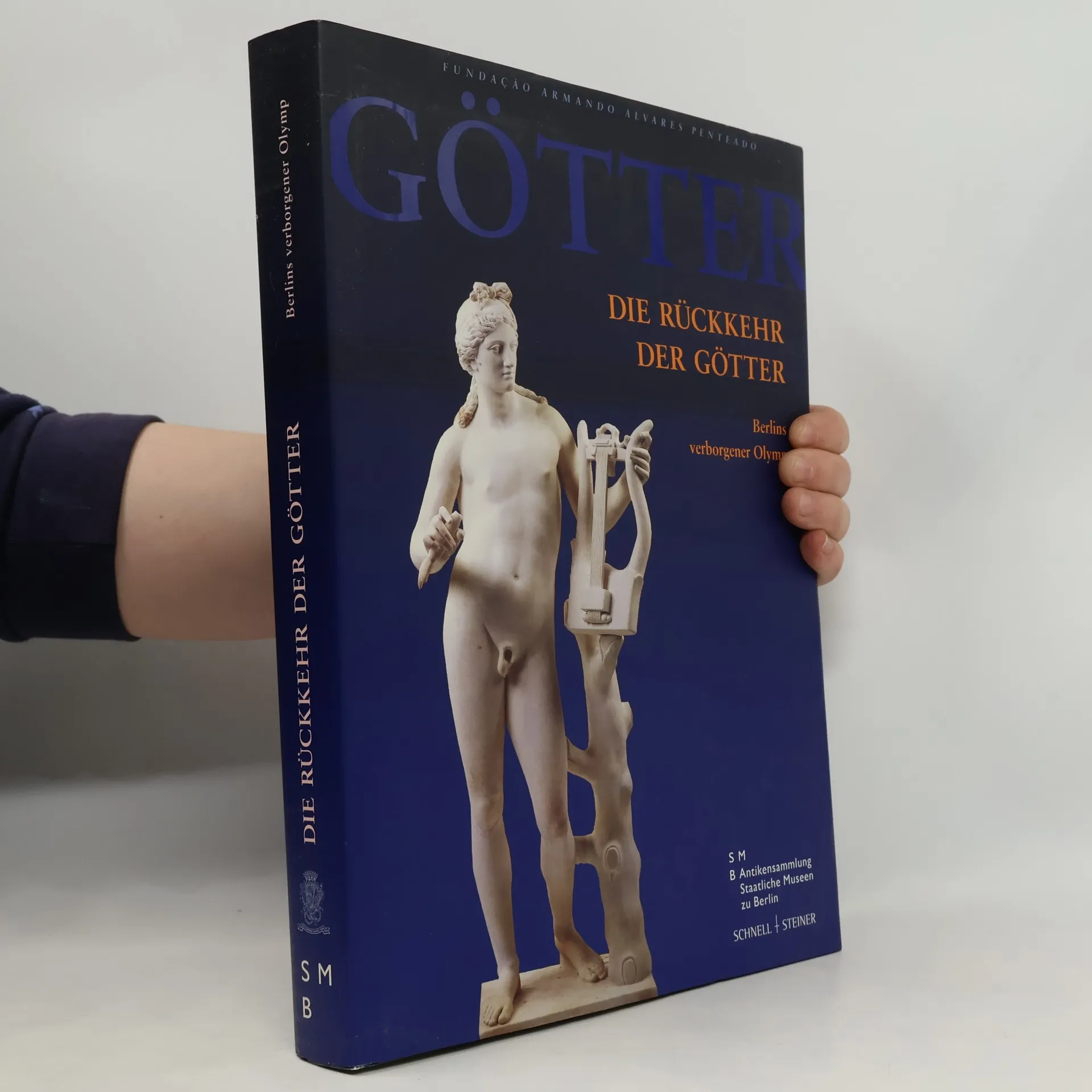
This splendid book accompanied an exhibition first shown in Sao Paolo (Brasil) in 2006 which is now on in the Berlin located Pergamon Museum. Almost 200 pieces of art from the Berlin antiques collection are featured in essays, concise short descriptions as well as brilliantly photographed. The catalogue opens a great insight into ancient Greek mythology and its transformation into the Roman Empire's time, as seen from the latest state in research. The different generations of Olympus gods and goddesses are introduced with the background of antique believe, cult practice and sacred locations. The Berlin Pergamon Museum is undoubtedly one of the best equipped and best displayed museums in the world on old Greek sculpture and culture.
German
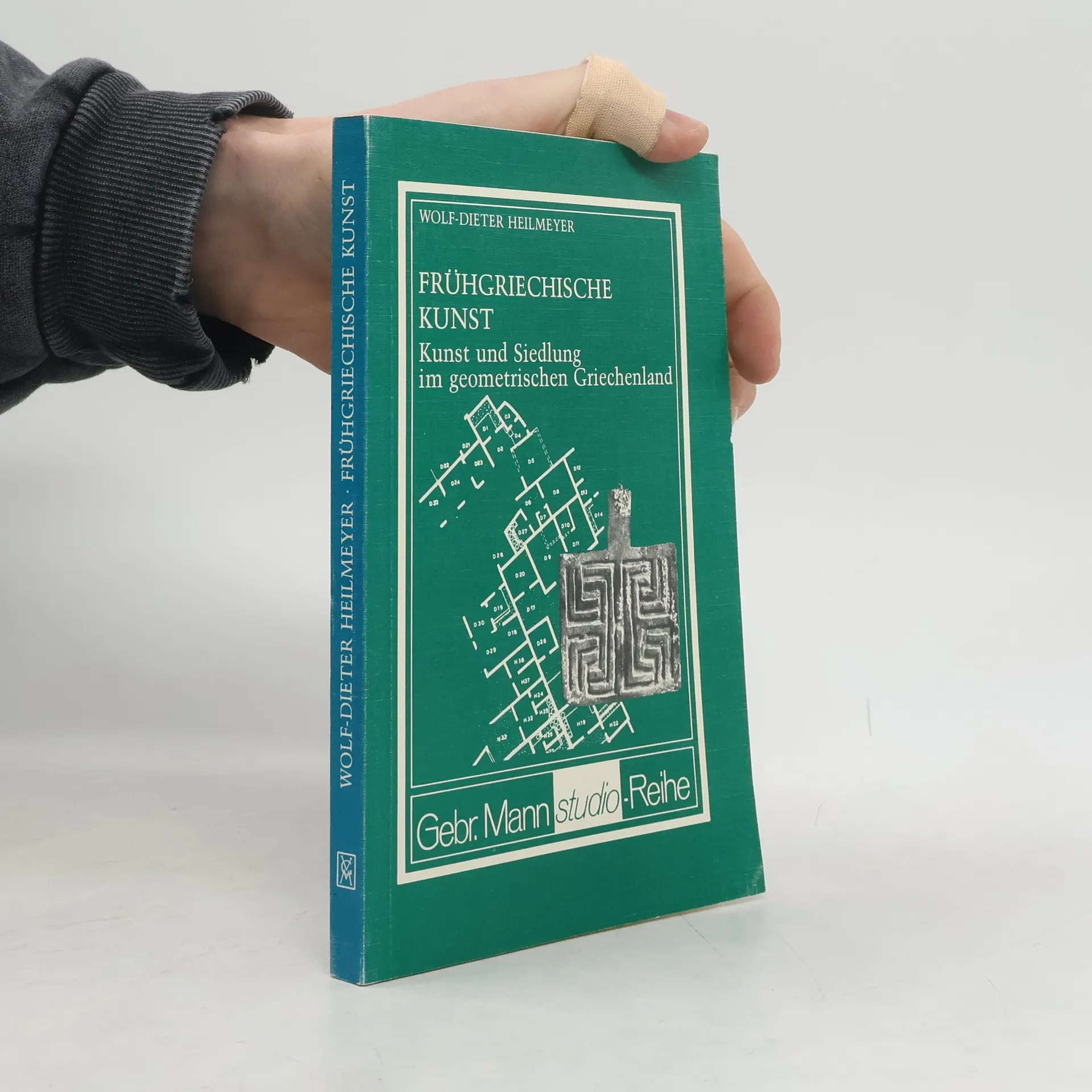
Kunst und Siedlung im geometrischen Griechenland
Art and settlement in geometric Greece ( Gebr. Man studio series ). Illustrated with photographs.
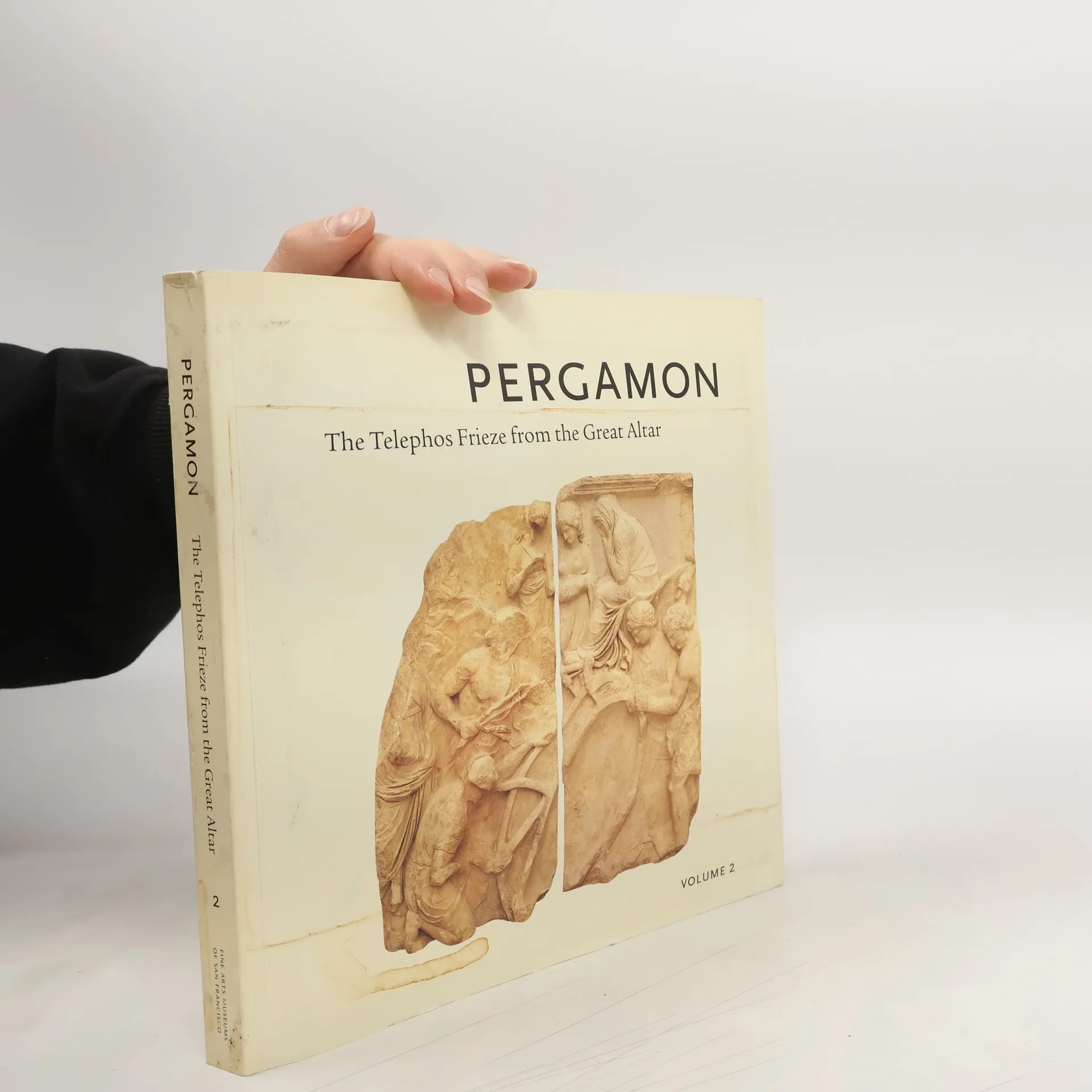
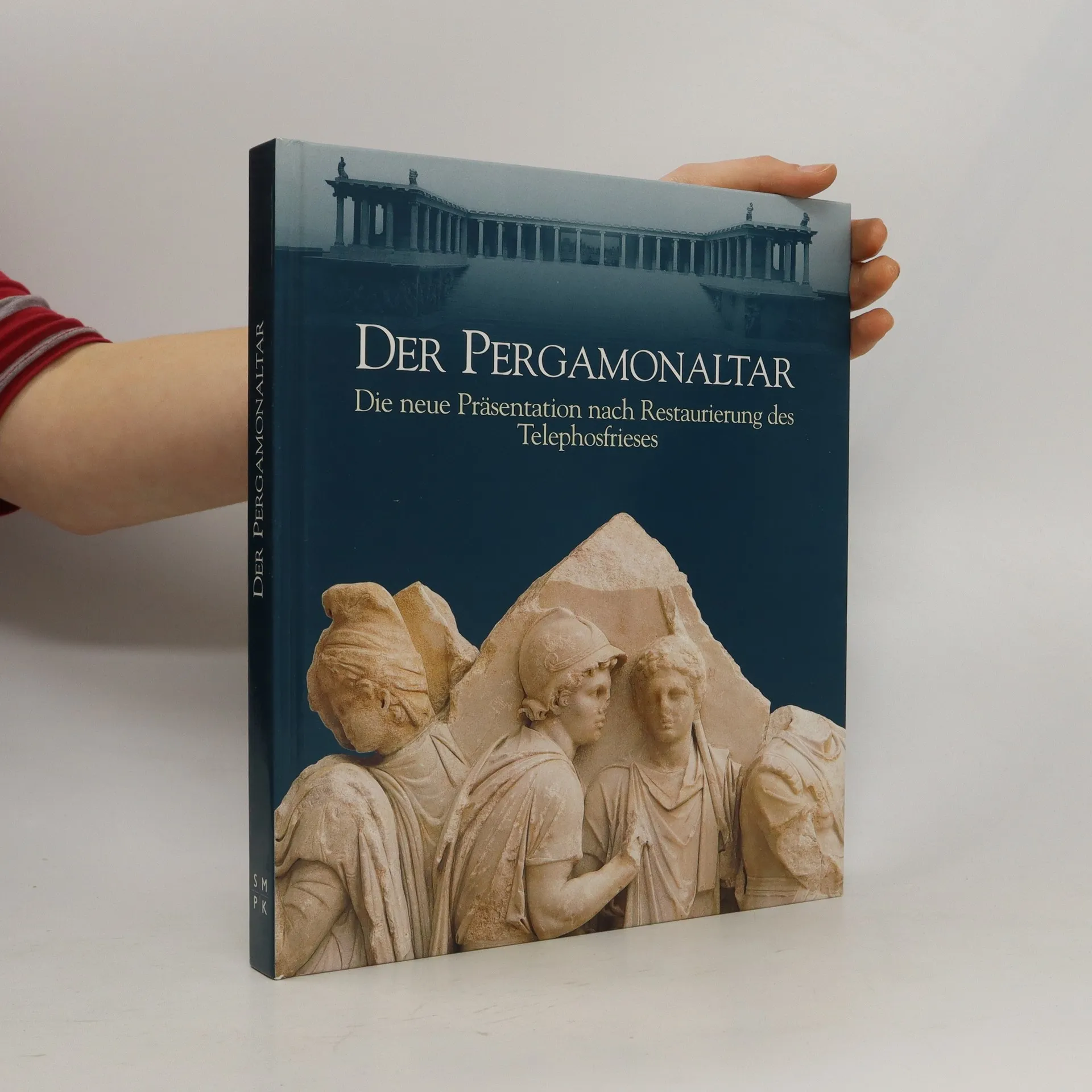
Pergamon was an ancient royal capital in what is now Turkey. To proclaim the city's importance, its Hellenistic kings built a Great Altar--a massive stone podium about one hundred feet long and thirty-five feet high. The story of Telephos, the mythical son of Herakles and the Greek princess Auge, whose lineage the kings wanted to claim for themselves, surrounded the sacrificial altar. These two volumes of essays by classicists and art historians were compiled to accompany an exhibition of the Telephos frieze at the Fine Arts Museums of San Francisco and the Metropolitan Museum of Art. Volume one treats the scholarly efforts to interpret correctly the fragments of the frieze, since its discovery by German archaeologists in the late nineteenth century. Color photographs illustrate twelve marble panels from the frieze, which the contributors treat as the first known instance of continuous narrative in sculpture. Volume two provides essential information for Hellenistic scholars, as well as conservators. It presents the latest research in English on the frieze, with detailed discussions of the art, architecture, and coinage of Pergamon, the dating and significance of the frieze, and its restoration history. Also included are over two hundred detailed black-and-white drawings and photographs, a foldout topographical plan of the site, a scale model of the Pergamon Altar, and a stunning foldout drawing of the Telephos frieze itself.