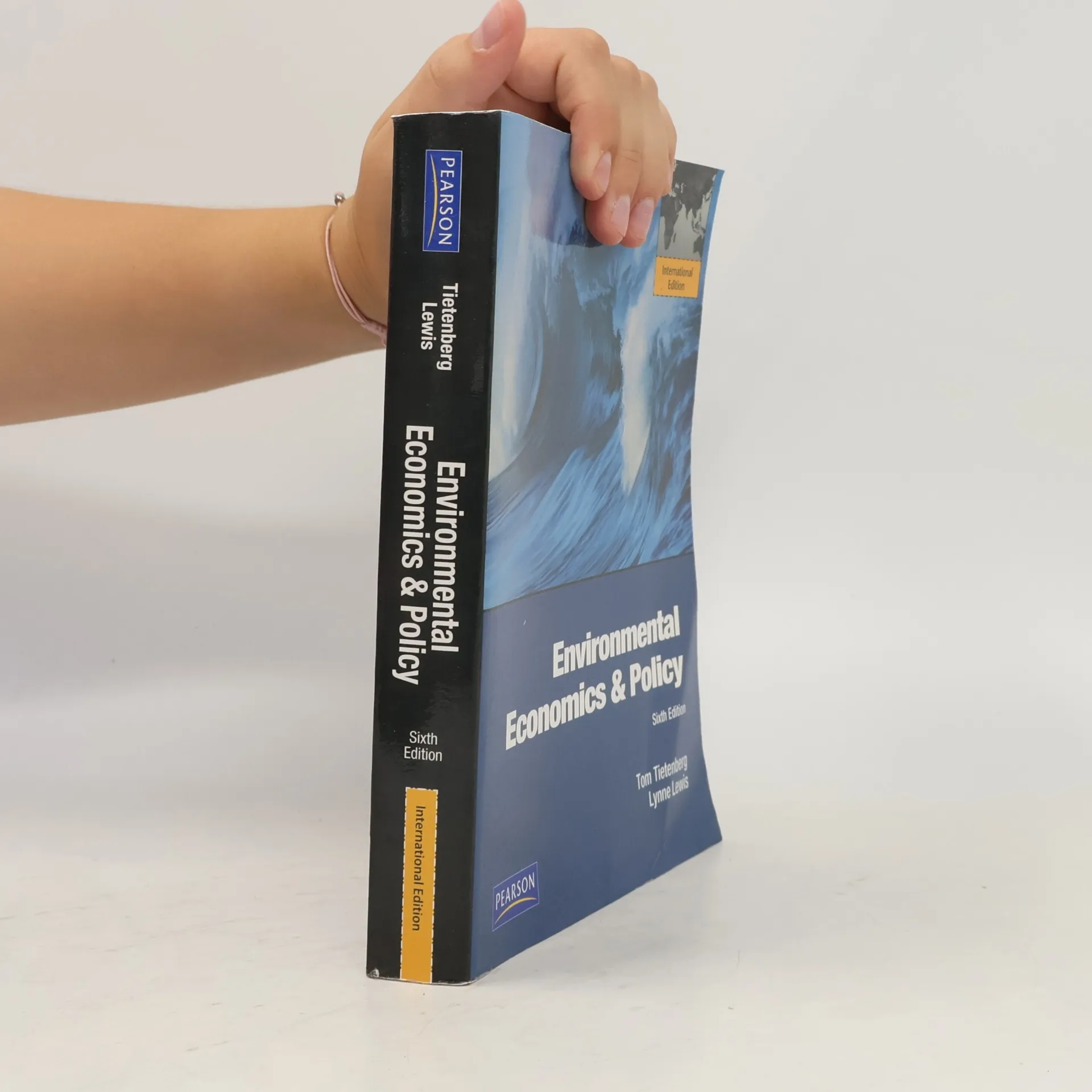
This 8th edition offers a wealth of new examples and hot topics, such as genetically modified organisms and the cost effectiveness of new transportation fuels. The international edition also considers environmental problems and policies in Western Europe, China and the developing nations.
This book is the premier introductory environmental economics text for non-majors. Key chapters are extracted from the author's longer book, Environmental and Natural Resource Economics, the best-selling text in the field. The result is a compact text that includes a concise introduction to economic theory, as well as a variety of policy-based chapters. Each policy chapter discusses relevant environmental and political background, and then applied the critical economic concepts to real-world examples. By including both basic theory and in-depth, issues-based application, the book is ideal for a wide range of courses in environmental and natural resource economics.
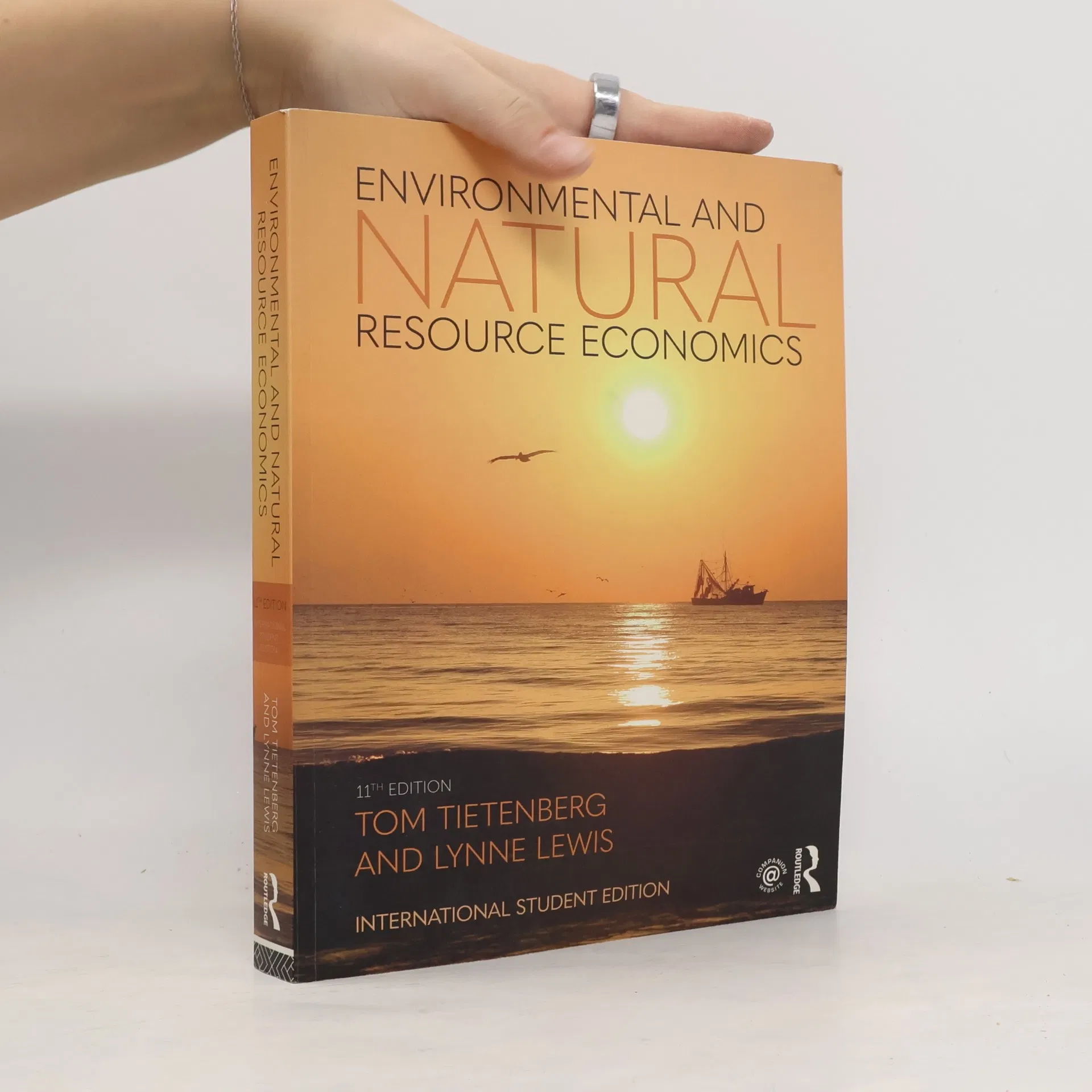
This best-selling text for natural resource and environmental economics courses offers a policy-oriented approach, integrating economic theory and empirical work. Students gain a global perspective on the interactions between environmental and natural resource economics. The 11th edition features updated data, new studies, and an increased international focus. Key topics include climate change, air and water pollution, sustainable development, and environmental justice, with dedicated chapters on various resources such as water, land, forests, fisheries, and recyclables. It introduces the theory and methods of environmental economics, covering externalities, benefit-cost analysis, valuation methods, and ecosystem goods and services. Throughout the text, boxed 'Examples' and 'Debates' highlight global instances and significant discussions. The book includes end-of-chapter summaries, discussion questions, and self-test exercises, along with additional resources on the Companion Website, such as multiple-choice questions, simulations, references, and an instructor's manual. This comprehensive approach ensures students are well-equipped to understand and engage with the complexities of environmental and natural resource economics.